Newsletters




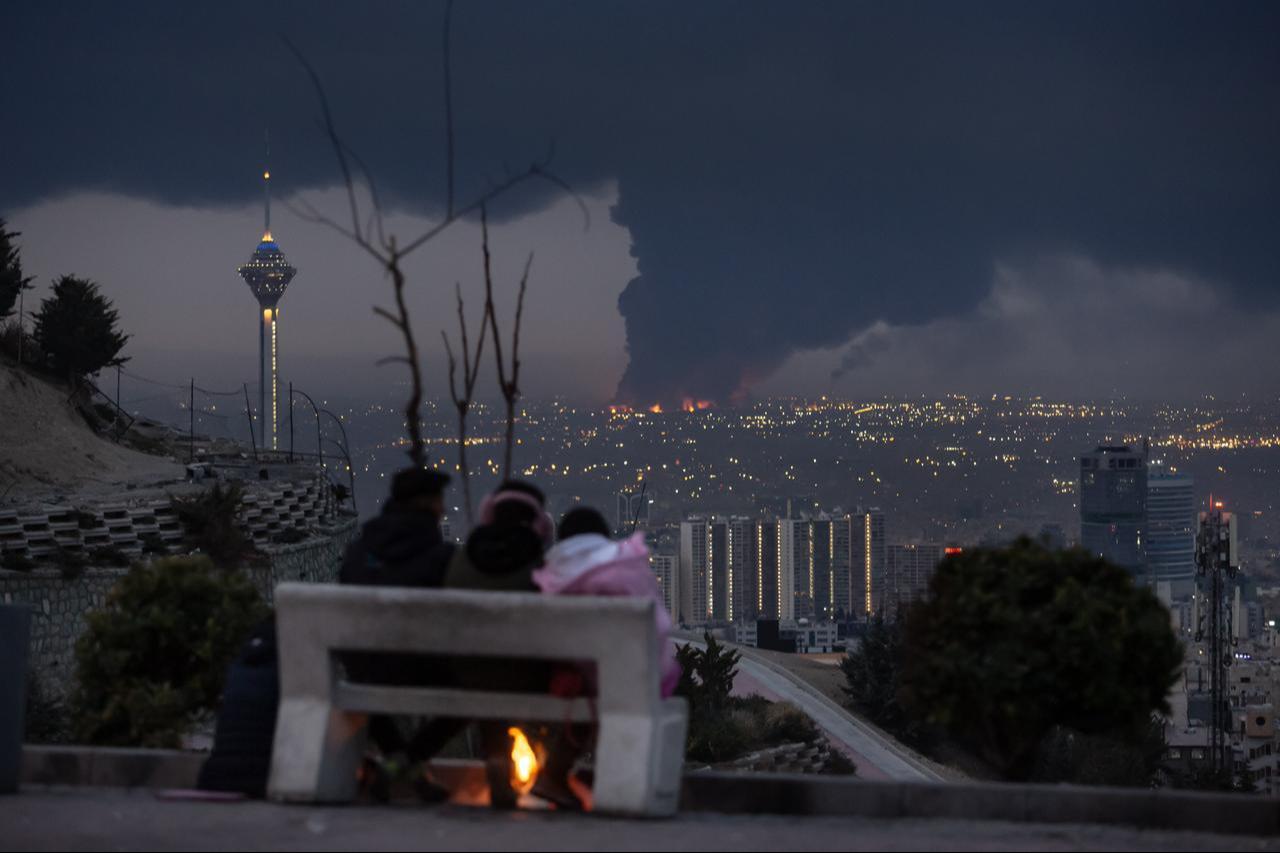
The Israel–U.S. joint war on Iran and possible regional repercussions have resonated strongly in Türkiye. For many Turkish citizens, Iran is perceived as a stable yet economically constrained country shaped by decades of sanctions. Despite political and religious differences and strong regional rivalry, Turks often express respect for Iran’s long civilization and history, culture, and especially poetry when Iran comes up in everyday conversations.
In Türkiye, an attack on Iran also carries a different symbolic meaning from past conflicts in countries such as Iraq, Syria, or Lebanon.
In public debates, some Turks began asking whether the regional escalation might eventually involve Türkiye as well. This perception is often linked to suspicions about broader geopolitical ambitions attributed to Israel and concerns about shifting regional power balances. The official Israeli push for a “Türkiye is the next Iran” narrative in Western media aims to embolden such thinking. In addition, Iran's missiles falling on Turkish land embolden such a possibility in the Turkish people's eyes.
These discussions quickly turned toward Türkiye’s own defense capabilities. Questions about missile development, air defense systems, and the country’s ability to detect advanced aircraft such as the F-35 became common in everyday conversations. For a public increasingly attentive to military technology, the performance and credibility of Türkiye’s domestic defense industry have become a central topic.
Defense symbolism has played a role in Turkish politics in the past as well. In the 2023 elections, the amphibious assault ship TCG Anadolu was showcased to the public shortly before the vote, with citizens invited to visit the vessel. Such events illustrate how military modernization projects can be leveraged as instruments of political messaging.
Yet Türkiye’s political history also offers examples of a different approach to security leadership. During World War II, Türkiye remained neutral under the country's second president, Ismet Inonu. Although Inonu has been a polarizing figure in the domestic divide between secular and conservative political camps, his decision to keep Türkiye out of the war is often cited by historians as a strategic choice that prevented the young republic from entering a conflict that might have caused severe destruction and instability. The precedent is sometimes brought up in contemporary commentary when Turkish leaders want to emphasize stability and caution in foreign policy.
The broader public mood in Türkiye also appears to favor restraint. A recent survey conducted by the Turkish research company GENAR indicated that many respondents support a policy on the Iran war based on neutrality and mediation rather than direct alignment with either side.

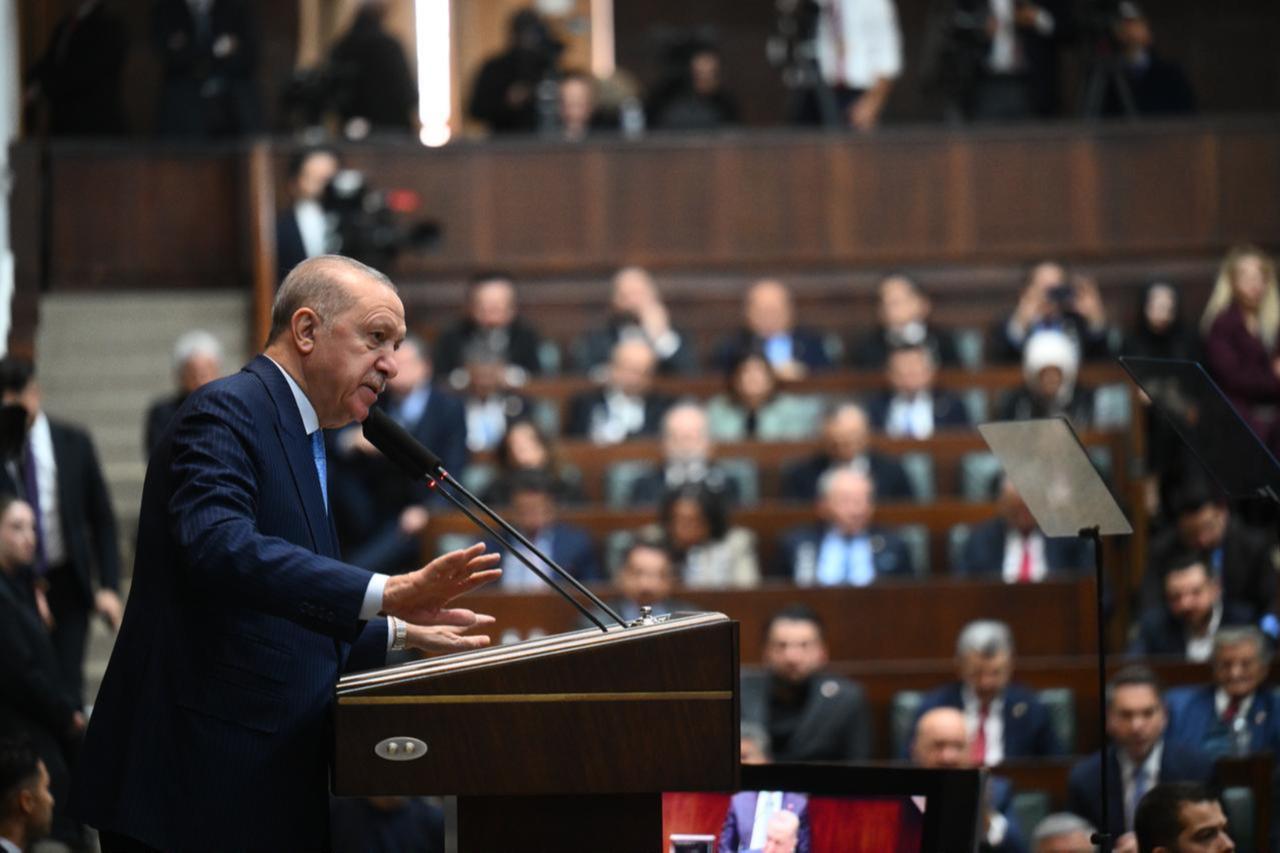
This sentiment aligns with Ankara’s occasional attempts to present itself as a mediator in regional crises. Erdogan, for instance, has explored diplomatic channels with figures such as Donald Trump in the past in hopes of facilitating talks involving Iran. Such efforts reflect Türkiye’s longstanding ambition to position itself as a bridge between competing geopolitical actors
Another factor shaping Türkiye’s cautious stance is the complex regional network of ethnic, political, and strategic relationships. Analyst Barin Kayaoglu argues that the current conflict should not be interpreted as a “Turkic versus Iranian” struggle. Neither Türkiye nor Azerbaijan has strong incentives to enter a direct confrontation with Iran, he points out. Economic ties, energy cooperation, and shared concerns about regional instability all encourage restraint rather than escalation.
Overall, for Turkish voters, the Iran–Israel confrontation may reinforce two parallel expectations from political leadership: On the one hand, the public increasingly follows developments in defense technology and military preparedness, reflecting a desire for strong national capabilities. On the other, surveys and historical experience suggest a continuing preference for avoiding direct involvement in major wars and maintaining room for diplomacy.
If the war continues to shape regional politics in the coming months, it could become a significant theme in Türkiye’s electoral debates.


 Set as preferred source
 Set as preferred source


 1 min read
 1 min read