Newsletters


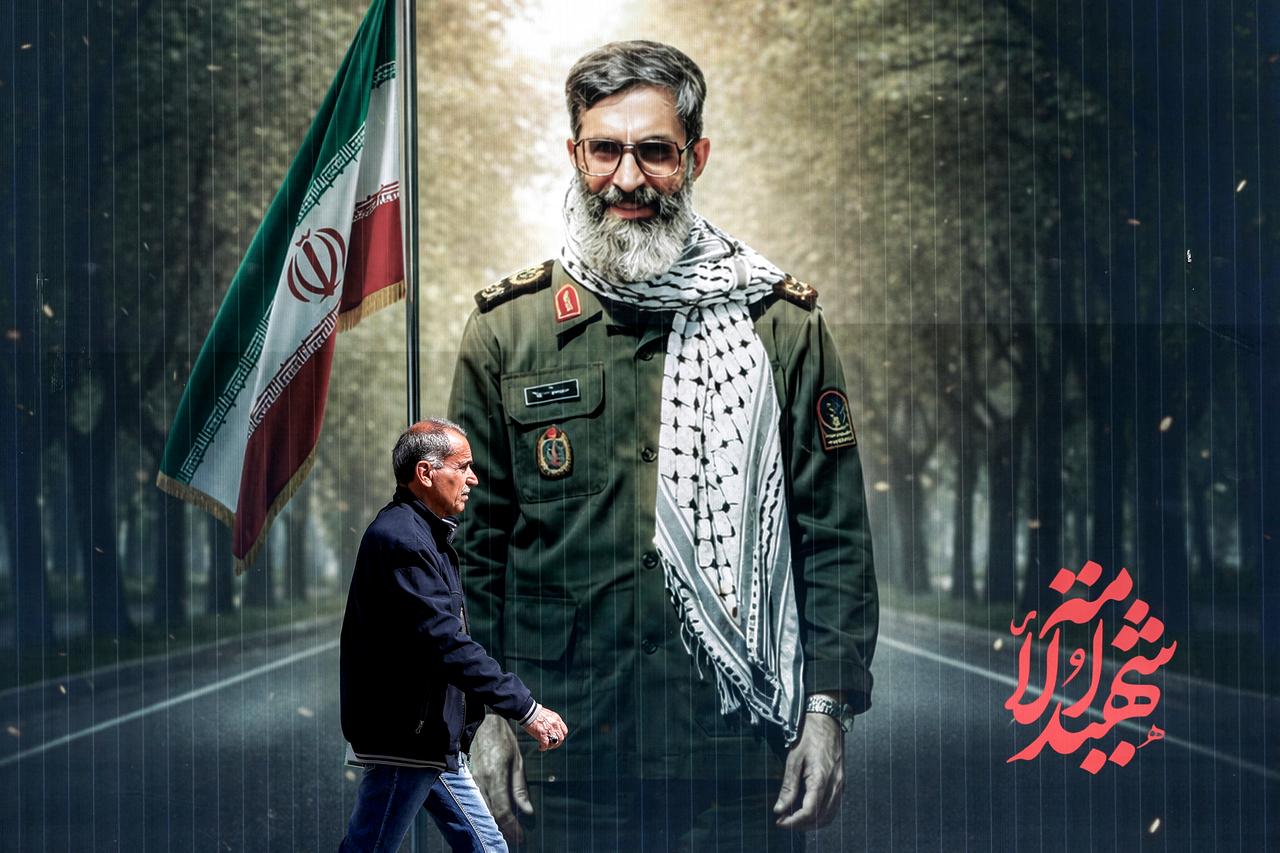


Last week, Türkiye and Azerbaijan were given three excuses to join the U.S.-Israel war on Iran. Luckily, they did not, and for a good reason: this is not a Turkish/Turkic fight.
How this was accomplished by Türkiye and Azerbaijan is the more interesting story.
On Wednesday, Mar. 4, a ballistic missile fired from Iran crossed through Iraqi and Syrian airspace and was intercepted by NATO air and missile defense assets in the Eastern Mediterranean. Debris from the incident fell on Türkiye’s southern province of Hatay. On Monday, Mar. 9, a similar incident took place in Türkiye’s Gaziantep.
On Thursday, Mar. 5, four drones crossed from Iran into Azerbaijan’s Nakhchivan autonomous exclave, which is landlocked between Türkiye, Armenia, and Iran, and attacked the civilian airport. The following day, the discovery of an Iranian cell that was plotting to assassinate Jewish leaders and sabotage the Baku–Tbilisi–Ceyhan pipeline infuriated Azerbaijan. Phrases such as “idiotic Iranian regime” were thrown about on Azerbaijani TV.
So, how did Türkiye and Azerbaijan avoid getting dragged into the Iran war? Given their Shusha Declaration of June 2021, the two regional allies and fellow Turkic republics have extended “NATO Article 5-like” guarantees to each other, and stand by their joint slogan, “one nation, two states,” it’s important to understand what they are likely to do to prevent the Iran war from spreading.
Ankara and Baku broadly agree on where they stand on the Iran war—stay put and stay out—but they diverge in some of the finer details vis-à-vis Israel and Iran.
For Türkiye, the priority is to watch Israel and Iran weaken each other for as long as the war continues, but also for the United States to end the war as soon as possible, as the conflict poses a risk to Turkish national interests. Especially with the declared U.S. and Israeli plans to arm Iranian Kurdish groups (including the PKK’s Iranian branch, PJAK) against Tehran, Ankara is hesitant to see a prolonged insurgency and instability in Iran spilling over into its territory or Iraq’s Kurdistan Regional Government (KRG), a close regional partner of Türkiye.
A potential regime collapse—even less likely now than when the new round of fighting started on Feb. 28—or civil war could bring millions of refugees into Türkiye, which is still reeling from the effects of the millions of Syrian refugees it hosted during the civil war in Syria.
Azerbaijan broadly shares these goals, but it is in a tougher spot in several respects. Unlike Ankara, which maintains diplomatic ties to Israel but has halted trade and high-level contacts with the Jewish state, Baku is a close regional partner of Tel Aviv. In the 1990s and 2000s, when Armenia kept close to 20% of Azerbaijan’s territory under occupation, along with Türkiye, Israel was Azerbaijan’s only real international partner.
In addition, just last year, Azerbaijani President Ilham Aliyev, along with Armenian Prime Minister Nikol Pashinyan, succeeded in persuading U.S. President Donald Trump to sign off on the “Trump Route for International Peace and Prosperity” (TRIPP, previously called the “Zangezur corridor”) that will connect Azerbaijan proper to Nakhchivan through Armenia.
Azerbaijan does not want to risk these advantages by lashing out at Israel or the United States, or appearing to side with Iran, for a war that many saw coming.
Additional dynamics further complicate Azerbaijan’s position and explain why President Aliyev issued powerful statements following the incident in Nakhchivan—where both of his parents were born and raised—and in response to the terror attack and sabotage plots. “Those who [tested our strength] in the past had their [skulls] crushed with our iron fist,” Aliyev stated. “Today’s events will lead to the same outcome,” he added.
Aliyev also pointed out how he was the only world leader to visit the Iranian embassy in his country and sign the condolence book following the assassination of Iran’s former Supreme Leader Ayatollah Ali Khamenei, which made the attack on Nakhchivan and thwarted plots even more insulting. Although not openly mentioned, the attack on his ancestral lands and family must have heightened the pressure on Aliyev as well.
Although Baku remained composed during the recent episodes, unlike Ankara’s “let bygones be bygones” attitude, there is a sense of prevailing reciprocity among Azerbaijanis. Both Aliyev and Azerbaijani commentators pointed out past Iranian support for Armenia during its occupation of Karabakh and other parts of Azerbaijan, and also the January 2023 terror attack on the Azerbaijani embassy in Tehran, where Azerbaijanis perceived Iranian authorities’ response as weak, if not tacitly endorsing the attackers.
This is not to say that Azerbaijan is enthused about some of the imprudent U.S. and Israeli ideas concerning Iran. Not only is instigating Iranian Kurdish groups to attack the Islamic Republic not in Azerbaijan’s interest, but Baku also does not seem too keen on instigating a revolt among Iranian Azerbaijanis to topple the Islamic Republic regime and seek a united Greater Azerbaijan. It’s worth noting that Iranian Azerbaijanis, some 20 million, are much more religious than their 10 million kin in the Republic of Azerbaijan.
The entry of Kurdish groups into the war could also risk exacerbating tensions among Iran’s Azerbaijani and Kurdish minorities, the two largest groups in the Iranian province of West Azerbaijan, from which U.S.- and Israel-backed Kurdish groups will try to infiltrate Iran. Although much smaller than Türkiye’s, Azerbaijan also has a Kurdish minority of a few thousand people.
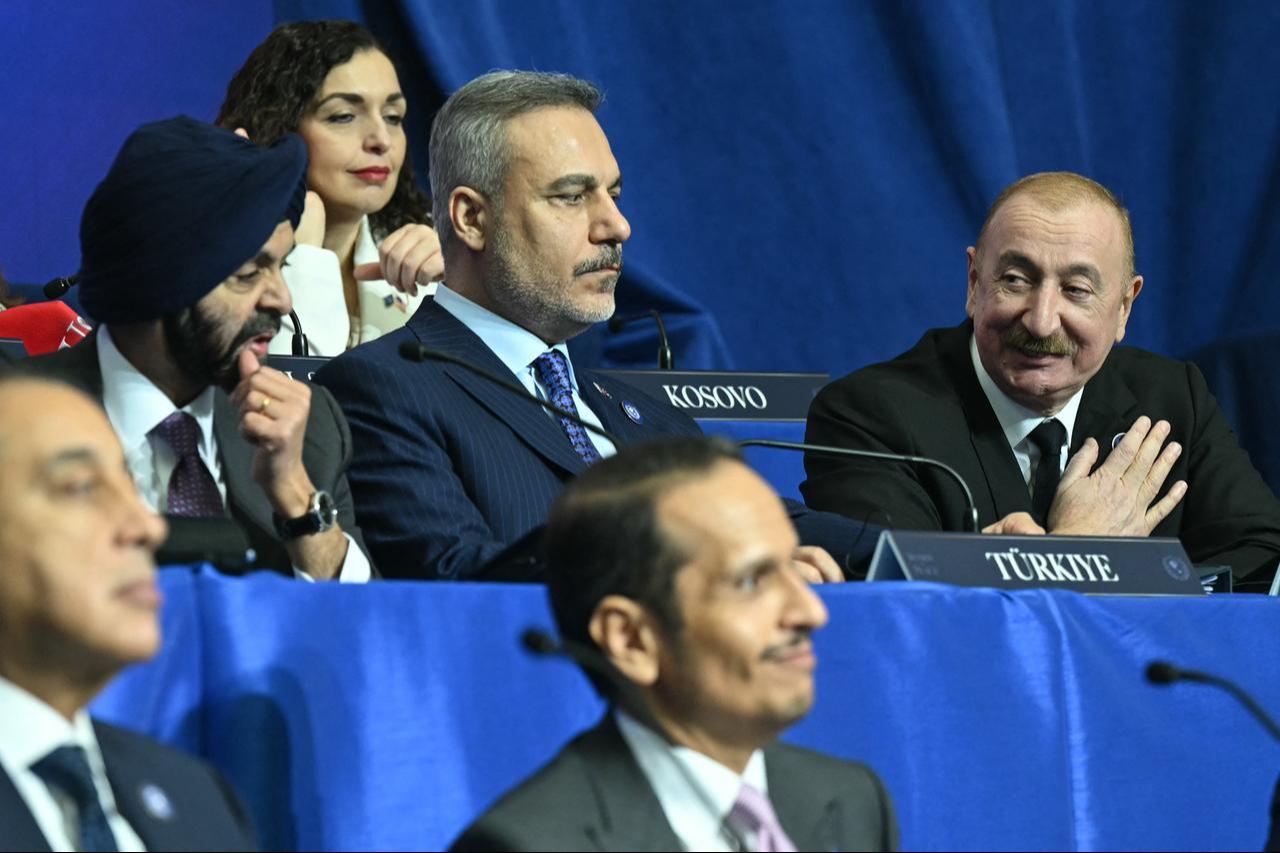

The situation warrants care and caution, especially because Türkiye suspects that the recent attacks and plots against Azerbaijan could have been Israeli “false flag” operations meant to drag both countries into the fight against Iran.
Ankara speaks from experience: in his authoritative history of Türkiye’s National Intelligence Organization (MIT), historian Polat Safi points out that even before relations between Türkiye and Israel began to fray in the 2010s, MIT had to warn Mossad not to stage single-handed operations on Turkish territory. When the Israeli intelligence agency ignored Turkish warnings, MIT canceled the cooperation protocol signed by the two sides in the 1990s.
(In hindsight, that might explain the odd article in 2013 by the Washington Post columnist David Ignatius, who had claimed that then-MIT chief Hakan Fidan, now Türkiye’s foreign minister, had “blown the cover” of an Israeli spy ring operating against Iran and had described Fidan as “pro-Iran.”)
While Azerbaijan’s State Security Service (DTX) is a competent and powerful organization, Israel clearly has the assets and pockets to infiltrate Iran’s national security elements and stage a false flag operation against Baku.
The truth is that we might never know—but from the looks of it, the two brotherly countries, Türkiye and Azerbaijan, will mirror each other’s role in their relations with Israel and Iran. Türkiye will ask Azerbaijan not to let Iran get under its skin while Azerbaijan will play a similar sobering role in Türkiye’s frayed ties with Israel whenever leaders from the Jewish state and their cronies in the West claim that after Iran, “Türkiye will be next.”
If and when the region and world decide to act more reasonably, perhaps Türkiye and Azerbaijan, the one nation with two states, can bring the warring parties to the negotiating table.


 Set as preferred source
 Set as preferred source



 4 min read