Sign in
 Newsletters




The misfortune of the American century is that nobody bothered to explain when it ended. There was no surrender ceremony aboard a battleship, no final trumpet from the Marine Corps Band, no congressional appropriation for the funeral.
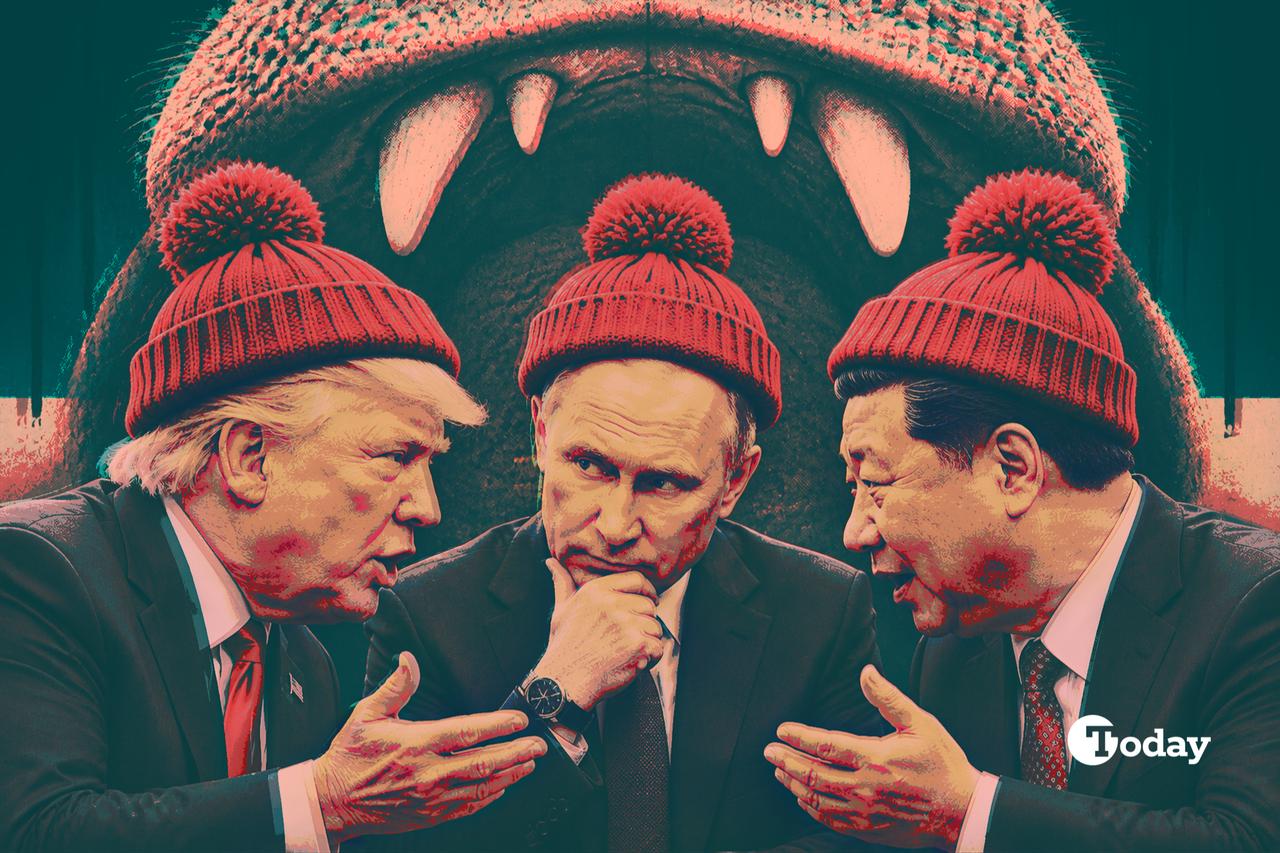
Instead, a hippopotamus in Cincinnati swallowed a child’s woolly hat, and three men representing the world’s most consequential concentrations of nuclear weapons gathered in southern China to discuss civilization’s future.
The hippopotamus died.
The three men issued a communique.
Historians may eventually decide which development was more instructive.
Fiona was 9 years old, weighed approximately as much as a respectable Detroit automobile and possessed the sort of effortless celebrity Donald Trump has spent 80 years attempting to manufacture. Born prematurely in 2017, she defied medical science and became an American institution without once demanding Greenland or suggesting Canada would make an attractive 51st state.
Her downfall was a knitted hat.
This is a peculiarly American tragedy. A child launches an innocent object into the air. A ceiling fan intervenes. An enormous creature consumes something manifestly unsuitable for digestion. Experts assemble. Technology is deployed. Nobody can fix the problem.
Then everybody sends flowers.
The Cincinnati Zoo borrowed a 9-foot colonoscope and tried a vibrating platform normally used on horses. American veterinary ingenuity could not extract one woolly hat from one hippopotamus.
Imagine what Washington intends to do about Vladimir Putin.
Except Washington, apparently, has decided Putin isn’t the problem.
The summit is over. The handshakes photographed, the interpreters paid, the motorcades dispatched. Trump, Putin and Xi Jinping have emerged from Shenzhen with a four-point declaration whose significance lies less in what it promises than in what it proposes to dismantle.
The three agreed to reform the United Nations, increase supplies of refined petroleum, defend the immunities of state officials against judicial overreach, and discuss reducing nuclear risks.
No agreement to end the slaughter in Ukraine. No solution to the war involving Iran. No concrete nuclear disarmament timetable.
But a remarkable consensus that institutions created to restrain powerful governments have become inconvenient.
The world’s three most formidable geopolitical landlords have discovered a common grievance: excessive interference from the building inspectors.
For Putin, who faces an International Criminal Court arrest warrant over alleged war crimes, this was a productive afternoon. For Xi, an opportunity to preside over a gathering that treated China as chairman of global affairs. For Trump, something infinitely more satisfying than legislative achievement.
A photograph of himself making history.
Before America began negotiating away the rules of the international order, it spent decades breaking them in secret. Martin McDonagh’s stunning new film "Wild Horse Nine" revisits the scene of the crime.
The story’s CIA operatives inhabit a universe in which America dispatches hard men to remote places to perform questionable services for an employer whose moral authority shrinks in direct proportion to its expense account.
That was the old American empire: hypocrisy with a travel budget.
The new version has dispensed with the hypocrisy.
For most of the 20th century, America exported constitutional idealism, covert violence, Hollywood sentimentality and breakfast cereal. The arrangement worked because foreigners generally preferred American hypocrisy to Soviet sincerity.
Shenzhen suggests a different business model.
Why defend an international system when you can negotiate exemptions?
The declaration’s language about sovereign immunity is particularly revealing. International law was designed, however imperfectly, to establish that certain actions remained unacceptable regardless of who committed them.
The Shenzhen doctrine suggests a simpler proposition: the more important the defendant, the less enthusiastic the prosecution.
This is not yet a new Yalta. No published agreement divided Europe or awarded Taiwan to Beijing. But Putin gained recognition without surrendering territory, Xi acquired diplomatic prestige without meaningful concessions, and Trump celebrated history without obtaining his nuclear agreement.
Great powers need not formally divide the world to behave as though they own it.
Europe, meanwhile, discovers that its security guarantor is negotiating international accountability with two governments it has spent years attempting to constrain.
And the next two years?
Expect theatrical bargains, sudden betrayals, improbable friendships and magnificent declarations of peace issued while wars continue. Expect markets to applaud cheaper oil, Moscow to test boundaries and Washington to mistake publicity for policy.
Above all, expect American institutions to confront a president who regards institutional restraint as an obstacle to successful negotiation.
E Pluribus Unum. At least we had Fiona.
Her death was not caused by conspiracy or geopolitical ambition. She swallowed something she could not digest, and all the expertise assembled afterward proved inadequate.
Nations can do much the same.
The difference is that Fiona never claimed the hat was delicious, accused her veterinarians of treason or threatened tariffs on the knitting industry.
Cincinnati mourned her because she represented something uncomplicated: perseverance, affection and the possibility that a vulnerable creature might survive against impossible odds.
Shenzhen offered a less comforting proposition.
Three powerful men discussed humanity’s future as though humanity were an inconvenient minority shareholder.
Somewhere in Cincinnati, flowers surround a statue of a hippopotamus who asked nothing of the world except food, water and a little room to swim.
She got a hat instead.
The rest of us have just been handed a declaration.
And unlike Fiona, we are expected to swallow it willingly.


 Set as preferred source
 Set as preferred source


 7 min read