Newsletters


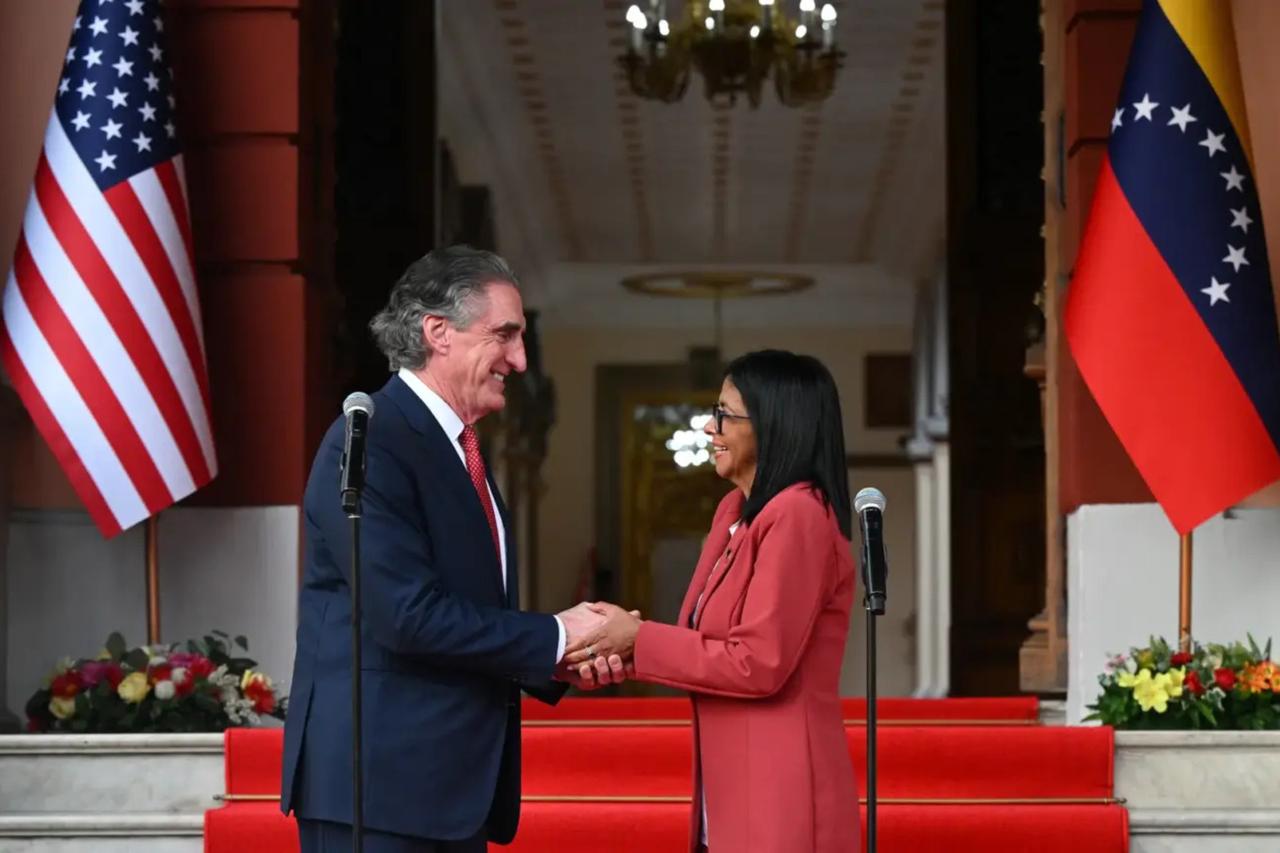


The real estate instincts die hard. When Donald Trump looks at a map, he sees real estate, and the lot he announced on Friday night sits 65 billion barrels deep beneath the Orinoco Belt.
This time, however, the lease runs for a hundred years, the seller is an interim government of contested legitimacy, and the closing gift is a promise of cheaper gasoline just in time for November. A "bargain of the century," the president declared. The math, as we shall see, begs to differ.
The White House announcement described a joint venture to operate 17 Venezuelan oil fields under a century-long concession.
Washington would secure a 55% effective output from the new entity, giving the United States control over reserves that would, overnight, make this freshly minted company the second-largest holder of proven crude on the planet, trailing only Saudi Aramco.
The remainder would fall to a private Venezuelan operator—unnamed in the official version—though investigative circles have pointed consistently to one particular fugitive figure.
Even a year ago, it would have been hard to understand why Washington is shaking hands with Chavismo's holdouts.
Yet the current trajectory of relations makes the pact itself much harder to comprehend. To put it in perspective, when the U.S. was involved in oil tenders after the Iraq War in 2003, the conditions of the deals did not favor the U.S. nearly as much.
Back then, the primary goal for the U.S. economy was not to "get oil for free" but to ensure that the "global oil flow remained uninterrupted and cheap."
During the Saddam era, Iraq was largely cut off from the global oil market due to sanctions. Following the US invasion, Iraqi oil was pumped back into the global market. This increase in supply kept worldwide oil prices at reasonable levels.
Years after, with the war in Iran, this is once again exactly what the U.S. needs. By any metric applied to agreements between states and private or foreign companies in the international oil and gas sector, this deal—which stands as a clear exception—arrived as the harbinger of a new era.
The backstory begins in the middle of the night in January 2026, when U.S. forces captured Nicolas Maduro and flew him to New York to face federal drug trafficking charges.
Delcy Rodriguez, loyalist, ideological heir, and now acting president, inherited both a ruined state and a White House that wanted something in return for leaving her exactly where she stood.
Despite the change in Caracas and celebrations of Venezuelans abroad, oil investment arrived in drops. Venezuela's production has barely moved, currently around 1.1 to 1.2 million barrels per day, roughly the same figure as a year ago. The Casa Blanca's dream of a foreign policy windfall from Venezuelan oil was simply not real yet.
Meanwhile, the broader picture was deteriorating. The war in Iran has bled the U.S. Strategic Petroleum Reserve at pace.
Gasoline nationally averages over $4 a gallon, up from $3.20 the year before. Inflation remains a stubborn inheritance from the previous cycle, and the midterms are now close enough to taste. This is the context in which the "greatest oil deal of all time" was born.
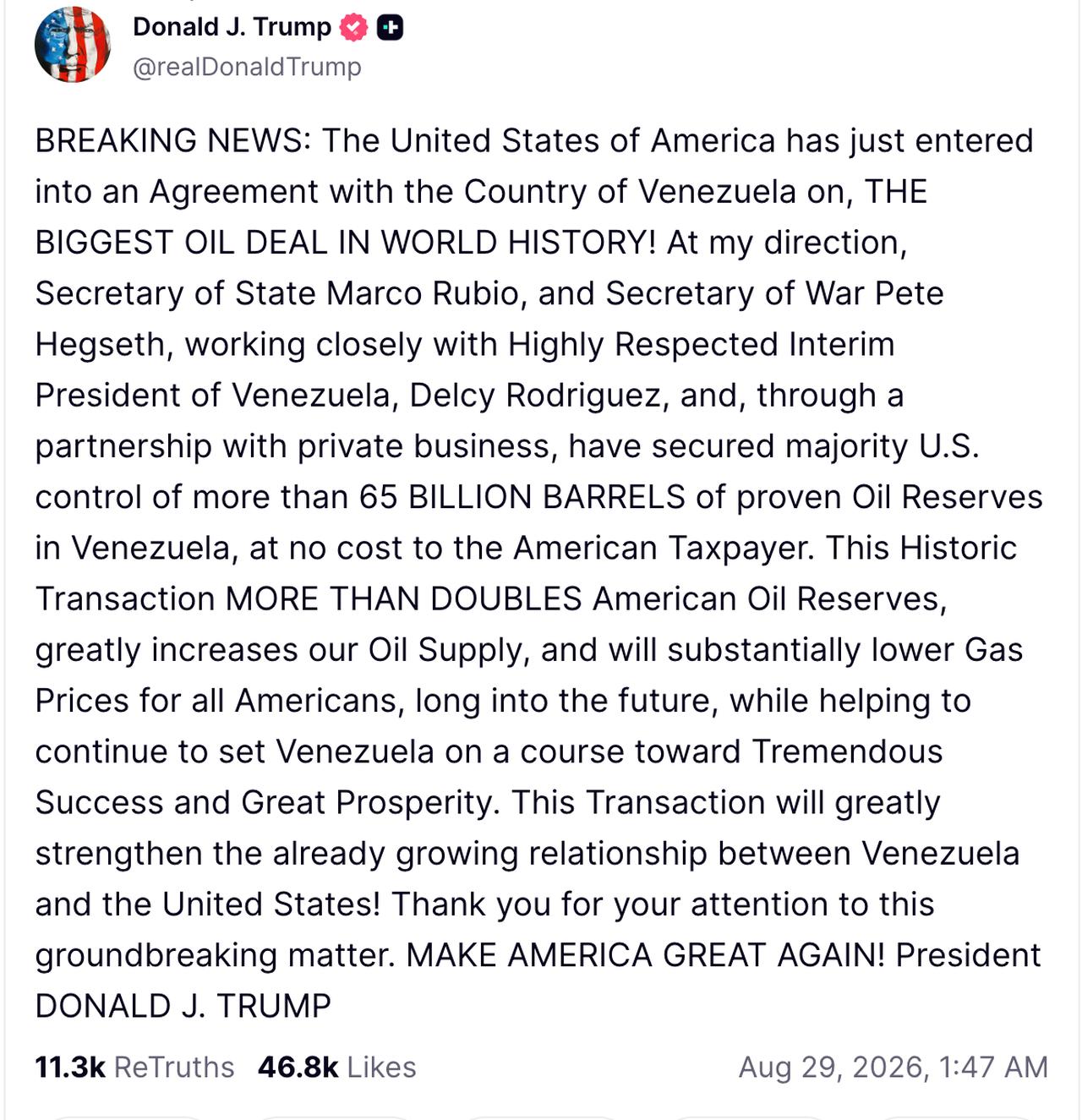

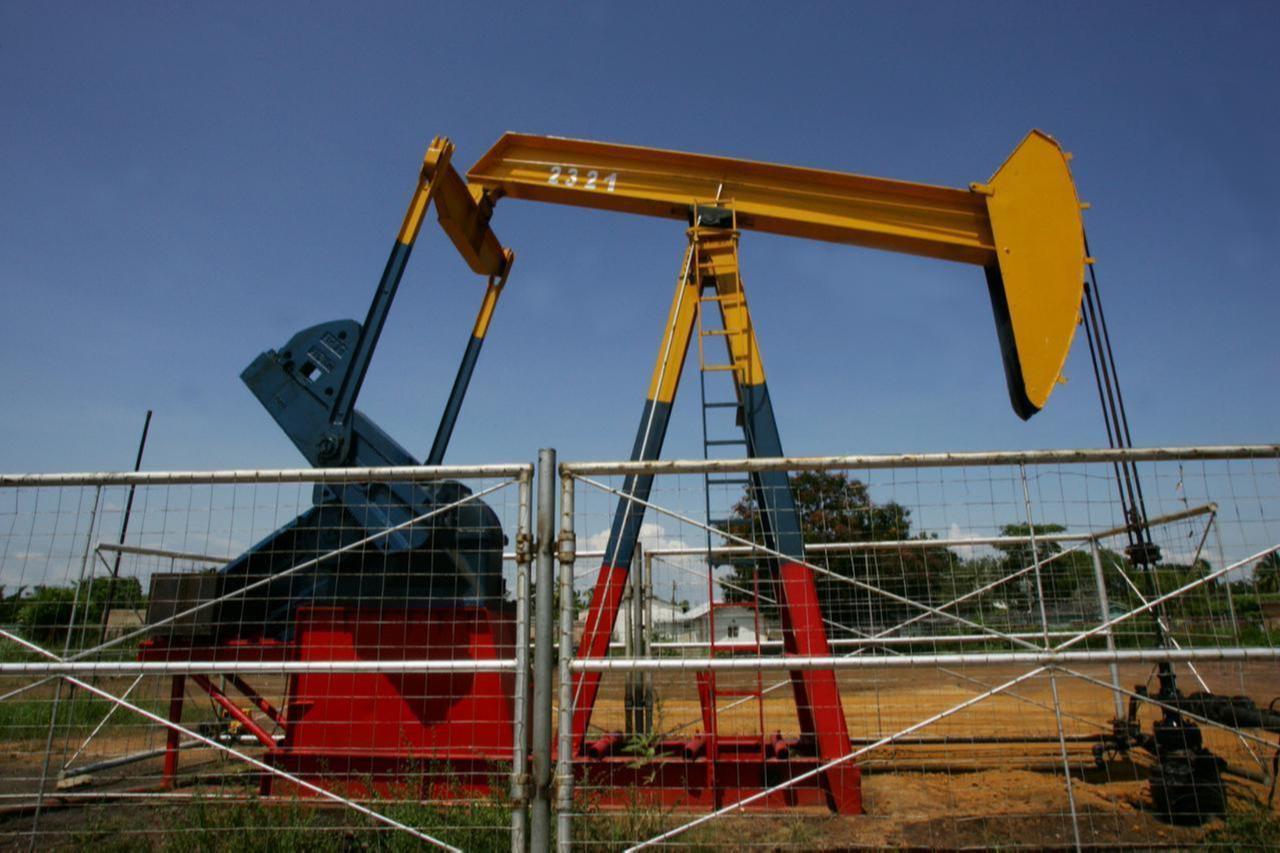
The terms themselves are worth sitting with. A 100-year lease over 17 oil fields, covering 65 billion barrels of proven reserves, more than a fifth of Venezuela's total.
The resulting joint venture becomes, on paper, the second-largest reserve holder on earth. Washington acquires effective control over 55% of the output, including the right to purchase crude at cost price to replenish the Strategic Petroleum Reserve.
The century-long duration is where the historical vertigo sets in.
Standard concession and production-sharing agreements in the global industry run 20 to 30 years, with options extending to perhaps 40.
One hundred years is not an industry norm; it is a colonial-era relic, the kind of arrangement that characterized the Anglo-Persian Oil Company in 1901 or the early Venezuelan concessions before the 1976 nationalization that this deal effectively reverses.
In the global upstream sector, governments typically capture between 70 and 90 percent of total financial returns—the "government take"—through royalties, taxation, and profit oil. A 45% private stake in the operating vehicle would, under normal circumstances, represent extraordinary generosity from a host state. Under these circumstances, it represents something else.
Harvard economist Ricardo Hausmann did not take long. The deal is "unconstitutional," he said, pointing to the Venezuelan Constitution, which declares hydrocarbon deposits inalienable property of the Republic and reserves the petroleum industry for the state. The interim government's recent decision to cut royalties from 30 to 20%, made before this announcement, now reads less like a coincidence.
Every century pact needs a private operator. The White House, in its official framing, declined to name one. That omission is itself a kind of signal.
Investigative circles and regional analysts have identified Alejandro Betancourt Lopez, head of North American Blue Energy Partners—Venezuela's second-largest private oil firm—as the figure behind the unnamed 45% stake.
Betancourt is a quintessential bolichico: one of the Venezuelan businessmen who built fortunes through intimate access to the Chávez government's patronage apparatus. He is accused of participating in a $1 billion theft from PDVSA, Venezuela's state oil giant.
Switzerland has issued an arrest warrant for money laundering. Spain's National Audit reopened a case against him as recently as last June on charges of money laundering and tax fraud. He is, by any conventional measure, the kind of partner that compliance departments at major oil companies flag before the first paragraph.
Under Delcy Rodriguez's interim administration, Betancourt's company expanded its production from 18,000 to nearly 200,000 barrels per day. His London residence has become a minor symbol of Venezuela's modern oligarchic class, the Chavismo-adjacent rich who thrive regardless of which faction holds Miraflores.
Secretary Rubio has spoken of $100 billion in private investment flowing into Venezuelan fields.
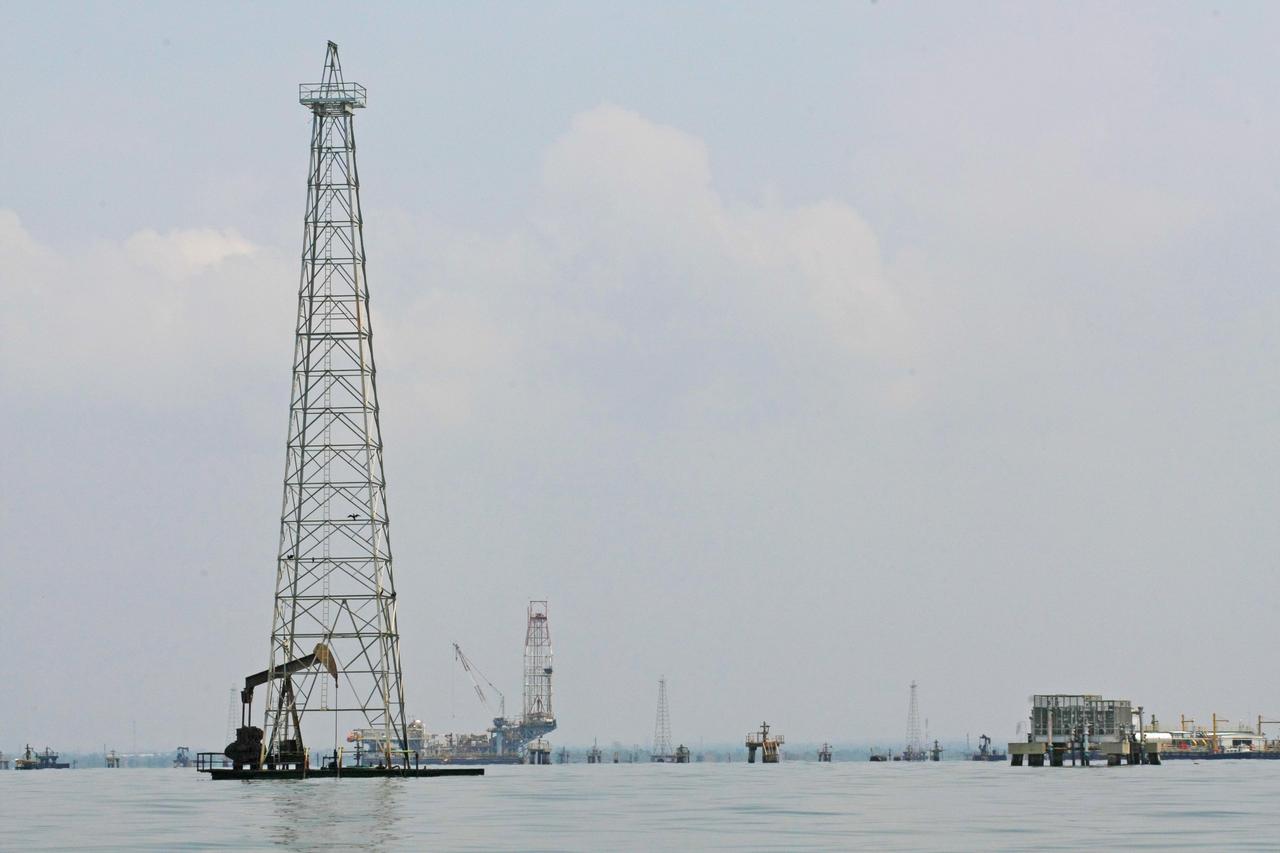
The 17 fields in question are largely devoid of functioning infrastructure; what does exist has been comprehensively destroyed by a decade of underinvestment and sanctions. Closing that gap requires capital, and capital requires confidence that the returns will be honored.
Democratic Senator Tim Kaine called the arrangement "corruption at epic scale." Senator Chris Van Hollen accused the administration of "putting service members at risk to get Venezuelan oil for his billionaire buddies."
The anxiety around the deal's durability is its real obstacle. A group of Democratic members of Congress has already written to U.S. oil companies warning them that any investment predicated on this arrangement could be invalidated by a subsequent administration.
Exxon Mobil and Chevron declined to comment on the announcement at all. David Oxley at Capital Economics noted that American oil companies may simply find "more enticing commercial opportunities elsewhere."
On the Republican side, Senator Bernie Moreno offered a bleaker logic in defense: without this deal, he argued, Venezuelan oil would be going to China at half price.
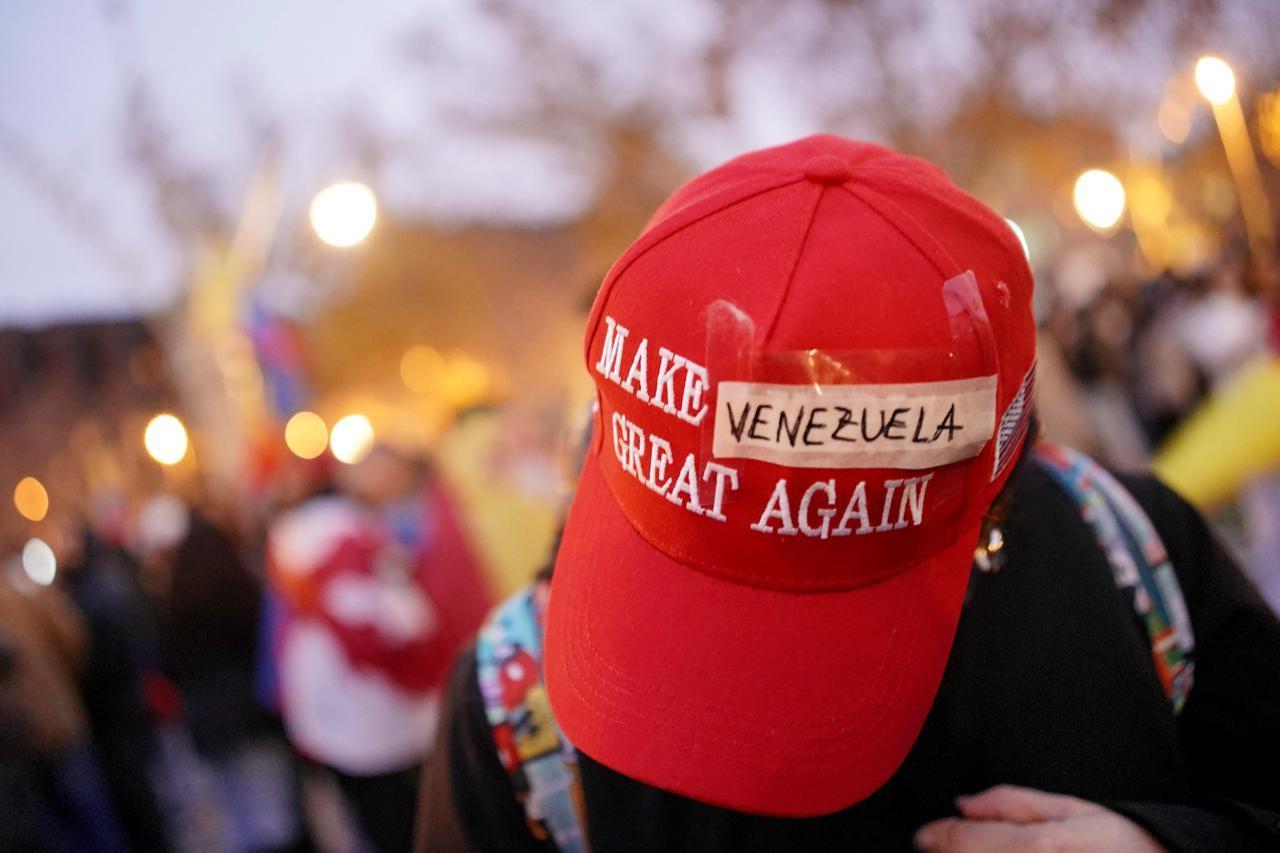
This is not, it should be said, a new script. When the Trump administration needed to justify continued Ukraine support to a skeptical MAGA base, it announced a deal to exploit Ukrainian rare earth minerals.
That agreement, signed with considerable fanfare, has produced zero real-world effect. The Venezuelan pact follows a similar structural logic: loud announcement, contested legality, and an implementation timeline that comfortably outlasts the news cycle.
The market arithmetic is unsparing. At the current production of 1.1 to 1.2 million barrels per day, Venezuela would need at minimum three years of sustained, massive investment to add 500,000 barrels per day—and that is the optimistic scenario.
Half a million barrels is not nothing, but in a global market where the upstream sector invested more than $6 trillion between 2014 and 2020, it is close to a rounding error. It will not meaningfully move gasoline prices in the United States before November. It will not move them perceptibly before the next presidential cycle.
Trump announced that the deal would "substantially reduce gasoline prices for all Americans." The Wall Street Journal ran that in the subheading. The expectation is the point, not the barrel.
Management of the U.S. stake in the joint venture is set to fall under the Pentagon's Office of Strategic Capital, an institution designed to address supply chain vulnerabilities, not to run oil companies.
The signal is that this is being framed, at least internally, as a national security infrastructure play: bringing a significant crude supply source physically closer to the American mainland, inside a security umbrella that major corporations like Chevron could eventually inherit or partner within.
That is not an absurd long-term objective. Reducing dependency on Middle Eastern supply lines has genuine strategic logic.
Whether a century-long lease signed by an unelected interim government, with an unnamed private partner under international legal scrutiny, is the instrument capable of delivering that objective is a different question entirely.
Though the pact's vulnerabilities are real, it resembles a new corner in the new arena being built for the future.
A century is a long time to bet on any geopolitical order holding. It is an exceptionally long time to bet on this one, as both Washington and Caracas will witness how strongly the Trumpian-era order currently under construction will hold up throughout history.


 Set as preferred source
 Set as preferred source


 1 min read
 1 min read