Newsletters


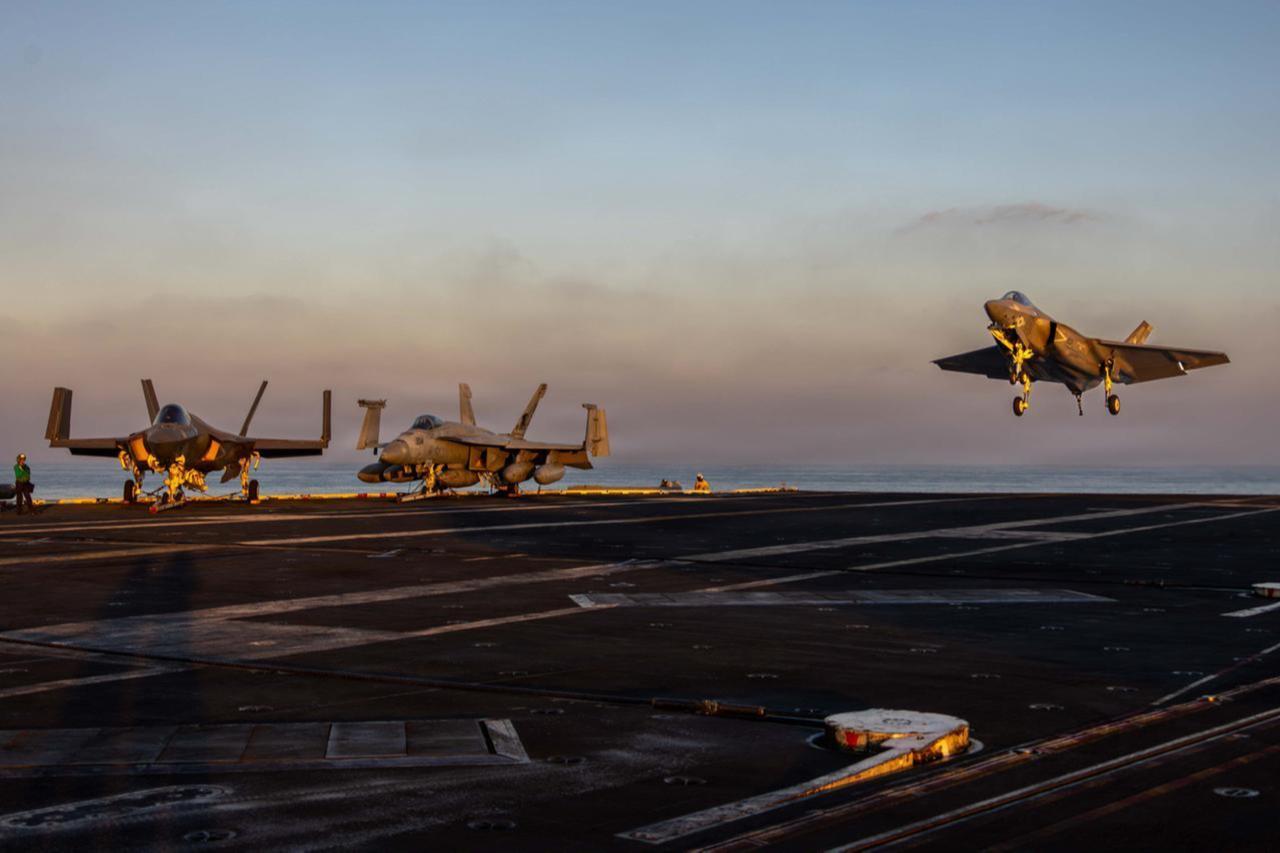


Israel ultimately launched the war it had long sought against Iran, leveraging President Trump’s support and Iran’s weakened regional position. The conflict highlighted the limits of Trump’s “America First” approach, which prioritized backing Israel—unlike the Biden administration, which in April and October 2024 had tried to restrain Israeli retaliation and prevent a regional war.
The war quickly turned into a matter of numbers. Reports in the United States highlighted declining interceptor stockpiles and their high cost, suggesting the conflict would favor those able to sustain interceptions and replenish defenses quickly.
Even during the 12-day war in June 2025, the United States used roughly 25% of its THAAD interceptor stockpile—systems that take years to replace—while assessments suggested U.S. defenses could withstand only about two weeks of sustained Iranian missile barrages.
This air war also exposed vulnerabilities in the regional air defense architecture established under U.S. leadership through cooperation among Israel, the United States, and Arab partners. As Iranian strikes spread across the Gulf, the war became the first large-scale test of this emerging network and revealed the risks it poses for the states hosting it.
These dynamics, along with the perception that the United States failed to adequately protect Gulf countries, are now forcing Gulf governments to question the sustainability of their heavy reliance on the U.S. security umbrella.
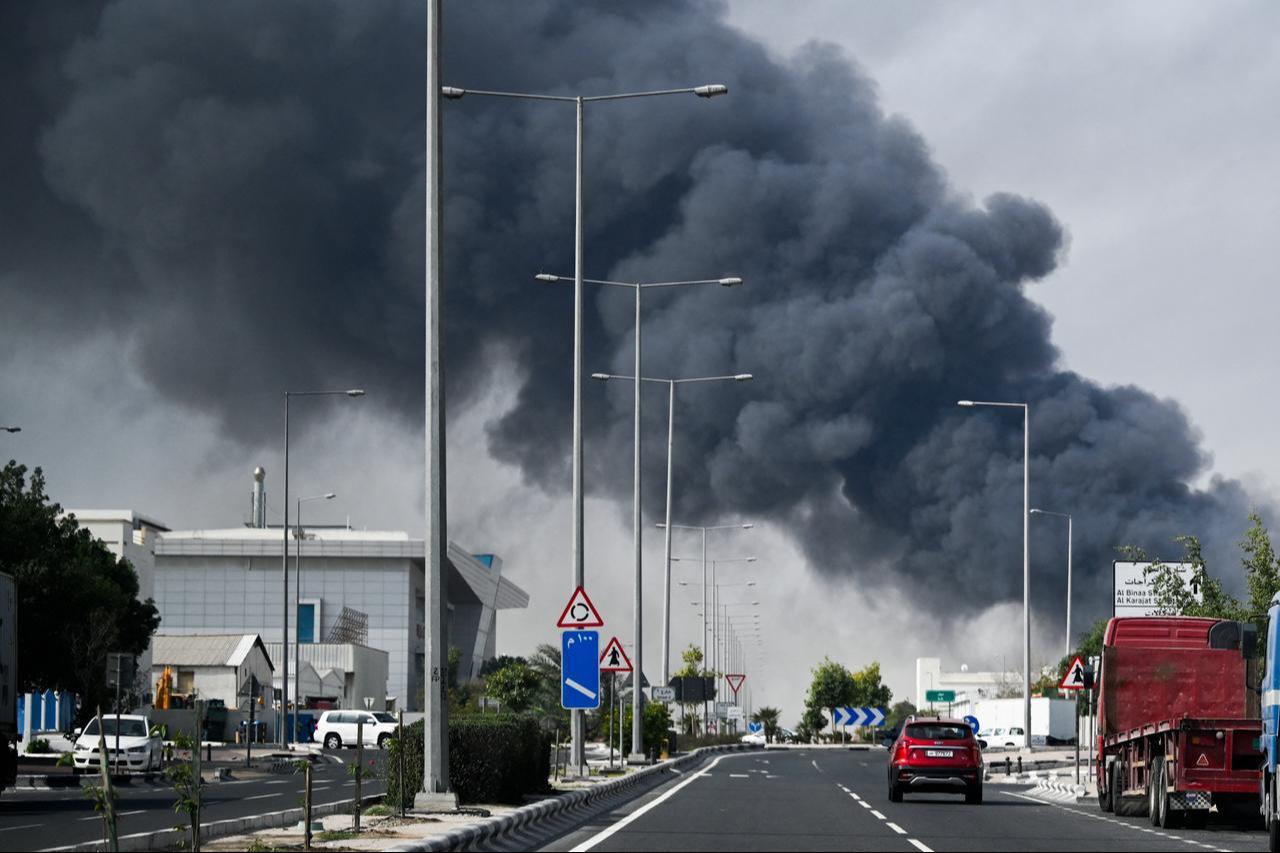

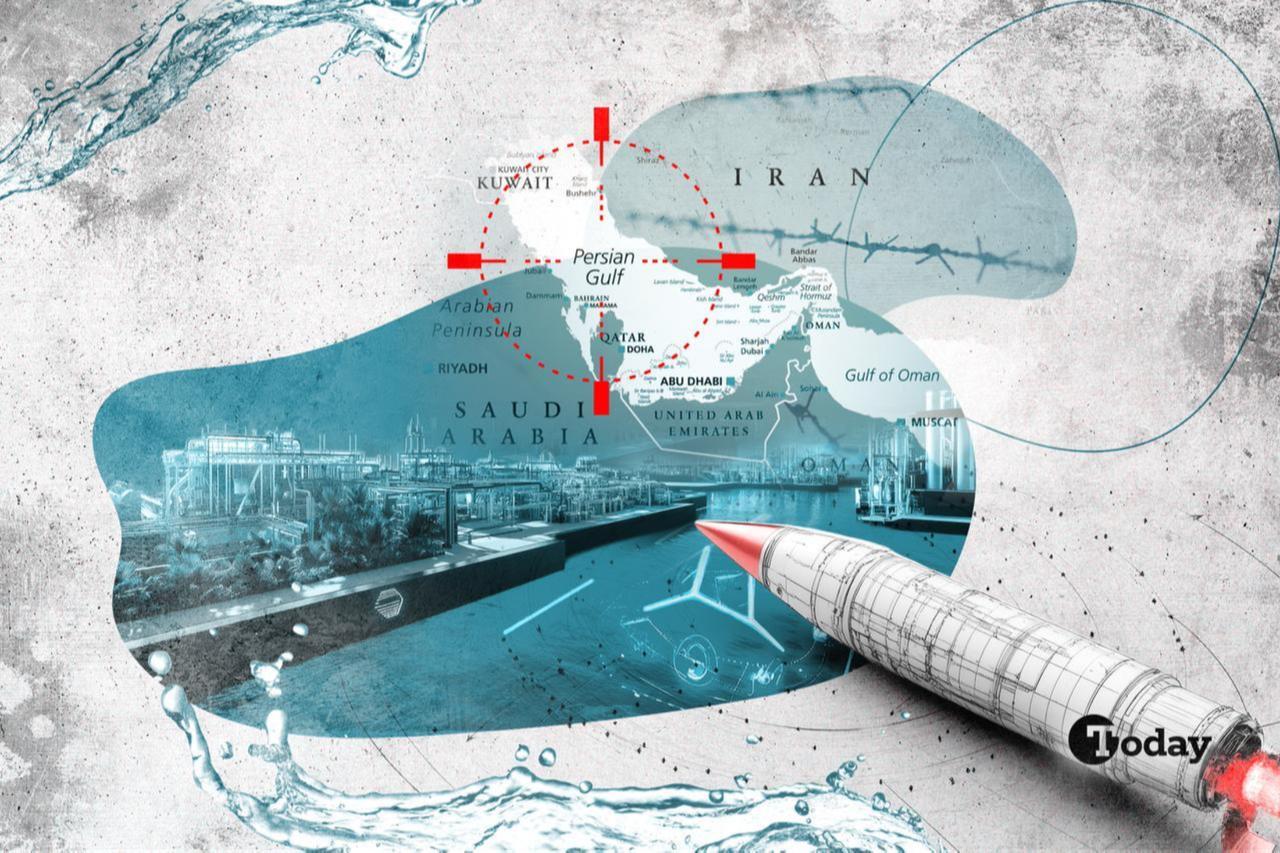
As Iran had warned since the 12-day war, it expanded the conflict regionally—targeting U.S. military as well as civilian, and critical infrastructure across Gulf countries, aiming both to pressure Gulf governments to influence Washington.
During the first 13 days of the war, Gulf air defenses intercepted hundreds of incoming threats—including more than 780 missiles and over 2,300 drones—highlighting that Iran fired significantly more projectiles at the Gulf states than at Israel.
Since Iran’s 2019 attack on Saudi oil infrastructure, Gulf states invested billions in missile-defense systems and joined the U.S.-led regional air defense network with Israel.
Yet despite these preparations—and despite again closing their airspace and bases to Israeli and U.S. aircraft—they still found themselves under intense fire.
The attacks turned the Gulf into a real-time test of missile defense. Iran reportedly targeted THAAD radars and early-warning systems across the U.S. regional defense network to weaken interception capabilities, shorten warning times, and increase the chances that its missiles could penetrate layered U.S. and Israeli defenses.
Following the Abraham Accords and Israel’s transfer from EUCOM to CENTCOM in 2021, several Middle Eastern countries joined the U.S.-led Middle East Air Defense Alliance (MEAD) in 2022, integrating radars, early-warning systems, and interceptors into a regional defense network coordinated from Al Udeid Air Base in Qatar.
Although Saudi Arabia did not formally join MEAD, it supported Israel in April 2024 alongside Egypt, Qatar, and Jordan by sharing radar data, opening its airspace, and deploying aircraft.
After Israel’s April 1 strike on Iran’s consulate compound in Damascus killed senior IRGC commanders, Iran retaliated on April 13 with about 200 projectiles launched over several hours.
A U.S.-led coalition under the regional air defense network—supported by several Gulf states, including Saudi Arabia, opening its airspace and deploying its own aircraft and air-to-air missiles despite the Gaza war—intercepted most of the attack, with only nine missiles striking Israel.
After Israel killed senior Hamas and Hezbollah leaders, Iran launched a second direct strike in October 2024, when 35 ballistic missiles penetrated Israeli defenses as the attack unfolded within minutes rather than hours.
Arab partners avoided direct participation for fear of retaliation, leaving the United States and Israel to respond while intelligence and radar data continued to be shared through the regional network.
The U.S. urged Israel to respond proportionally and denied use of U.S. refueling tankers, avoiding direct American involvement. The October attack revealed the destructive potential of Iran’s ballistic missile arsenal against Israel.
During the 12-day war in June 2025, the U.S.–Israel partnership intercepted roughly 85% of Iran’s 273 missiles—though 49 still struck Israel—while Arab and European partners again contributed to regional air defense, intercepting drones while Jordan and Saudi Arabia opened their airspace for foreign aircraft without directly participating in attacks.
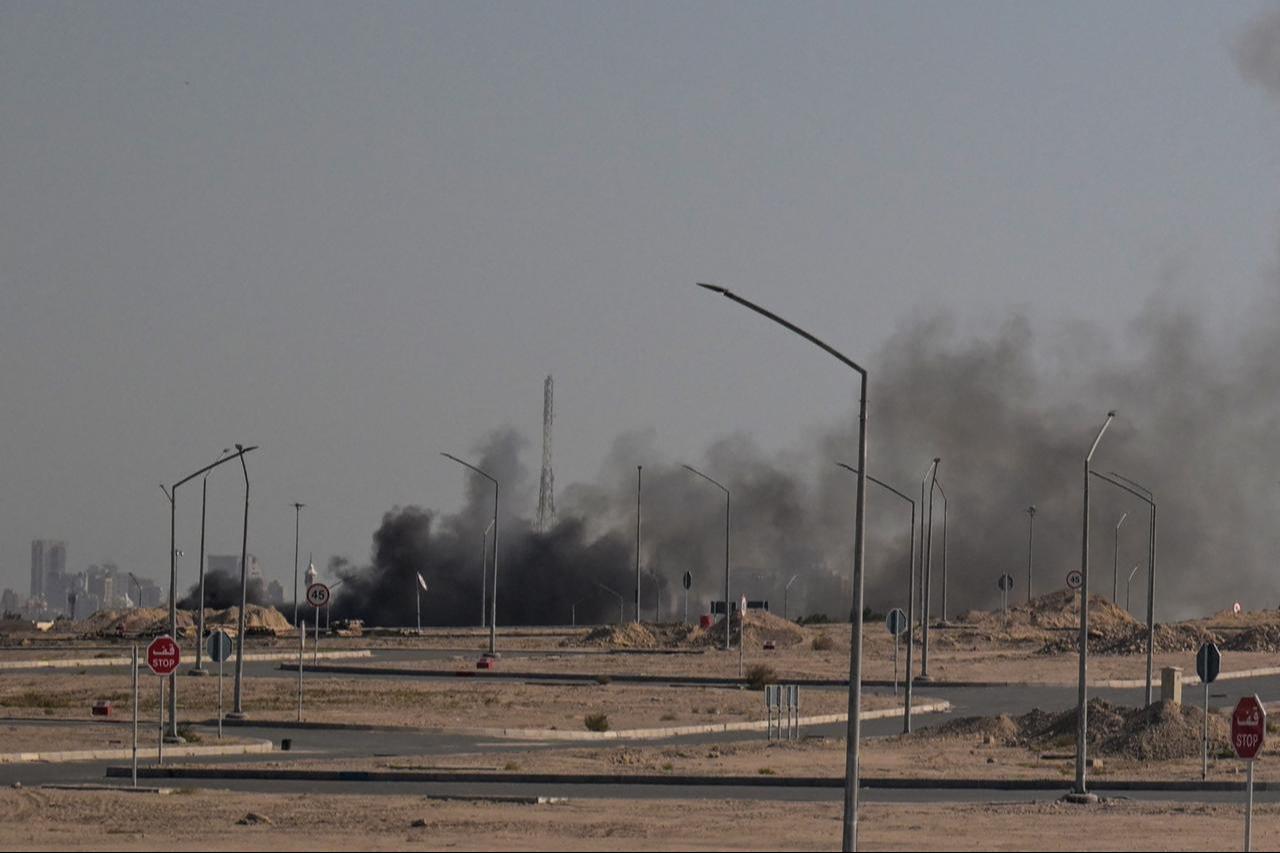
Recent attacks have hit Gulf states harder than Israel because their proximity to Iran places them well within the reach of short‑range missiles and gives them less warning time to respond.
Although the United States deployed additional THAAD and Patriot systems to regional bases, many in the Gulf questioned whether these defenses were primarily designed to protect Israel as part of the broader U.S. regional security architecture.
While interception rates demonstrated the effectiveness of the integrated network, the targeting of U.S. military facilities and advanced defense infrastructure also exposed their potential liabilities for host countries.
As the perception grows in the Gulf that they are paying the price for a war shaped by Israel’s interests—one they neither initiated nor supported—unease is rising. Their prewar warnings were ignored, war plans were not shared in advance, and the operation appeared to prioritize protecting U.S. and Israeli forces. At the same time, the United States is seen as failing to adequately protect them from attacks.
They also fear that neither the United States nor Israel will achieve a decisive victory and worry about the instability that could follow a sudden collapse of the Iranian regime.
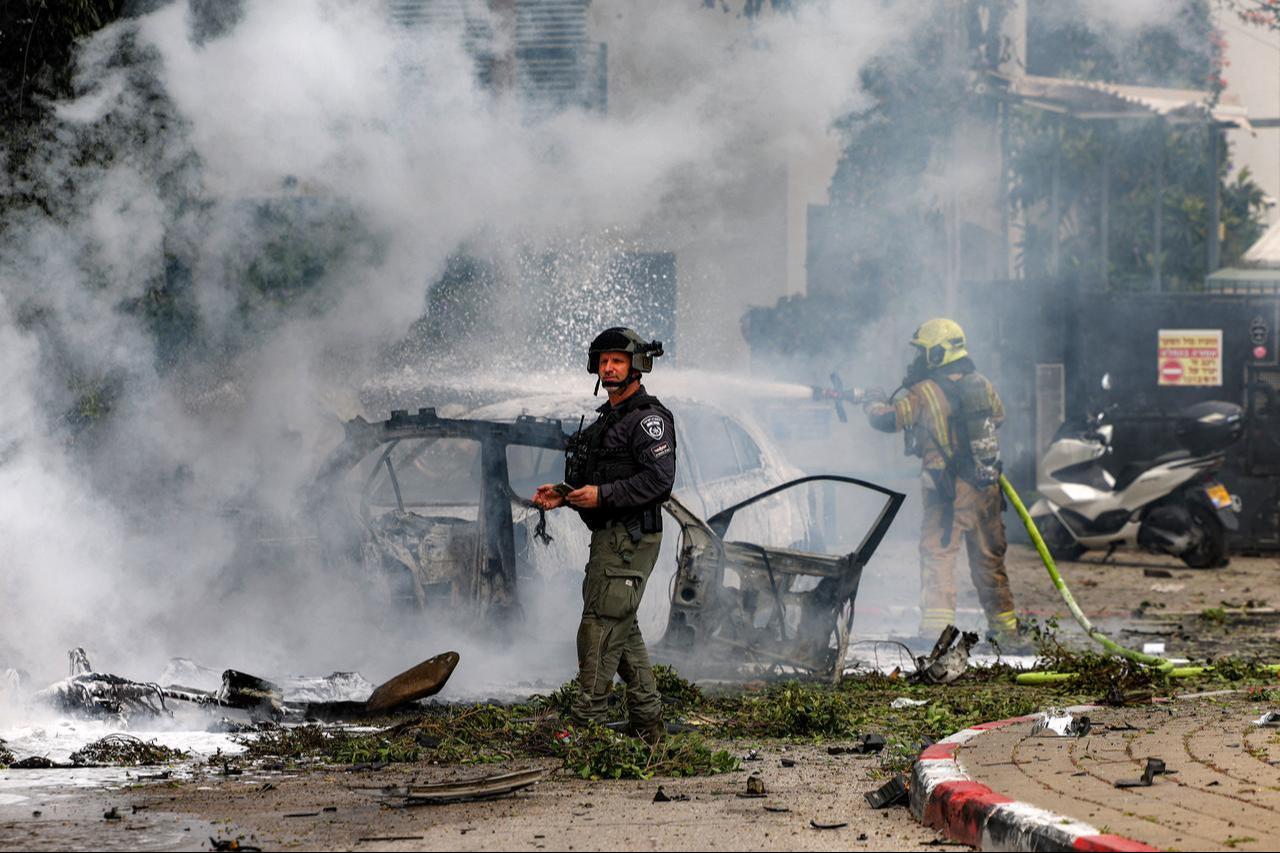
The war has exposed the limits of Gulf security dependence on Washington. Unless the war drags on for months and forces Gulf states to directly retaliate against Iran, the coming period is likely to see greater diversification and hedging in their security partnerships.
Whether this shift deepens will depend in part on whether Washington will treat the Middle East as a secondary theater, as reflected in its recent National Security Strategy.
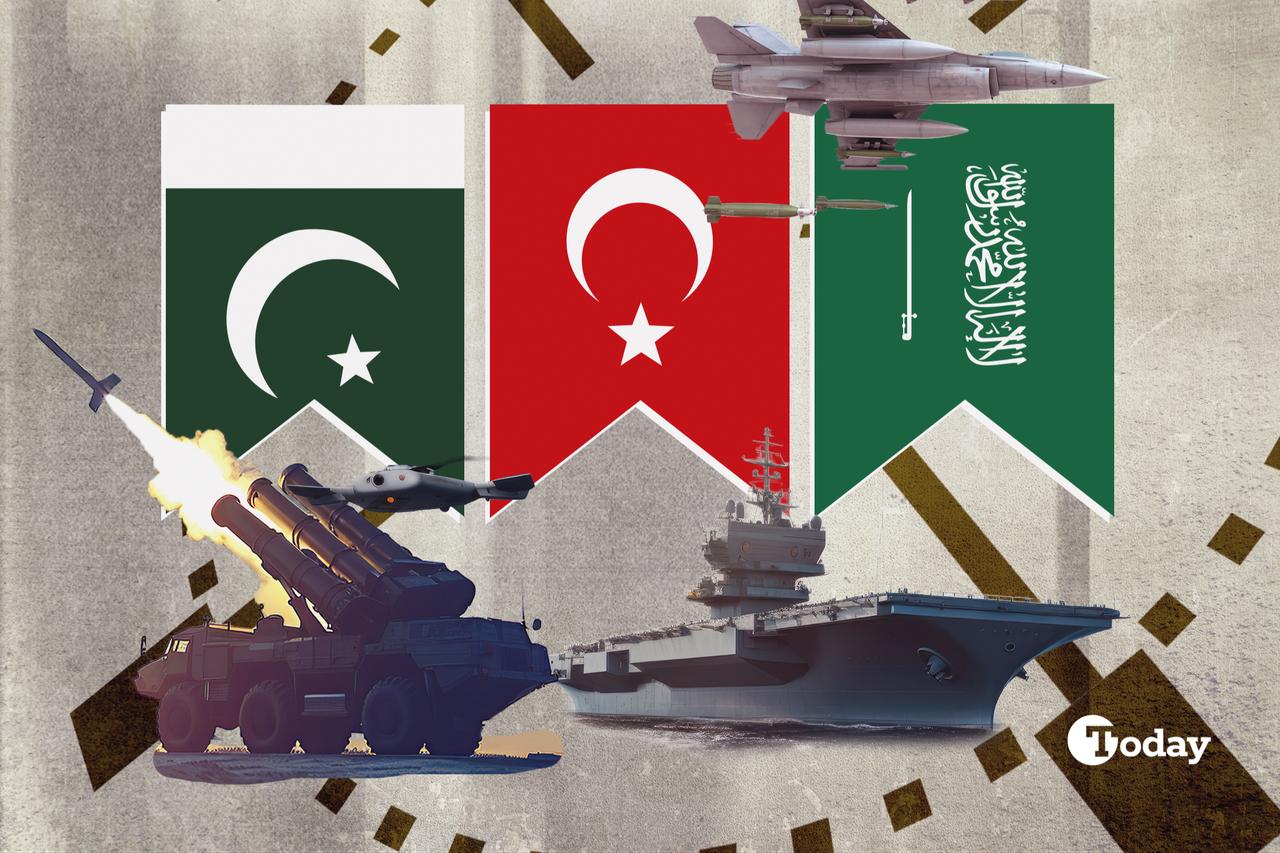
Saudi Arabia has already taken steps in this direction, including signing a defense pact with Pakistan. In the emerging regional balance, Gulf states are increasingly positioned between two rising security partners: Israel and Türkiye.
Several Gulf states already maintain defense partnerships with both countries. Whether growing security concerns will push these countries closer to Israel or toward Türkiye, a NATO member, remains to be seen.
These shifts could also expand China’s growing role in the Middle Eastern defense market. The war is also likely to revive long-standing efforts to build stronger indigenous defense capabilities in the Gulf. Proposals such as an "Islamic NATO" could gain new momentum.
If Türkiye and Israel were able to normalize relations and Gulf partners deepened cooperation with NATO frameworks such as the Istanbul Cooperation Initiative and the Mediterranean Dialogue, NATO could potentially serve as a platform for broader regional air defense integration—strengthening deterrence against Iran.
Without such cooperation, Gulf states may feel compelled to choose between security partnerships with Türkiye or Israel.


 Set as preferred source
 Set as preferred source


 2 min read
 1 min read