Newsletters


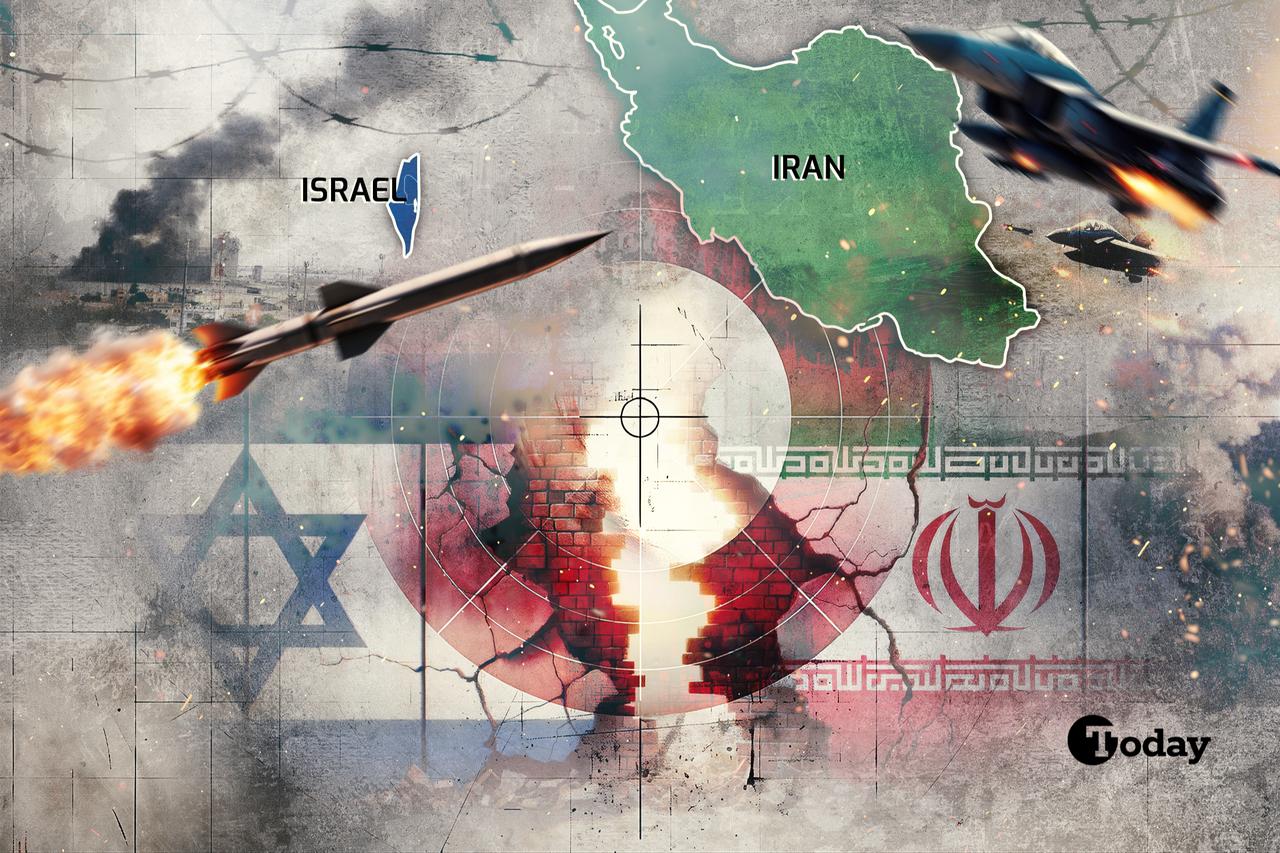


It was the kind of day that makes generals itch, and politicians reach for a match. On Feb. 28, 2026, the bombs went east, and the rhetoric went west, and somewhere in the middle of the shop-worn Persian Empire, another old idea died another dusty death. America can drop high explosives on a country and call it liberation.
The pitch came gift-wrapped by Donald Trump, broadcast on Truth Social like a neon sign flickering over a pawnshop. He told the people of Iran that their nation “will be yours to take.” He ordered the mullahs and the Islamic Revolutionary Guard to “lay down your weapons or face certain death.” It was a sermon delivered with a tire iron in hand. Freedom by franchise. Democracy by drone.
We know how this story goes.
A big man with a bigger mouth walks into a dark room, convinced he can rearrange the furniture with a gun.
The theory behind the invasion was as old as the empire. Strike hard enough, and the peasants will rise. The bazaars will empty, the clerics will scatter, the soldiers will throw down their rifles and join the parade. The regime will melt like cheap ice in warm whiskey. It sounds good in a briefing room. It looks even better in a poll. Perfectly made for television.
But peasant revolts don’t work that way in the Middle East. They don’t bloom on cue because a foreign power says it’s springtime. Nationalism is a stubborn weed. It doesn’t grow best in bomb craters. When the sky fills with someone else’s aircraft, even men who hate their rulers can find religion in the flag.
The mullahs have run Iran for decades with a mixture of theology and thuggery. They’ve built a state that knows how to jail a poet and hang a traitor before breakfast. They have survived sanctions, sabotage, and a steady diet of American promises. They understand siege psychology better than any consultant in Washington or talking head on Miami morning television. When attacked, they do not fold. They point to the smoke and say, “See? We told you.”
Trump’s Truth Social screed sounded like a movie trailer for a war that forgot to write its third act. “Will be yours to take,” the Donald told some 93 million Iranians from his poolside perch at Mar-a-Lago
Take it from whom?
From men with guns who have spent their lives preparing for this exact moment? From a security apparatus that has files thicker than the Bible and memories longer than the desert? Revolutions are not real estate closings. You don’t get the keys because a foreign bidder says the price is right.
There was also the small matter of paperwork. The war arrived without the courtesy of authorization from the U.S. Congress. In civics textbooks, that detail matters. In practice, it’s a footnote written in disappearing ink.
When missiles fly, parchment burns quickly.
Officially, the invasion was about security, about stopping a threat before it grows teeth. Unofficially, it smelled like low-cost cologne. Back home, the Epstein files had been crawling across headlines like ants at a picnic, dragging uncomfortable names into the light. Distraction is the oldest trick in politics. If you can’t change the subject, change the skyline.
Across the Mediterranean, the timing had its own cheap perfume.
In Israel, Prime Minister Benjamin Netanyahu has been juggling court dates along with coalition votes, facing criminal prosecution on corruption charges that cling like melted Domino’s Pizza toppings. A regional conflagration has a way of rearranging priorities. Judges grow cautious. Critics grow patriotic. The news cycle develops tunnel vision.
None of this proves conspiracy. It doesn’t have to. Politics is less about secret meetings in dark garages and more about converging interests in well-lit offices. A leader in trouble at home can find clarity abroad. A war can be a fog machine. Blur the edges, soften the crust, and make hard questions harder to ask.
And then there was the music. On the day the first bombs fell, the radio stations were already playing tributes to Neil Sedaka, who had just taken his final bow. His old hit, “Breaking Up Is Hard to Do,” floated through the airwaves with that bright, jangling optimism only the early sixties could manufacture. It was meant to be about young love gone sour. It became, by accident or fate, the anthem of a geopolitical divorce.
Breaking up is hard to do. Especially when you’re breaking up a region with bunker-busters. Especially when you’re telling those hunkered underground in fear that the future is “theirs to take” while foreign jets write punctuation across their sky. It’s easy to start a breakup. It’s the aftermath that keeps you up at night.
History offers a gallery of men who believed that external shock would trigger internal reform. They are mostly remembered for the shock. Regimes built on repression do not collapse because outsiders scold them. They collapse when insiders decide the cost of loyalty exceeds the cost of betrayal. Bombs raise the cost of betrayal. The blasts make dissent look like treason.
There is also the arithmetic of blood. “Lay down your weapons or face certain death,” Trump warned. That’s a line that sounds decisive in a social media post. On the ground, it translates into neighborhoods turned into chessboards and young conscripts convinced that surrender equals extinction. When death is promised, resistance becomes rational.
The invasion’s champions spoke of a quick campaign, of precision and inevitability. Wars advertised as quick often discover their length in the rubble. Even if the mullatory endures and it probably will, it will survive meaner, tighter, and more convinced of its own narrative.
If it falls, it will not be because a cosplaying America’s Commander-in-Chief handed out permission slips for revolution. It will be because Iranians, in their own time and on their own terms, decided the mullahs were a bad investment.
Until then, the desert keeps its secrets. The speeches echo and fade. The headlines move on to the next fire. And somewhere, under a sky that has seen too many contrails, a transistor radio plays an old pop song about how hard it is to say goodbye. The irony is almost tender.
Breaking up is hard to do. Starting a war is easy. Ending one, especially the kind built on wishful thinking and convenient timing, that’s the part nobody ever quotes.


 Set as preferred source
 Set as preferred source


 7 min read