Newsletters


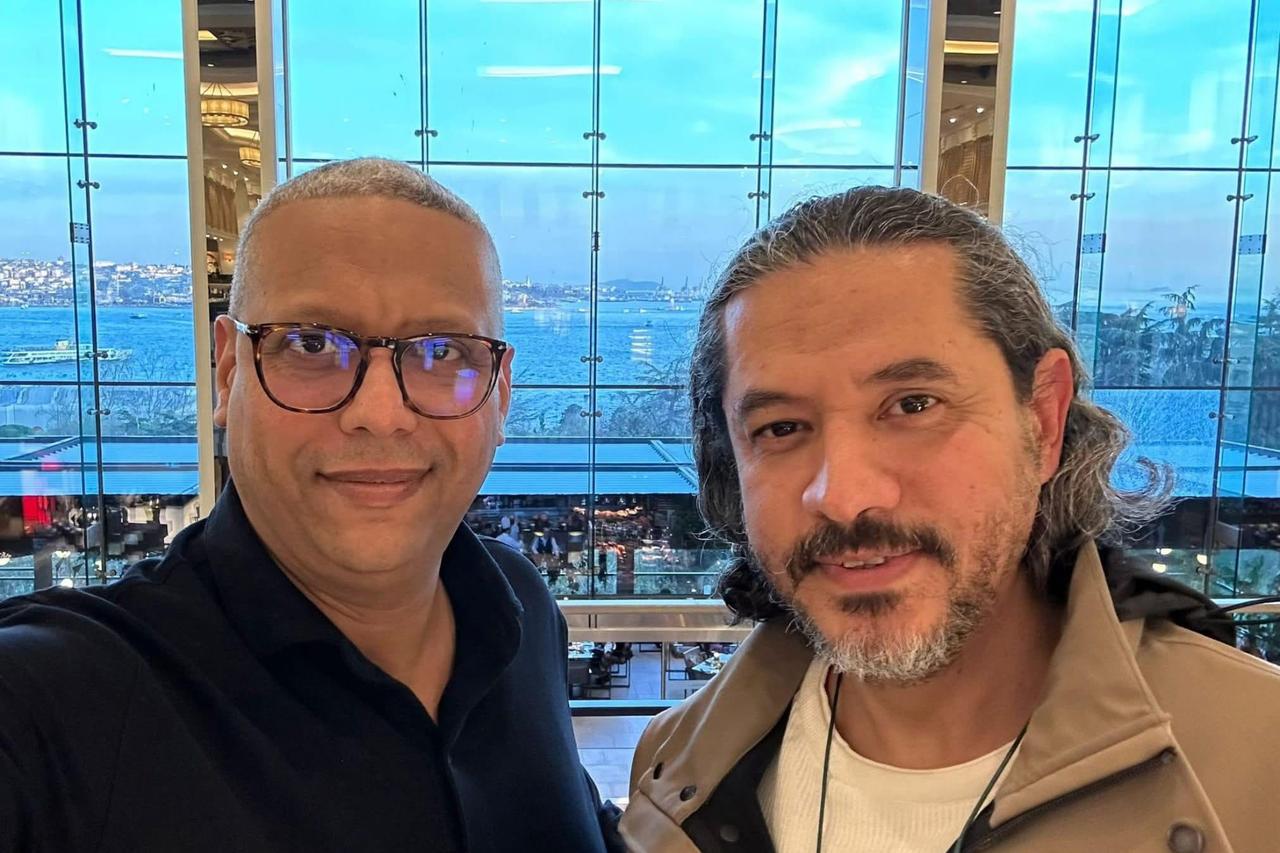


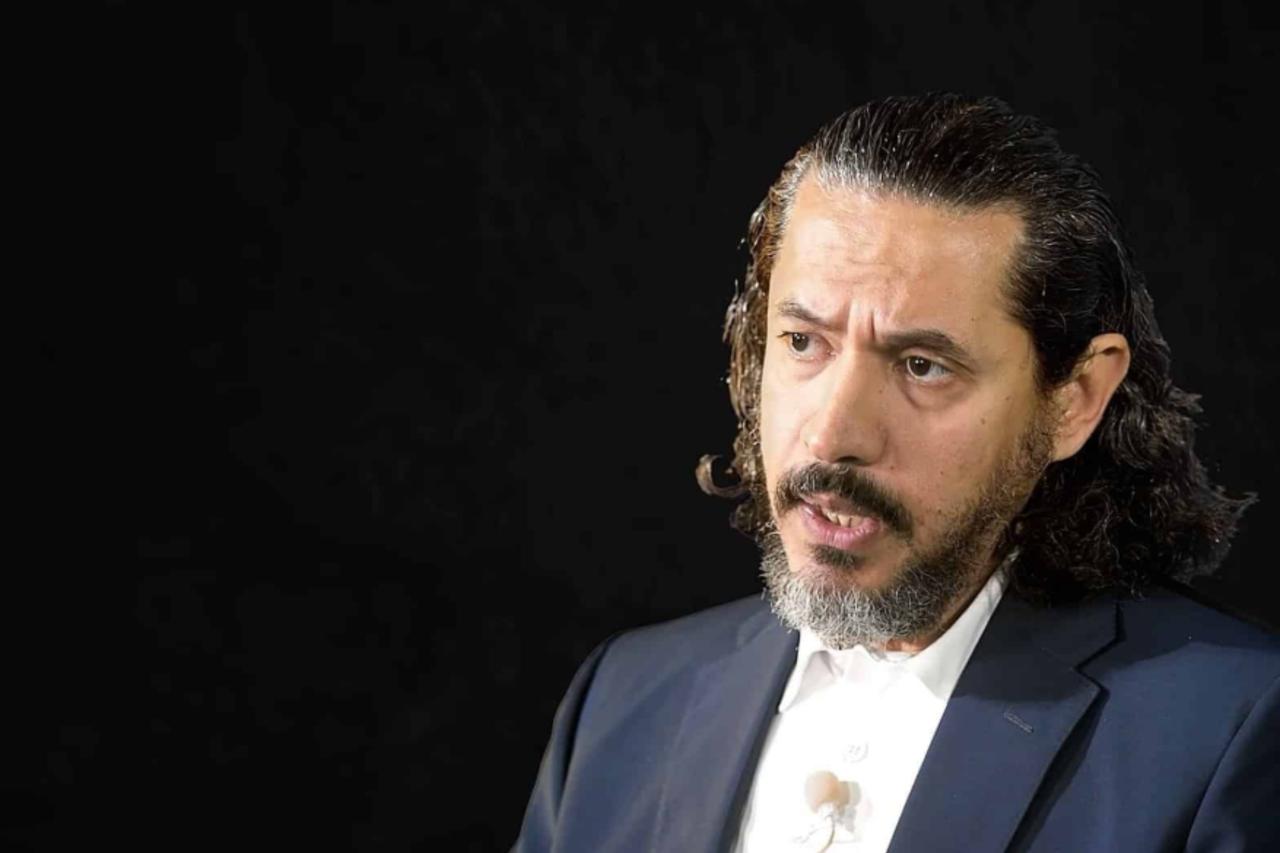
A year ago, social media platforms were abuzz with a video clip of the Egyptian-Turkish poet and opposition figure Abdulrahman Yusuf al-Qaradawi celebrating among crowds of Syrians in the courtyard of the Umayyad Mosque in Damascus.
The overwhelming joy etched on his face reflected a historic moment, but for those who know Abdulrahman closely, it marked the beginning of a new and painful chapter in the life of a poet who paid the price for his freedom and his alignment with the people.
Abdulrahman, a Turkish poet of Egyptian origin whose life moved between Doha and Cairo before settling in Istanbul, was not merely a conventional intellectual.
Lebanese authorities detained Abdulrahman on Dec. 28, 2024, following an extradition request from the United Arab Emirates linked to his political views.
In his quiet home near the “Leningrad” Forest, he lived a simple life divided between his three daughters and his five cats, honing his talents in the arts of cooking and the Turkish language, just as he excelled in critiquing the bitter Arab political reality.

Abdulrahman’s interests were not confined to “hard politics”; they extended to documenting the lives of classical poets for new generations, researching the political history of coffee in the Middle East, and even the secrets of Thai cuisine.
Yet it was the spirit of the “rebel” that had inhabited him since Mubarak’s departure in 2011 that drove him to fly alone to Damascus immediately after its liberation, in search of a moment of freedom among the “free.”
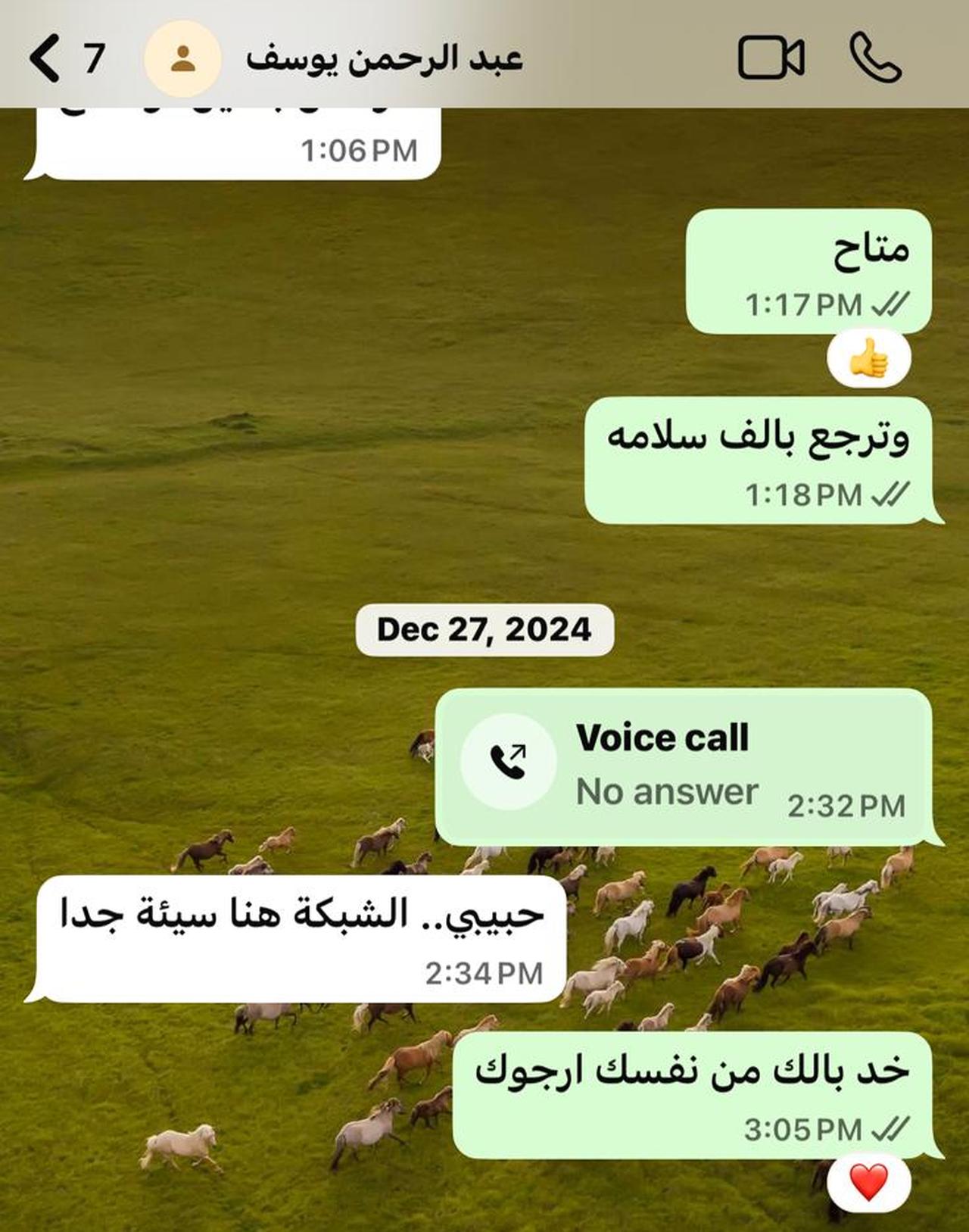
In an anxious phone call, I asked him, “Who sent you? And who is securing you?” His reply was shocking in its poetic simplicity: “I am here alone… I took a plane to Beirut and from there a taxi to Damascus.”
There were no complex calculations or media organizations behind him, only a poet who wanted to witness the birth of a new dawn in the “cradle of the revolution,” Daraa, and in its capital, Damascus.
But the “lie of the modern state” in the Arab world was lying in wait for him.
As he was preparing to return via Beirut Airport, he was detained on charges that did not exist at the time of his entry.
In a scene that trampled all international laws and norms, the government of Najib Mikati deported him on a private plane to Abu Dhabi, without filing formal charges or relying on sound legal procedures—something documented in the minutes of the Lebanese cabinet session itself.
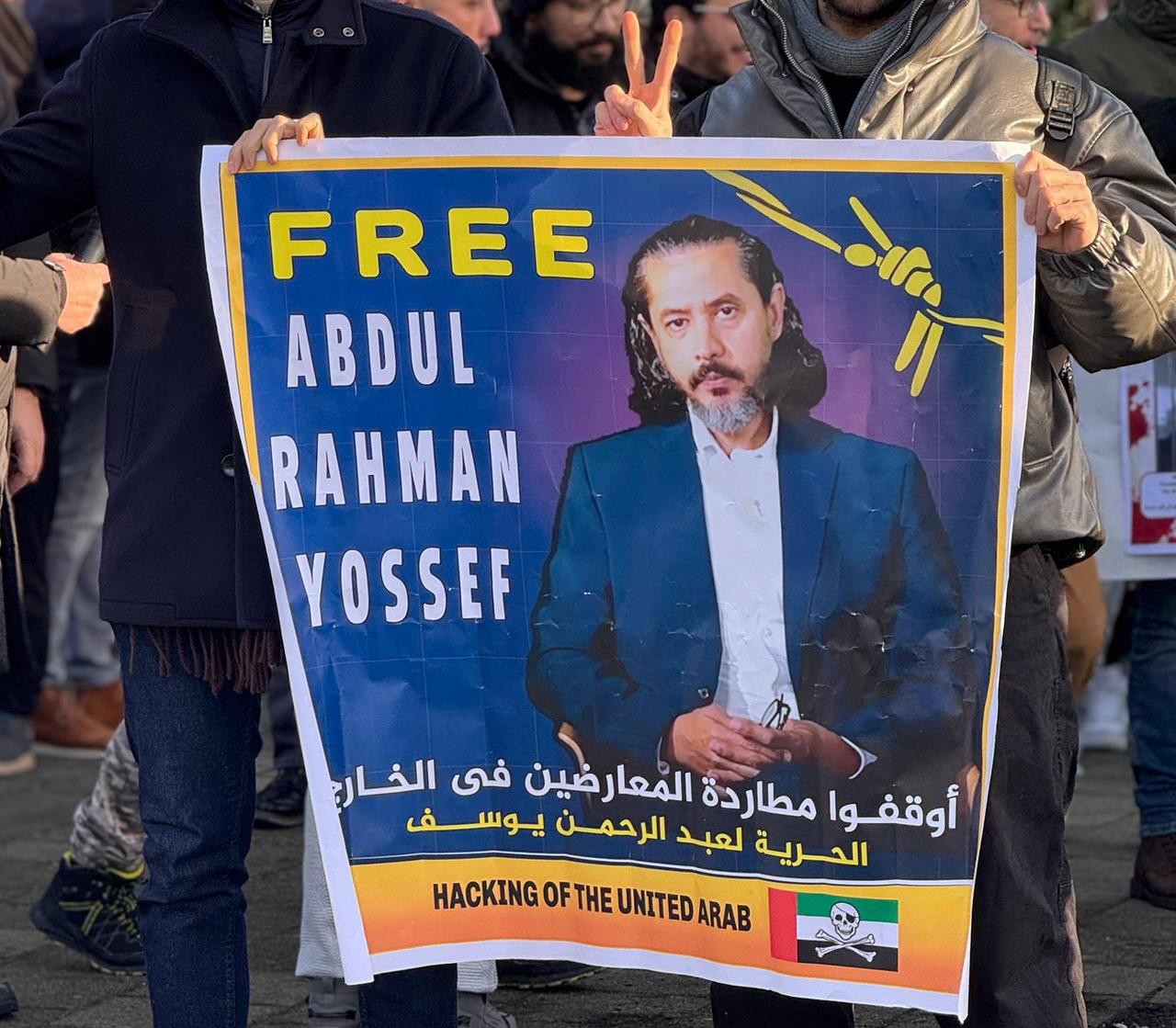
Today, Abdulrahman languishes behind bars in the United Arab Emirates without specific charges, except that his poetry or positions did not please certain officials.
His story thus transforms from an “individual tragedy” into a “revealing mirror” of the reality of the state in the Arab region, where laws, constitutions, and international covenants are nothing more than superficial facades that collapse at the first test of freedom of expression.
The matter does not stop at arrest alone; it extends to violations of digital privacy. Technical evidence—including WhatsApp conversations dated December 2024—shows that his personal phone was accessed twice during his interrogation in January and April of this year, confirming the systematic approach used to besiege the word even within its private spaces.
Abdulrahman, who wrote for freedom in Istanbul and Damascus, now faces the silence of the world in a case that encapsulates the poet’s struggle with the “encroachment of power,” which does not forgive those who dare to dream.


 Set as preferred source
 Set as preferred source


 1 min read
 1 min read