Newsletters


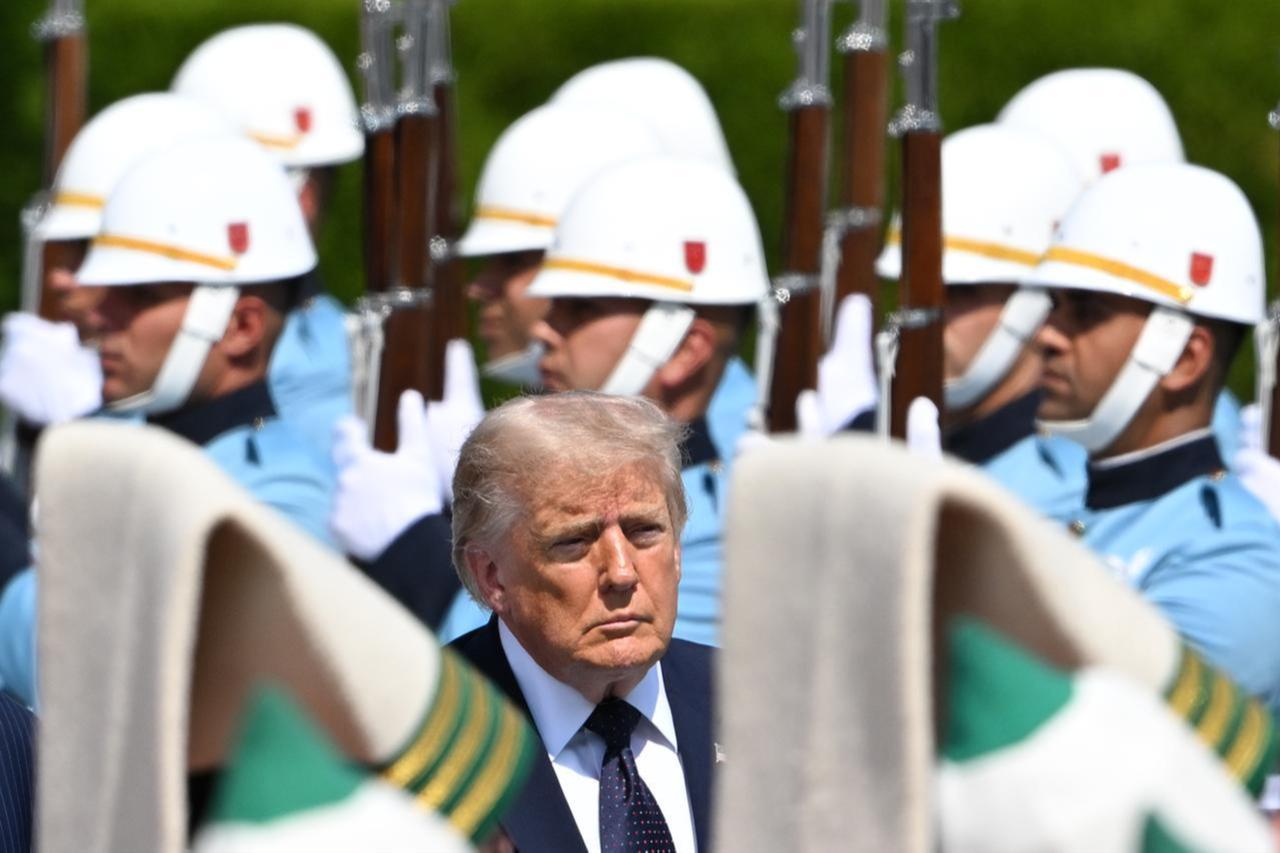


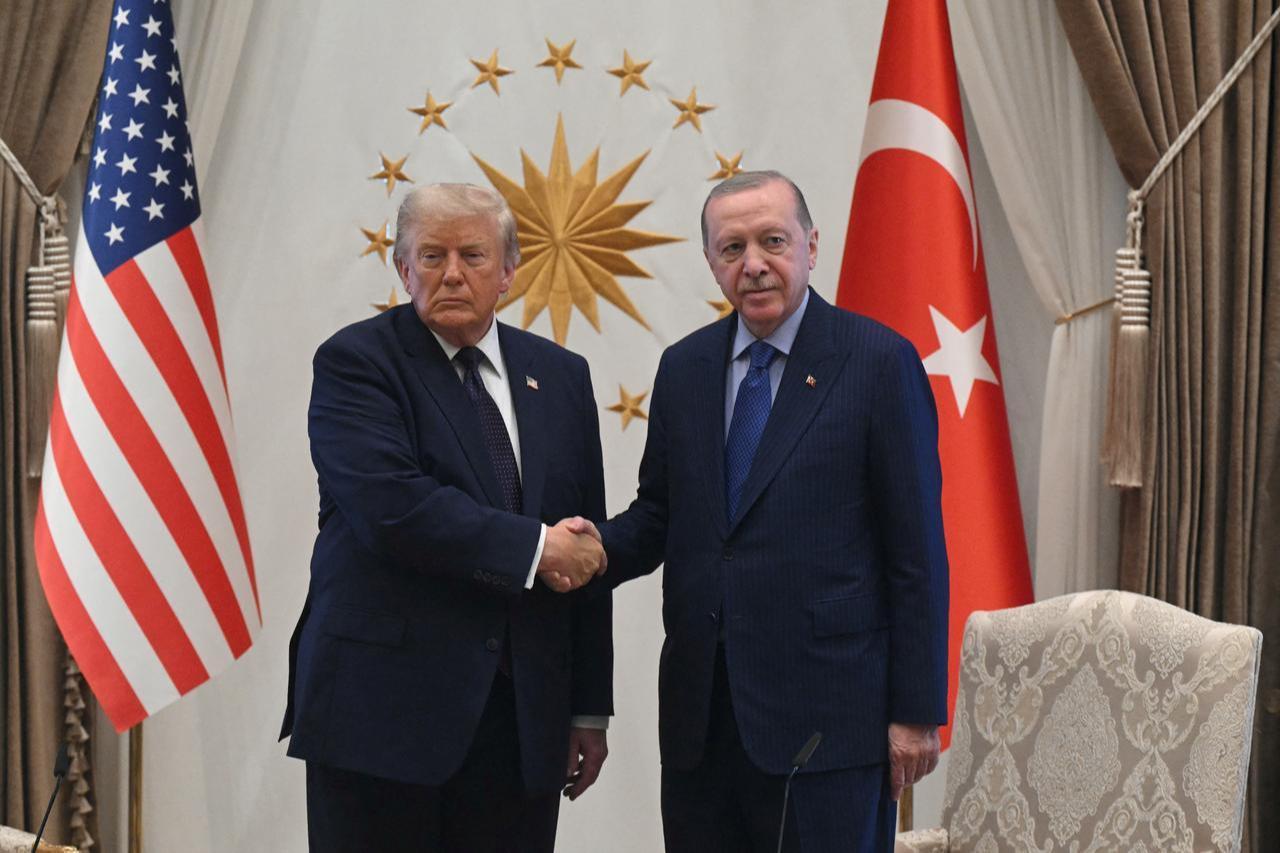
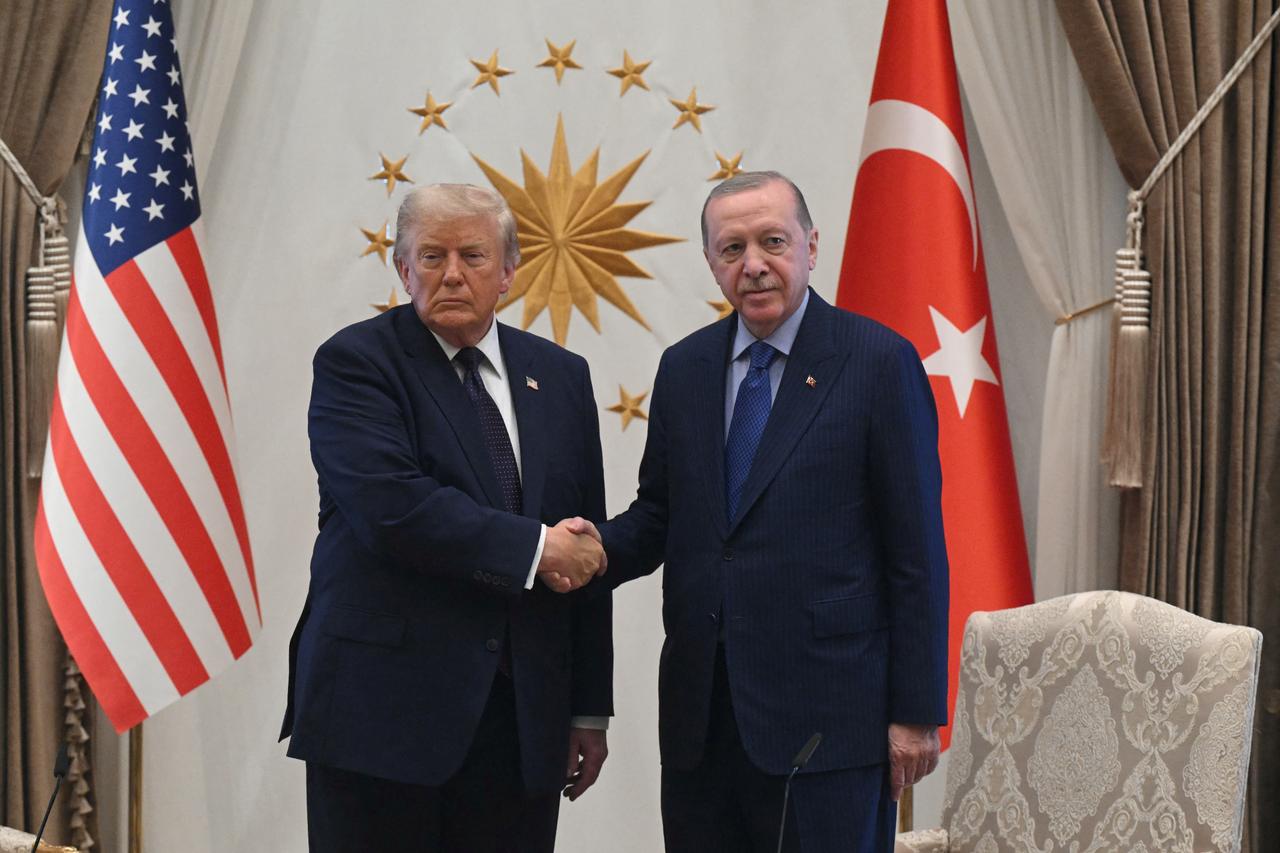
In Ankara, after a military salute rendered in halting Turkish and a flypast of Turkish jets trailing the colours of the American flag, President Trump entered the room where he would meet President Erdogan, having already delivered some of the most consequential remarks of the NATO summit that opened on Tuesday.
Asked by reporters whether CAATSA sanctions on Türkiye would be lifted, President Trump answered decisively, "We're gonna be taking the sanctions off." Asked whether the F-35 sale would proceed, his answer was blunter still: "Why wouldn't we do that?"
As for how the process itself would unfold, the experts have converged, almost verbatim, on a single refrain: "it could run into structural obstacles," "passage through Congress will be difficult," or "the process only begins once Türkiye makes concessions on the S-400."
While some Washington analysts continue to debate the legal details of the S-400 issue, reality on the ground has bypassed their reasoning. They fail to grasp how thoroughly the American political landscape has been transformed, and how decisively President Trump now wields his executive authority. The consensus these seasoned observers keep repeating bears an uncanny resemblance to the comments rendered back in 2019.
To begin with, until an election changes the arithmetic, the Senate majority remains in Republican hands, and senators are, in most cases, acutely aware that the votes which put them there were cast on the understanding that they would walk in lockstep with President Trump.
At the same time, POTUS is subduing intra-party dissent—voices within his own ranks who might otherwise obstruct the goals he intends to fulfil in his remaining time in office—with a force rarely seen before, and the record of senators who have felt that force is by now common knowledge.
Indeed, under these newly emergent conditions, even the most senior figures—those who embody Congress's institutional memory and its status quo—are revising their positions in the face of Trump's absolute grip on the party and the shifting geopolitical realities around him. When the Senate's self-styled "hawks among hawks" begin to soften and adopt pragmatic postures, it is a sign that the wall of institutional resistance has already cracked from within.
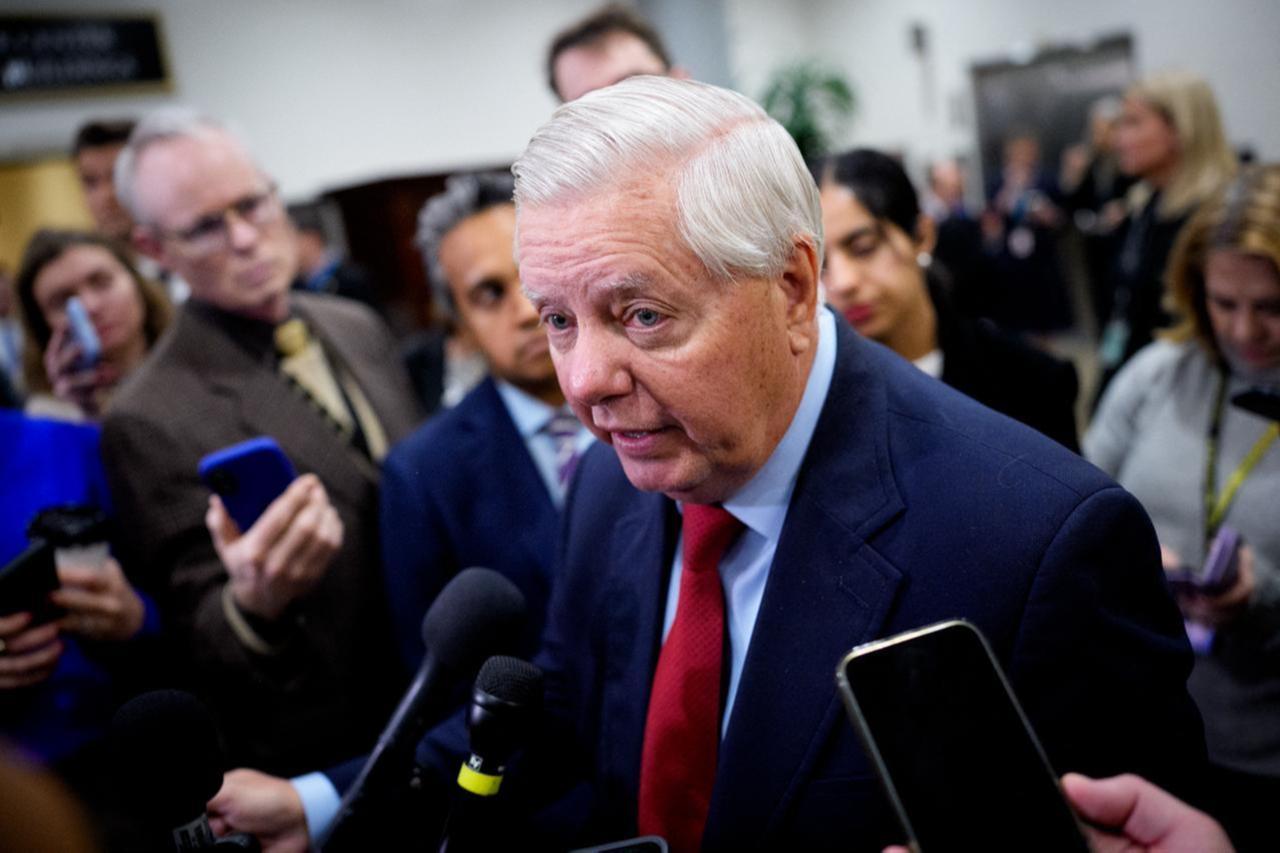
In an interview with Türkiye Today's Managing Editor Ilker Sezer yesterday, Senator Lindsey Graham, among the Senate's most influential Republicans and a heavyweight voice on the military and foreign-policy committees, appears to have considerably sanded down his once-adversarial stance toward Türkiye. "There might be some pushback in Congress," he said, adding that "a solution can be found" and that "I would be open to that."
That a weathervane as attuned as Graham should shift in this direction reads less as a warning that Congress will resist Trump than as a clear signal that it is instead paving the ground for the new foreign-policy lane he intends to open.
The precedents, moreover, demonstrate that in Washington, institutional obstacles and congressional approvals are not "insurmountable structures" but rather "flexible procedures," bent entirely to the degree of political will behind them.
The moment Trump designates the relationship with Türkiye as a matter of "America's overriding global strategic urgency," whether that be the balance of power in the Black Sea or the containment of Iran, he can invoke comparable legal emergency mechanisms or waiver packages. What matters is not what the statute says, but the executive's will to override it.
During the Gaza crisis, for instance, the State Department invoked the emergency provision of the Arms Export Control Act (AECA), entirely bypassing Congress's ordinary review-and-objection process, and directly approved the shipment of thousands of artillery shells and other military materiel to Israel.
In this new era, then, one in which Trump has fully consolidated the party and reconstituted the national-security bureaucracy with his own loyalists, the congressional roadblock looks less like an impassable structural wall than a surmountable bureaucratic procedure.
Though the American press has only sharpened its attention as the process has become more concrete, U.S. Ambassador to Türkiye Tom Barrack had already laid out a calendar through this year covering the lifting of CAATSA sanctions and Türkiye's return to the F-35 program.
Speaking at a panel discussion at the Antalya Diplomacy Forum last April, Barrack said progress in the bilateral relationship had been dramatic. "From the point of view of my boss, acceptance into an F-35 program is fine," Barrack said.
He noted that Greece already operates both S-300 air defense systems and F-35 aircraft.
Barrack also cited the Halkbank resolution as a concrete example: the bank had been sanctioned for a decade, "couldn't move" globally, and was now resolved. Similarly, he foresaw a solution to the long-discussed F-35 issue "within months."

The fact that the Congress has undergone such a profound shift under Trump's second term, however, does not mean that its posture has changed only under the second Trump administration.
In an instance in 2023, viewing India as a counterweight to China, the Congress had already carved out a "special CAATSA exemption" for New Delhi via a dedicated amendment to that year’s NDAA. That precedent stands as clear evidence that even the most rigid, seemingly "ironclad" statutes in American law can be bent—or fitted with bespoke exemption clauses—the moment "national interest and geopolitical necessity" are invoked.
None of this amounts to authority evoking autocracy. Article II of the U.S. Constitution assigns the President the role of Commander-in-Chief and principal actor in the conduct of foreign relations.
Even where Congress enacts sanctions legislation, how those statutes are implemented, when they are triggered, and how their key terms are "defined" remain almost entirely at the discretion of the executive branch, namely the Departments of State, Defense, and the Treasury. Statutory text is, more often than not, open to interpretation. The line between a piece of military hardware being "received" and being rendered "operational" is not a legal distinction but a political one.
At a moment when great-power competition with China and the Iran equation in the Middle East are both intensifying, boxing in a military power the size of Türkiye over the S-400 parenthesis and pushing it toward the Russia-China axis may well strike Washington's new decision-makers as "strategic folly."
Ultimately, to call the congressional roadblock a myth is not to say no other obstacle will emerge. It is only that the resolution of the S-400 and F-35 crisis is locked not in the old bureaucratic corridors, but in transactional, deal-based diplomacy at the level of heads of state. Geopolitical interpretation and the shifting balances of the Middle East may well shape the will inside the White House, but that authority will not rest with the lawmakers.


 Set as preferred source
 Set as preferred source


 2 min read
 1 min read