

 Newsletters


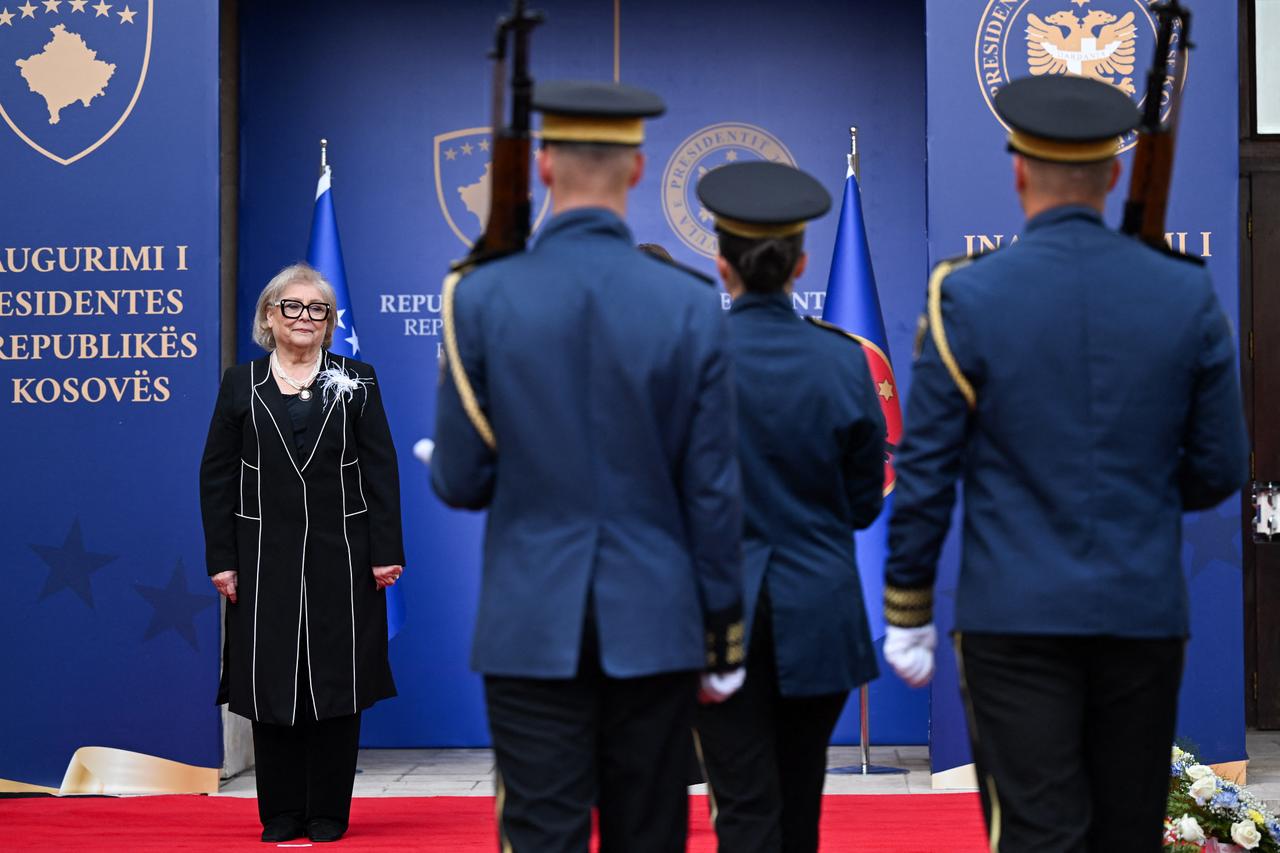


Serbia has spent decades telling Europe that Kosovo has a Muslim problem. On Oct. 7, Kosovo elected a Catholic woman as its president.
Somebody in Ankara ought to see the opportunity.
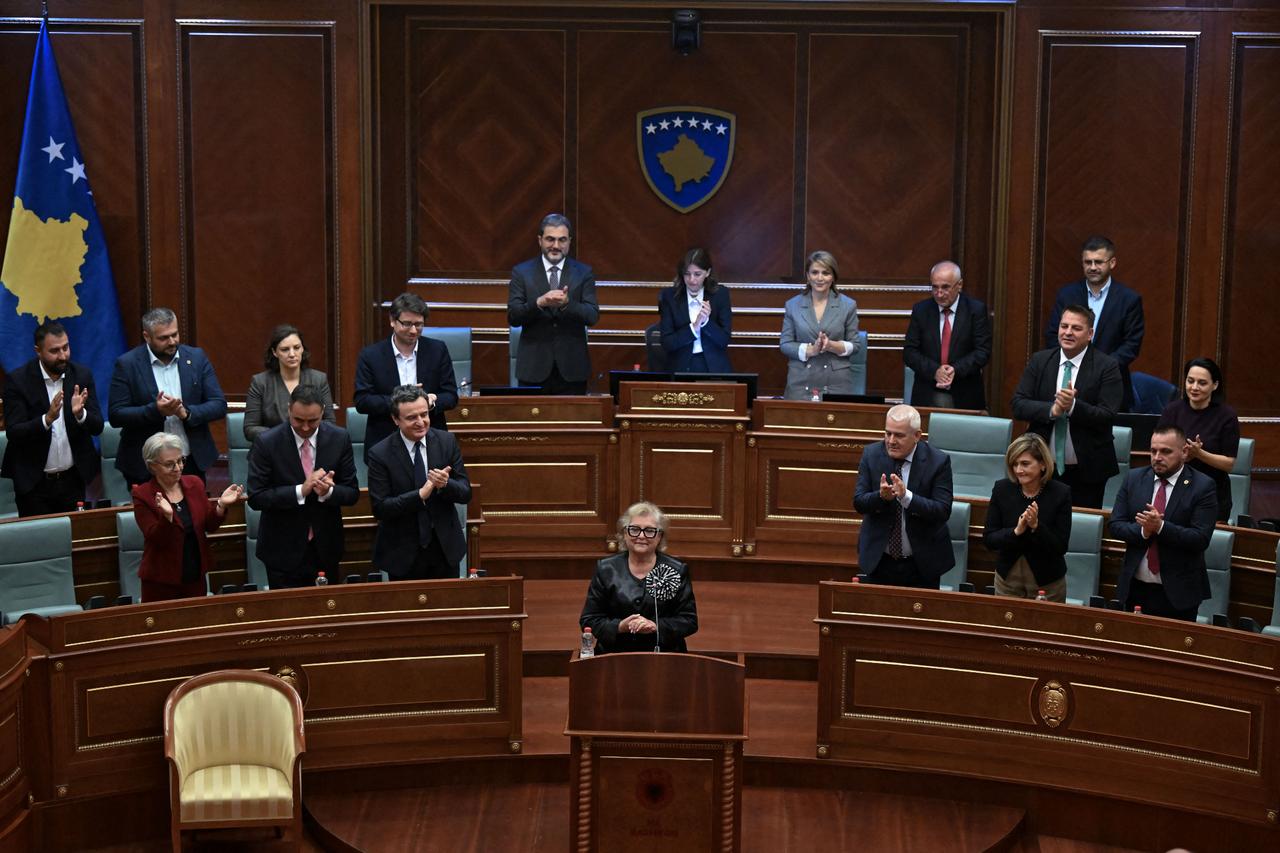
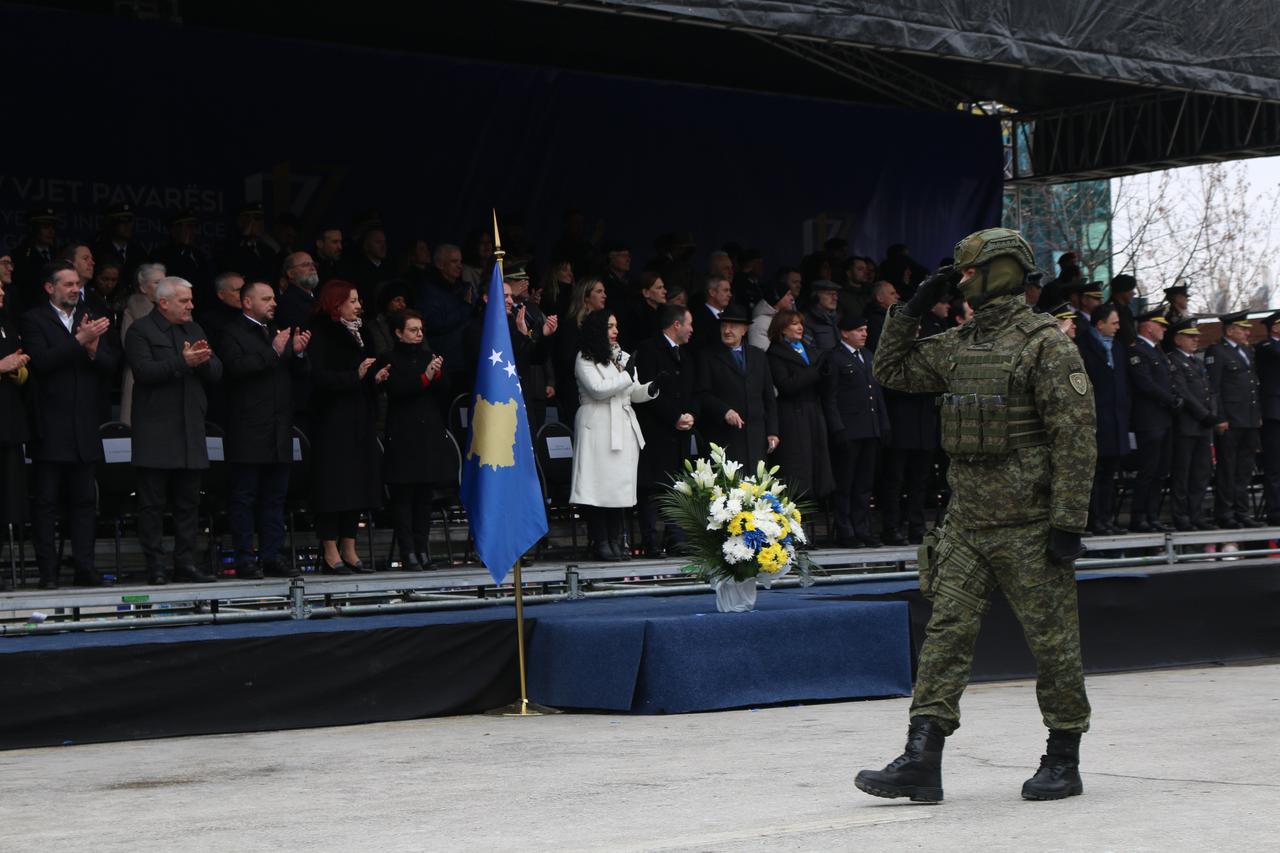
Justina Shiroka-Pula received 81 votes in the 120-seat Assembly. She is the third woman to become head of state and the first Catholic.
Kosovo's 2024 census recorded 93.49% of the population as Muslim and 1.75% as Catholic.
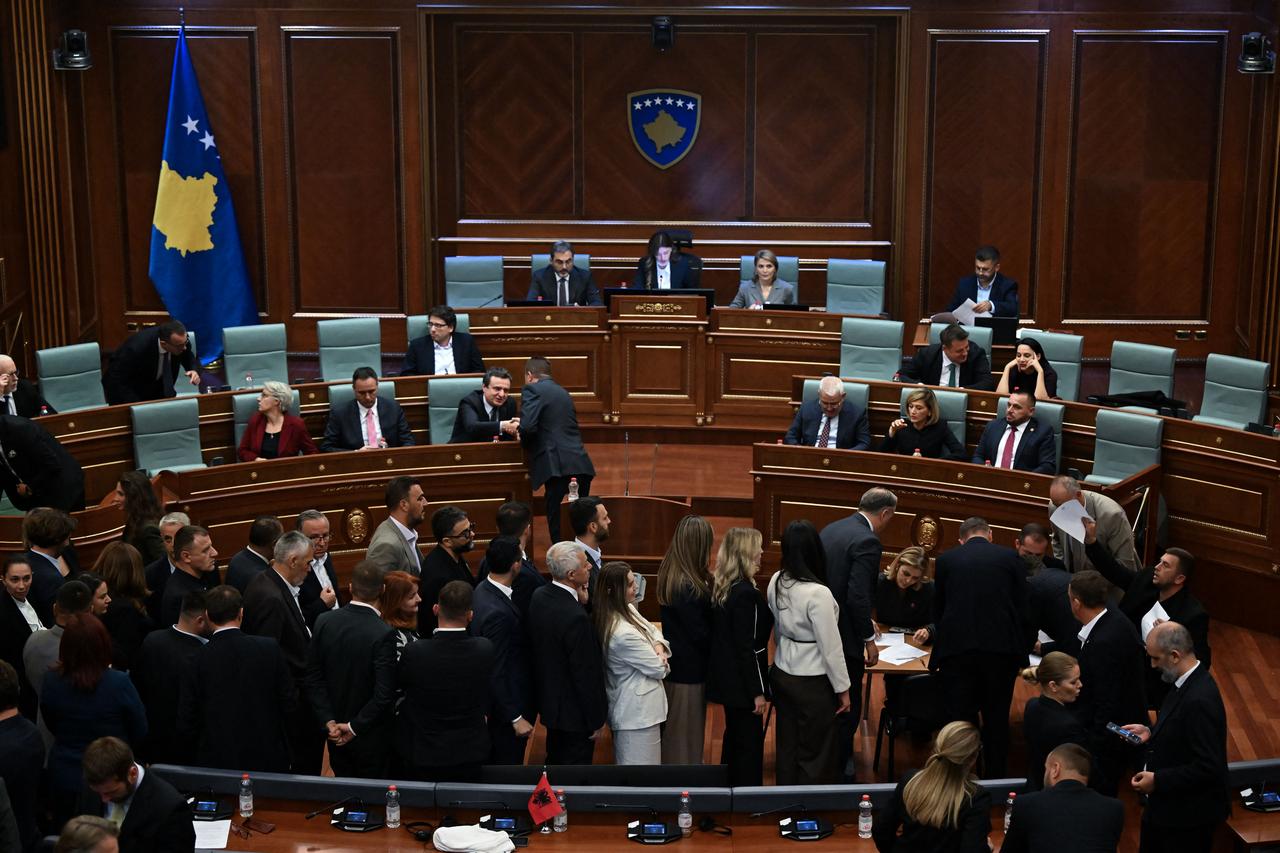
The governing party and the opposition fought that day over candidates, a law the opposition wanted, and a deadline set by the Constitutional Court.
They fought over everything except her faith. Nobody had to explain why a Catholic could represent a Muslim nation.

Belgrade tells a different story about this country. Serbia presents itself to Western audiences as the last Christian rampart, with Islam on the other side and Kosovo's Albanians as the threat.
Earlier this year, then-Serbian President Aleksandar Vucic attributed Milorad Dodik's welcome in Washington to a shared interest in “protecting Christianity and preserving Christian values.”
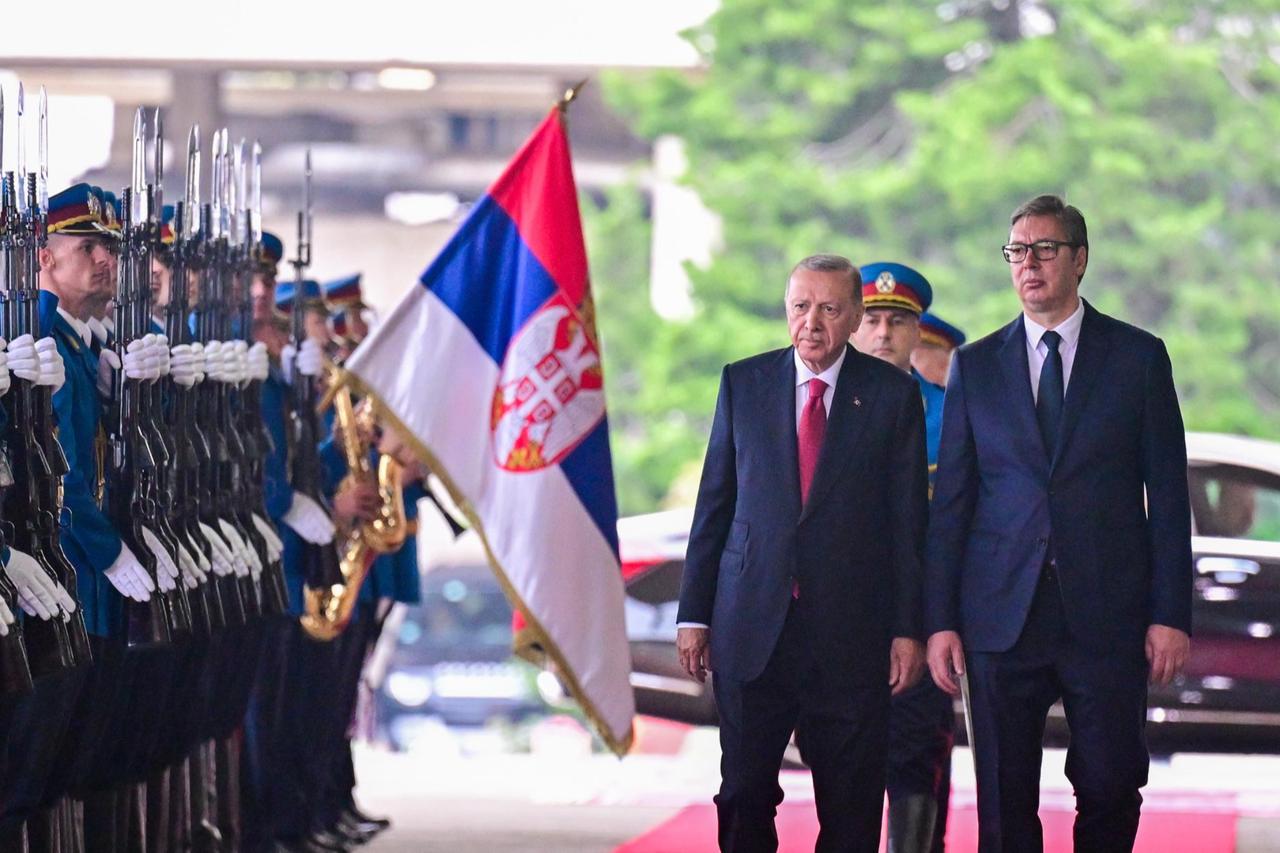
In October 2025, when Turkish-made drones reached Pristina, Vucic wrote that Türkiye “is once again dreaming of restoring the Ottoman Empire.”
This August, angered by NATO's commander in Kosovo, a Turkish major general, he left out the officer's name and rank. “The Turk is doing this, the KFOR commander,” he said.
When Türkiye helps Kosovo defend itself, Belgrade says Ottoman. When Kosovo asks for recognition, Belgrade says Islam. The word changes with the audience, but the aim stays the same: to deny Kosovo the legitimacy of a state.
The Ottoman label is aimed at Ankara as much as at Pristina. Each time a Western capital accepts it, Türkiye's work in the Balkans, carried out as a NATO ally, is recast as an empire making a comeback.
Article 8 of Kosovo's Constitution reads: “The Republic of Kosovo is a secular state and is neutral in matters of religious beliefs.” Turkish readers will recognize the principle of secularism in Article 2 of their own Constitution.
Albanians did not learn it at a European seminar. Muslims, Catholics and Orthodox Christians have shared one national identity through centuries of competing empires. Religion matters to Albanians. It does not decide who is Albanian.
Western governments hold conferences on how Muslim societies can combine faith, secular government and democracy.
Then they encounter one that elects a Catholic president without a murmur, and they file it under unresolved Balkan disputes. Kosovo does not need to become less Muslim to become more European.
Many members of the Organization of Islamic Cooperation still withhold recognition. Kosovo's independence was never a project to build a Muslim state.
On the day of the vote, the mufti of Kosovo, Naim Ternava, wrote to the new president, pledging “the sincere support and cooperation of the Islamic Community of Kosovo, of its institutions, and of my own as Mufti of Kosovo.” No article of the Constitution obliged him to write it. Kosovo's Muslims do not regard state power as religious property, and Muslim capitals should take confidence from that.
Last month in New York, President Recep Tayyip Erdogan told Prime Minister Albin Kurti that Türkiye would continue supporting Kosovo in securing “its rightful place in the international community.” The election has handed that promise its best argument.
Ankara recognized Kosovo on Feb. 18, 2008, the day after independence. Turkish soldiers have served in KFOR since 1999, and a Turkish general has commanded it twice.
Kosovo's Turks hold guaranteed seats in the Assembly that elected her, and in Prizren, the new president's family town, Turkish is an official language. Mehmet Akif Ersoy, who wrote Türkiye's national anthem, the Istiklal Marsi (Independence March), was the son of an Albanian from a village near Peja in present-day Kosovo.
Türkiye does not need to defend Kosovo because most Kosovars are Muslim. It can defend Kosovo because its independence is legitimate, its institutions are sovereign, and its citizens are entitled to security, whatever their faith.
That argument works in Washington, Brussels and Berlin, and it works in Jakarta and Algiers.
Ankara can make Kosovo's recognition a visible part of its diplomacy with governments that still withhold it.
It can press Kosovo's case inside NATO, where four members, Greece, Romania, Slovakia and Spain, still do not recognize its independence, complicating even its efforts to join the Partnership for Peace program. And it can reject, publicly and unequivocally, the civilizational language Belgrade sells to the West.
Türkiye would be defending its own standing in the Balkans along with Kosovo's.
Belgrade has spent years asking the world to judge Kosovo by the religion of its majority.
The world can now judge Kosovo by what that majority did on Oct. 7.


 Set as preferred source
 Set as preferred source


 1 min read
 1 min read


