Newsletters


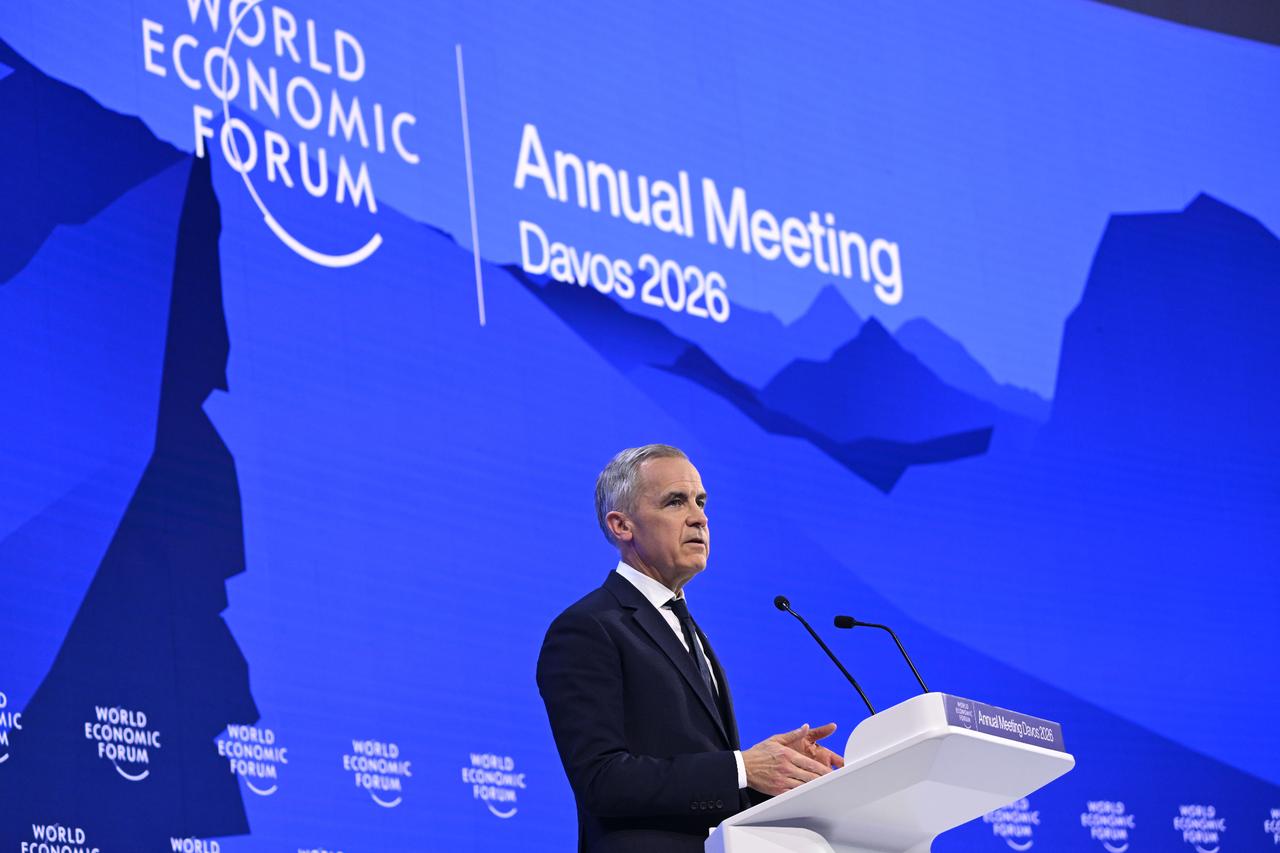


Last week, in his widely discussed speech in Davos, Canadian Prime Minister Carney stated that the rules-based order has come to an end. He argued that although the international order established under U.S. leadership after World War II was never truly just and had favored the strongest, its injustices were largely overlooked as it was considered “convenient”.
This tolerance persisted because American hegemony provided “open sea lanes, a stable financial system, collective security, and support for frameworks for resolving disputes.”
However, he emphasized that this period has now ended with a rupture and that this reality must be acknowledged rather than ignored.
Previously privileged countries such as Canada, Japan and European states have begun to suffer from the changing system. They no longer view the United States as a reliable partner within an order that claims to protect shared interests. In this new system, one increasingly shaped by economic coercion serving the interests of the strongest, as Carney pointed out, middle-sized states like Canada now require greater strategic autonomy in order to survive great-power rivalries.
As a result, they are turning to hedging strategies, which, in turn, reinforce sovereignty.
Although Prime Minister Carney claimed that Canada was among the first to hear this "wake-up call," in reality, both Canada and Europe were late to recognize this shift. Middle powers in the Middle East and Asia have been increasing their self-sufficiency and strategic autonomy across many domains over the past decade.
They have refused to align fully with competing sides, instead acting independently in line with their own interests and cooperating under different groupings across different issue areas.
He further argued that, rather than retreating into isolationism, building walls, and competing with one another to avoid being consumed by great powers, middle powers can sustain themselves through cooperation, thereby sharing the costs of sovereignty.

Amid the crisis of institutions responsible for maintaining the rules-based order and peace, emerging middle powers have seized the opportunity to increase their weight and influence in regional and international affairs. The influence of emerging middle powers is steadily increasing.
They cooperate with different countries on different issues: this is a group of self-interested, strategically autonomous states that engage in a wide range of transactions and a variety of overlapping, or sometimes conflicting, issue-specific alignments and coalitions.
Consequently, the emerging system will likely not be bipolar, but rather one in which multiple great-power centers interact with independent middle powers through issue- and interest-based cooperation.
Fully developed nations such as Germany, France and Japan; developed powers such as Canada, Australia, Singapore, the Netherlands, Poland and South Korea; energy-rich countries such as Nigeria, Saudi Arabia and Iran; developing states such as Brazil, India, Indonesia, South Africa, Türkiye and Vietnam; and smaller states such as Qatar and the UAE are among the principal middle powers on the global stage.
The Russia–Ukraine war has provided a clear illustration of middle powers’ independent policies. With the outbreak of the war, India refused to openly confront Russia; Israel maintained good relations with Russia and, for a long time, declined to sell weapons to Ukraine; and Türkiye did not implement sanctions against Russia, instead pursuing a delicate balance between Moscow and Kyiv.
Moreover, many middle powers acted independently of the United States on various issues. The U.S. was unable to halt the China-brokered rapprochement between Saudi Arabia and Iran; it failed to prevent Gulf countries’ normalization efforts with Syria before the fall of the Assad regime; and it was unable for a long time to persuade Israel to agree to a ceasefire in Gaza.
France and Germany, while adopting a clear stance against Russia after the outbreak of the war in Ukraine, nonetheless pursued a more cautious approach toward China despite U.S. pressure.
Pursuing an independent path and reclaiming strategic autonomy is not unique to the Global South. The EU has debated strategic autonomy since Trump’s first presidency, not only in relation to security and defense, but also regarding trade relations with China. Concrete efforts to assume greater responsibility for Europe’s defense emerged only during Trump’s second presidency.
Carney explained how, in just six months, Canada expanded its partnerships and bilateral agreements to enhance its strategic autonomy. He referred to his recent trip to China, where he sought Chinese investment in Canada’s oil sector and significantly reduced tariffs on Chinese electric vehicles—a move that signaled a departure from U.S. policy. He also highlighted the SAFE agreement with the EU and 12 other trade and security deals.
As Carney emphasized, multilateral institutions on which middle powers have relied—such as the WTO and the U.N—as well as the broader architecture of collective problem-solving, have been significantly weakened. This is precisely why many middle powers now cooperate through alternative platforms.
Groupings such as MIKTA include Mexico, Indonesia, South Korea, Türkiye, and Australia. The forum serves as a cross-regional consultative platform among G20 members to address current global issues.
The Quad includes Australia, India, Japan, and the United States. Despite U.S. participation, middle powers use the forum to coordinate on maritime and transnational security, economic resilience, critical and emerging technologies, cybersecurity, and regional crisis response, focusing strongly on countering China in the Indo-Pacific region.
The IBSA Dialogue Forum brings together India, Brazil, and South Africa. It aims to deepen consultation and coordination on global and regional political issues, while promoting cooperation in areas such as agriculture, trade, and defense.
In addition, platforms such as ASEAN (Indonesia, Malaysia, Philippines, Singapore, Thailand, Brunei, Viet Nam, Lao PDR, Myanmar and Cambodia), and the G20, used by middle powers like Türkiye, Indonesia, South Korea, Australia, Brazil, and South Africa to amplify their influence, also play an important role. Notably, U.S. President Trump did not attend the most recent G20 summit.
Middle powers have long pursued hedging strategies between China and Russia on the one hand and the United States on the other, exploiting U.S.–China competition to maximize strategic and economic gains while increasing their strategic autonomy by separating security alignment from economic interdependence.
For example, Australia cooperates with the U.S. through AUKUS and the Quad, while simultaneously maintaining a free trade agreement with China (ChAFTA), with China being its largest trading partner and accounting for nearly one-third of Australian exports. South Korea is both a key U.S. trade and security partner and a country with a free trade agreement with China.
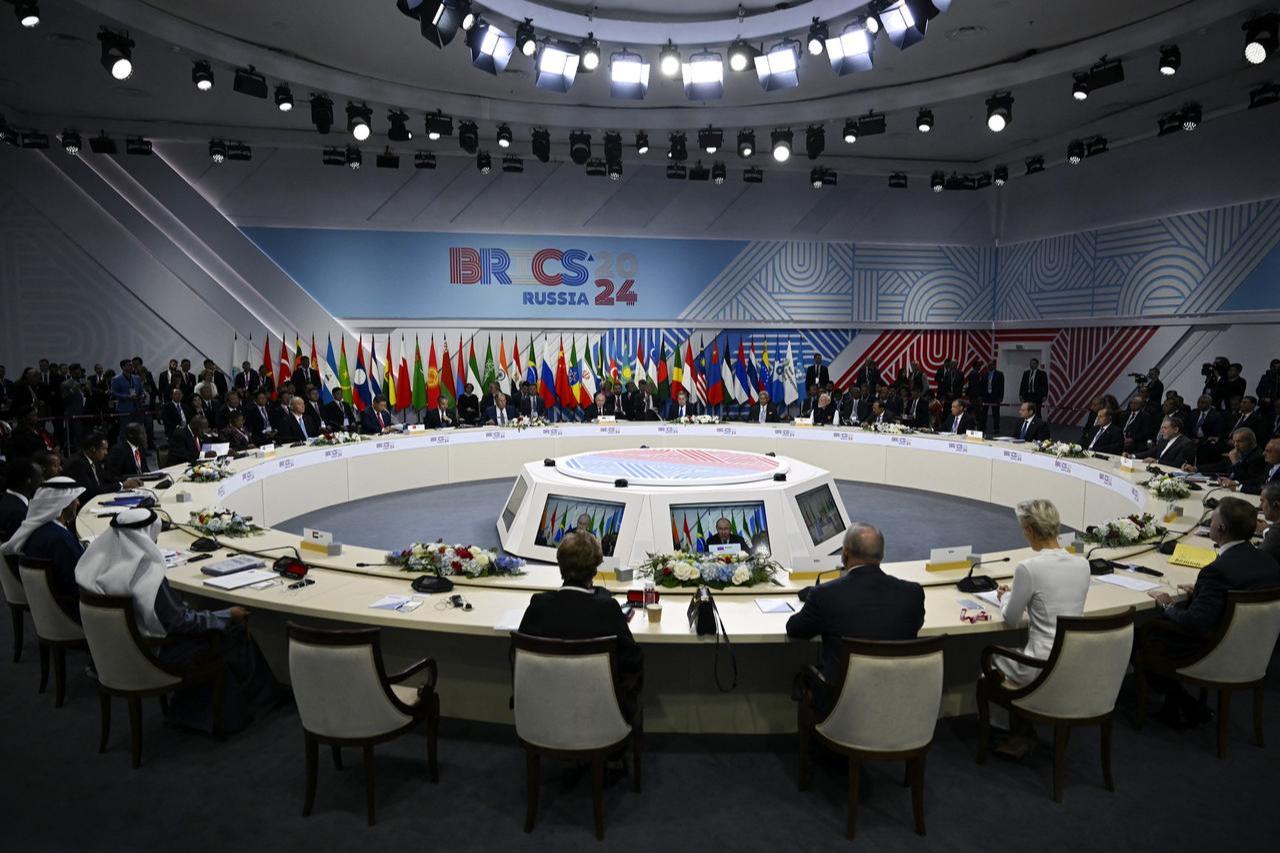
India cooperates with the U.S. within the Quad and maintains a significant defense partnership with the United States, while also possessing Russian S-400 systems and holding membership in BRICS and the Shanghai Cooperation Organization. Similarly, Brazil maintains defense and energy cooperation with the U.S. while also being a BRICS member.
As one of the middle powers that most actively employs hedging strategies, Saudi Arabia has maintained a security partnership with the United States while simultaneously expanding its relations with China through energy trade, infrastructure investments, and arms trade. It has defended neutrality on the Ukraine war to preserve cooperation with Russia through OPEC+, and has often adopted an independent stance vis-à-vis the United States on issues of oil production and pricing, deepened energy ties with both China and the United States, while also cooperating with both great powers and middle powers through alternative platforms such as BRICS, the Shanghai Cooperation Organisation, and the G20.
The key drivers placing Türkiye among the most significant middle powers include its efforts to achieve strategic autonomy through self-sufficiency in energy and defense, its diversification of partnerships and trade beyond traditional spheres of influence, and its pursuit of balancing and hedging strategies amid great-power rivalry.
Despite being a member of the Western alliance, Türkiye purchased the S-400 air defense system from Russia, pursued a delicate balance during the Russia–Ukraine war, followed policies distinct from its allies in Syria, Libya, the South Caucasus and the Eastern Mediterranean, invested in multiple actors, and prioritized its own interests during Sweden’s and Finland’s NATO accession processes.
Türkiye has expanded and diversified its relations across a wide geography—including the Middle East, the Balkans, the South Caucasus, Africa, South Asia, and Southeast Asia—thereby broadening its sphere of influence.
Through its “Türkiye Century” vision, the government articulated its ambition to create a “Türkiye Axis” composed of Turkish and Muslim countries.
The main instruments of this policy include soft power tools such as economic and cultural engagement, humanitarian diplomacy, and mediation in regional conflicts, alongside hard power tools such as regional military interventions, arms exports, overseas military bases, military capacity-building initiatives, and active participation in peacekeeping missions. Türkiye seeks to be present at all negotiating tables.
In addition to being a NATO member and an EU candidate country, Türkiye cooperates with other regional and minilateral groupings. It is a member of the Organization of Islamic Cooperation (OIC) and MIKTA, it participates in Arab League meetings, holds observer status with the African Union, and is an ASEAN “sectoral dialogue partner,” aiming to become a full “dialogue partner.”
Although the combined share of the EU and the U.S. in Türkiye’s foreign trade exceeds 40 percent, imports from China and Russia have increased by approximately 80 percent and 150 percent, respectively over the past decade, making them Türkiye’s first and second largest import partners and generating significant trade deficits.
Türkiye cooperates with China under the Belt and Road Initiative, is a member of the Asian Infrastructure Investment Bank—where China is the largest shareholder—and reportedly applied for BRICS membership in 2024.
Prime Minister Carney’s speech was particularly significant because it articulated, in unusually explicit terms, a hedging strategy by a NATO member from the Global North. The Global South, by contrast, has pursued such policies for a long time and has often been criticized by the Global North for refusing to choose sides.
In the coming period, we may witness the strengthening of existing middle-power groupings, the expansion of cooperation into new areas, or the emergence of new alliances—such as the defense pact reportedly forming among Türkiye, Saudi Arabia, and Pakistan.
It is important, however, to underline Carney’s emphasis on the distinction between value-based and interest-based politics.
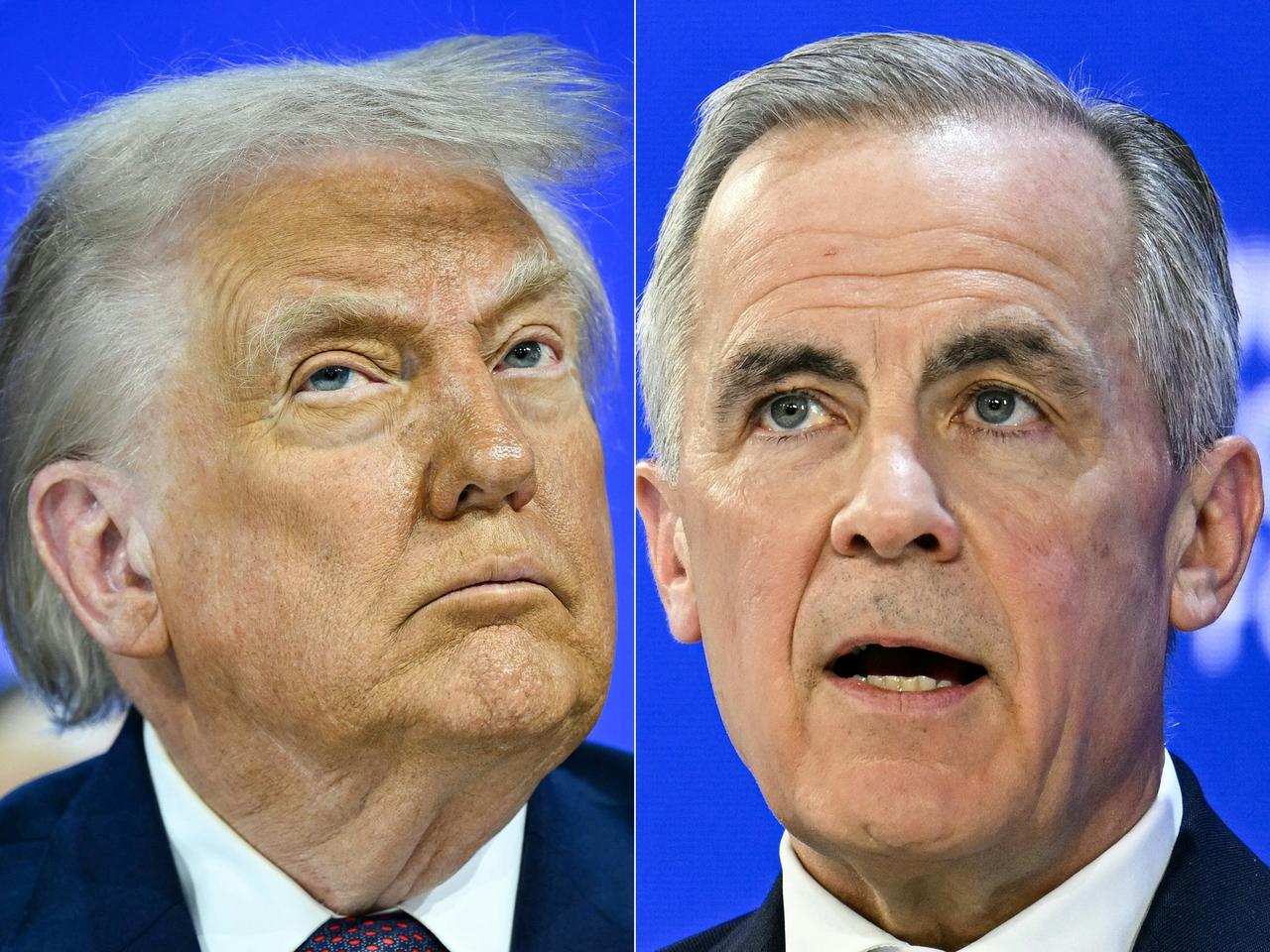
As the Canadian case illustrates, tariff wars—especially since Trump’s first presidency—have pushed many middle powers toward Russia and/or China over the past decade. In an international order where international norms and international law are systematically violated, cooperation based solely on interests cannot provide durable frameworks that ensure the security and long-term stability of middle powers.


 Set as preferred source
 Set as preferred source



 4 min read