Newsletters


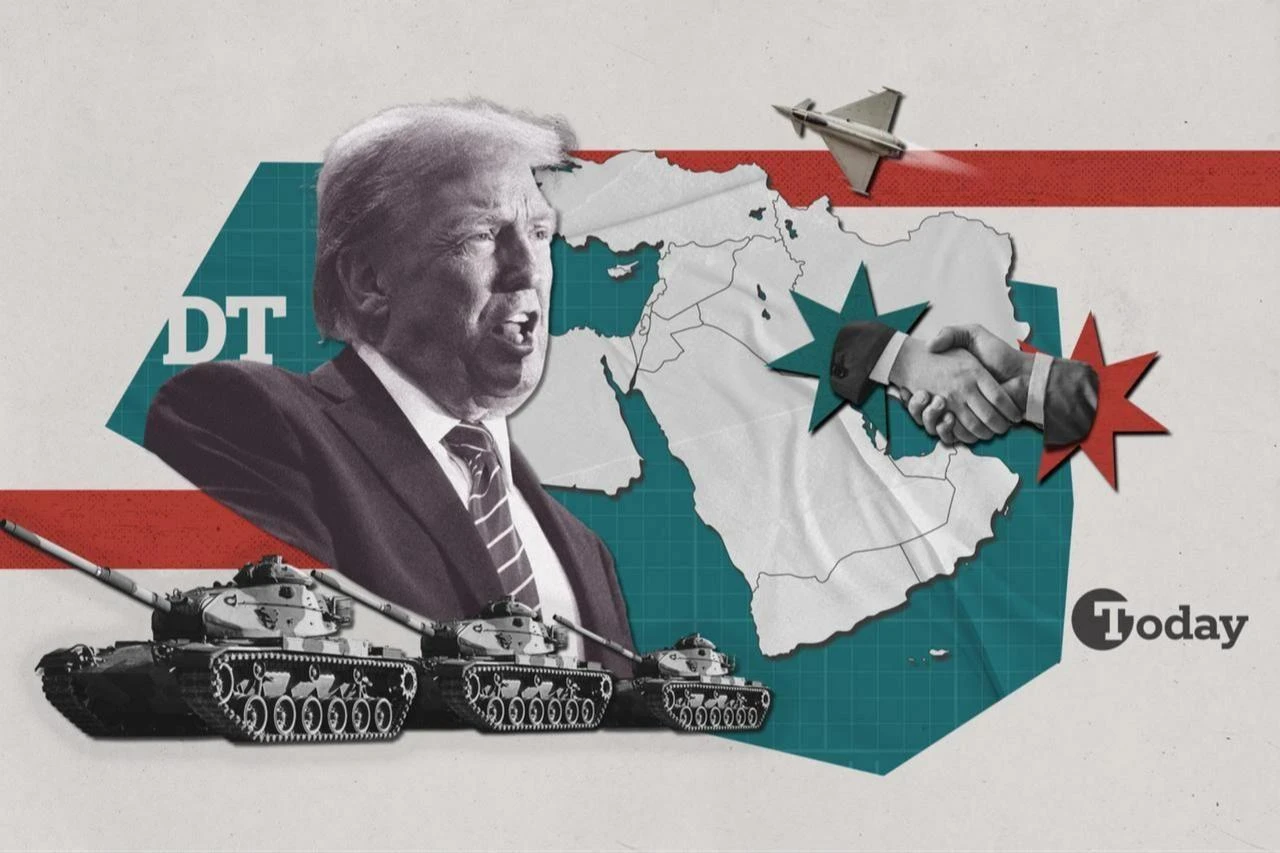


When the U.S. and Iran inked their June 18, 2026 memorandum of understanding, my article in Türkiye Today posed a question: Can Trump’s Iran deal survive the hawks?
My view was that, despite the desire of many to leave room for optimism and hope, numerous obstacles make the achievement of a lasting ceasefire difficult. The most important of these obstacles is the presence of hawks and hardliners on both sides who do not want matters to end this way and who demand continuation until a clear victory is achieved and the other side is subdued, however difficult and irrational this task may appear.
Nothing illustrates this more clearly than the Iranian statements, which speak with the logic of the victor, asserting that the reopening of the Strait of Hormuz depends on America correcting its behavior and accepting Iran’s conditions—foremost among them the withdrawal of forces, compensation, and the complete lifting of the blockade.
What happened is that the clashes, which had stopped, did not take long to resume through extensive American strikes inside Iran, to which the latter responded with attacks on sites in Arab countries.
These disturbing developments prompted Saudi Arabia, one of the most affected states, to respond with a qualitative strike, with American participation, against sites belonging to an Iran-backed militia in Iraq.
In theory, both sides should have been at a moment of truce paving the way for the lifting of the blockade and a final agreement on the strait after a sixty-day period. Yet the experience of repeated truces collapsing made clear that the two sides were not serious about reaching a de-escalation.
We saw how Iran clung to its strategy of expanding the scope of chaos, despite the advantages and gains promised in the previous truce document, and how it continued to threaten navigation by targeting transit ships.
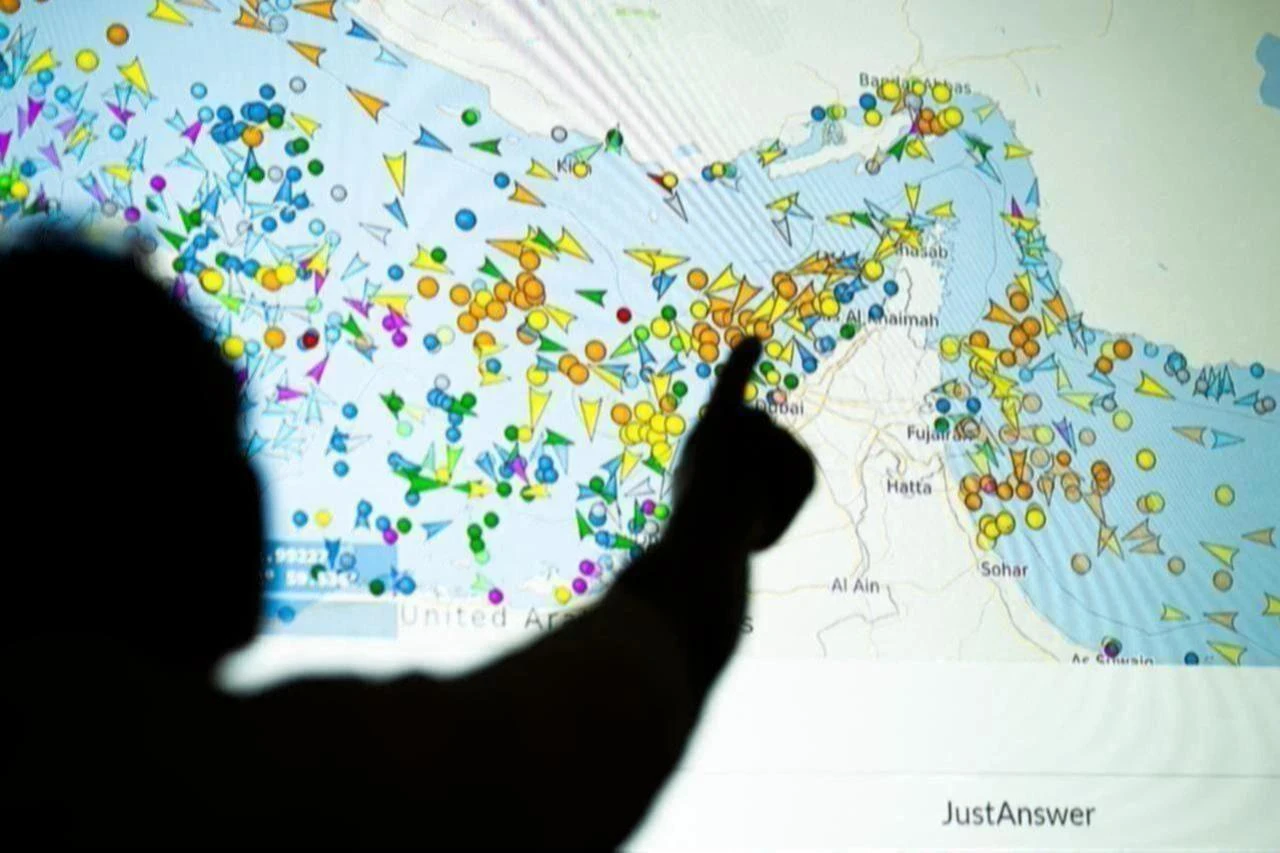

All these events do not worry only the states and citizens of the region; the anxiety extends to every country in the world because of this vital location linked to energy supplies and the control of one of the world’s most important maritime chokepoints.
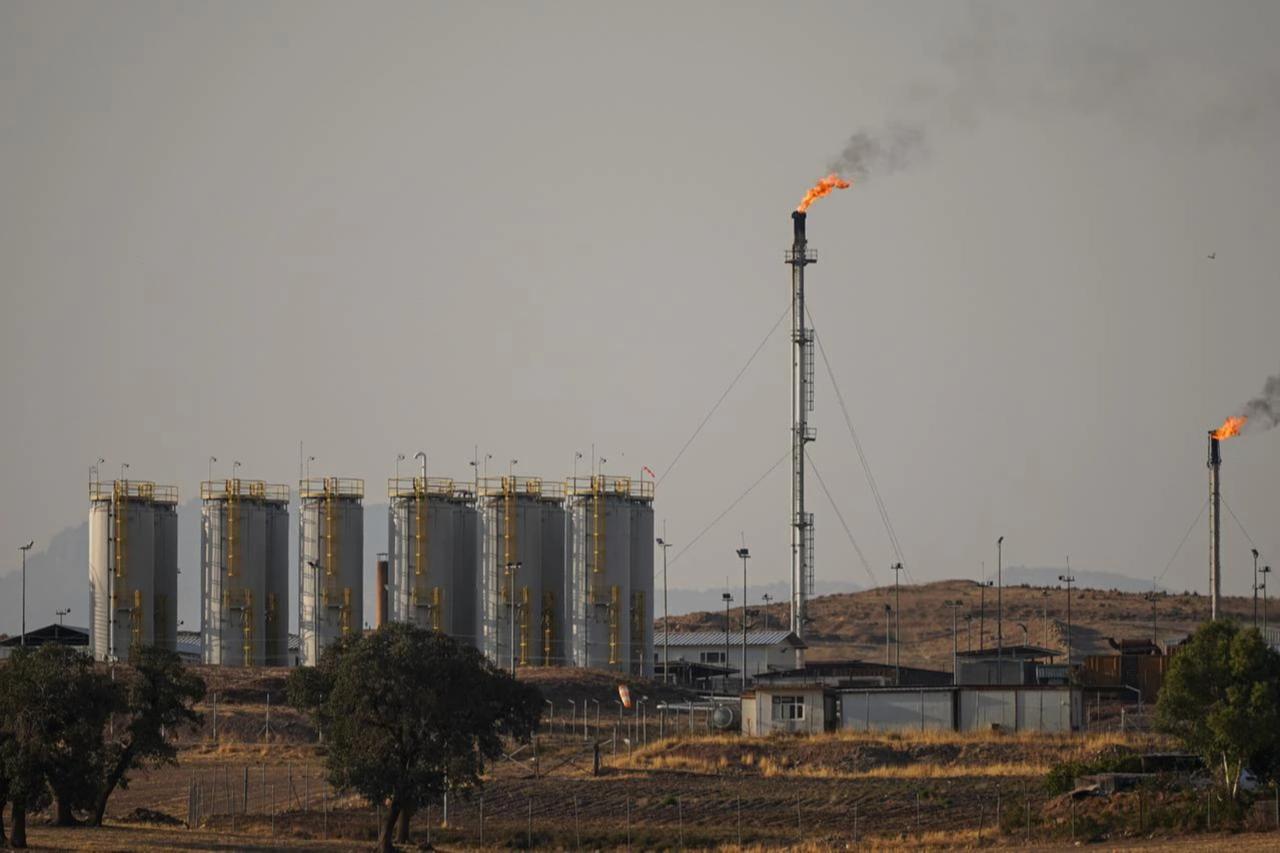
The Strait of Hormuz, through which the equivalent of one-fifth of the world’s oil production is exported, today resembles a knot. The United States emphasizes that it is a global waterway that cannot be monopolized—a position shared by many states that benefit from the free flow of trade and transport. Foremost among them are the European Union countries, which call for freedom of navigation, reject the imposition of permits, transit fees, or passage through the strait, and object to the use of waterways as a weapon.
The truth is that most states reject Iran’s treatment of the strait as a space belonging exclusively to it, or as a corridor whose passage requires prior coordination.
At the same time, because of the instability and uncertainty about the future created by the current crisis, many states inside and outside the region have begun to think about alternative routes and pathways through which they can import and export petroleum products, bypassing the Strait of Hormuz.
In this regard, some states appear more fortunate than others, such as the United Arab Emirates and Iran itself, both of which possess ports and coastlines on the Gulf of Oman.
This trend of searching for options and alternatives is poised to develop further. Indeed, under the current tensions and uncertainty, it is expected that the importance of the Strait of Hormuz will diminish once the affected states succeed in discovering alternative routes.
This issue is important because it reminds us once again of the significance of regional coordination and integration, through which crises can be overcome and mutual benefits achieved. These ideas were expressed by Türkiye in an earlier proposal entitled “The Four Seas,” a project that seeks to link the Arabian Gulf with the Caspian Sea, the Black Sea and the Mediterranean. Activating this ambitious project would be beneficial to Türkiye and Syria, which would stand at its heart, but it would also benefit all the states concerned.
What is striking in all these ideas is the conviction that has begun to take hold among many parties: that one must not wager on the continuation of calm, because there is nothing to guarantee that military operations will end once and for all.
Today, important states such as China find themselves compelled to seek non-Gulf sources of oil and liquefied natural gas. Meanwhile, major oil-producing states are searching for safer options and routes for exporting energy during a period of unprecedented vulnerability.
The crisis no longer stops at the heavily contested Strait of Hormuz or the critical waters of the Bab el-Mandeb—vital arteries for the region and Saudi Arabia alike. The threat has now breached the Mediterranean, striking close to home as danger officially reaches Damietta.
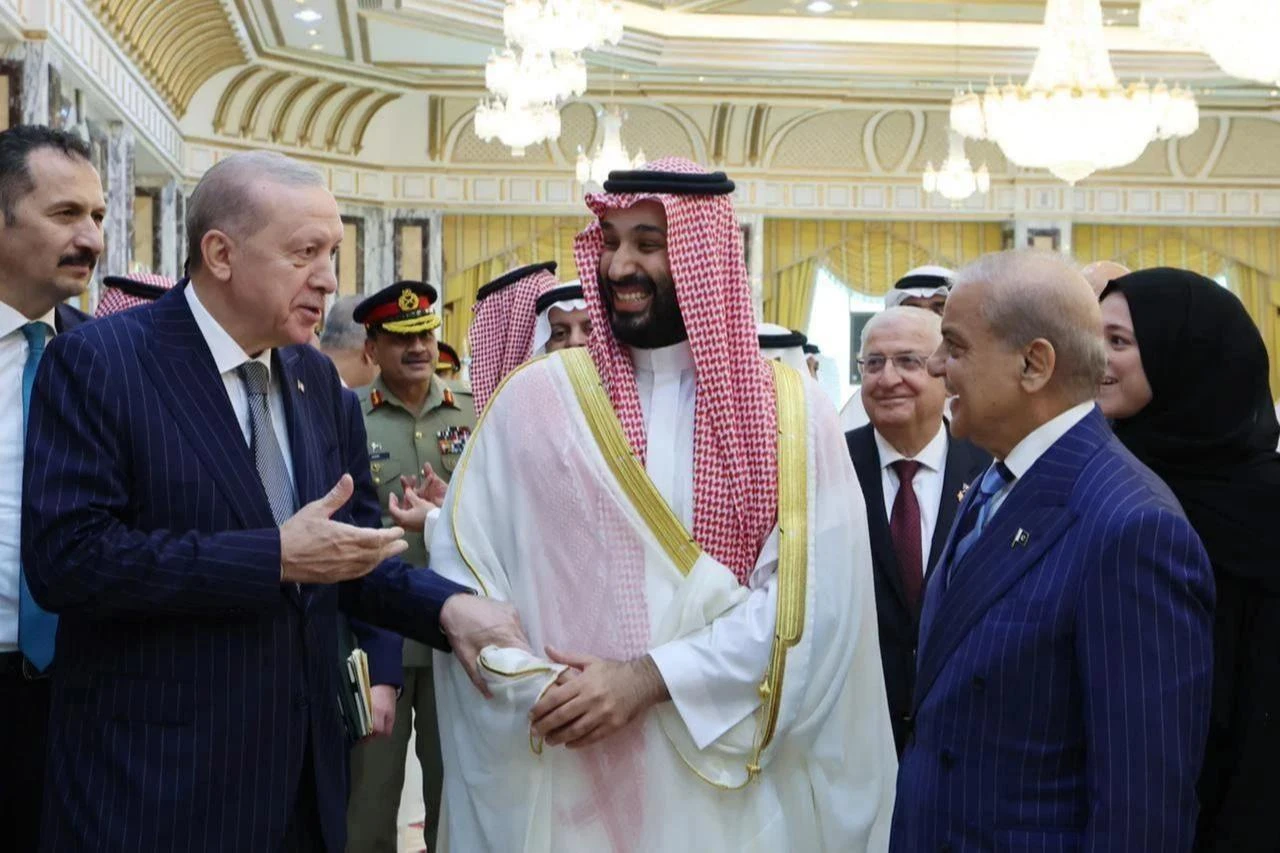
The mutual defense agreement signed recently aims to strengthen collective security among the Kingdom of Saudi Arabia, Türkiye, and Pakistan. This pact can be viewed within the framework of confronting the security challenges facing the region, which has become threatened between Tehran and its network of regional allies on the one hand and Tel Aviv, which makes no secret of its desire to expand and extend its influence, on the other.
It is still too early to conduct a full assessment of the agreement, which has been likened to a small “NATO” because of the provision that an attack on any one of its members is considered an attack on all. What can be said is that the agreement has many positive aspects, among them that it has paved the way for regional defense coordination in a region whose states were long known for disagreement and divergence.
It is also certain that any step to create coordination among these important states—even if only through joint training and maneuvers and technology transfer—will undoubtedly be beneficial and will open the door to reducing dependence on the American ally, whose intervention is no longer guaranteed to come to the rescue of any friend or ally.


 Set as preferred source
 Set as preferred source


 2 min read
 1 min read