Newsletters


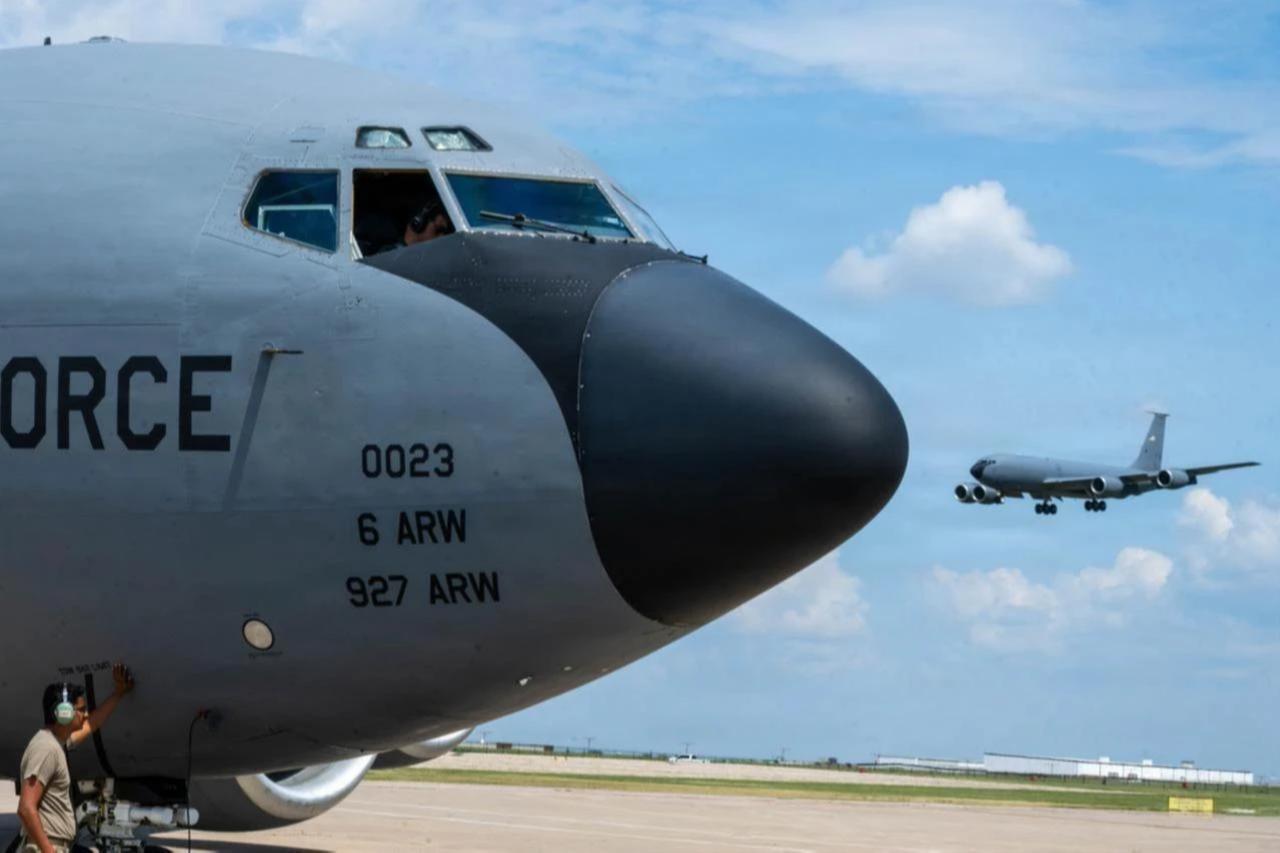


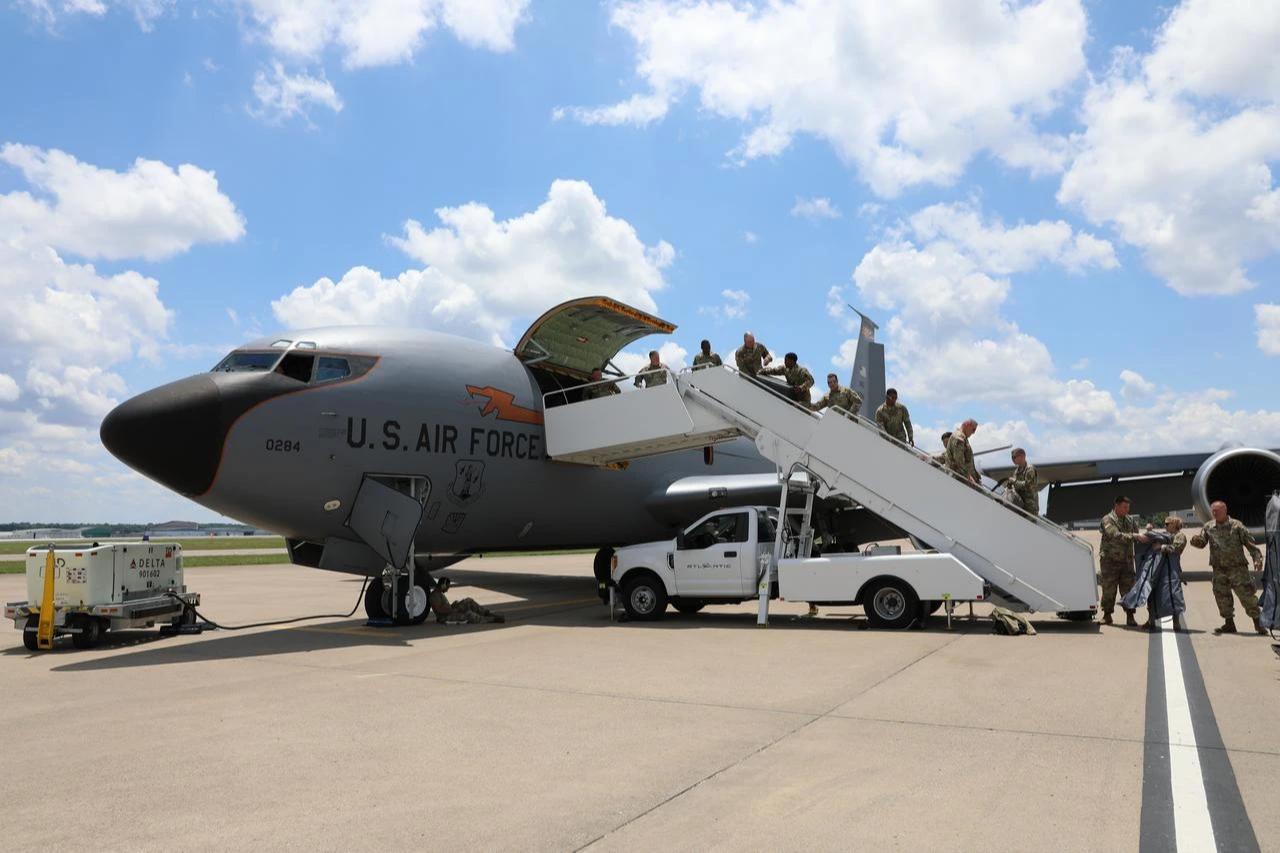
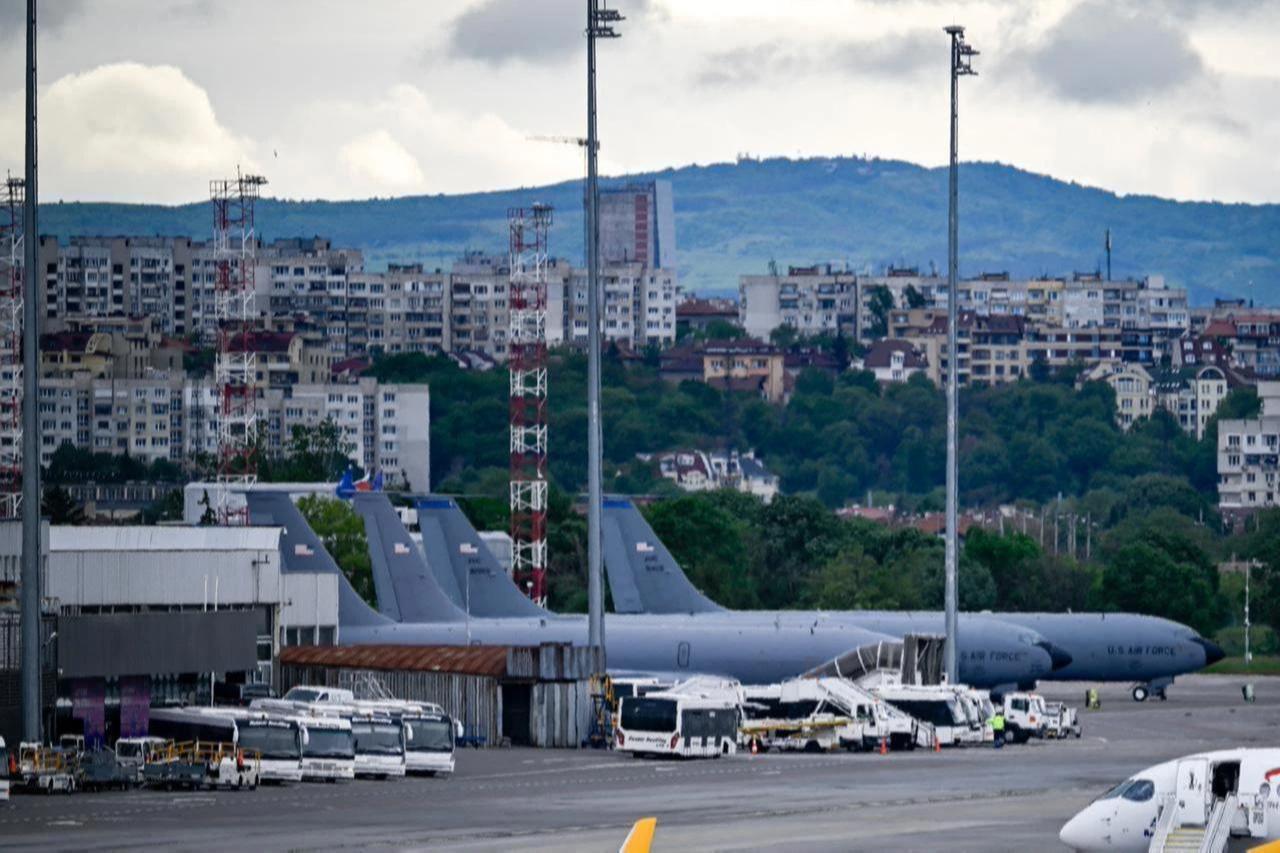
Bulgaria’s parliament has approved a U.S. request to temporarily station up to eight KC-135 aerial refueling aircraft and 250 American military personnel at Bezmer Air Base in the country’s southeast.
The measure passed comfortably, with 136 lawmakers voting in favor and only 13 against, despite direct public objections from Tehran.
At first glance, the decision may appear to be a technical military arrangement.
In reality, it is one of the most politically significant strategic moves made by a Balkan country this year. Its importance lies not only in what Bulgaria approved, but also in who approved it.
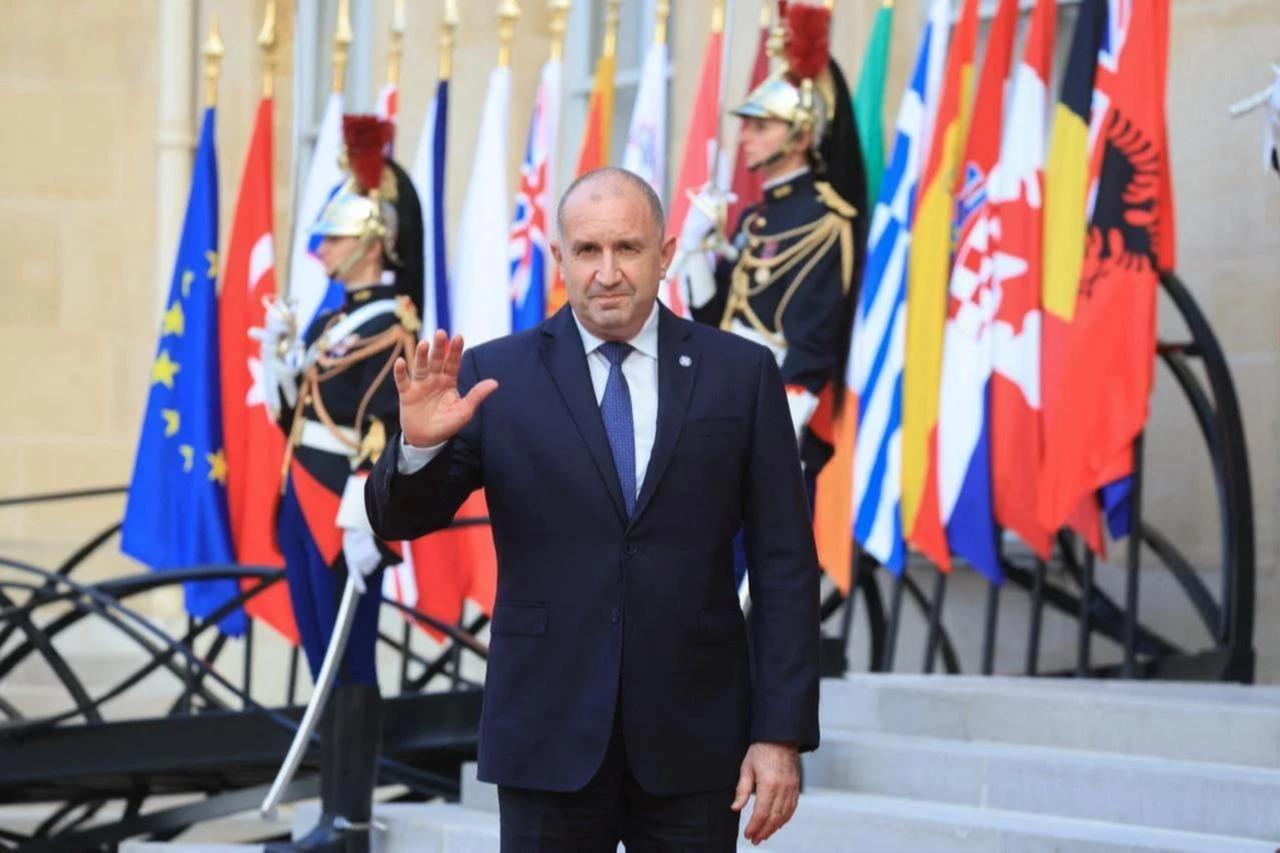
Prime Minister Rumen Radev, a former president once described by Russian state media as the “new Orban,” has rarely been regarded as one of Washington’s most dependable partners.
He previously described Crimea as Russian territory, opposed military assistance to Ukraine and, only months ago, ordered American aircraft to leave Bulgaria amid a dispute over visa access for Bulgarian citizens.
His decision to facilitate an expanded U.S. military presence therefore represents more than a policy adjustment.
It is a strategic recalculation.
As Washington expands long-range military operations linked to Iran, European allies are becoming increasingly important to sustaining those missions.
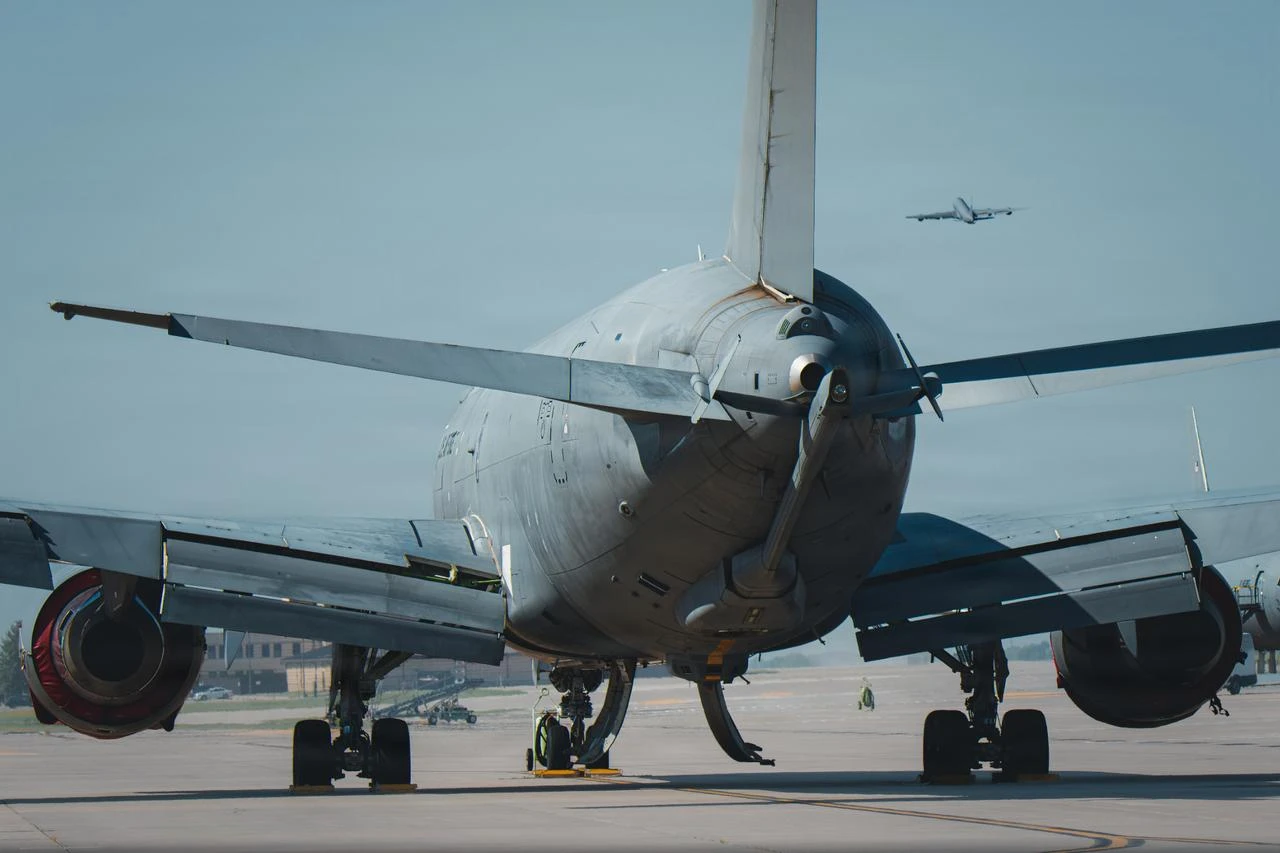
The KC-135 Stratotanker, capable of transferring roughly 200,000 pounds of fuel in flight, extends the operational range of American and allied aircraft across vast distances.
With several U.S. facilities in the Gulf having suffered damage during Iranian strikes earlier this year, dispersing critical assets deeper into Europe has become both militarily sensible and politically necessary.
For Bulgaria, the decision also carries clear risks.
Tehran has already criticized the deployment, while the pro-Russian Revival Party is expected to portray it domestically as evidence that Sofia is being drawn into someone else’s conflict.
Yet Bulgaria accepted those risks anyway.

That matters far beyond Bulgaria. For years, the Balkans have often been viewed inside NATO primarily as a region requiring stability rather than providing it. This vote suggests that perception is beginning to change.
Southeastern Europe is increasingly becoming an operational pillar of NATO’s eastern and southern flanks, connecting the Black Sea, the Eastern Mediterranean, and the Middle East.
It also demonstrates an increasingly important principle inside the Alliance: burden-sharing is no longer measured only by defense spending targets. It is measured by political willingness to assume strategic risk.
Hosting allied aircraft that could directly support U.S. military operations is precisely that kind of commitment. And Sofia knows commitments create leverage.
Shortly after the parliamentary vote, Slavi Vassilev, deputy chairperson of Progressive Bulgaria’s parliamentary group, openly acknowledged the political calculation.
Bulgaria, he argued, had earned the right to ask something of its allies in return.
That is how alliances function.
Countries that contribute meaningfully expect tangible benefits, whether in infrastructure investment, military modernization or stronger security guarantees.
Washington should recognize that logic.
Bulgaria still faces serious capability gaps. Its own Ministry of Defense has acknowledged that spending 2% of gross domestic product is insufficient to modernize the armed forces, while studies have identified military mobility and transport infrastructure as major weaknesses along NATO’s southeastern corridor.
 1 min read

Bezmer itself is already scheduled for expansion under NATO’s Security Investment Programme. Even so, Bulgaria still requires accelerated infrastructure upgrades, improved logistics and continued support for its transition to the F-16 fleet.
The United States and NATO should view Bulgaria’s vote not simply as a favor performed during a regional crisis but as evidence that an ally is prepared to shoulder greater responsibility.
For the wider Balkans, the lesson is equally important. Security in Southeastern Europe is no longer defined solely by unresolved regional disputes or fears of instability. Increasingly, the region is becoming part of NATO’s strategic architecture stretching from the Baltic to the Black Sea and onward to the Middle East.
Countries willing to contribute to that architecture will find themselves with greater influence inside the alliance.
Those that remain strategically ambiguous may discover that geography alone no longer guarantees relevance.
Bulgaria has made its choice. The rest of the Balkans should pay close attention.


 Set as preferred source
 Set as preferred source


 1 min read