Newsletters


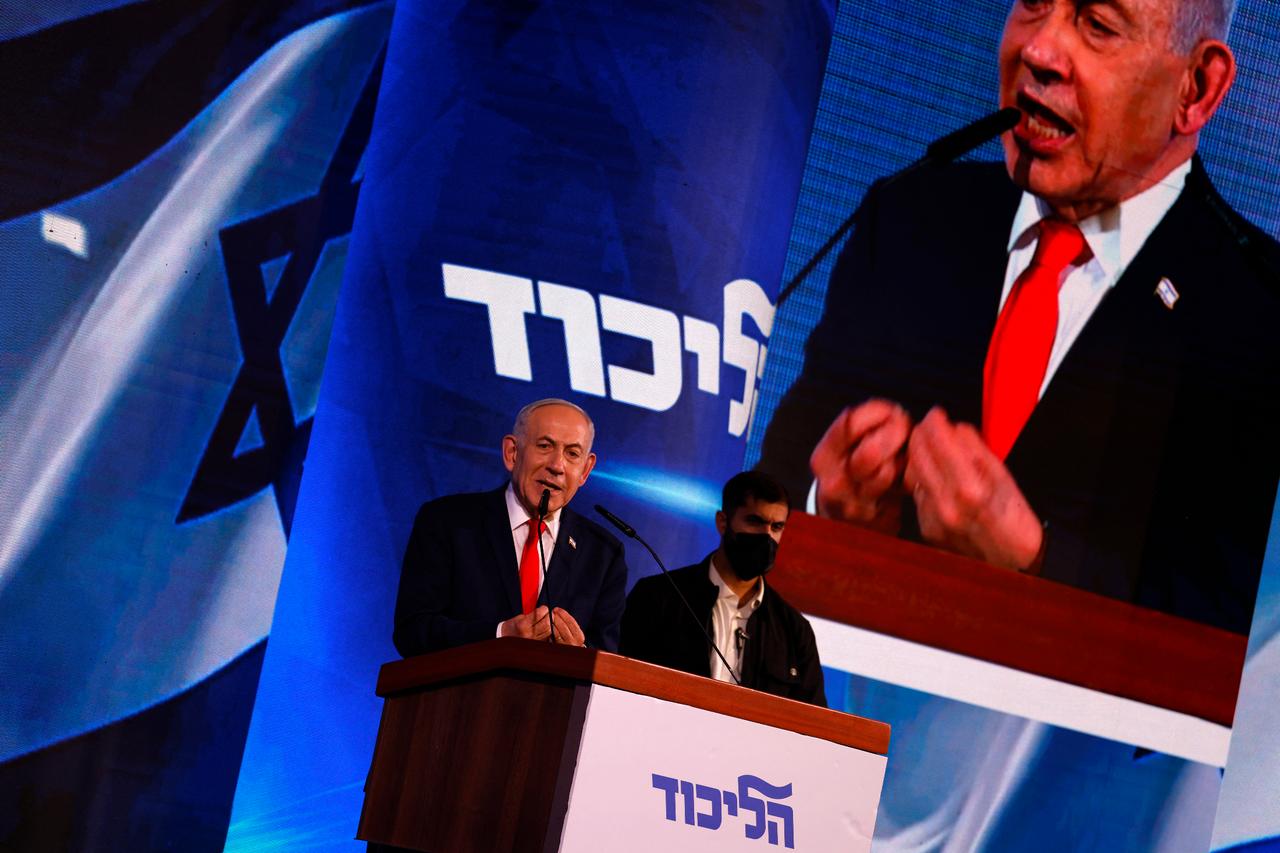


Israel’s election produced no winner, but it did produce a surprise: the kingmakers are Arab parties. As I argued in my previous piece, neither Benjamin Netanyahu’s bloc nor Gadi Eisenkot’s opposition secured a majority, which leaves the parties of Israel’s Arab citizens holding the balance of power.
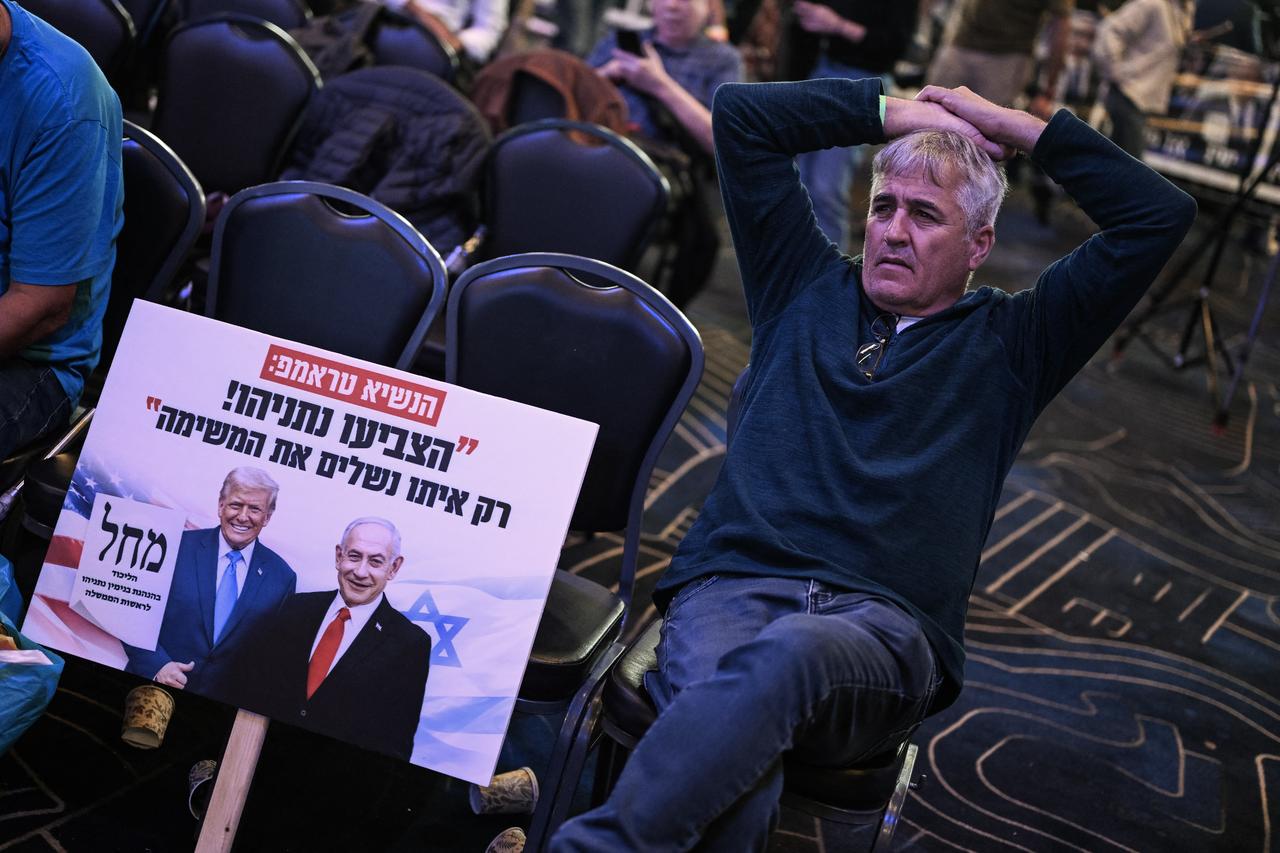
The results also reveal a significant decline in Likud’s vote share. Nevertheless, Likud remains a major political organization with a substantial foothold in Israeli society and, according to the election results, is still the largest party.
Keeping in mind that Israel is a Middle Eastern country surrounded by Arab peoples, the results of these elections allow us to divide Israeli political history into three periods. The first extends from the establishment of the state to the 1977 elections, when Likud defeated the Labor Party for the first time.
During this period, the state was governed by elites of European Ashkenazi origin, who tended to maintain a liberal consensus in their relations with both the Arabs within Israel and those outside its borders.
However, the threat to this order emerged from the growing demographic weight of the Mizrahi and Sephardic communities. During the 1970s, Mizrahis were unable to benefit from housing, education, and healthcare services on an equal footing with Ashkenazis.
This inequality led to social unrest and protests. The Black Panthers movement, which emerged from within the Mizrahi community, went so far as to threaten the Ashkenazi elite with statements suggesting that they might even cooperate with the Palestine Liberation Organization (PLO).
Golda Meir, the Labor Party prime minister, labeled these protesters as “not nice guys.” This elitist and condescending attitude was not forgiven, and the Labor Party suffered a crushing defeat in the 1977 elections.
Israeli politics thus entered its second period. Menachem Begin, who emerged from within the Ashkenazi elite, brought Likud to power as the representative of these marginalized and impoverished social groups.
In a sense, this was also a strategy for ensuring the continued existence of the Israeli state. A threat that had emerged from within the state and among people of Jewish origin would be transformed during the 1980s into a central pillar of the ruling order, mobilized as a more nationalist and hawkish constituency.
Having switched political allegiances, Begin assumed leadership of a bloc organically formed by Mizrahi and Sephardic constituencies. The Likud Party thus began to establish itself as the new elite of the Israeli state.
The invasion of Lebanon, which began in 1982, also paved the way for the integration of these impoverished social groups into the state through Likud’s rule.
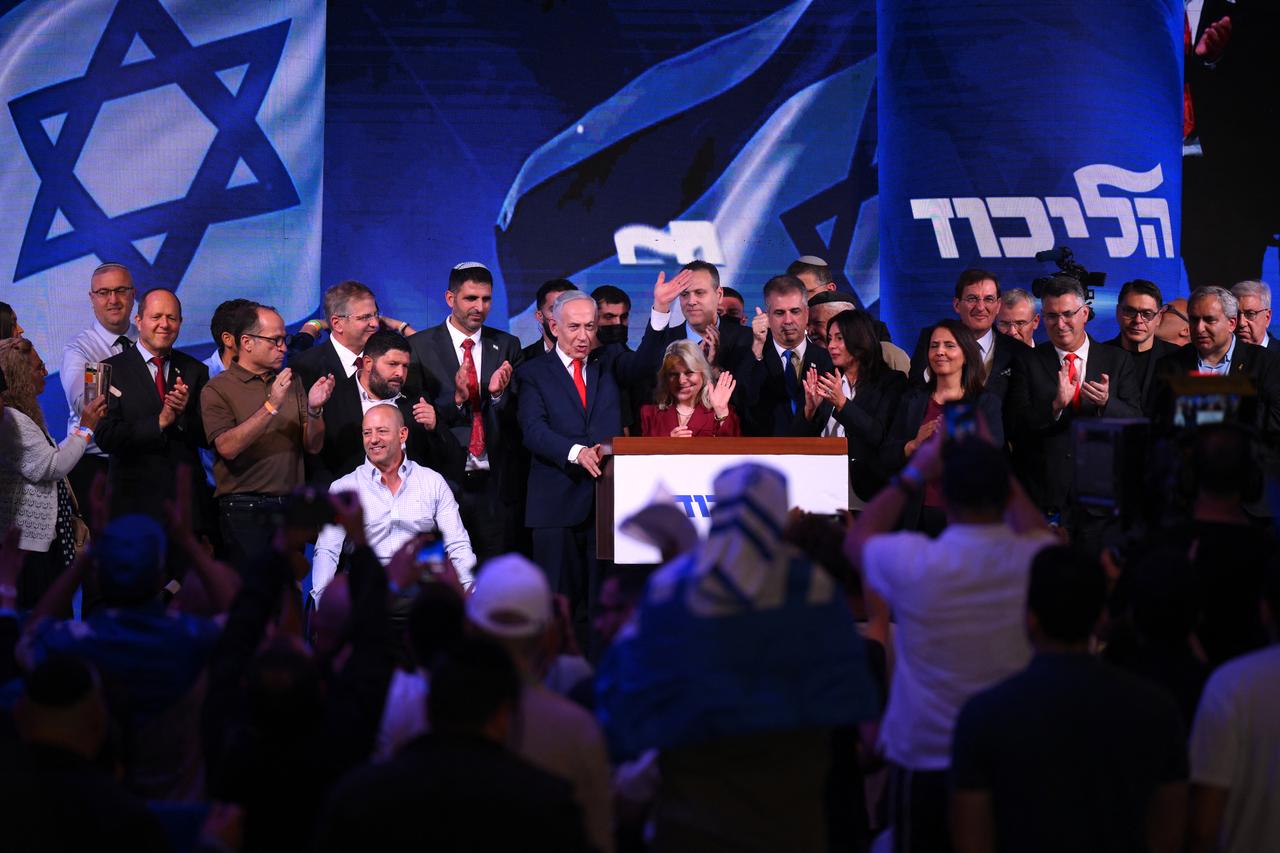

The political outlook represented today by Likud and Netanyahu is characteristic of the second period of Israeli politics that developed after the 1977 elections.
Yet, at this point, the Likud political model—the concrete expression of an organic coalition between an Ashkenazi elite that had switched sides and Mizrahi and Sephardic constituencies—no longer appears capable of delivering the benefits necessary for the continued survival of the Israeli state. Indeed, it has begun to undermine not only Israel’s security but also its international relations.
Netanyahu’s political approach and security-centered policies since Oct. 7 have strained relations between Tel Aviv and Western capitals, while Israel has lost a substantial measure of support in the United States.
The new political and social model that Likud has sought to construct through its alliance with the ultra-Orthodox and religious Zionist groups has also evolved into a force that threatens the long-term viability of the Israeli state.
In fact, during the repeated elections in 2019, 2020, and 2021 amid political instability, first Benny Gantz and then Naftali Bennett emerged as center-right leaders seeking to remove Netanyahu from power.
Gantz had been chief of staff of the Israel Defense Forces, while Bennett had served as Netanyahu’s chief of staff. However, both failed to dislodge the existing order and replace it because they were unable to build a sufficiently strong social base.
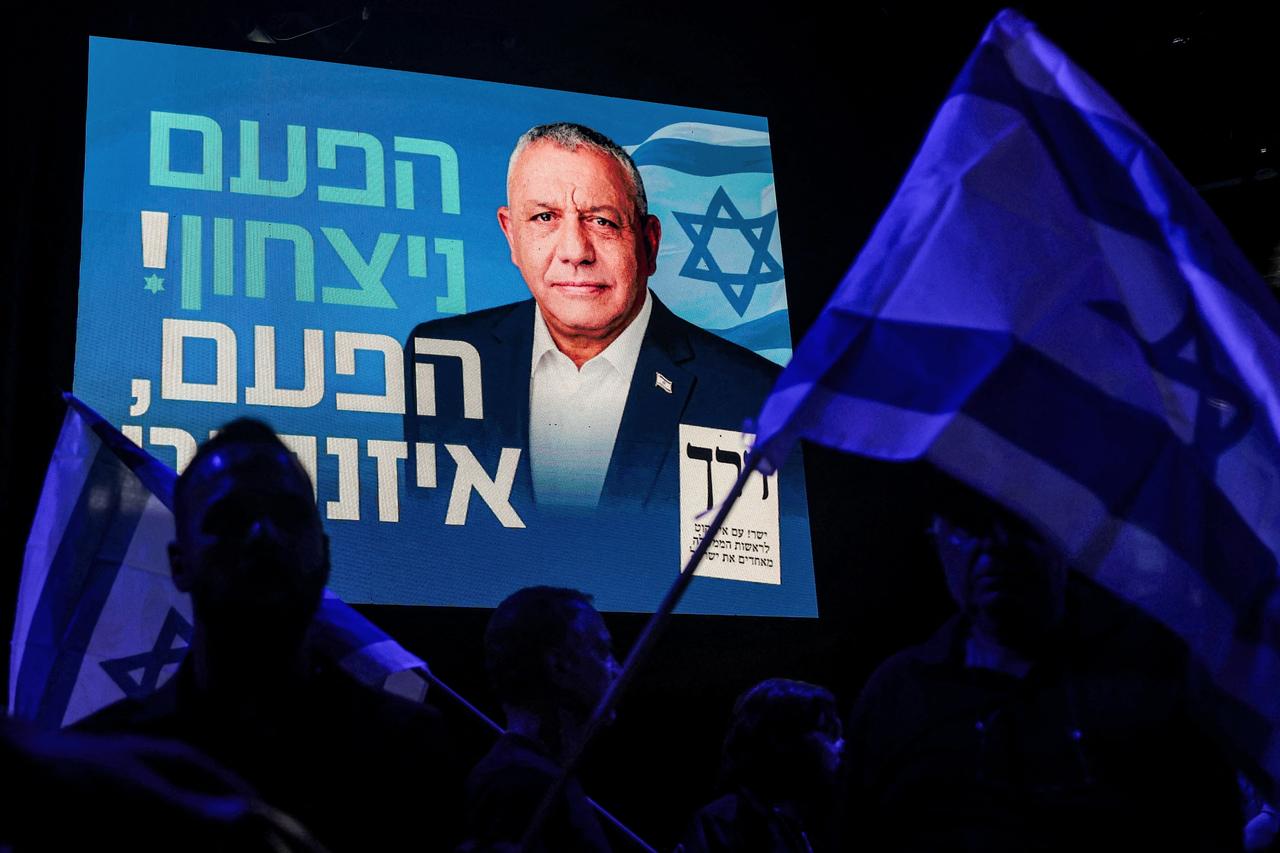
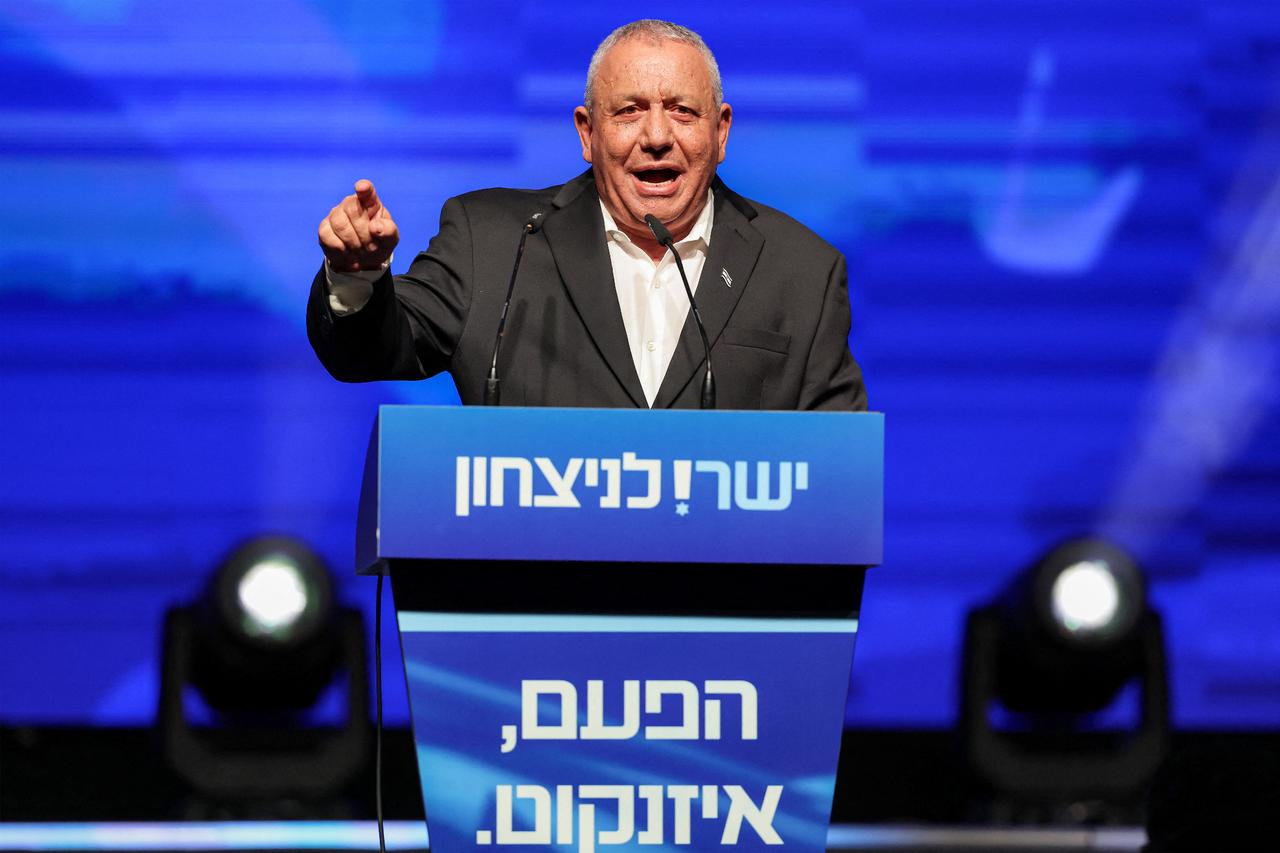
Today, Eisenkot is playing a similar role: seeking to remove Netanyahu and replace him. Yet Eisenkot’s mission is more significant. He is also attempting to sustain the Israeli state into its third period through an entirely new model of governance.
This new model involves incorporating Arabs into Israeli politics as a means of constructing both a new social order and a new model of political power and governance.
For Israel to dismantle Iran’s regional network of proxy actors, it must align itself with emerging regional military coalitions while securing the support of Sunni Arab states and populations across the Middle East.
This makes it imperative for the Israeli state to undergo another transformation and devise an entirely new political framework. The picture emerging from the election results makes such a redesign increasingly necessary.
At the same time, the Oct. 7 war and the horrific destruction inflicted on Gaza under Netanyahu’s leadership can also be interpreted as developments that have delayed, and even undermined, the emergence of a new political framework against Iran, both within Israel and across the region.
Since the Oct. 7 war, Netanyahu has widened the distance between the Israeli state apparatus and its Arab citizens and neighbors. He has also sought to construct a new model of governance through an alliance with the ultra-Orthodox and zealot religious Zionists, an alliance that offers Israel no discernible diplomatic or security benefits.
In doing so, he has disregarded the role that Western powers envision for Israel in confronting Iran and has sought to prolong his political tenure, which should have come to an end, unnecessarily and at the expense of Israel’s own interests.
For this reason, his removal from power by political elites both within Israel and in the West, particularly in the United States, has become inevitable. It must be understood that Israel will struggle to ensure its continued existence without the support of great powers and without pursuing a policy of balancing its relations among them.
The Soviet Union was the first country to formally recognize Israel. Several factors may help explain this: Israel’s struggle against the British Mandate, the socialist character of the Haganah as a resistance organization, and the presence of institutions such as the Histadrut and the kibbutzim, which bore similarities to Soviet institutions when the state was established.
Subsequently, Israel received French arms during the 1950s and financial assistance from West Germany. Following the 1967 war, it continued its development with American diplomatic, military, and economic support.
In this third phase of transformation, alongside Western involvement, one of the most important domestic actors capable of securing support from within Israel’s political elite is undoubtedly President Isaac Herzog. His father, Chaim Herzog, was also a former president and a figure with roots in the Labor Party.
It should not be forgotten that Chaim Herzog served as president during the Arab-Israeli peace process that gained momentum in the early 1990s.
For Israel to achieve social peace at home and to act in harmony with, or secure a place within, the emerging Sunni Arab alliance against Iran, it has little choice but to consider forming a new government in partnership with the Arab parties that have become pivotal actors following their dramatic surge in votes in these elections.
As argued in my previous article, Mansour Abbas and his party, Ra’am, will play a particularly significant role in Israel’s third phase of transformation.
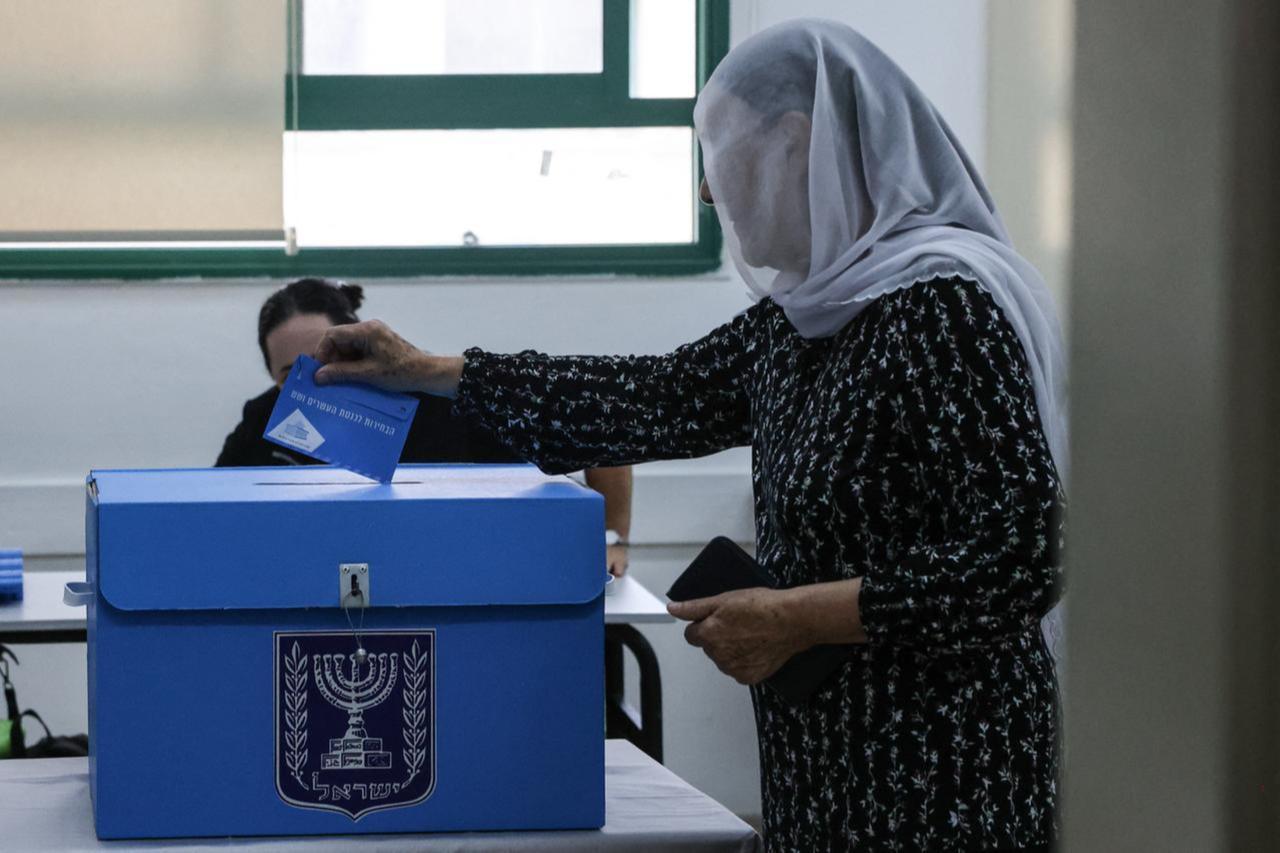
A symbolic and striking indication that a new political era may be beginning is the decision by Bedouin tribes in southern Israel, who have generally shown limited engagement with mainstream politics, to travel in convoys on camels to polling stations to vote for Ra’am.
This mobilization has taken place against the backdrop of house demolitions carried out by Netanyahu's coalition partner Itamar Ben-Gvir. These communities could have chosen to protest against the Israeli state’s elections because of the events of Oct. 7.
Instead, they opted for high electoral participation, seeking to become directly involved in governing the country and to help remove Netanyahu, who has sought to steer Israel in a different direction in alliance with ultra-Orthodox and religious Zionist constituencies.


 Set as preferred source
 Set as preferred source


 2 min read
 1 min read