Newsletters


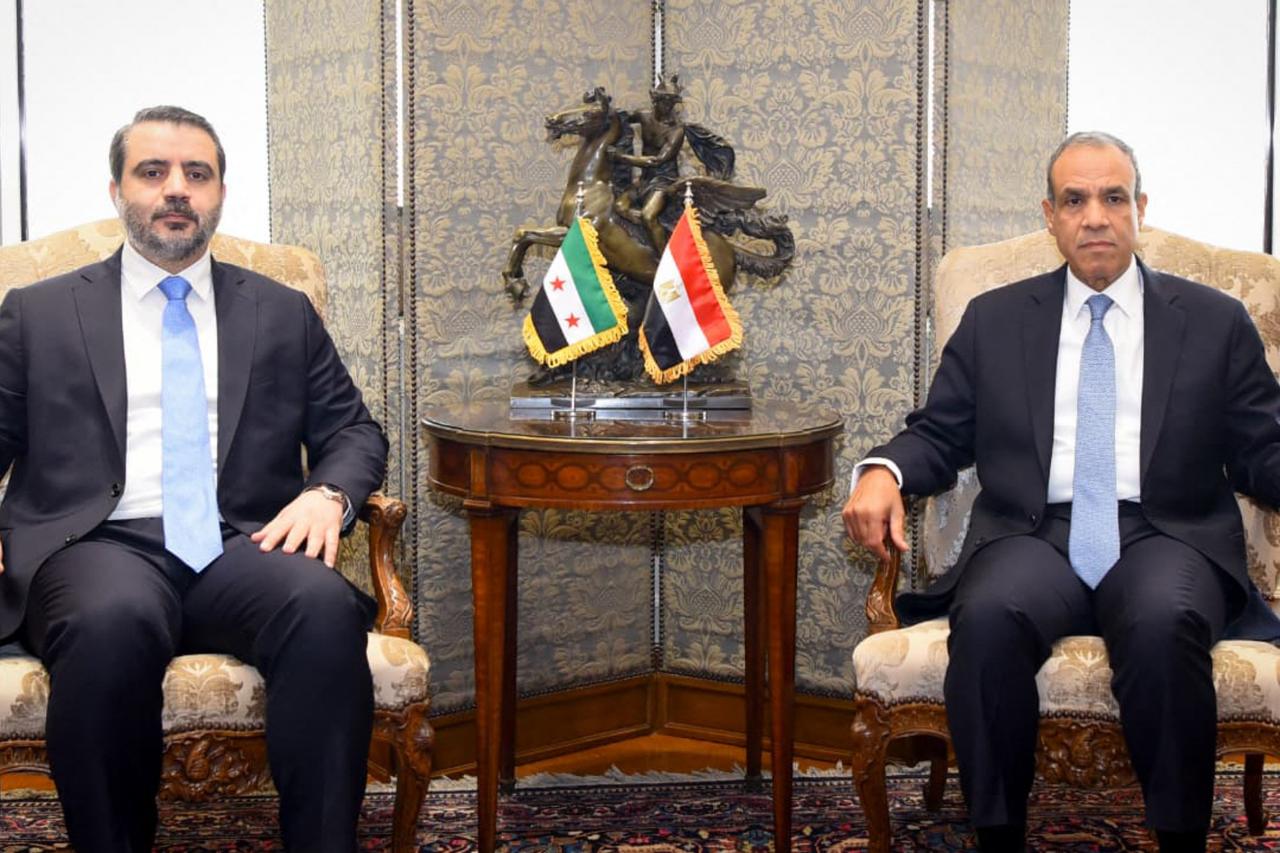


Syrian Foreign Minister Asaad Hassan al-Shaibani visited his Egyptian counterpart Badr Abdelaty in Cairo. Both ministers discussed ways to enhance their bilateral relations and increase trade and economic cooperation. Syria and Egypt can benefit a lot from each other. But will both nations be able to overcome the hurdles of mistrust and geography?
Looking back at history, from ancient times to modern ones, Syria and Egypt have always had strong, and occasionally difficult, bonds.
But today, both nations represent two opposite outcomes of the popular uprisings, commonly referred to as the Arab Spring.
While Egypt is often cited as an example of a failed revolution that resulted in the country's return to authoritarianism, Syria is a success story for its popular uprising.
While the direction in which Syria is headed in its critical transition process is yet to be seen, all current indicators point towards nationwide free elections.
For Egyptian President Abdel Fattah el-Sisi, who solidified his power with a coup against the last and only real elected president, Mohammad Morsi, this trend is worrisome.
The fear of potential spillover effects towards Egypt was high in December 2024, but the masterful diplomatic and communication maneuvers by Syrian President Ahmad al-Sharaa have mitigated this fear.
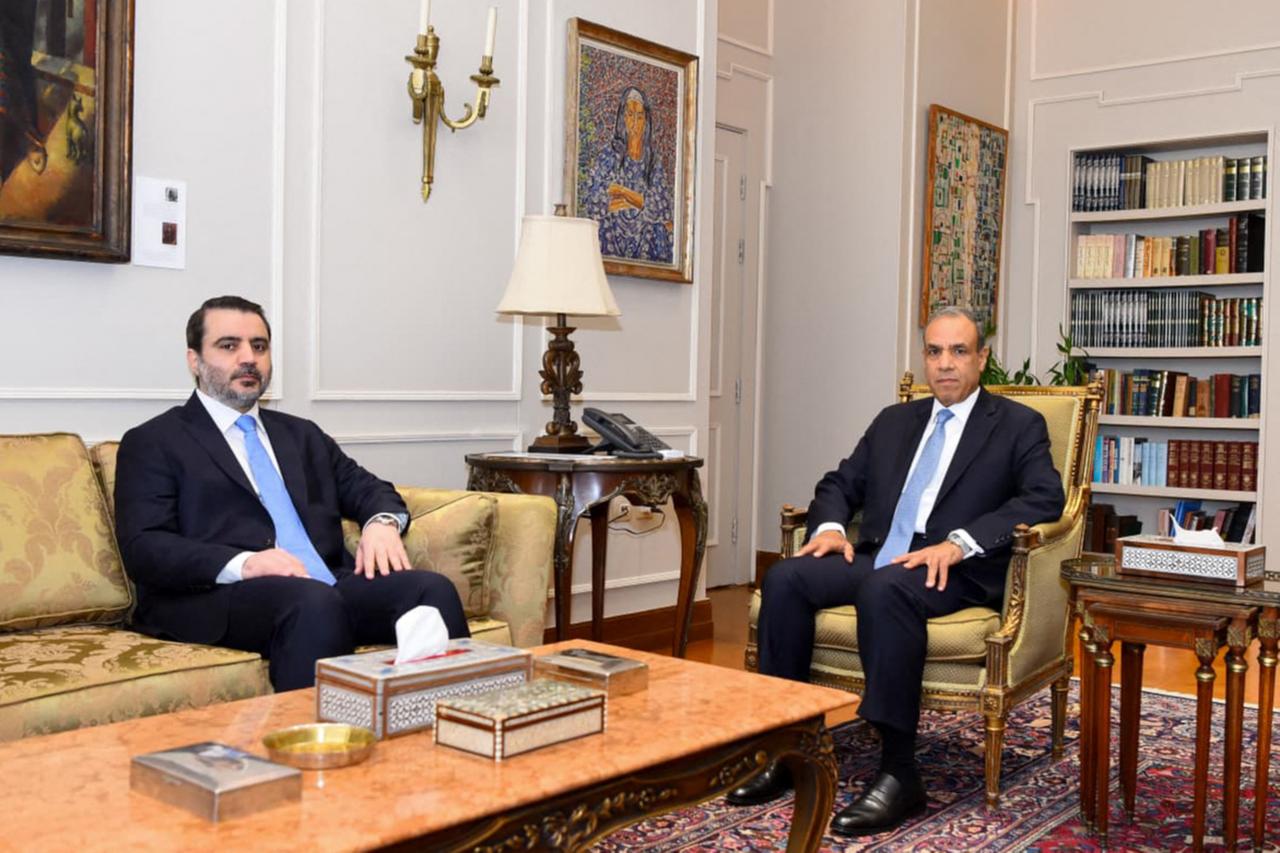

This main reality remains as a natural cap for Syrian-Egyptian ties. Damascus is pushing hard to build trust, restore relations, and enhance the level of cooperation.
Cairo, on the other hand, remains on the back foot. When Sharaa and Sisi recently attended a summit in the Greek Administration of Southern Cyprus, the body language of both leaders visualized this attitude.
The Syrian push is not without reason. It is in Syria's best interest to try to increase the threshold of this natural cap.
It could utilize the Egyptian military prowess to reduce dependency on Türkiye, accelerate the training of its armed forces, and, more importantly, help counterbalance Israel.
But this natural cap, as well as the mistrust between the Egyptian army and the Syrian army, will likely continue to limit military cooperation.
Besides this invisible ideological barrier, both nations also have a physical barrier between them.
As they don’t neighbor each other, and as Israel stays in between them, there are certain limitations the countries cannot overcome—even if they wanted to.
The best proof of this basic reality was the failed experience of the United Arab Republic.
Even when ideology overlaps and the will is present, geography has the tendency to force itself upon relations.


 Set as preferred source
 Set as preferred source


 1 min read



 1 min read