Newsletters


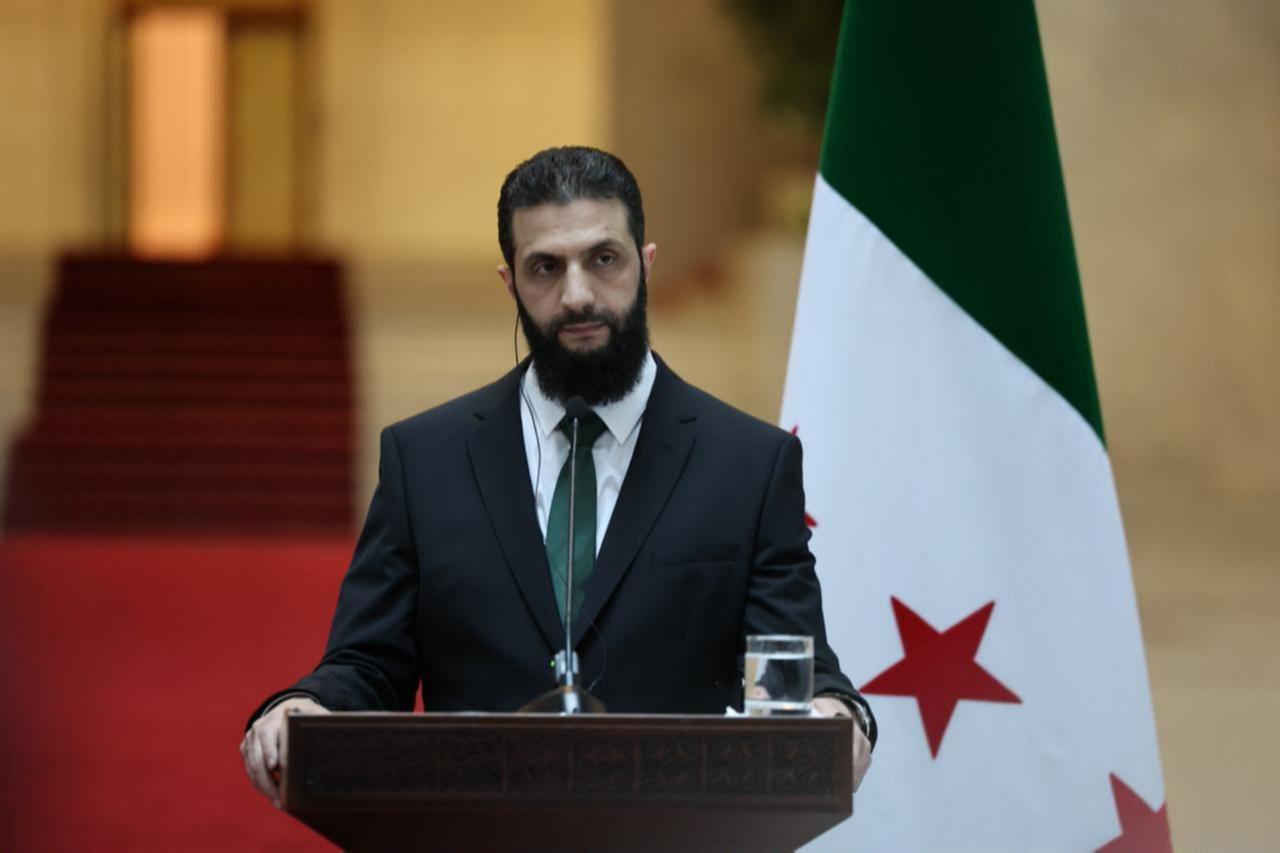


When the Assad regime finally collapsed, the scenes at Syria’s borders resembled a tide rushing back to shore. Thousands of refugees rushed home, their euphoria as high as their expectations.
But as the initial celebrations fade, a much harder reality is setting in. The dream of a quick recovery is hitting a wall: the regional investment Syria desperately needs is being scared off by the escalating conflict between the U.S., Israel and Iran.

For years, there was a comforting myth in Syria: that every single one of the country’s problems began and ended with the House of Assad. It was a nice thought, and when the regime finally fell, that belief turned into a fever pitch of unrealistic expectations. People didn’t just hope for a quick recovery; they expected it.
The Syrian government also fueled these unrealistic expectations out of the need for immediate political consolidation. While both behaviors might be understandable, the realization kicked in very late.
According to a poll by “Syrian In Transition” conducted in April, 35% of respondents said that they had difficulty covering their living expenses every day or every week in the last 12 months. Furthermore, only 25% stated that they are satisfied with basic public services in their area.
A decline from 49% in February. And only 13% believe that the Syrian government is doing enough to address rising food and energy prices.
But perhaps the most troubling figure concerns the return of refugees. Half of those surveyed said that Syria is still not safe for refugees to return today—a trend that I am personally witnessing as a growing sentiment within the country.
While many Syrians acknowledge that security has improved significantly, they still strongly advise against returning. I have seen this firsthand with friends who made the journey back; many now look toward Türkiye with a sense of nostalgia, openly regretting their decision to leave.
Official Turkish government figures underscore this shift. While 553,772 Syrian refugees returned in 2025, only 64,178 people have made the journey back in the first four months of 2026.
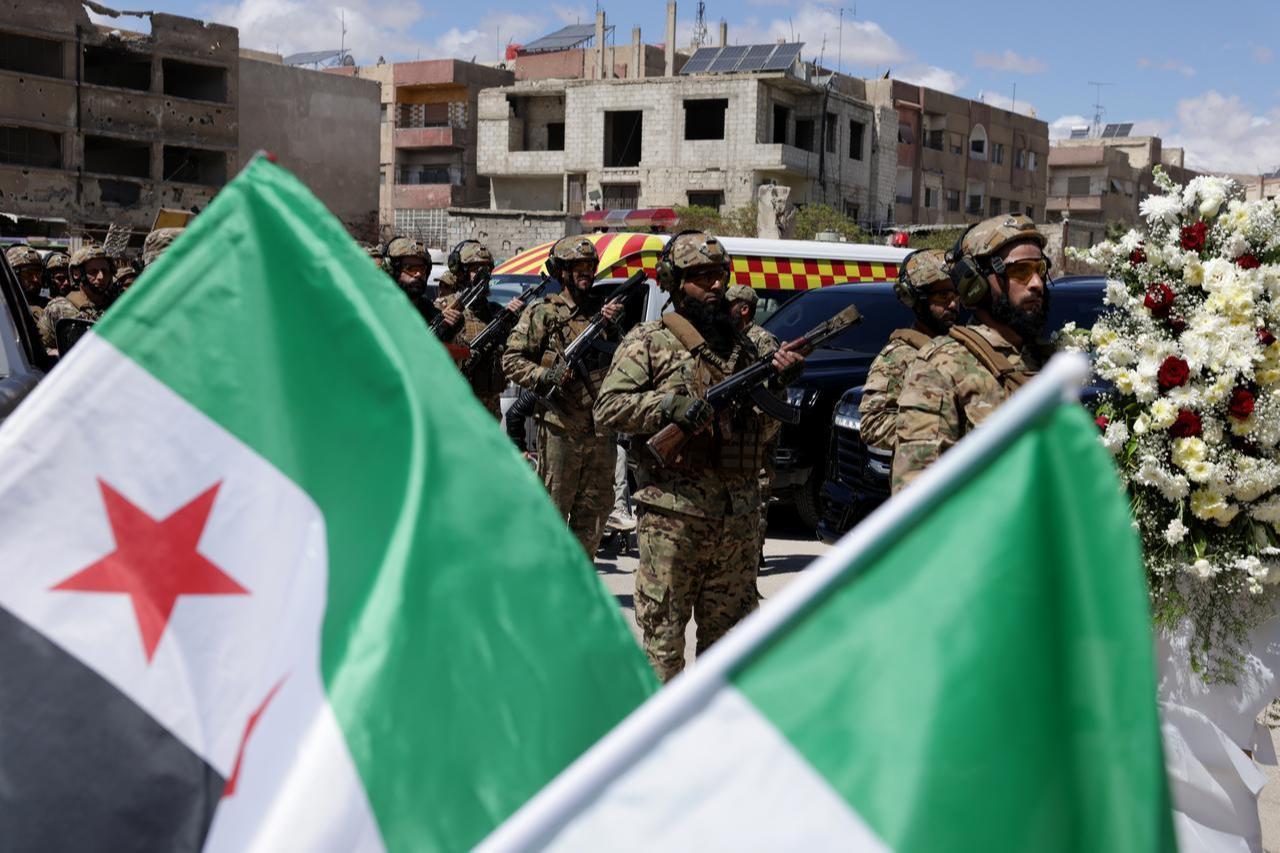
To be fair, the expectations of Syrians about how fast the economy should improve after 14 years of brutal civil war were not realistic. Syria is doing way better than other comparable post-war nations.
Syrians also failed to understand international fatigue in support of Syria. With the ongoing wars in the world, the international community had little to spare to aid Syrians in rebuilding their country.
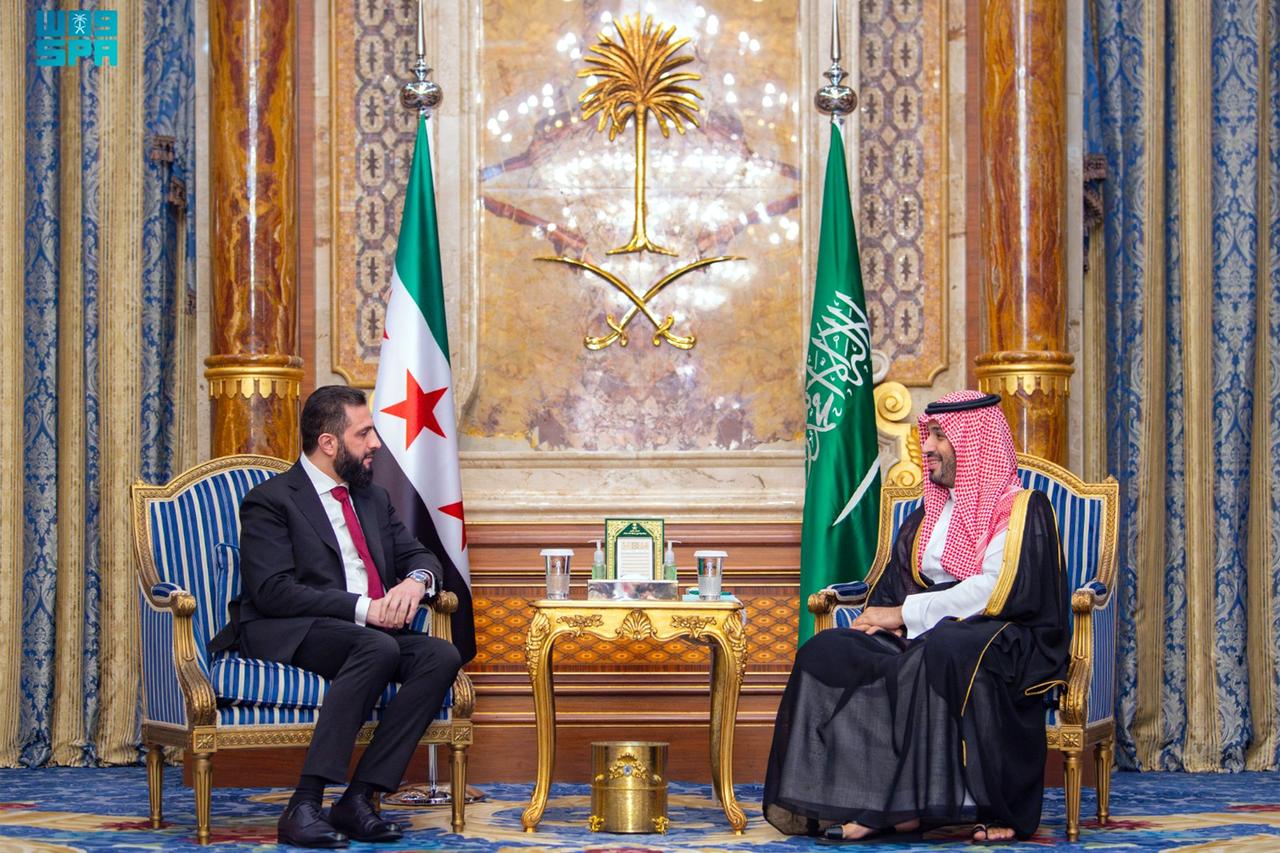
And the hope that Gulf states would come in with big investments to revitalize the Syrian economy was progressing quite well until the Iran war.
Whether Gulf investments will continue as initially planned and negotiated remains unknown, but it currently seems unlikely.


 Set as preferred source
 Set as preferred source


 1 min read

 1 min read