Newsletters


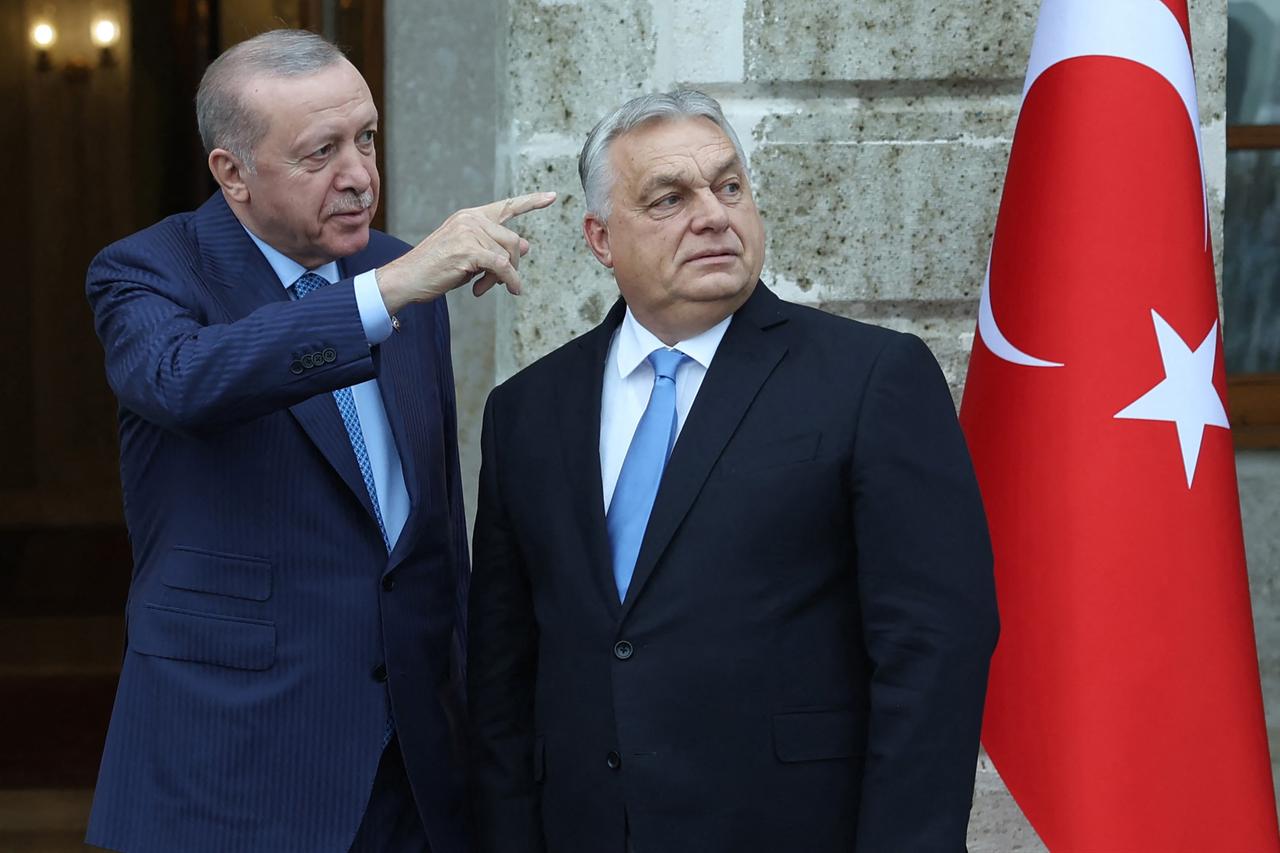


Hungary and Türkiye share deep historical and cultural ties that have strengthened considerably in recent years. This socio-cultural proximity, reinforced by overlapping geopolitical interests, provides a solid foundation for enhancing bilateral cooperation—especially in the energy sector.
Amid growing criticism from both the European Union and Ukraine over Hungary’s ongoing dependence on Russian energy, Budapest appears increasingly motivated to diversify its energy imports.
One of the most viable alternatives lies in Caspian gas transiting through Türkiye—a route that offers energy security without political blackmail, corruption, or Kremlin dictates.
Ankara and Baku have repeatedly emphasized their readiness to support Hungary’s energy diversification, without demanding political alignment in return. Türkiye, positioning itself as a bridge between the Turkic world and Hungary, offers not only infrastructure but also a politically neutral corridor.
Hungary’s observer status in the Organization of Turkic States (OTS) and its role as host of the informal OTS summit in May 2025 further underscore Budapest’s intention to deepen its engagement with the Turkic world.
Prime Minister Viktor Orban is leveraging these ties to attract investment, open new trade corridors, and reduce energy vulnerability—all while boosting his domestic standing ahead of the 2026 elections. In this context, Hungary’s greater involvement in regional frameworks like the Middle Corridor or a revitalized Three Seas Initiative could elevate its position as a central energy and logistics hub.
Thus, the convergence of historical, geopolitical and economic factors creates a unique window of opportunity for deeper Hungarian-Turkish energy cooperation, one that could significantly reduce Hungary’s reliance on Russian resources.
Since the start of Russia’s full‑scale invasion of Ukraine in February 2022, Hungary and Slovakia are believed to have paid Moscow close to $6 billion in tax revenues for crude oil deliveries alone.
This contribution is enough to fund thousands of cruise missiles that are being used daily against Ukrainian towns and cities.
Despite the EU's call to phase out Russian fossil fuel imports, Budapest and Bratislava actually increased their dependency on Russian energy. Hungary’s reliance on Russian oil rose from 61% on the eve of the invasion to 86%, while Slovakia is now almost entirely dependent on Moscow for oil.
Similar dependence remains for gas imports. Yet this dependency isn’t a necessity but a choice. According to a report by the Center for the Study of Democracy (CSD) and the Center for Research on Energy and Clean Air (CREA), both Hungary and Slovakia could diversify energy sources via alternative routes—for example, through the Adria pipeline from Croatia.
And alongside Croatia, there is a strong and compelling alternative in Türkiye. Türkiye offers a reliable Caspian‑to‑Europe gas corridor, which could significantly reduce Hungarian and Central European dependency on Russian energy. This shift wouldn’t just mean lower prices and stable supply, it would mean freedom from Kremlin leverage, from corruption risks, and from political blackmail that often accompany Moscow‑controlled energy contracts.
The data show clearly: Hungary’s current energy dependency on Russia is not dictated by geography or economy; it is a policy choice. But there is a real, viable exit, which is through diversification via pipelines such as Adria and Caspian flows via Türkiye.
Given Türkiye’s strong geopolitical position, infrastructure connections, and willingness to offer transparent, market‑based energy supply, it can, and should become a strategic pillar for Hungary’s energy security and independence.


It is important to emphasize that Hungary is actively pursuing multilateral diplomacy in Central Asia, building relationships with Turkic countries while bypassing Moscow’s energy influence. Recent developments illustrate this shift.
On Aug. 22, 2025, in Turkmenbashi, the leaders of Turkmenistan, Azerbaijan, and Uzbekistan convened a high‑level summit, establishing a new trilateral framework to deepen cooperation on energy, transport, and logistics under what is billed as a revitalized Silk Road agenda.
This new format aims to facilitate regional energy and transport projects that could substantially alter Europe’s energy market, particularly through the southern route of the Central Asian section of the Trans‑Caspian corridor.
Hungary’s already developed cooperative ties with Turkic countries in energy (green and traditional), trade, and diplomacy place Budapest in a unique position to act as a strategic hub between the European Union and the Turkic world.
Türkiye is also actively promoting its energy initiatives in Central Asia and the Caspian region. As part of its expanding strategic ties with Kazakhstan, Türkiye recently signed over 20 bilateral agreements covering sectors such as energy, artificial intelligence, and transport.
This reflects Ankara’s broader vision to deepen its influence in the region through multi-sectoral cooperation, including energy diplomacy.
President Recep Tayyip Erdogan and Kazakh President Kassym-Jomart Tokayev signed 20 cooperation agreements in Ankara on Tuesday during the Kazakh leader’s official visit for high-level talks.
The agreements, spanning sectors from energy and transportation to artificial intelligence and media, were signed as part of the 5th Meeting of the Türkiye-Kazakhstan High-Level Strategic Cooperation Council. Both leaders signed the council's joint statement and its final decision.
Among the most significant agreements were a deal between Turkish Petroleum and NC Kazmunaygaz on energy cooperation and a freight transportation agreement on the Middle Corridor railway route involving Türkiye’s national railway operator, Pacific Eurasia Logistics, and Kazakhstan’s state railways.
Hungary is not destined to remain dependent on Russian energy pipelines—viable and secure alternatives do exist. For decades, the dominance of Russian oil and gas has created a false sense of inevitability in Hungary’s energy strategy.
However, Caspian energy resources, accessible via Türkiye, offer a credible, affordable, and geopolitically safer path toward diversification. Unlike Russia, Türkiye and its partners—Azerbaijan, Turkmenistan and Kazakhstan—do not engage in political coercion or weaponize energy supply.
Ankara’s consistent efforts to expand regional energy infrastructure present Hungary with a clear opportunity to exercise its sovereign energy choice free from Kremlin influence.
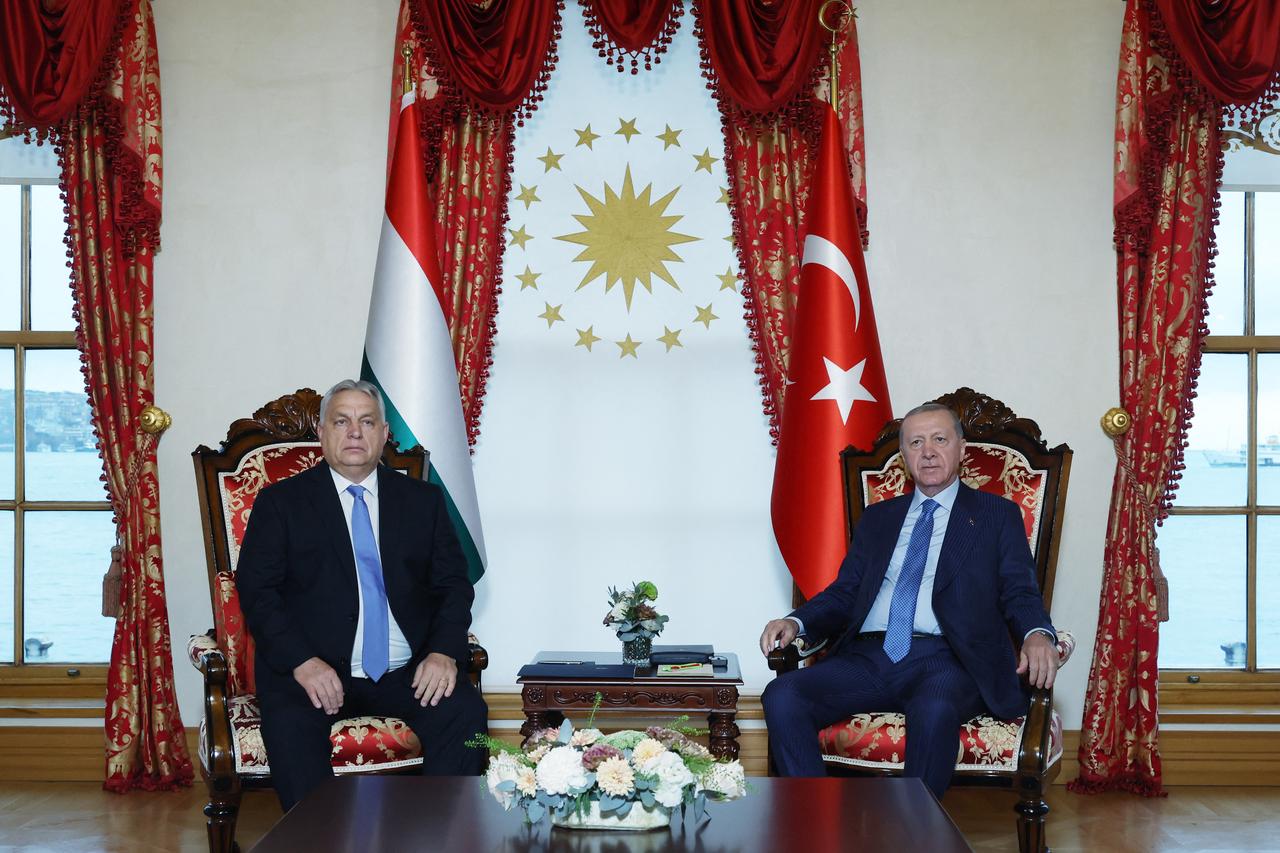
Russia’s full-scale aggression against Ukraine has become an indirect yet powerful catalyst for Hungary to reconsider its energy dependence on Moscow.
Amid mounting regional insecurity and repeated attacks on critical infrastructure, such as the Dec. 1 Ukrainian strike on the Druzhba oil pipeline, Budapest faces growing pressure to diversify away from Russian supplies.
While Hungary and Slovakia have continued importing Russian crude via Druzhba, these events highlight the strategic vulnerability of relying on Kremlin-controlled routes.
At the same time, Türkiye’s growing role as a stable and politically neutral energy partner presents an increasingly viable alternative. Thus, Moscow’s war against Ukraine has indirectly driven Budapest closer to Ankara.
Replacing Russian energy imports is not merely a geopolitical preference; it is Hungary’s protection against future blackmail.
The Kremlin has repeatedly cut off gas supplies to European countries at the most critical moments, exposing the vulnerability of dependence. Turning to Caspian energy via Türkiye offers Hungary a form of "energy vaccination," a strategic move that builds resilience.
Türkiye, as a NATO member, an EU strategic partner, and a key actor in the Black Sea region, provides Hungary with a secure and reliable alternative.
Ankara’s growing energy cooperation with Azerbaijan, Turkmenistan, and Kazakhstan ensures a more stable, predictable, and politically neutral supply chain.
For the Hungarian people, this shift offers tangible benefits: lower energy costs by eliminating Russia’s corrupt premiums, reduced risks of supply disruption, and strengthened national energy security.
In short, Türkiye’s role as a bridge to Caspian resources empowers Hungary to pursue a more independent and economically advantageous energy path.


 Set as preferred source
 Set as preferred source


 2 min read

 1 min read