Newsletters


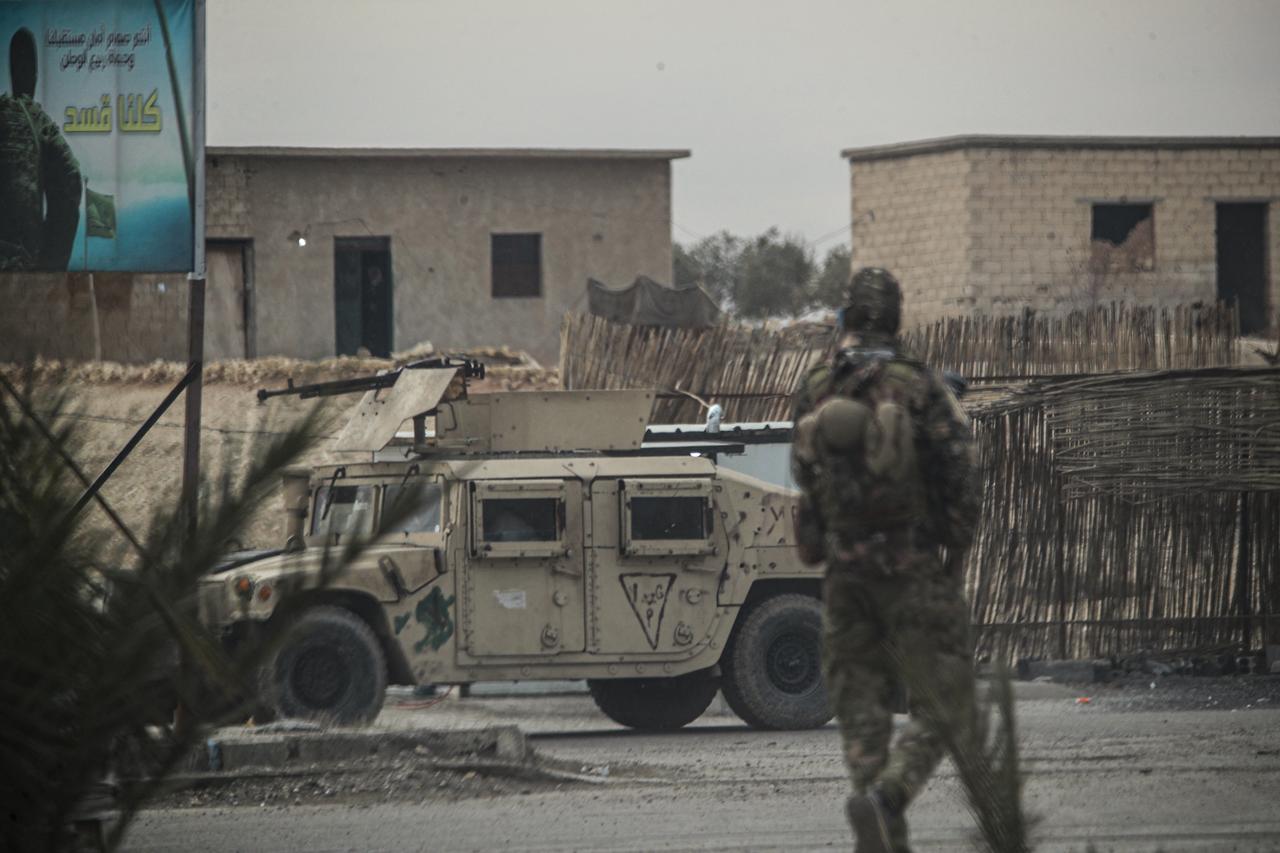


As the Syrian army continues its advance in northeastern Syria against the SDF, civilians have taken to the streets to celebrate. In many areas, local civilians and tribal forces even took up arms and liberated their hometowns from the YPG-dominated SDF before the Syrian army came anywhere near them.
These developments will have far-reaching consequences for Syria and the broader region, but they also underscore an uncomfortable reality: current events represent yet another failure of U.S. Central Command (CENTCOM), which for years promoted the SDF as the “most efficient force” in Syria.
CENTCOM’s track record in the region is deeply flawed, and Syria is showing another failure. Time and again, CENTCOM has chosen to support and empower militias that run counter to local social, demographic, and political realities. These ventures are presented as great ideas, but they ultimately end in strategic failure and reputational damage for U.S. foreign policy.
Afghanistan is a prime example. For decades, CENTCOM trained and equipped the Afghan army, spending trillions of U.S. taxpayer dollars to prop up the Afghan government against the Taliban.
In the end, the Taliban swept through the country with astonishing speed. While President Joe Biden bore the political cost, the collapse was primarily the result of a long-standing CENTCOM failure.
Iraq followed a similar trajectory. CENTCOM trained and equipped the Iraqi army while sidelining Sunni tribal forces that had effectively fought al-Qaeda.
Under the guidance of Brett McGurk, Washington doubled down on supporting pro-Iranian Prime Minister Nuri al-Maliki. The result was catastrophic: sectarian polarization, institutional collapse, and the rise of ISIS across large parts of Iraq and Syria.
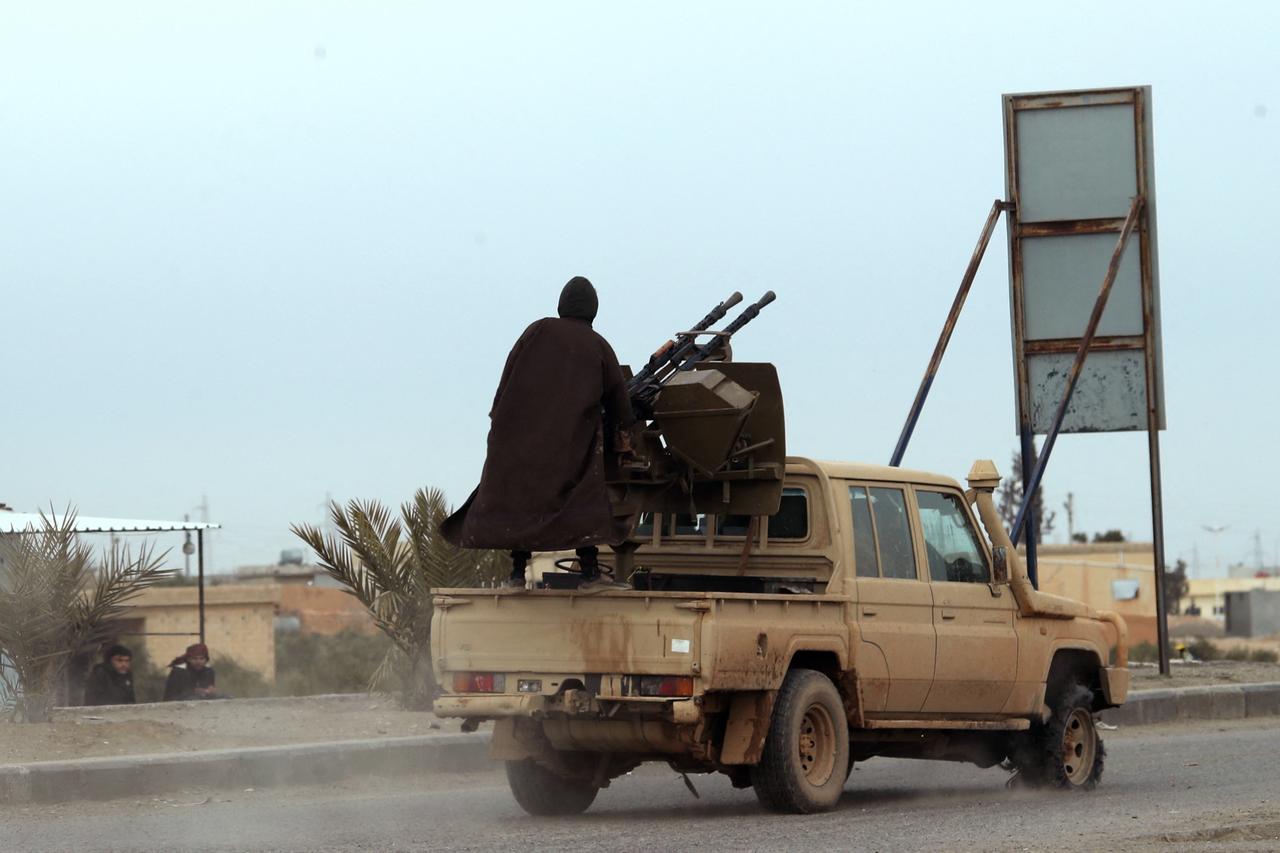

Despite these experiences, CENTCOM—once again with Brett McGurk playing a central role—chose to back the PKK’s Syrian branch in the fight against ISIS. Facing sustained Turkish criticism, Washington rebranded the group by creating the SDF.
For years, CENTCOM portrayed the SDF as a multiethnic force and the most effective partner on the ground in Syria. At the same time, it refused to provide comparable support to Syrian opposition forces, despite repeated calls from both Türkiye and Syrian actors.
Today, those very Syrian opposition forces are defeating the SDF with remarkable speed. The SDF is collapsing across multiple fronts, exposing the fragility of a project that CENTCOM had invested in.
While the final fate of the SDF remains uncertain, one fundamental question now confronts CENTCOM:
Why did it mislead the international community for so long and squander billions of U.S. taxpayer dollars on a project that ran directly against local social dynamics and regional geopolitical realities?
In the early hours of Sunday, tribal forces and the Syrian army captured an area containing major oil and natural gas fields in Deir ez-Zor province, east of the Euphrates River, securing a significant area of the Deir ez-Zor province.
The Syrian Army also advanced significantly in Raqqa, where the SDF blew up the Old Bridge over the Euphrates River to stop the advance.


 Set as preferred source
 Set as preferred source


 7 min read