Newsletters




When looking at the Middle East today, it is possible to see a picture composed of seemingly disconnected developments that in fact reflect different faces of a single collapse. The so-called Board of Peace for Gaza was launched without a single dollar of real investment, and despite its flashy ceremony, lacks both substance and vision. Furthermore, strategic vulnerabilities have been exposed by the war with Iran, while an America, weary of carrying NATO alone, claims it wants out. And, at the center of it all, are Gulf monarchies, struggling to decide where to anchor themselves.
This is not merely a geopolitical earthquake. It is a portal to a decade-long strategic opportunity for Türkiye.
Trump’s Board of Peace, unveiled with considerable fanfare in January, remains officially unfunded more than four months after its launch. Member states had pledged $7 billion to the fund established through the World Bank, while Trump promised an additional $10 billion in U.S. financing. Yet the account held at JPMorgan Chase operates entirely outside the World Bank’s standard transparency mechanisms, and not a single dollar has reached Gaza’s reconstruction effort.
This is not a routine bureaucratic delay. According to two sources familiar with the matter cited by the Financial Times, not a single dollar has been disbursed for Gaza’s reconstruction. Gaza remains in ruins, children remain in tents and the Israeli campaign continues. And while the rhetoric about peace persists, the Board of Peace’s coffers remain as empty as its substance. The episode lays bare how disconnected Trump’s grand promises of “historic peace” and “transformational vision” are from operational reality.
For years, Trump accused his predecessors of dragging America into the Middle East’s “forever wars.”
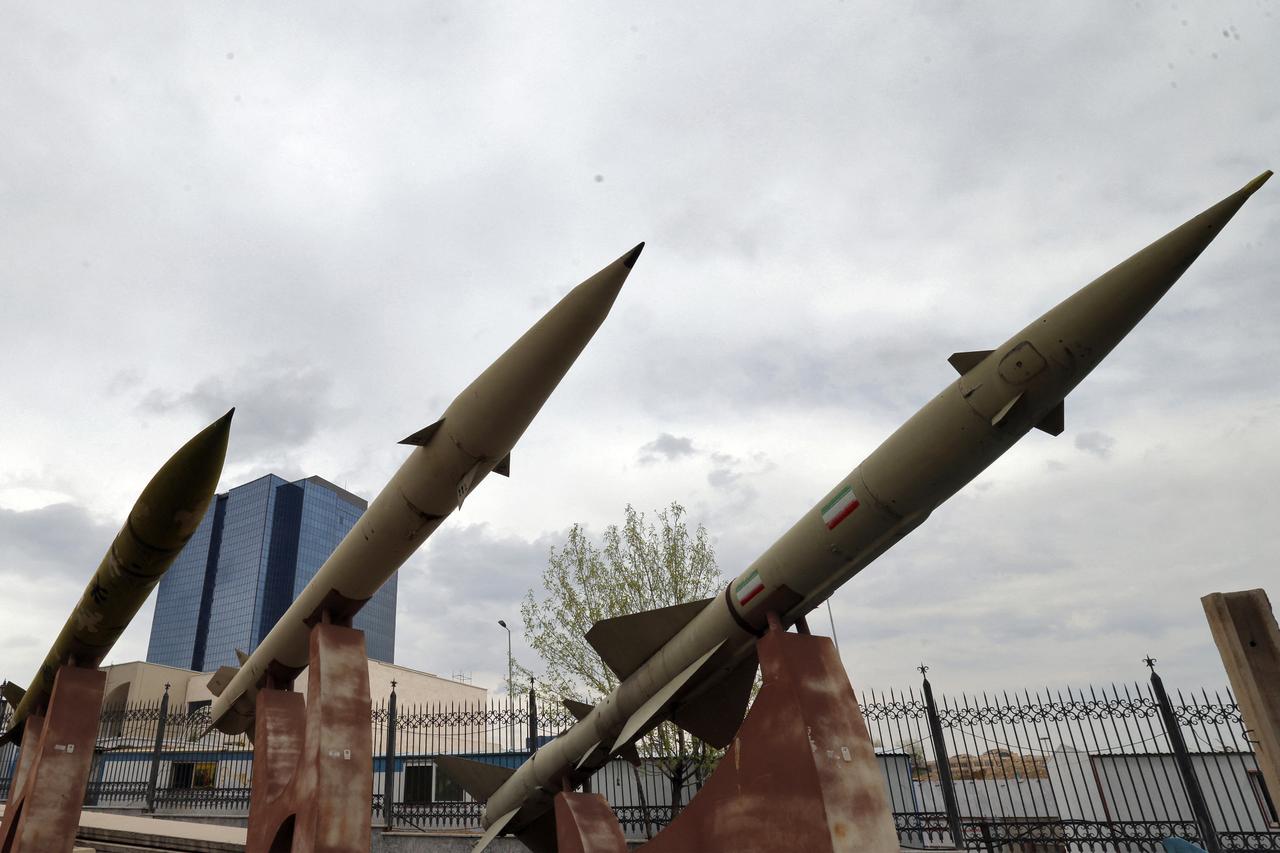
Now he finds himself trapped in an Iranian quagmire he did not anticipate and appears unable to exit on favorable terms. The objectives of Operation Epic Fury were explicit: regime change and the dismantling of Iran’s nuclear program. Neither was achieved. Instead, the effective closure of the Strait of Hormuz has sent shockwaves through global markets, leaving the world economy to absorb the costs.
As Lawrence Freedman argued in Foreign Affairs, American military planning has long relied on overwhelming speed and operational complexity to disorient adversaries. Artificial intelligence has only sharpened this doctrine. But the emphasis on speed and destruction has obscured a far more critical question: how military action translates into durable political outcomes.
Washington had reportedly assured allies the conflict would be over within days. Unlike his predecessors, Trump sought a short war. Instead, the opposite unfolded. The war has become increasingly costly for the United States. Iran’s regime did not collapse; it adapted, consolidated and proved more resilient than anticipated.
When Washington’s strategy faltered within days and no credible proxy ground force emerged, Tehran managed to secure an outcome that, militarily speaking, amounted to a near-strategic draw against stronger adversaries.
This shift is also slowly reshaping the Gulf, particularly after Iran’s severe retaliation against Gulf states hosting American military bases.
The members of the Gulf Cooperation Council are doing what they have always done in moments of upheaval: recalculating, dispersing risk and preparing for a world that looks fundamentally different from the one they knew before. The Iran war represents the most destabilizing regional event since the 1979 revolution, and it is redrawing the political and security geometry of the Middle East in profound ways.
In many respects, Iran proved its strategic resilience. It confronted both the United States and Israel simultaneously, absorbed severe strikes on its nuclear infrastructure, lost senior political and military figures, and saw significant damage inflicted on its conventional forces. Yet it still managed to effectively close the Strait of Hormuz for weeks, disrupting nearly one-fifth of global oil supply. It launched missile and drone strikes across Gulf states and found a way to extract unexpected strategic gains from what was tactically a costly war.
For Gulf governments, the lesson was stark. Despite spending hundreds of billions on American defense systems, they were unable to fully shield their critical infrastructure. Iranian drones still reached their targets.
The result is a new regional calculus. The Gulf will no longer unquestioningly align itself with Washington’s unilateral decisions. The security partnership with the United States will endure, but on more conditional terms. China will remain the indispensable economic partner. Russia will preserve its place in the energy equation. And Iran will persist not as an enemy to be eliminated, but as a geopolitical reality to be managed.
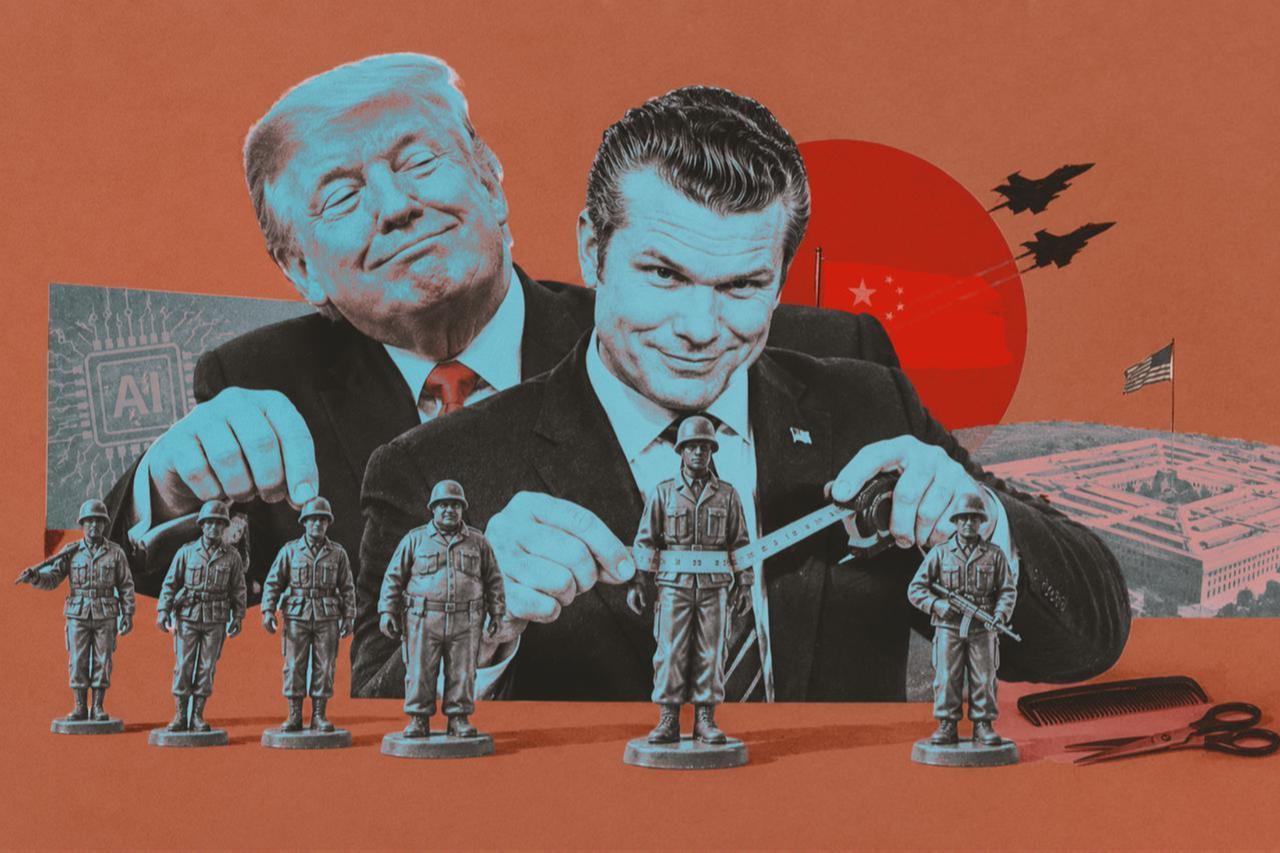
Viewed from the European side, the picture becomes even starker. According to reporting by Der Spiegel, a senior representative of U.S. Defense Secretary Pete Hegseth briefed top allied officials at NATO headquarters last week. He outlined Washington’s plan to significantly reduce the critical military capabilities it contributes to the alliance, including fighter aircraft, warships, surveillance drones and tanker aircraft. European allies will be expected to fill the resulting gaps at speed.
The projected reductions are far sharper than European officials had anticipated. Strategic bomber deployments are set for substantial cuts, while the American fighter aircraft contribution could fall by roughly one-third. The message is unmistakable: Washington intends to preserve nuclear deterrence in Europe, but expects Europeans to shoulder the conventional defense largely on their own. Submarine support is also expected to be withdrawn.
This amounts to an official declaration of NATO’s structural transformation. The question of who will defend Europe is no longer rhetorical. It is becoming a practical challenge that must now be reflected in budgets, production lines and long-term defense industrial strategy across the continent.
Where does Türkiye stand in this chaotic landscape? At its very center. This is not optimism. It is an objective assessment.
Throughout the Iran war, Türkiye avoided rigid alignment. It did not lock itself into any camp. It kept diplomatic channels open. It remained a NATO member capable of engaging with Russia, a state that sharply criticizes Israel while maintaining economic bridges with Gulf monarchies, and a country that supplied Baykar drones to Ukraine while negotiating grain corridor arrangements with Moscow.
This balancing strategy is often criticized and sometimes dismissed as inconsistent. Yet today’s crisis demonstrates that in an era where major powers are increasingly trapped by rigid bloc politics, flexibility and multidimensional diplomacy are not liabilities but strategic assets.
Türkiye’s opportunity emerges across three interconnected areas.
First, defense industry. Baykar’s unmanned systems are no longer defined solely by their role in Ukraine. They are increasingly sought after across Africa and the Middle East. For states seeking to modernize their defense capabilities without becoming fully dependent on either American or Russian systems, Türkiye is becoming an alternative supplier. This strengthens both Ankara’s diplomatic leverage and its economic position.
The expanding export capacity of Aselsan, Roketsan and Turkish Aerospace Industries is turning Türkiye into not merely a buyer of defense technology but a producer and strategic partner. In a NATO framework where Washington is reducing its conventional footprint, this is a reality European allies will increasingly have to account for.
Second, mediation. Türkiye brokered the Black Sea grain deal between Russia and Ukraine. Ankara remains one of the few capitals capable of maintaining open diplomatic channels between Iran and the West. Despite the Gaza conflict, it has repeatedly demonstrated an ability to maintain direct lines of communication across deeply polarized actors. This breadth of access positions Türkiye as a natural intermediary wherever great powers reach diplomatic deadlock.
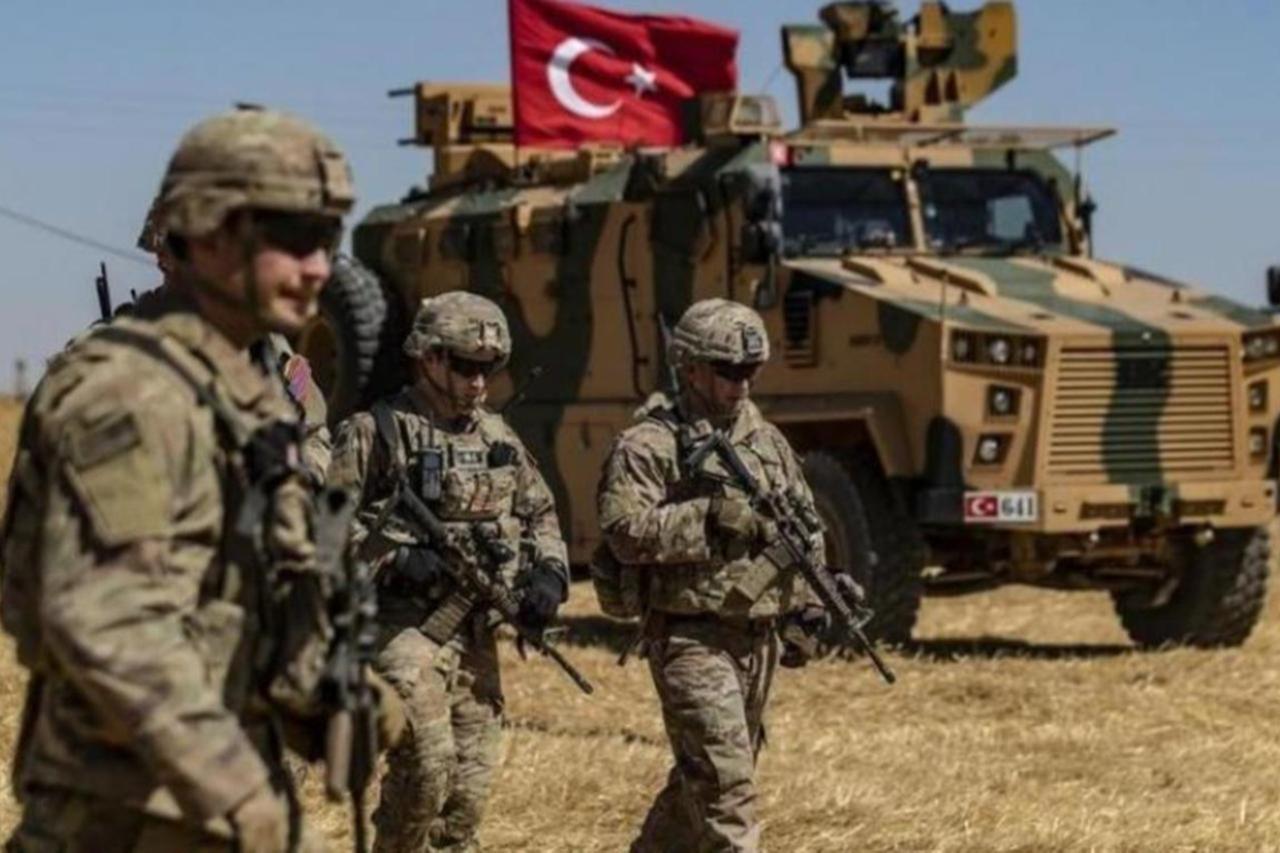
Third, NATO’s restructuring. As the United States scales back conventional military commitments, Türkiye remains home to NATO’s second-largest standing army. That reality significantly strengthens Ankara’s bargaining power within the alliance. Its capacity to shape outcomes in the Black Sea, the Eastern Mediterranean and the South Caucasus makes it increasingly indispensable to the alliance’s evolving security architecture.
In this turbulent landscape, there are no true winners among the major powers. The United States failed to achieve its strategic objectives against Iran. Iran endured, but at the cost of immense devastation. The Gulf monarchies continue their relationship with the West not because they feel secure, but because they see no viable alternative. Europe, meanwhile, is being forced to rebuild in months the defense capacity it neglected for decades.
For Türkiye, this moment presents both opportunity and responsibility. It will be tested by its ability to advocate simultaneously for peace in Gaza Strip, sustained dialogue with Iran and a sustainable transformation of NATO, while contributing to Europe’s security without compromising its own strategic autonomy.
Today, the world is searching for both a line of defense and a table for negotiation. Türkiye is one of the few countries capable of offering both. Recognizing this opportunity, developing it and embedding it within a bold strategic vision may well be the defining challenge this era presents to Türkiye.


 Set as preferred source
 Set as preferred source


 2 min read
 1 min read