Newsletters


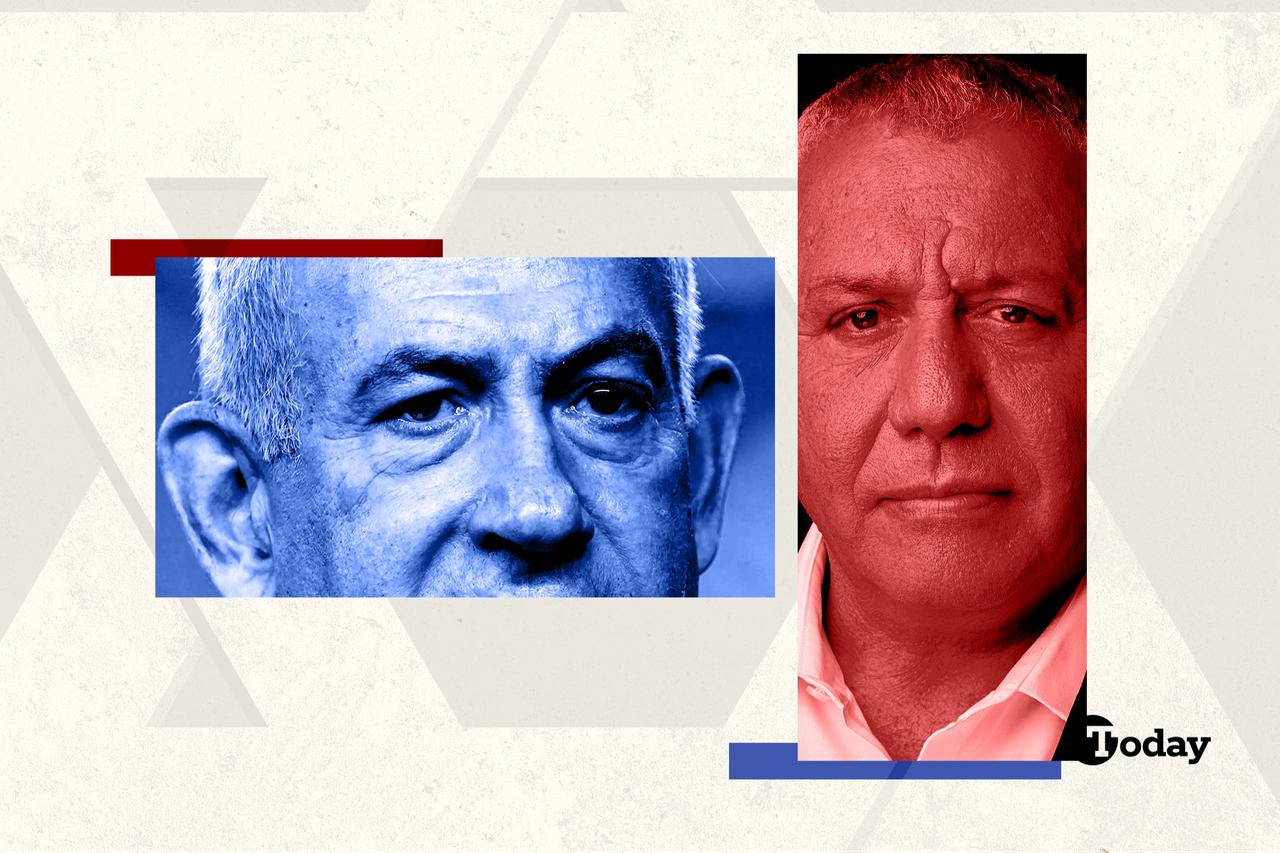


Sometimes, a change in leadership can create room for a change in direction.
In Israel, that possibility could emerge from an unlikely figure: a former army chief who spent his career preparing for war. Gadi Eisenkot is hardly a natural dove. Yet if he becomes prime minister, the retired general could take a more pragmatic approach than Benjamin Netanyahu to Israel’s increasingly strained relations with the outside world.
In the eyes of world capitals, Netanyahu stands as the biggest obstacle to Israel considering a regional opening and shifting toward dialogue.
According to a Jerusalem Post report published on Aug. 31, Eisenkot’s “Yashar” (Truth) party is ahead of Netanyahu’s governing Likud in the polls and could earn 26 MPs in Israel’s 120-seat parliament, the Knesset.
If Eisenkot becomes Israel's next prime minister, what would that mean for its relations with the outside world, and with Türkiye in particular?
An Israeli government led by Eisenkot, or by another opposition figure such as Naftali Bennett or Avigdor Lieberman, likely wouldn't shift where Israel stands on the core, contentious issues: the siege of Gaza, Lebanon, Syria, Iran. But a more measured tone could still ease regional tensions, Türkiye included.
Like voters elsewhere, Israelis seem fed up of their career politicians and the choices on offer. Unlike in parts of Europe, though, that frustration hasn't translated into gains for the far right: neither National Security Minister Itamar Ben-Gvir's Jewish Power nor Finance Minister Bezalel Smotrich's Religious Zionism party appears set to pick up significant seats.
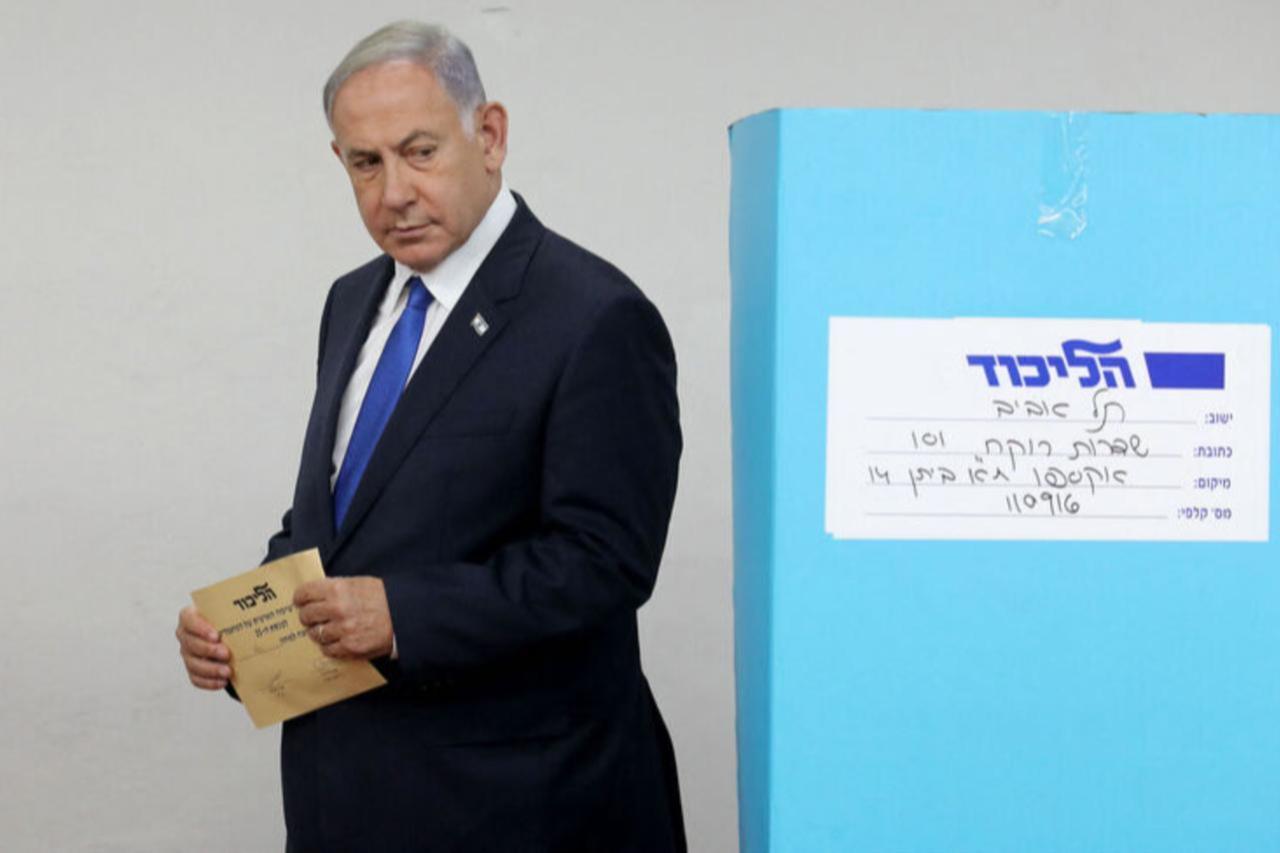
Netanyahu isn't faring any better. The Jerusalem Post report has "Bibi" and Likud sliding from 32 seats to 22. His goal, as it was earlier this decade when Israel held five elections in three years, appears to be clinging to a coalition even without the most seats.
Meanwhile, ordinary Israelis are focused less on Gaza or the West Bank than on the cost of living and the fight over ending military draft exemptions for the ultra-Orthodox (Haredim). Public sentiment has also hardened since Oct. 7: most Israelis now oppose an independent Palestinian state outright, viewing it as a security liability rather than a peace option.
To capitalize on this frustration, the opposition hopes to resurrect the anti-Netanyahu “Change bloc”—a fragile, ideologically disparate tent united solely by the desire to unseat the prime minister.
“Netanyahu fatigue is real,” political scientist and Mitvim Institute senior fellow Gabriel Mitchell told me.
“His enabling extremists like Smotrich and Ben-Gvir has also cost him the support of moderate Israelis.” But Netanyahu, the longest-serving prime minister in Israeli history (nearly 19 years out of the last 30), remains the ultimate escape artist. Even with his numbers tanking, he knows how to keep his rivals divided and play for time, betting the opposition will once again fracture before it can govern.
Other challengers, like former Prime Minister Naftali Bennett—known to Turkish audiences for calling Türkiye "the new Iran" and a "strategic threat" earlier this year—criticize Netanyahu mainly on governance grounds.
In a recent interview, Bennett criticized Netanyahu for turning Israel into a “negative brand” in the eyes of the American public, especially young Americans, and associating it with the word “genocide.”
Of course, as a former entrepreneur and businessman, Bennett must know that the “product” and “service” that Israel has been “delivering” to the Palestinians in Gaza is the problem, but any person who wants to become the next prime minister has to keep such thoughts to himself.
Like Bennett, Yisrael Beiteinu leader Avigdor Lieberman, Netanyahu's former coalition partner, blames him for mishandling Gaza. Last year, Lieberman accused Netanyahu of arming pro-Daesh clans in Gaza to undermine Hamas, and in May claimed Netanyahu could reignite the conflict for electoral gain.
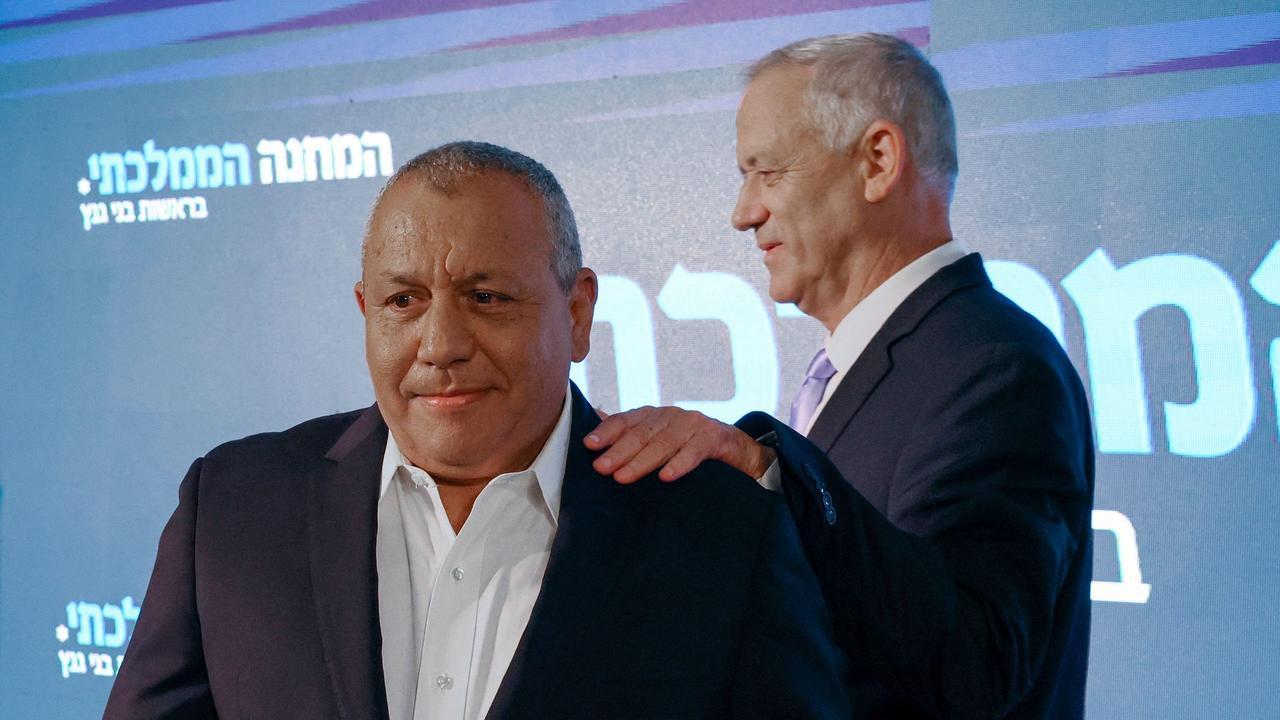

Israel has had three prime ministers from among IDF chiefs or senior generals who have had disparate views on Israel-Palestine ties—ranging from the anti-two-state-solution Ariel Sharon to pay-lip-service-to-peace Ehud Barak, and to Nobel laureate Yitzhak Rabin, who gave his life for peace.
How will Eisenkot fare?
“Most people who entertain Eisenkot’s ministry do not know much about where he stands on issues because he does not speak out much,” Mitchell said told Türkiye Today.
In a recent interview, Eisenkot warned against chasing illusions of “total victory,” arguing that an indefinite military occupation without a viable political strategy leaves Israel bogged down and isolated.
“The difference will be in tone, and in a willingness to engage in a dialogue with Israel’s regional and global partners,” Mitchell thinks. In time, he said, a new Change government might implement a different set of policies in the West Bank, Lebanon, and toward Syria “that might not make a big difference to an outside observer but will alter discussions inside Israel.”
When you look at the opposition’s playbook, they are not necessarily challenging the war’s strategic goals, but rather the sheer recklessness of Netanyahu’s coalition partners. The Change bloc believes that simply ditching the inflammatory rhetoric of ministers like Ben-Gvir and Smotrich—or Yoav Gallant’s crude “human animals” remark after Oct. 7—will be enough to rehabilitate Israel’s standing with its partners and reset the global conversation.
 2 min read
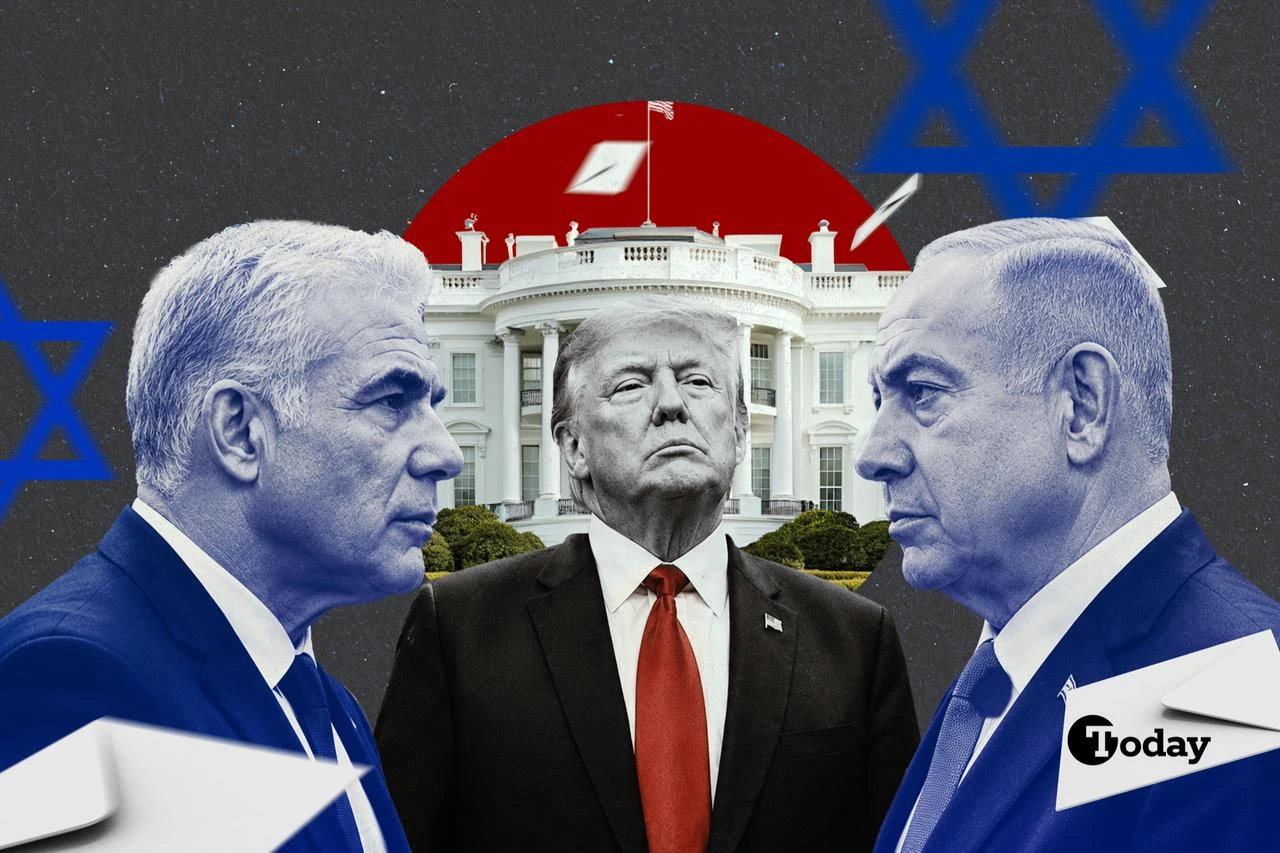
Could an Eisenkot premiership realistically move the needle on Ankara-Tel Aviv relations?
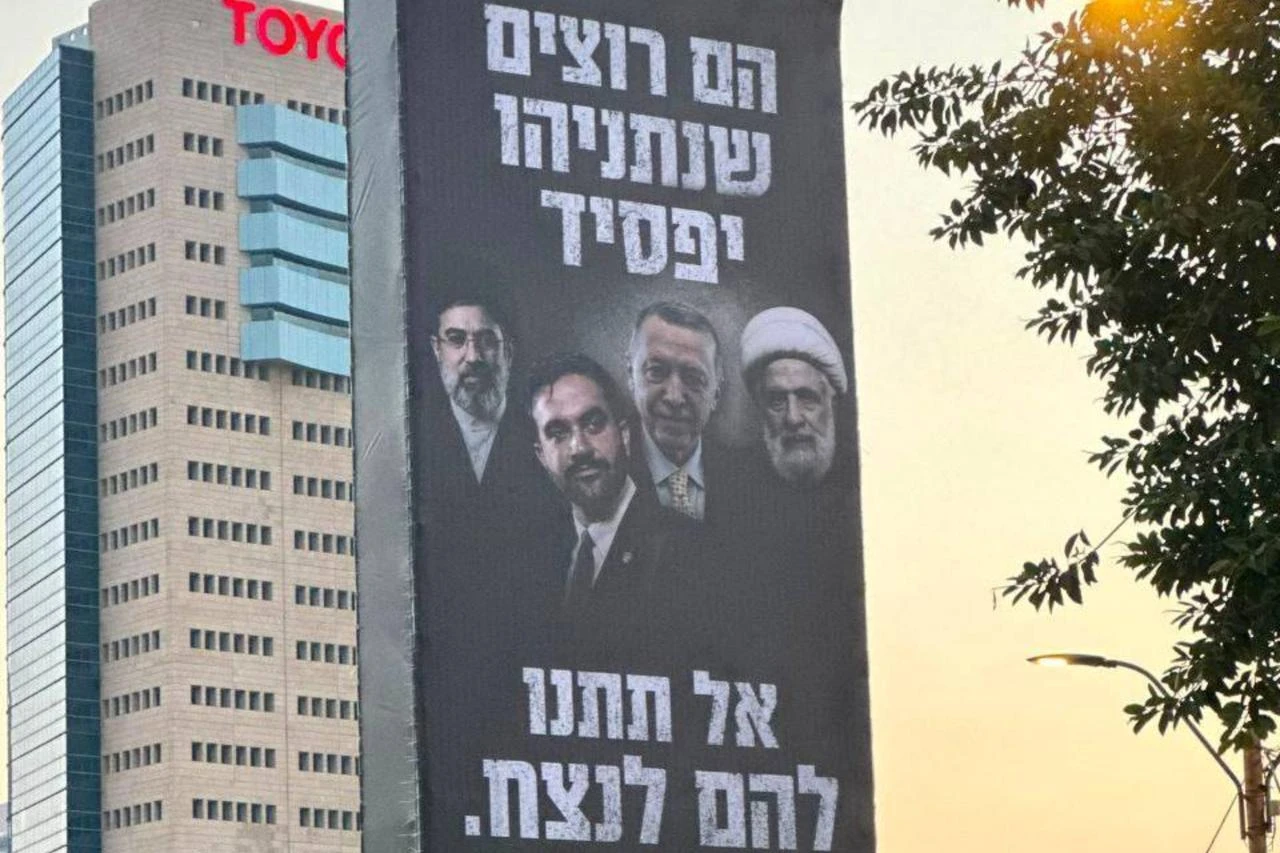
At present, it is impossible to predict where Eisenkot stands on Türkiye. Bilateral ties have hit historic lows, battered by domestic posturing in both capitals. Ahead of previous campaigns, Likud election posters lumped Turkish President Recep Tayyip Erdogan with Iran’s new Supreme Leader Mojtaba Khamenei and Hezbollah leader Naim Qassem to project an existential threat. Of all people, New York Mayor Zohran Mamdani was also on the poster.
And while Netanyahu has since characterized Erdogan as a regional “competitor” rather than an outright enemy, Mitchell warns that mainstream Israeli sentiment remains deeply hostile to Ankara’s embrace of Hamas.
But Netanyahu loyalists cannot just smear Eisenkot as a “pro-Erdogan puppet” or “weak on terror”—after all, he is a retired general who lost his son Gal in Gaza.
Attacking him invites immediate backlash, as Netanyahu’s wife Sara learned after facing outrage for insinuating retired general Yair Golan bore responsibility for Oct. 7.
Instead, the right claims an Eisenkot coalition would rely on Arab or left-wing factions, indirectly appeasing Israel’s adversaries.
Interestingly, Israeli history shows that security hawks and retired generals often possess the unique domestic credibility needed to pivot, the Jewish state’s version of “Only the anti-communist Nixon could go to China.”
Ariel Sharon—widely viewed as an irreconcilable hardliner and the spark of the Second Intifada—orchestrated the unilateral withdrawal from Gaza in 2005. That move, followed by Ehud Olmert’s premiership, created the strategic opening for Ankara to mediate between Israelis and Palestinians, and even between Israel and Syria.
Unfortunately, Israeli intransigence, unwillingness to engage Hamas, and maintaining the blockade of Gaza, backed by short-sighted Western capitals, helped to build the road to Oct. 7.
Nevertheless, the bar for normalizing ties with Israel is not too high for Ankara. Foreign Minister Hakan Fidan, often erroneously labeled as “radical” or “extremist” press by the extremists in Israel and their pals in Washington, has repeatedly stressed Türkiye’s basic conditions as a durable ceasefire in Gaza and unhindered humanitarian aid to end the Turkish trade embargo on Israel. But that baseline is an impossible sell for Netanyahu, whose survival depends on messianic ultranationalists.
Under Eisenkot, however, those terms could become doable.
Where Türkiye-Israel relations go from here is still an open question. But a pragmatic general may offer the off-ramp both sides quietly need.


 Set as preferred source
 Set as preferred source


 1 min read