Newsletters


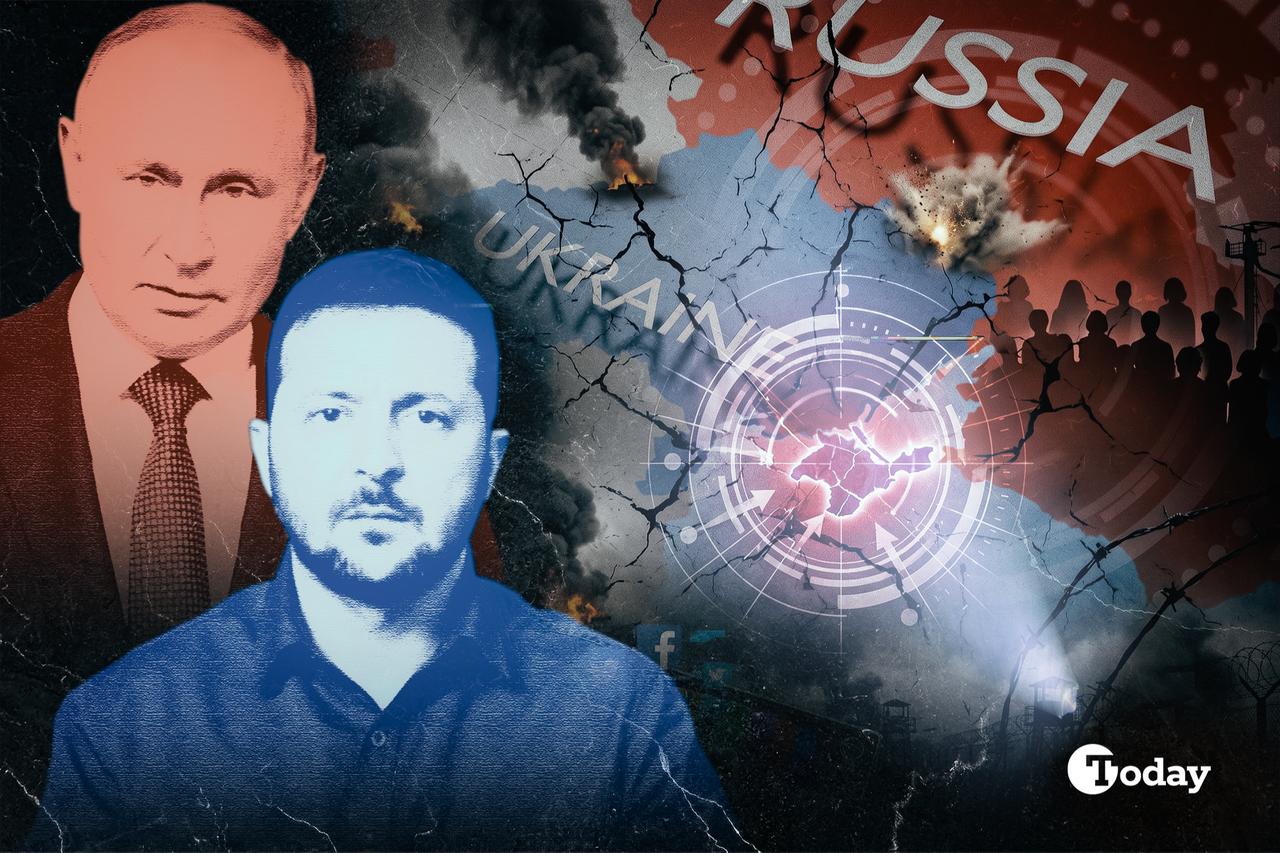


Refat Chubarov, the chairman of the Crimean Tatar National Mejlis, is one of the key leaders who has long been engaged in the political and cultural rights struggle of the Crimean Tatar people.
Born in 1957 while in exile in Uzbekistan, his life has been shaped by the Crimean Tatars’ return to their homeland, their identity struggle, and the post-2014 political developments in Crimea.
In an interview with Türkiye Today, Chubarov discussed the issues facing Crimea from a unique perspective—much more than a fight over land, and as a complex struggle shaped by factors such as propaganda, legal battles, human-rights concerns, and global power politics.
The conversation sheds light on the tense political climate in Crimea, ongoing abuses against Crimean Tatars, and how media narratives are used to influence public opinion. It also underscores why Crimea remains a key strategic prize for Russia in the broader war with Ukraine.
How did the Russia-Ukraine war truly begin, and how does Türkiye’s approach differ from that of international institutions? Also, what do you think is currently driving public perception?"
Chubarov: The war between the Russian Federation and Ukraine that began in February 2014 is now in its 12th year. From the very beginning, Türkiye has not recognized the annexation and will not do so in the future as well. The United Nations, the European Union, the OSCE and Türkiye provide full support to Ukraine and the Crimean Tatars.
Within civil society organizations, there are various channels of information. Unfortunately, in Türkiye, the most visible among them are those influenced by Russian propaganda. In my assessment, the official stance of the Republic of Türkiyesince the beginning of the war has not been sufficiently reflected to the public.
As a result, public perception among civil society and NGOs has been shaped around the idea that “Ukraine has been left alone, it is blocking peace, refuses to recognize Russia’s sovereignty and acts as a proxy of Western states.” I observe that this perception is widespread, and I believe it is largely the result of Russian propaganda.

What would constitute a just peace in the Ukraine war?
Chubarov: Ukraine cannot accept a peace that requires it to surrender its territories. In the current international environment, we are witnessing a situation in which power is increasingly prioritized over international law. However, when power prevails over law, problems do not disappear—they deepen. For this reason, peace must be just.
There is a strong anti-American sentiment in Turkish society, but this sentiment cannot justify sympathy for Russia. For example, today, Israel and the United States are attacking Iran. While I do not support the Mullah regime, I stand with the Iranian people. The same principle applies to the Russia–Ukraine war: one must distinguish between regimes and peoples.
We also observe that nongovernmental organizations (NGOs) play a role in shaping sympathy and reactions within public opinion. In this context, Türkiye's“zero problems with neighbors” policy in recent years has been a highly successful and constructive approach. For states, independence begins with the ability to defend themselves militarily and continues through economic resilience.
Where should the line be drawn between propaganda and freedom of expression, and how does Russia enforce that boundary in Crimea?
Chubarov: There is a very thin line between propaganda and freedom of expression. For instance, Sputnik, which also operates in Türkiye, functions as a Russian propaganda instrument. In conceptual terms, propaganda can serve both the fragmentation and consolidation of states, depending on its purpose and method.
In Crimea, Russia uses propaganda extensively, but its approach is not limited to propaganda alone. It also includes systematic human rights violations and unlawful practices.
How do you assess the political situation in Crimea, particularly in terms of human rights conditions and demographic changes?
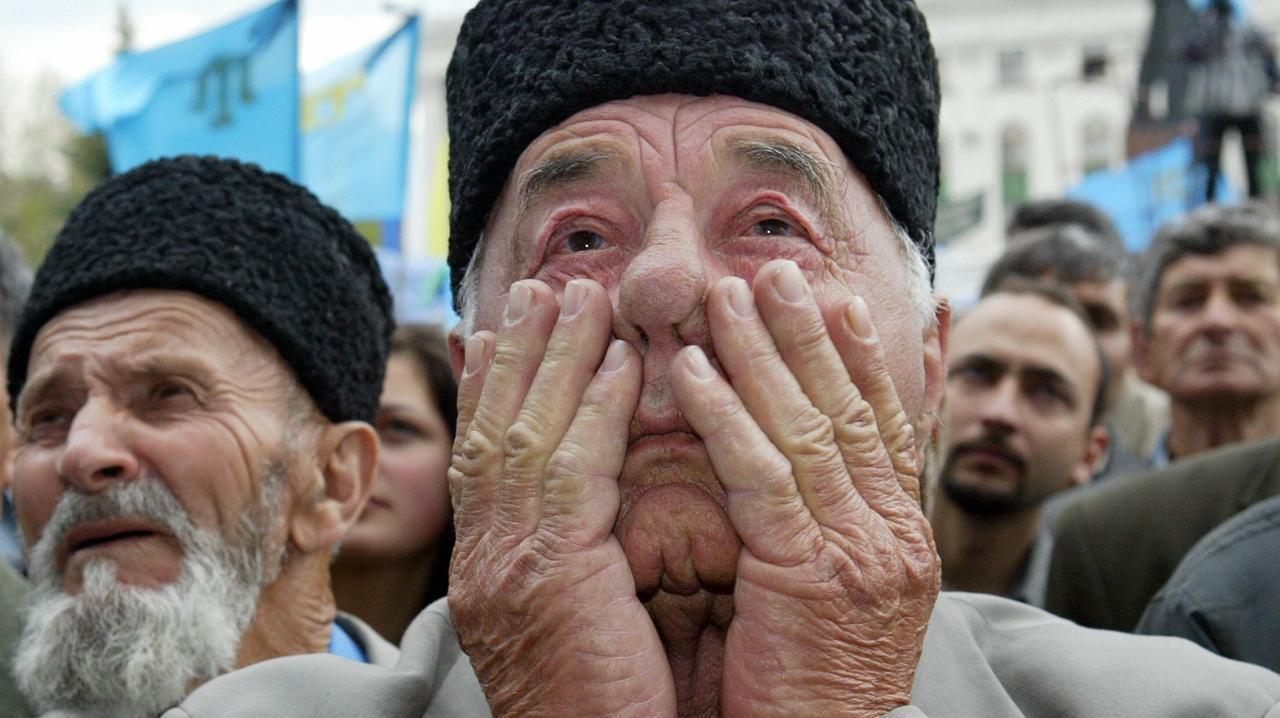
Chubarov: Of the 351 political prisoners in Crimea, 181 belong to the Tatar community. Despite comprising only 12% of the total population, they represent approximately 50% of those currently detained for political reasons.
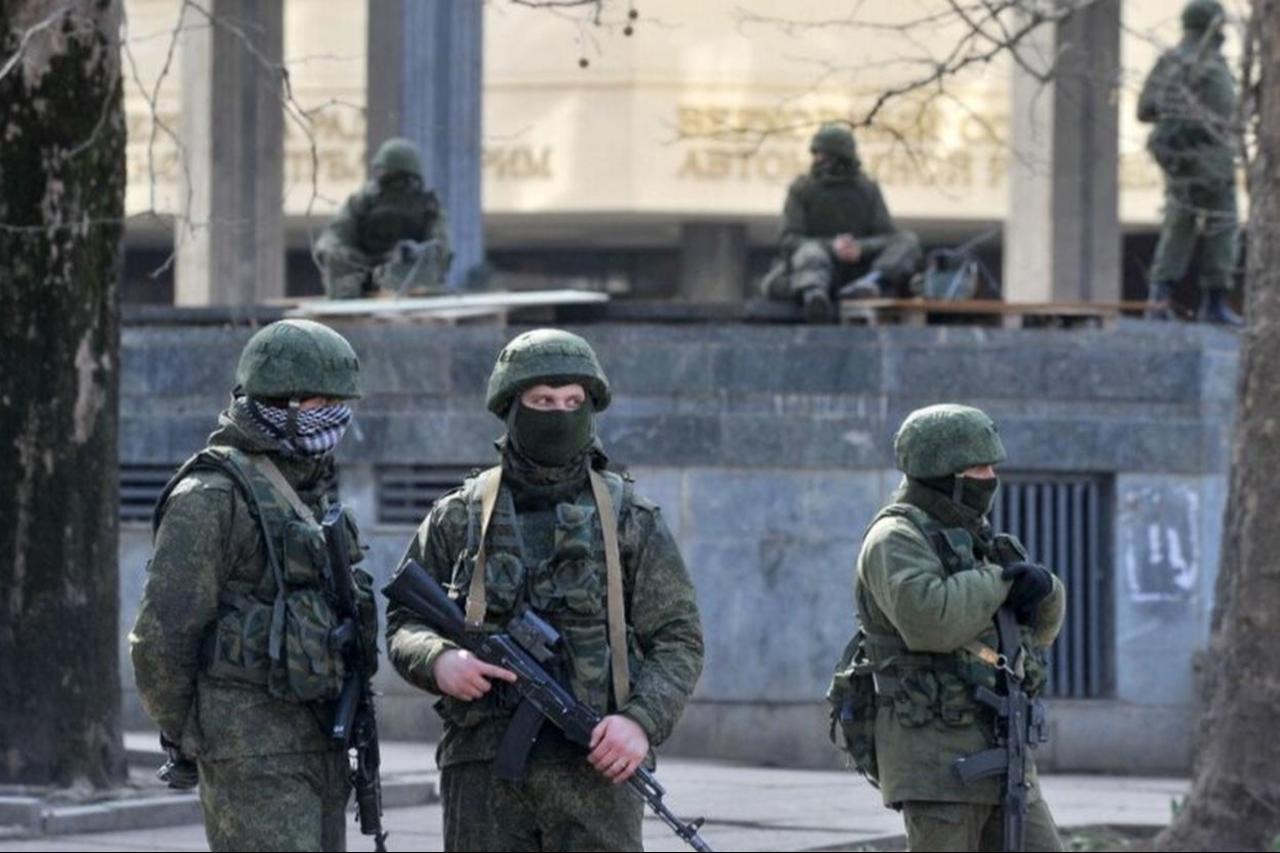
Russia persists in its historical ambitions, pressuring the indigenous population to abandon their homeland through extreme legal measures. Sentences of 10 to 30 years are common, with 60 women currently among the political detainees; many, alongside children, face unsubstantiated terrorism charges. Furthermore, hundreds of Crimean Tatars have been formally banned from residing on the peninsula.
Since the beginning of the war, Russia has also been forcibly conscripting Crimean Tatars into its military under mobilization policies, deploying them in the war against Ukraine.
Every year, the Red Army Choir comes to Türkiye and organizes concerts. These events are deliberately scheduled to coincide with the anniversaries of the Crimean Tatar and Circassian genocide memorial days. Moreover, even the dates of the upcoming NATO summit in Türkiye have been announced as part of this choir’s performance schedule.
This choir is not just a cultural act; it functions as a tool of propaganda. If, for example, an Israeli military choir were to perform in Türkiye, public reaction would be immediate and clear. Yet there is no comparable reaction to the Russian choir.
The role of the Crimean Tatar diaspora in Türkiye is crucial, but broader public awareness and support are also necessary. The primary objective must be the release of political prisoners in Crimea. This is the first and most urgent step.
What is the geo-economic importance of Crimea for Russia?
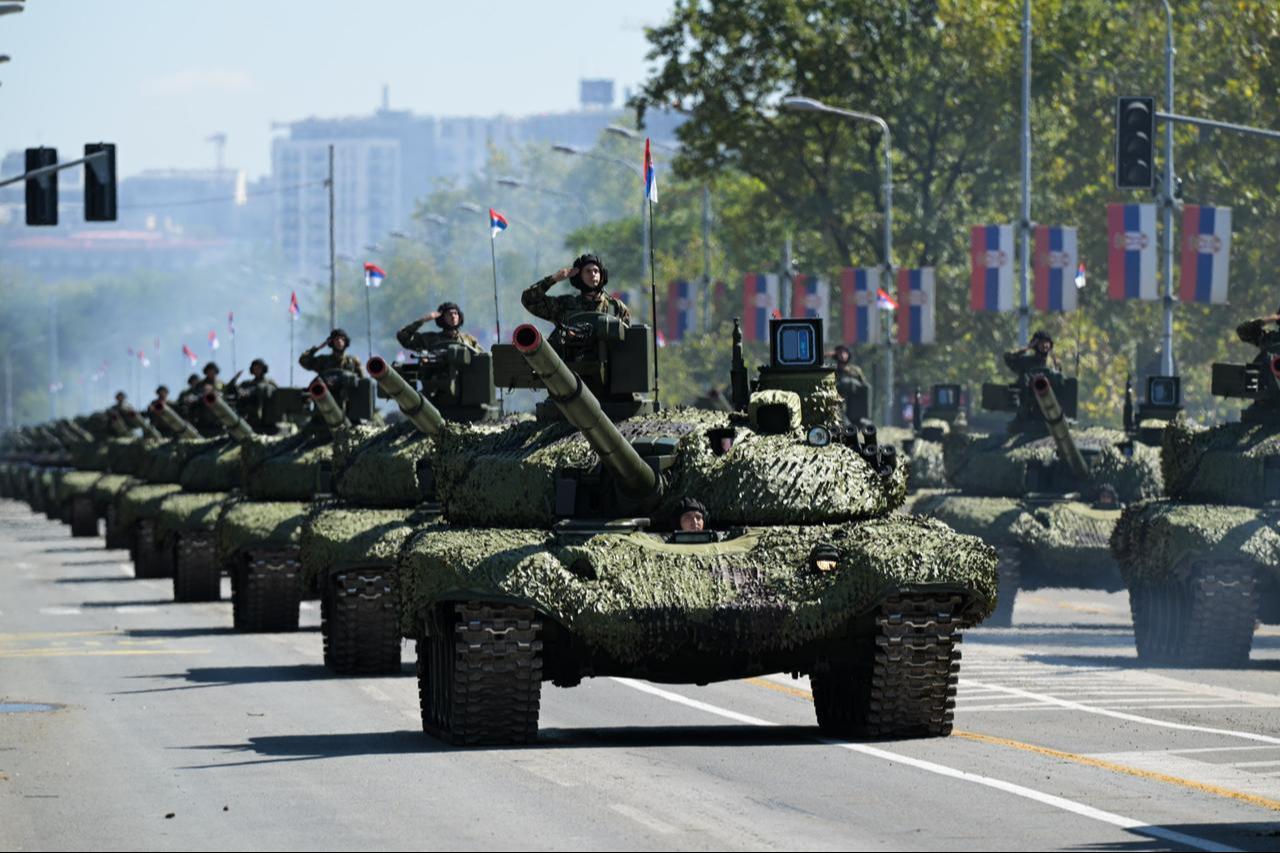
Chubarov: Russia is not interested in Crimea for economic reasons, as it already possesses sufficient economic capacity in its eastern territories. Crimea is primarily a military base for Russia, and there are approximately 225 Russian military installations on the peninsula.
In the early 2000s, NATO had already warned about Russian expansion in the Black Sea region. Russia’s control of the Black Sea negatively affects all coastal states, including Ukraine. Crimea is the key to this control.
For Russia, Crimea represents the most strategic point of the “warm water access policy” established during the era of Catherine the Great and Potemkin.
Is Russia’s withdrawal from Crimea possible in the short or medium term?
Chubarov: It is very difficult to predict when the war will end. The Russia–Ukraine war could evolve into a larger-scale conflict. The Baltic states are already preparing for such a possibility.
However, Russia will not be able to win; it is structurally forced toward failure. Ukraine cannot resist Russia alone and requires continued support. Even if Russia withdraws from other occupied territories, it is highly unlikely to withdraw from Crimea.
Russian public opinion has also been shaped by propaganda and perception management, resulting in widespread belief that it has legitimate rights in Crimea. However, Crimea has never belonged to Russia and will not in the future.
For Putin, withdrawing from Crimea would constitute political suicide, and in Russia’s political culture, it could also carry physical consequences, as seen in the fate of many unsuccessful officials.
If Ukraine’s occupied territories are liberated, Russia will not be able to maintain its hold over Crimea. To avoid withdrawal, Russia may even resort to nuclear escalation. A major internal crisis would be required for Russia to leave Crimea, and in fact, it is generating such a crisis itself.
A fragmented Russia in the near future, similar to the post–World War I period, is not an unlikely scenario.
In Crimea, there is no freedom of expression and no human rights. The lives of Crimean Tatars are being systematically violated. In their homeland, people are being forced into exile due to repression and persecution.
Since 2014, approximately 1 million Russians have been settled in Crimea, representing a clear ethnic and demographic transformation. Crimea is undergoing a process of Russification.
Fourteen Crimean Tatar schools established with great effort have been converted into Russian schools following the 2014 occupation. Education in the Crimean Tatar language has been eliminated and replaced with mandatory Russian. Crimean Tatar language instruction is now reduced to only one hour per week.
Even this limited instruction, however, functions as part of a symbolic policy that ultimately serves Russian propaganda.


 Set as preferred source
 Set as preferred source


 2 min read

 1 min read