Newsletters


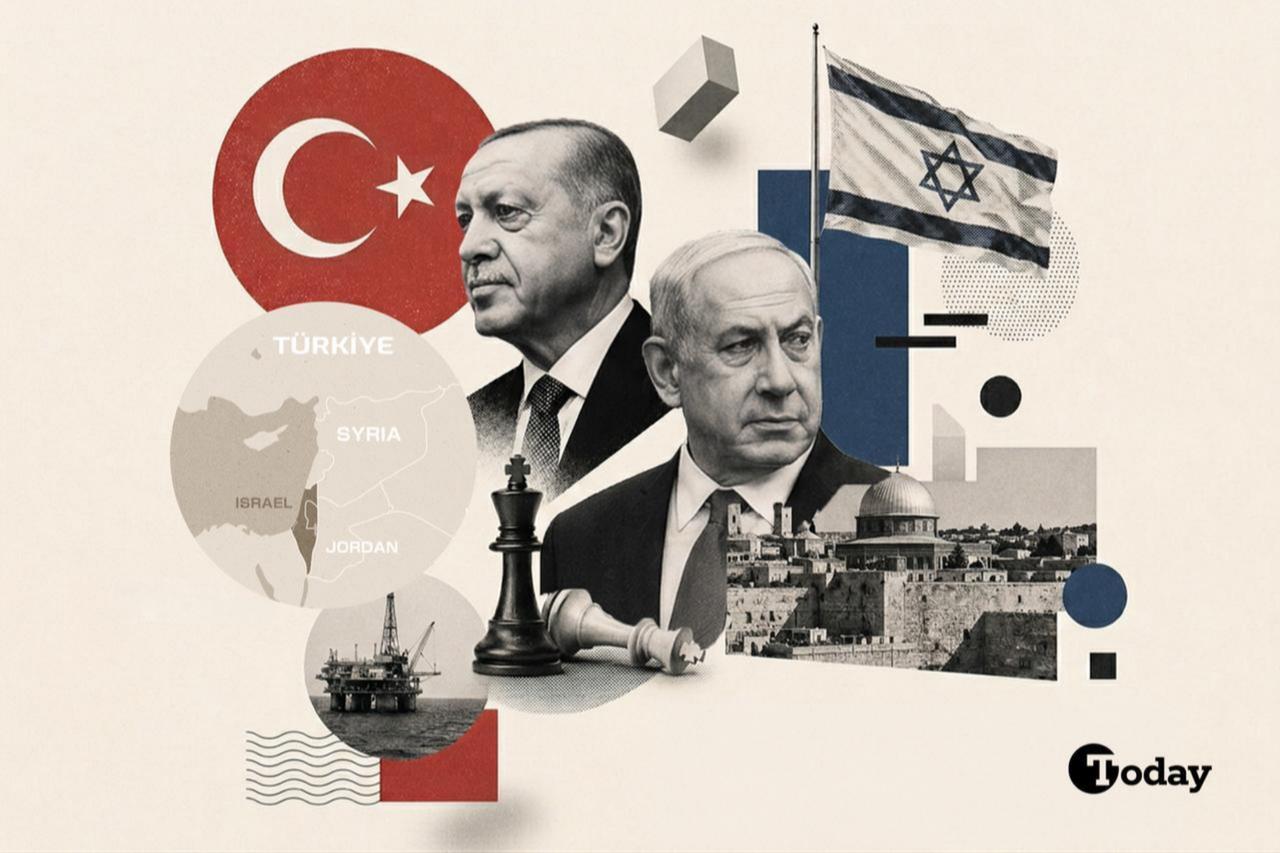


Positioning Türkiye as the leader of a Sunni axis against Iran was not a new idea in international circles. However, a few years ago, Israel quietly began reshaping that concept.
At the time, Israeli officials believed Ankara was too focused on Ukraine, Syria, Palestine, and other conflicts to notice. Under this new strategic framework, Türkiye would no longer be seen as a Sunni counterweight to Iran. Instead, it would become the next adversary after Iran.
The idea first appeared through a handful of pro-Israeli Arab bloggers before spreading to small media outlets. Later, several think tanks attempted to give it greater legitimacy. As the genocide in Gaza continued, and shortly before the 12-day war in 2025, Israeli officials and anti-Türkiye voices in the Arab world and the West began promoting the concept more openly.
They believed Iran’s regime would collapse within months, Gaza would be fully under Israeli control, and Syria would eventually accept Israeli demands.
Israeli circles were already discussing real estate projects and presenting plans in Washington, hoping to involve people close to President Trump.
Israel began portraying Türkiye as the flagship of a Sunni power bloc. Qatar was placed alongside it, while Pakistan was quietly added to the picture. Israel worked to undermine Türkiye’s growing cooperation with Saudi Arabia and Kuwait.
It was also uncomfortable with the expanding technology and defense ties between Ankara and the UAE. The objective was clear: reduce Türkiye’s influence in Syria, push it away from the Gulf, and recast it as the new Iran.
Ankara recognized this effort from the beginning. Rather than changing course, Türkiye continued engaging with the United States and Gulf countries while maintaining its own policies. One source familiar with the discussions summarized Ankara’s approach: “The best plan was simply to continue with our own plan.”
Understanding that international politics is as much psychological as it is technical, Ankara responded by emphasizing mediation efforts and its Gulf partnerships.
According to a source familiar with the process, every anti-Türkiye statement from Israel was met with criticism from Gulf capitals and Washington. Israel’s broader record in the region also came under greater scrutiny.

Israel first sought competition with Türkiye in southern Syria, but those expectations went nowhere. The 12-day war gave Israel what it believed was military and psychological superiority.
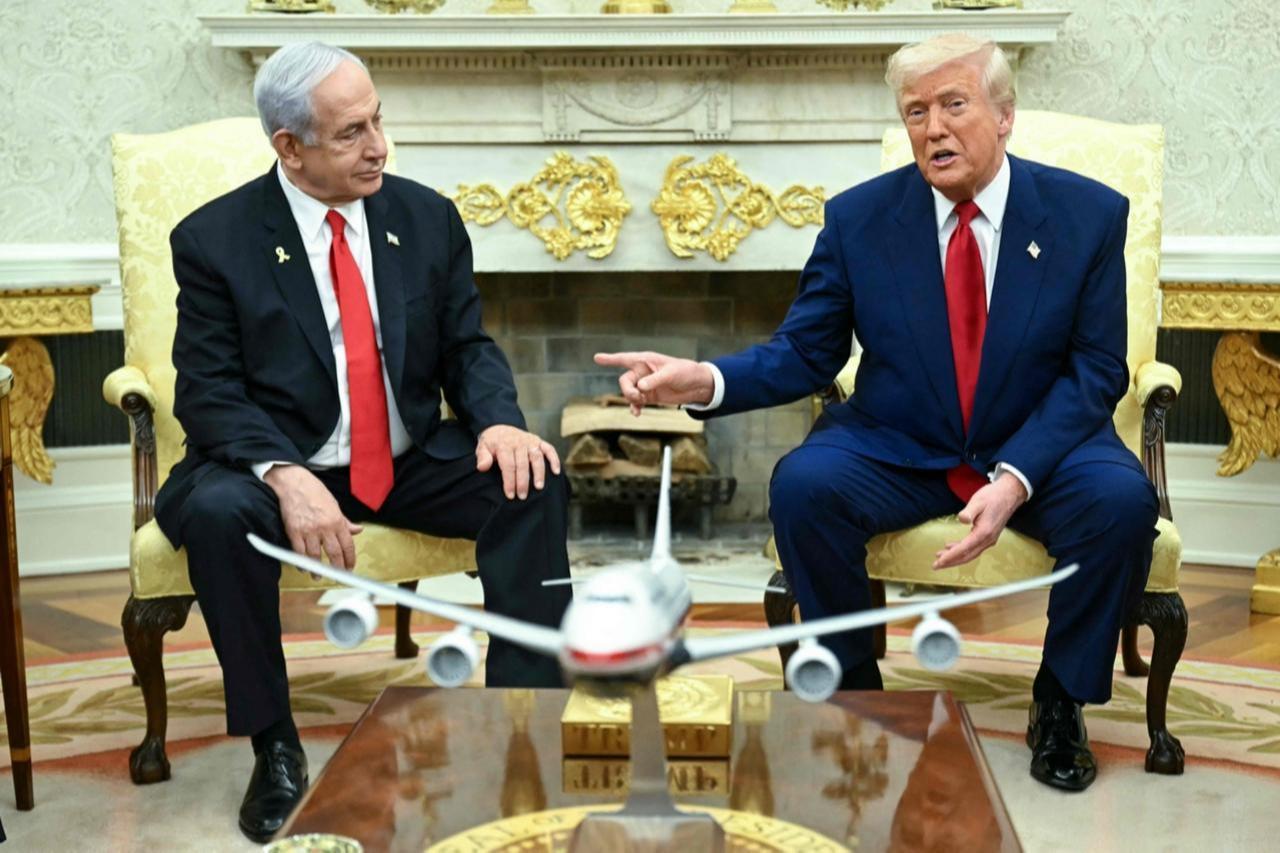
Yet as the conflict expanded and produced global consequences, President Trump and his team increasingly concluded that Ankara’s earlier warnings had been correct.
As the costs of the Iran war grew and the risk of escalation spread to the Gulf and Lebanon, the United States and Europe moved closer to Türkiye, Qatar, and Pakistan in search of solutions. In effect, this marked the collapse of Israel’s long-term effort to define these countries as a new hostile bloc centered on Türkiye.
The idea had been planted by Arab bloggers, amplified by anti-Türkiye voices in the West, and echoed between the lines of Netanyahu’s speeches. In the end, however, Türkiye was the country that benefited.
Türkiye’s role in facilitating prisoner exchanges during the Gaza war and its diplomatic efforts in the Ukraine crisis were already visible. During this period, it also offered a stabilizing approach in Syria, backed by significant influence on the ground. The benefits of that approach became increasingly clear.
Ankara emerged as one of the primary channels of communication between Iran and the United States. It did more than simply relay messages. Türkiye actively tested U.S. positions, issued warnings, and proposed solutions.
At the same time, it urged Tehran not to expand the conflict. Once again, after the Russia–Ukraine crisis, Türkiye’s role as a regional mediator was reaffirmed.
What Israel had tried to label as a Sunni enemy alliance instead appeared on the international stage as a legitimate diplomatic platform. In March, Foreign Minister Hakan Fidan met his counterparts from Pakistan, Saudi Arabia, and Egypt in Islamabad to discuss efforts aimed at reducing regional tensions. Bilateral and phone diplomacy continued afterward.
The countries Israel had hoped to portray as future enemies instead became mediators. Their restraint, diplomatic engagement, and common position against escalation helped pave the way for ceasefire efforts and peace talks. Israel’s long-term strategy effectively unraveled.
Despite the controversy surrounding some of his statements, U.S. Ambassador Tom Barrack’s appointment as special presidential envoy for Syria and Iraq further elevated Ankara’s role in the region. Türkiye’s unique ability to speak with all sides became a strategic reality in Washington.
The increasingly aggressive environment that emerged from efforts to isolate Türkiye had the opposite effect. Rather than cornering Ankara, it made Türkiye an increasingly indispensable actor.
That reality is unlikely to change in the medium term, even after the U.S. elections in November. Meanwhile, Israel’s anti-Türkiye rhetoric has largely been taken up by former officials, retired intelligence figures, and long-standing anti-Türkiye voices operating within an echo chamber.
At the same time, Türkiye has continued sending clear messages while maintaining its own red lines. Ankara could consider normalization with Israel if the genocide in Gaza ends, a Palestinian state is recognized, and attacks against the sovereignty of regional countries cease.
That remains Türkiye’s position. Under the current Israeli government, however, such outcomes appear unlikely.
What Türkiye demonstrated throughout the Gaza war, Israel’s campaign to portray it as an enemy, and the Iran conflict was that it would not abandon its core positions under pressure. In each case, Ankara succeeded in positioning itself as a highly effective regional actor.
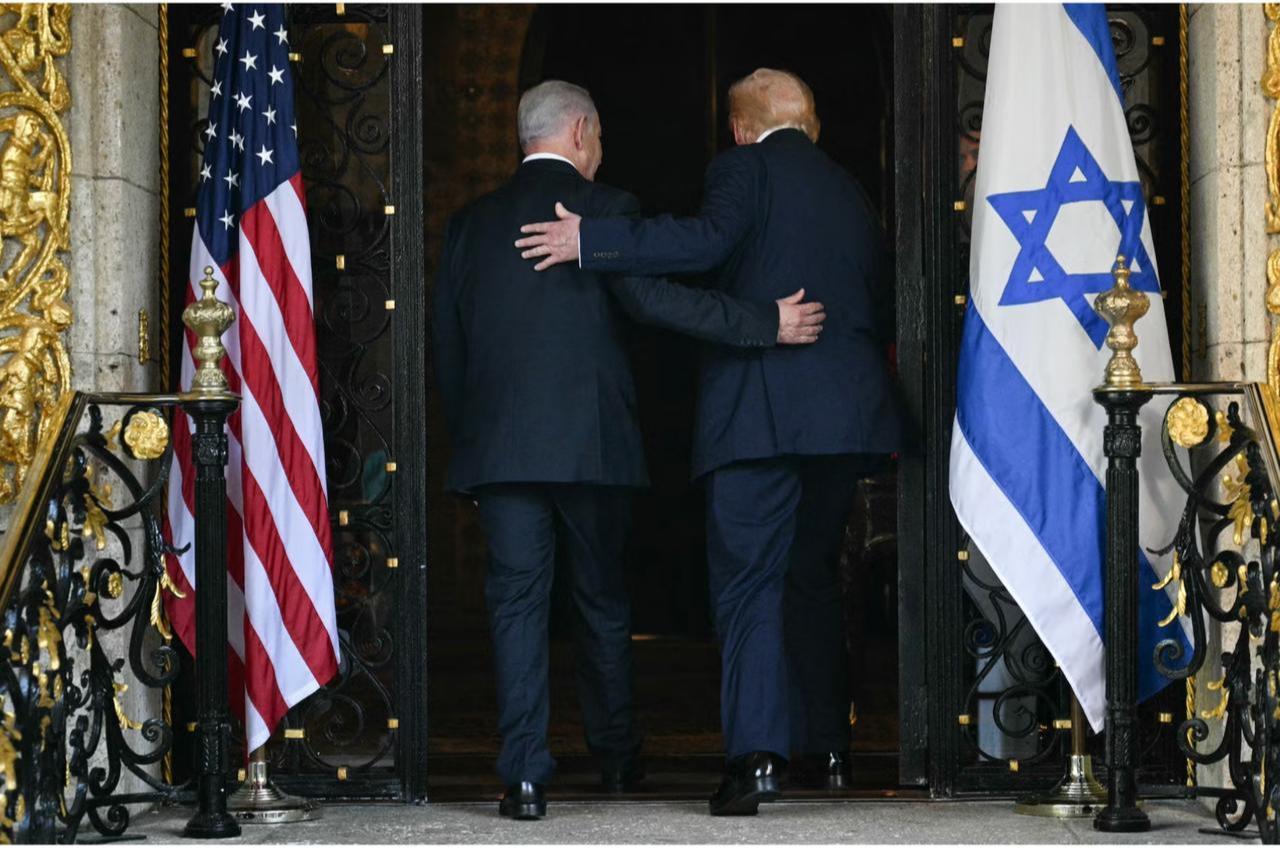
Israel, meanwhile, finds itself in a very different situation. According to reports, even Trump has directly expressed frustration with Netanyahu:
“You’re ... crazy. You’d be in prison if it weren’t for me. I’m saving your ass. Everybody hates you now. Everybody hates Israel because of this.”
In short, while Israel spent years preparing to cast Türkiye as its next great enemy, it ultimately misread the geopolitical landscape. The result was that Israel found itself increasingly isolated, while Türkiye strengthened its role as a central diplomatic actor.


 Set as preferred source
 Set as preferred source


 2 min read
 1 min read