Newsletters


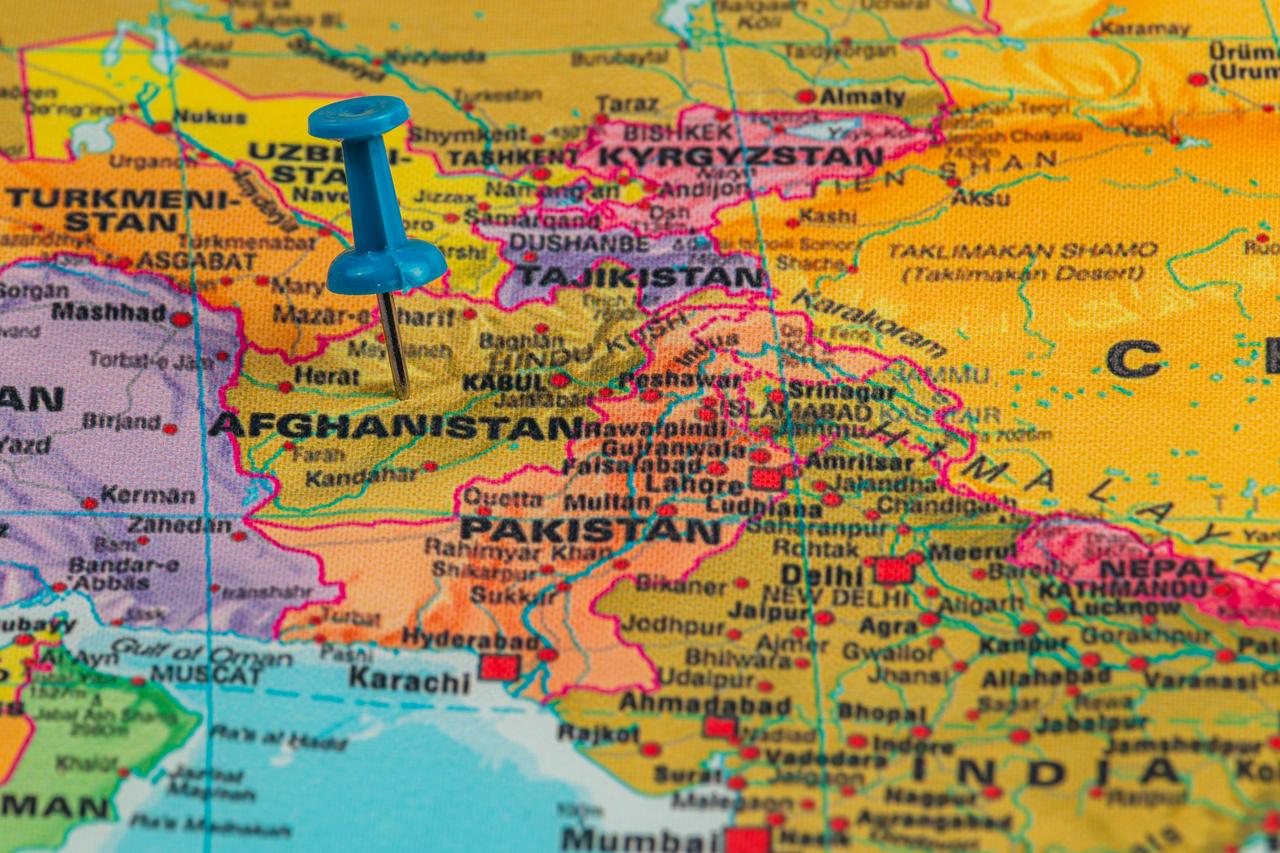


Rapidly escalating tensions between Afghanistan and Tajikistan have brought Central Asia's already fragile security structure back to the forefront. Attacks targeting Chinese workers in Badakhshan, increased activity by drug and smuggling networks, and cross-border actions by radical groups have heightened Dushanbe's security concerns to the highest level.
Tajikistan's contacts regarding the resumption of border patrols with Moscow, the planning of helicopter-supported operations and the intensification of military coordination along the border clearly demonstrate that the issue is not a bilateral security problem.
The issue now is that the power vacuum in northern Afghanistan has gained the potential to spread throughout the entire region, prompting regional actors to reposition themselves to fill this void.
In recent weeks, successive attacks from Afghanistan's northern Badakhshan region into Tajikistan (resulting in the deaths of multiple Chinese citizens and numerous injuries in two separate incidents) demonstrate the rapid erosion of security along Central Asia's most sensitive geopolitical frontier.
The emergence of attacks at the intersection of organised radical elements, drug trafficking networks and cross-border criminal networks reveals that Tajikistan's security capacity cannot withstand the current pressure. President Emomali Rahmon's summoning of security agencies to an emergency meeting clearly demonstrates that Dushanbe no longer views this threat as manageable.
The targeting of Chinese citizens in the attacks indicates that regional dynamics have been pushed into a much broader area of fragility. The fact that mining, infrastructure and energy projects operating in Tajikistan are run by Chinese workers makes these groups easy targets for radical elements, while Beijing's warnings to withdraw its citizens from the border region reveal that the security of the Belt and Road initiative's Central Asian leg is now being seriously questioned.
The fact that Chinese investments have become one of the main driving forces of the regional economy over the past decade shows that instability centred in Badakhshan not only creates security risks but also negatively affects economic integration processes. Therefore, every attack in Tajikistan constitutes a pressure factor that directly affects the sustainability of Beijing's regional strategy.
This fragile environment is also increasing the mobility of radical groups towards the north. In particular, growing signs of the presence of organisations such as the Islamic Party of Turkistan in northern Afghanistan demonstrate how easily Tajikistan's security architecture can be breached.
Joint special forces exercises conducted by regional countries in Urumqi demonstrate that this threat now extends beyond Tajikistan, forming a priority security agenda for all regional and international actors.
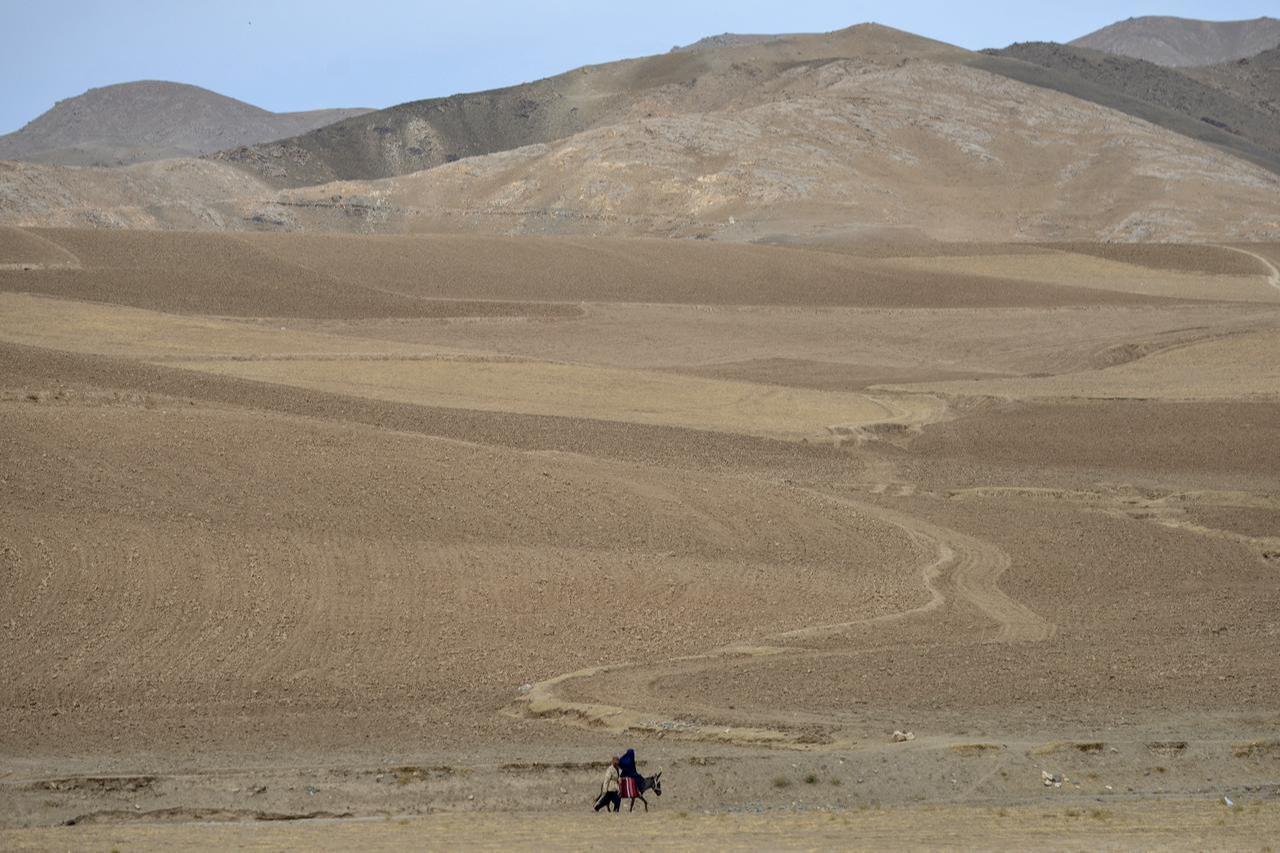

The power vacuum emerging in northern Afghanistan (due to the Taliban's inability to fully control the region, the fragmented structure of local militias, and the lack of authority allowing radical organisations to find operational space) provides radical elements with room for manoeuvre, while also revealing how porous border security is.
The importance of the Afghanistan Contact Group established in Tashkent during this process is growing. The willingness of Central Asian countries to establish a common diplomatic and security framework on Afghanistan for the first time demonstrates that threats in the region can no longer be managed at the bilateral level.
Although the Contact Group was initially designed more as an advisory platform, recent developments in Tajikistan have transformed this mechanism into an essential component of regional security.
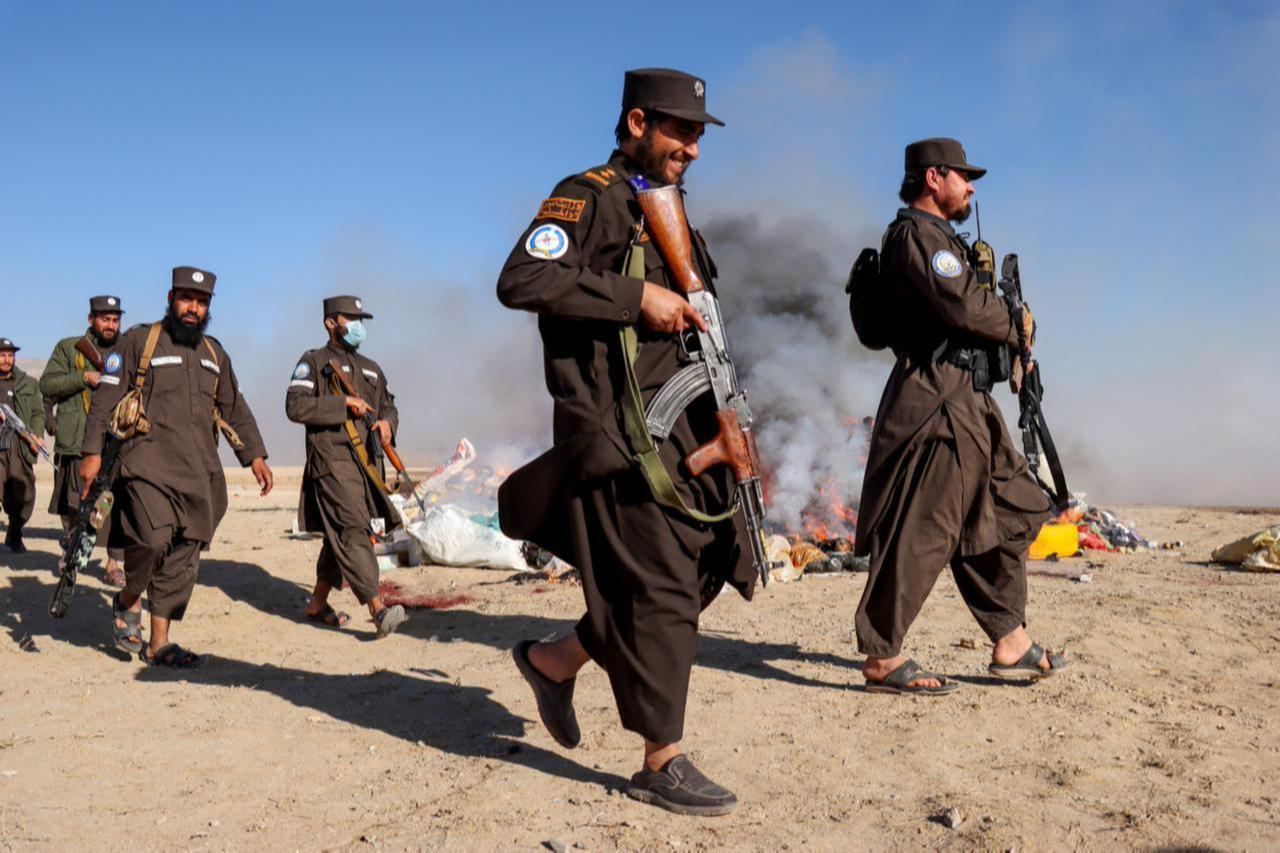
Given the growing capacity of Daesh in Khorasan, the mobility of transnational criminal organisations and the activity of radical groups around Badakhshan, it is now strategically imperative for countries in the region to institutionalise intelligence sharing, develop common standards for border security and respond in a coordinated manner to threats originating in Afghanistan.
One of the most striking aspects of the Tajikistan crisis is Moscow's resurgence as a central security provider. Dushanbe's request for joint patrols and operational support from Russia along the border for the first time since 2005 demonstrates both Tajikistan's limited security capacity and the reaffirmation of Moscow's regional role.
Although Russia's long-standing security policy in Central Asia has taken on a more symbolic character in recent years, Tajikistan's growing perception of threat has opened up opportunities for Moscow to bring this policy back to an operational level.
Today, every development along the Afghanistan-Tajikistan line creates fractures that transform the balance of power in Central Asia in a multi-layered way in the areas of security, economy, diplomacy and geopolitics.
Tajikistan's limited military capacity creates fertile ground for instability to spread rapidly across the region, while even in relatively more stable countries such as Uzbekistan and Kazakhstan, the northward movement of cross-border networks is becoming a serious cause for concern.
China's growing sensitivity, combined with Russia's reshaping regional approach, points to Central Asia entering a new strategic era: a period of deepening fragility, where security has become decisive in economic and diplomatic decisions, and regional actors are being drawn into a more interventionist position.
The deepening tensions along the Afghanistan-Tajikistan border have created a unique opportunity for Moscow to redefine its role in Central Asia's security architecture.
Following successive attacks in Tajikistan's border regions, discussions with Russia regarding joint patrols, the deployment of reinforcements and the provision of air support indicate that Moscow's regional influence has gone beyond the purely diplomatic sphere and taken on a new operational dimension.
This situation signals a period in which the security concept that Russia has long sought to establish under the umbrella of the Collective Security Treaty Organisation (CSTO) is now finding its counterpart on the ground, with crises serving as a kind of strategic lever for Moscow. Indeed, Putin's characterisation of the CSTO as “the security pillar of a multipolar world” at the Bishkek Summit had precisely established the theoretical framework for this orientation.
Tajikistan's geopolitical value from Moscow's perspective has taken on a new dimension with this crisis. Positioned as Russia's closest security partner in the post-Soviet era, Tajikistan gained relative autonomy in 2005 with the withdrawal of Russian border troops.
However, as the recent attacks have gone beyond a risk that Dushanbe can manage on its own, Tajikistan is effectively becoming an actor that needs Russian military presence again. From Moscow's perspective, this situation both institutionalizes security dependence once more and pushes Tajikistan into a more compliant and demanding position within the CSTO.
Putin's description of the military base in Tajikistan as a “guarantor of regional security” clearly positions the country not only as an ally but also as a forward defence line against threats originating in Afghanistan.
Russia's cautious engagement with the Taliban has also become a critical element in this new equation. Moscow's formal recognition of the Taliban government in 2025 is not only an attempt to gain influence in the vacuum created by the US withdrawal, but also a necessary part of its strategy to control the infiltration of radical groups from northern Afghanistan into Central Asia.
The Taliban's pledges to Tajikistan regarding border security and joint investigation mechanisms place Russia in the position of the only functional mediator between the two sides. However, it is clear that this engagement is quite fragile; allegations that Tajikistan has ties to anti-Taliban elements and the Taliban's expulsion of Tajik dissidents to the border are creating deep mistrust between the two actors, forcing Moscow into a necessary balancing role. Therefore, the future of Russia's Afghanistan policy consists of a multi-layered structure that oscillates between pragmatic engagement and simultaneous risk management.
The modernisation process of the CSTO is another important dimension triggered by the Tajikistan crisis. The package of documents adopted at the Bishkek Summit and the call for the organisation's forces to be equipped with modern Russian-made weapons are a clear indication of the quest to transform the CSTO into a more operational security mechanism capable of responding more quickly and prioritising hybrid threats.
The current crisis in Tajikistan is the first real test of this transformation on the ground. The planned reinstatement of border patrols, tactical support from Russian air assets and intensified intelligence sharing demonstrate that the CSTO is transforming from a political consultative platform into an actual security provider.
From Moscow's perspective, the strategic gains brought about by the Tajikistan crisis cannot be overlooked. Russia has gained the opportunity to both strengthen its military presence in the region and make the CSTO an indispensable security framework. In addition, it is increasing its mediation capacity in its relations with the Taliban, thereby rising to the position of de facto leader of the Afghanistan Contact Group.
Moreover, attacks targeting Chinese citizens are pushing Beijing to manage security risks on the Tajikistan border in coordination with Moscow, opening up an invisible but effective area of partnership for Russia. Thus, Russia is creating its own unique manoeuvring space in Central Asia in the shadow of the China-U.S. rivalry.
At the convergence of these developments, Central Asia is evolving towards a three-tiered security equation: the operational security umbrella represented by Russia and the CSTO, the regional diplomatic coordination established by the Afghanistan Contact Group, and the inevitable reality of the Taliban on the ground.
Tajikistan, meanwhile, finds itself at the very intersection of these three dynamics, positioning itself as the country that most visibly highlights the sensitivity of regional power balances. Given the persistence of threats originating in Afghanistan and the mobility of radical structures, it is clear that Tajikistan's security needs will increase; in parallel, Russia's regional influence will become more visible, more institutionalised and more long-term.
Therefore, the current crisis is not limited to Tajikistan's border security, but is a strategic turning point that will determine how Central Asia will build its security structure in the future.


 Set as preferred source
 Set as preferred source


 1 min read

 1 min read