Newsletters


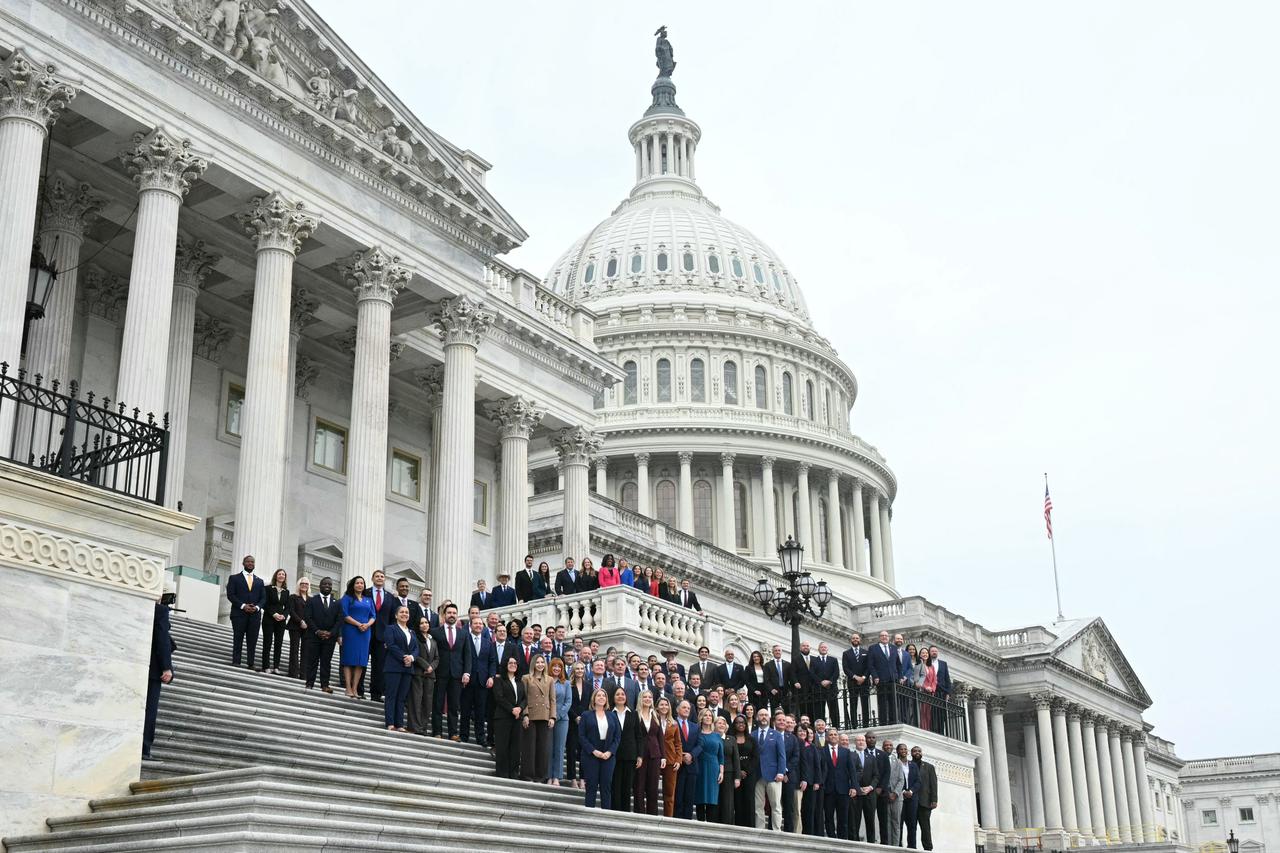


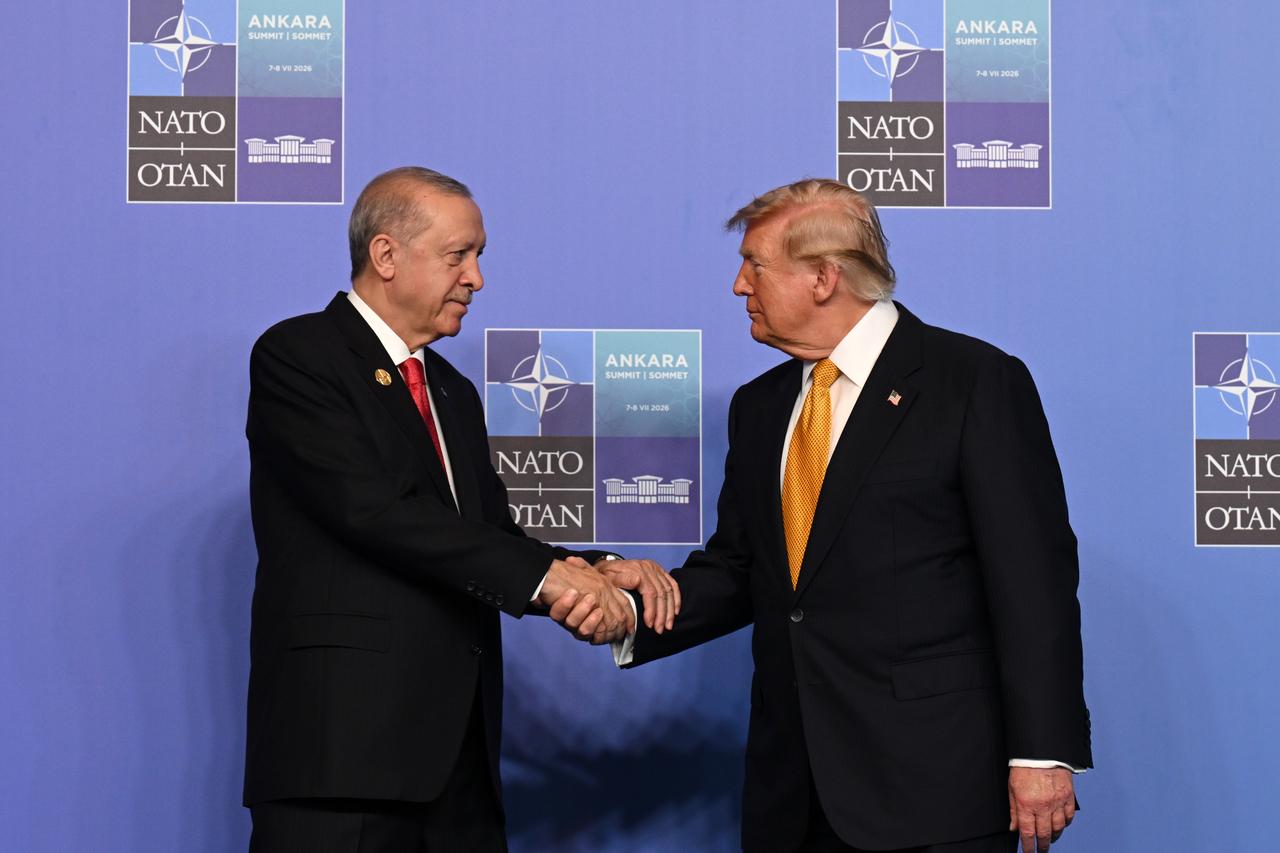
Two friends fall out but stay polite, though neither trusts the other as they once did. Then events force them into common cause, and the relationship turns in an exciting, if complicated, direction. That, in short, is the state of Türkiye-U.S. relations.
Both Ankara and Washington know that, despite the distrust that has built up since the 2003 U.S. invasion of Iraq, they need to move forward where their interests overlap and compartmentalize where they deeply disagree.
But Türkiye-U.S. ties cannot go further without breaking the seemingly intractable S-400/F-35 logjam, which hangs over the relationship like a sword of Damocles.
The Nov. 3 midterm elections in the U.S., which will see the Democrats in both chambers of Congress come January, and the “lame duck” Congress, which tends to be surprisingly productive before the new one takes over, open a narrow window for Ankara and Washington.
Both sides keep long lists of grievances. For Ankara, the 2003 invasion of Iraq revived the PKK and, years later, let its violence spill over into Syria.
The “hood incident” that July, when U.S. troops detained Turkish special forces in the Iraqi Kurdish city of Sulaymaniyah in 2003 and put hoods over their heads, probably wounded Turkish pride more than anything else.
In Syria, then-President Barack Obama drew a “red line” in 2012 over the Assad regime’s use of chemical weapons, then declined to enforce it in summer 2013.
Washington went on to arm the PKK’s Syrian branch against Daesh and stood aside while Russia and Iran tried to bully Ankara. And it never extradited ringleader Fetullah Gulen, the Pennsylvania-based cult leader behind the July 2016 coup attempt, who died there in October 2024.
It was in that context that Türkiye felt compelled to buy the S-400 in 2017 and take delivery in 2019, despite warnings under the U.S. Countering America’s Adversaries Through Sanctions Act (CAATSA). Washington removed Türkiye from the F-35 program that July and, in December 2020, sanctioned its Presidency of Defense Industries (SSB) under CAATSA, the first time the law had been used against a NATO ally.
Today, Ankara’s main worry is simple: what if it gives up the S-400 and still gets nothing from Washington, whether because of opposition in Congress or the backlogs that plague U.S. defense production? The F-16 saga is a cautionary tale. Ankara requested new jets in 2021 and won approval only in January 2024, after its parliament ratified Sweden’s NATO membership.
Not that the U.S. does not have trust issues. In the run-up to the invasion of Iraq in 2003, some figures in Türkiye’s newly elected and inexperienced Justice and Development Party (AK Party) government gave the Bush administration overly rosy assurances about public and parliamentary support for letting U.S. forces cross Turkish territory into Iraq. When the Turkish parliament rejected the motion on March 1, 2003, falling three votes short of the required majority, relations soured fast.
Ankara’s democratic and rule-of-law backsliding strained relations further, although not nearly as much as the worsening of Türkiye-Israel ties, which pitted two of Washington’s closest Middle East allies against each other.
Washington also suspects that neither the AK Party nor any movement that replaces it will be willing to give up Ankara’s hard-won strategic autonomy.
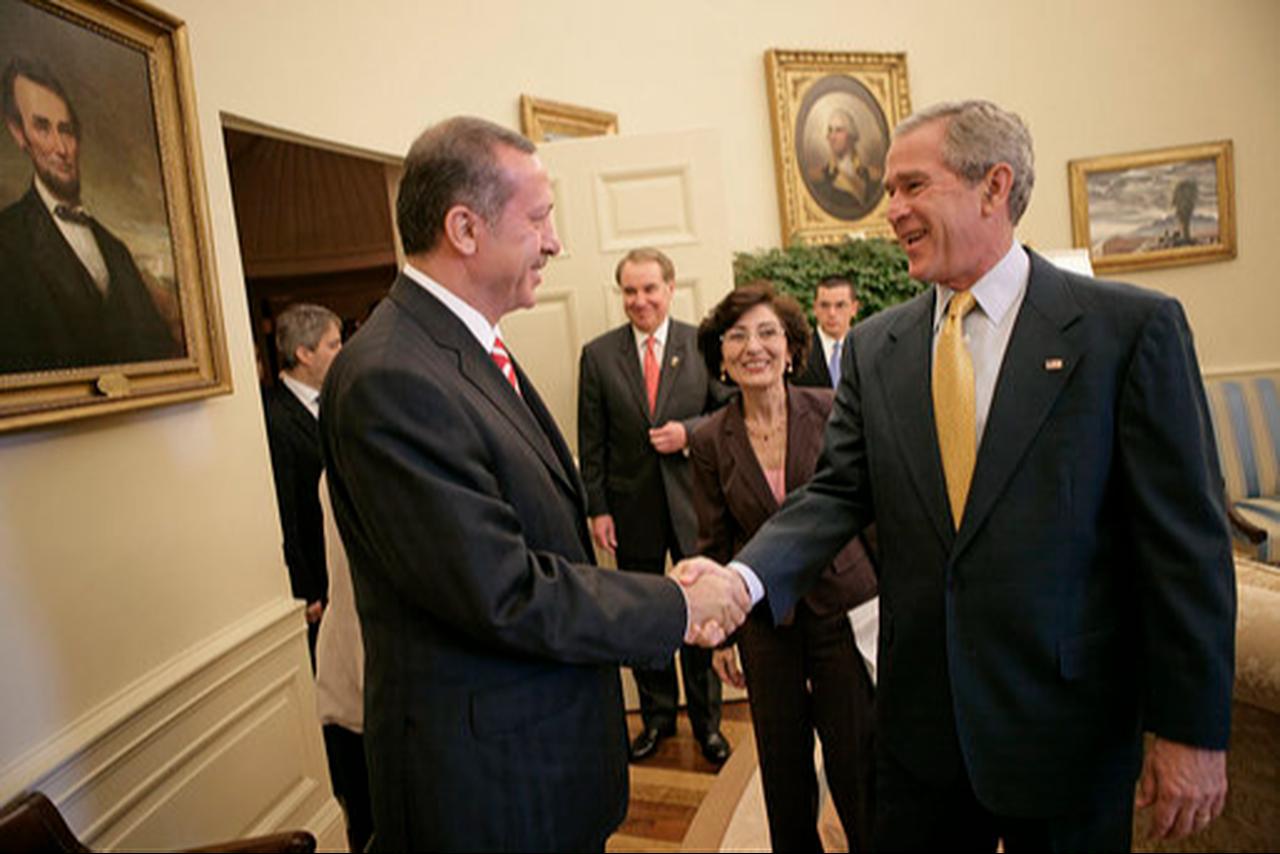

On paper, the rules are clear. Section 1245 of the 2020 National Defense Authorization Act (NDAA) bars any F-35 transfer until the administration certifies that Türkiye no longer has the S-400.
In a July 22 letter to Rep. Wesley Bell, the State Department added two more conditions: assurances that Ankara will not reacquire the system, and compliance with the remaining legal requirements. In October, Secretary of State Marco Rubio repeated that, legally, the transfer cannot happen until the S-400 issue is resolved.
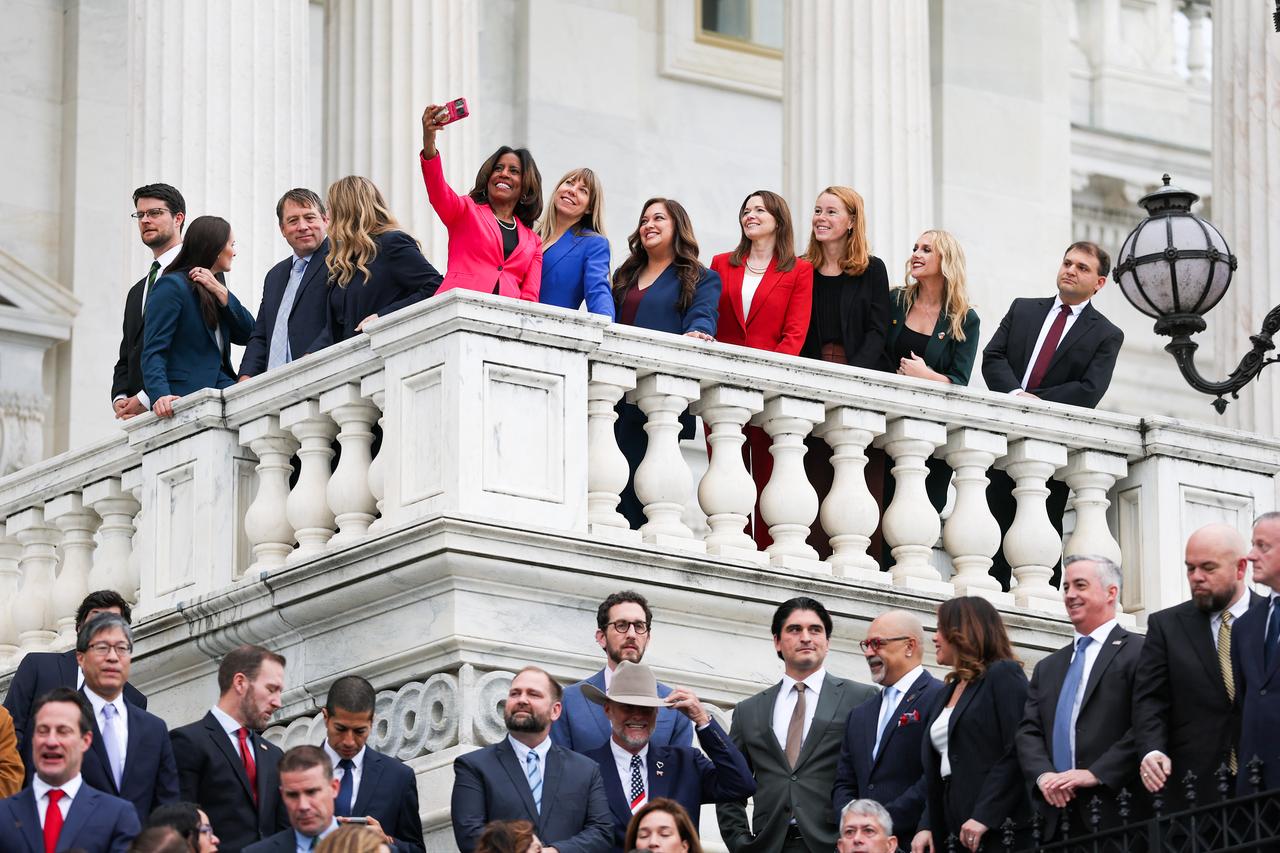
None of that requires a new law. But Congress, through votes and the informal holds that committee leaders place on arms sales, decides how much those certifications are worth. From January, Democrats will chair the committees that review arms sales, and some of them have been skeptical of Ankara.
The current, Republican-led Congress has about five weeks, a Dec. 11 government funding deadline and an unfinished FY2027 NDAA on its plate. That leaves little time, but perhaps just enough for the White House and Republican leaders to lock in a road map before the gavels change hands.
For Gulru Gezer, a retired diplomat and Türkiye’s former consul general in Los Angeles, there are merely weeks for the Trump administration and the Republican-controlled 119th Congress to settle the issue. All parties, including Ankara, will have to act fast.
Gezer told Türkiye Today, “The Turkish and U.S. sides would have to take very quick, tandem steps where both Russia’s approval to offload the S-400 system is needed and Washington signs off on whether Moscow or a third party takes possession of the system.”
“When the new Democratic-controlled Congress takes over, it might become more difficult to end the standoff or Congress will have other priorities than Türkiye’s F-35,” Gezer added. “We should ask why it took so long to address the underlying issues so we can get a better sense of how to address them if the standoff continues.”
The Turkish side already accepts the U.S. premise that it would have to offload the S-400 before it could receive the F-35s built for its air force, which sit in U.S. storage. Meanwhile, the U.S. knows that barring Türkiye from the F-35 program for its possession of S-400, while U.S. F-35s operate pretty close to S-400s in places such as India, along with the program’s production, pricing, and contract problems, casts doubt on its reliability as a defense industrial partner.
To get past this, Ankara and Washington would do well to draft a detailed memorandum of understanding to outline what a solution would look like—that is, once Ankara decides whether it will acquire only the six F-35s and use them as a test bed for its national, multilayered, and integrated air defense system, Steel Dome, or buy several dozen more to build a combat squadron or two.
To be effective, the memorandum ought to include at least these steps:
1. With Moscow’s consent, Türkiye sells the S-400, either back to Russia or to a Gulf buyer such as the UAE or Qatar. As the first S-400 elements leave Türkiye, the U.S. takes the six Turkish-owned F-35s out of storage, and Turkish Air Force personnel restart their training.
2. Once the administration certifies to Congress that Türkiye no longer possesses the S-400, as Section 1245 requires, it lifts the CAATSA sanctions on the SSB.
3. With the sanctions lifted and the NDAA bar satisfied, the six F-35s arrive in Türkiye. Ankara decides whether to stop at six aircraft or expand the order to 20 or 40.
4. The 119th Congress, ideally in the FY2027 NDAA that it is trying to finish, writes this sequence into law, so that Ankara knows the goalposts will not move once the S-400 is gone.
For the U.S., the wars in Ukraine and Iran, along with the genocide in Gaza, where Türkiye has been a mediator and a guarantor of the October 2025 ceasefire, show the value of a capable ally on NATO’s southeastern flank.
In addition, with some strategic readjustments, Türkiye’s defense sector—from aerospace to shipbuilding, from munitions production to drones—could be a powerhouse partner for the U.S. side, similar to Italy, Japan, and the U.K.
None of this is an “audacity of hope.”
There are good reasons for skepticism. Again, Russia must approve any S-400 resale, and Moscow has little reason to help Ankara mend fences with Washington. No buyer has been announced since reports in July that the UAE or Qatar might take the system while Israel is lobbying hard against the sale; Prime Minister Benjamin Netanyahu reportedly called President Donald Trump to object after the NATO summit in Ankara.
Even Republicans are not unanimous. “If they have the S-400, they cannot have the F-35,” Sen. Rick Scott told Semafor in August. And with 20 Eurofighter Typhoons on order from Britain and the National Combat Aircraft (MMU) KAAN in development, Ankara may feel less urgency than it did in 2019.
Still, even then, Türkiye is going to need U.S.-made engines for KAAN and the advanced jet trainer Hurjet.
Turkish-U.S. ties need not go back to a mythical golden age of the early Cold War years—the bilateral and global balance of power has shifted too much for that. But if Ankara and Washington use the next few weeks to take down the sword of Damocles hanging over them—or at least to agree on a roadmap to do so- the two old friends could move from politeness to partnership.
If they miss the window, a Democratic Congress with other priorities might make the same conversation much harder after January.


 Set as preferred source
 Set as preferred source


 2 min read

 1 min read