Newsletters




A month into the conflict, the Middle East is facing severe operational and economic strains. Global markets remain cautious, energy transit through the Strait of Hormuz has slowed, and air raid sirens have become frequent in regional capitals. The initial controlled escalation observed in the conflict's early weeks has transitioned into a broader realignment in the region.
At this juncture, significant divergences in strategic vision are evident even among allies. Washington’s objective remains methodical: systematically dismantling Iran’s radar networks, ballistic missile infrastructure, and underground nuclear facilities. The Pentagon aims to neutralize Tehran’s conventional deterrence by targeting Natanz and Fordow enrichment facilities, as well as early-warning systems in Isfahan. US military operations are focused on degrading the regime's military capabilities through precision strikes.
Israel, however, has pursued a more direct strategy aimed at the regime's core. Decision-makers in Tel Aviv opted to target the leadership directly rather than focus solely on proxy networks. This campaign resulted in the assassination of Supreme Leader Ayatollah Ali Khamenei, a significant intelligence and operational move that shifted the geopolitical landscape, abruptly bringing his son, Mojtaba Khamenei, to power.
However, rather than collapsing the regime, the strategy of targeting the leadership appears to have further entrenched the hardline faction within the Islamic Revolutionary Guard Corps (IRGC).
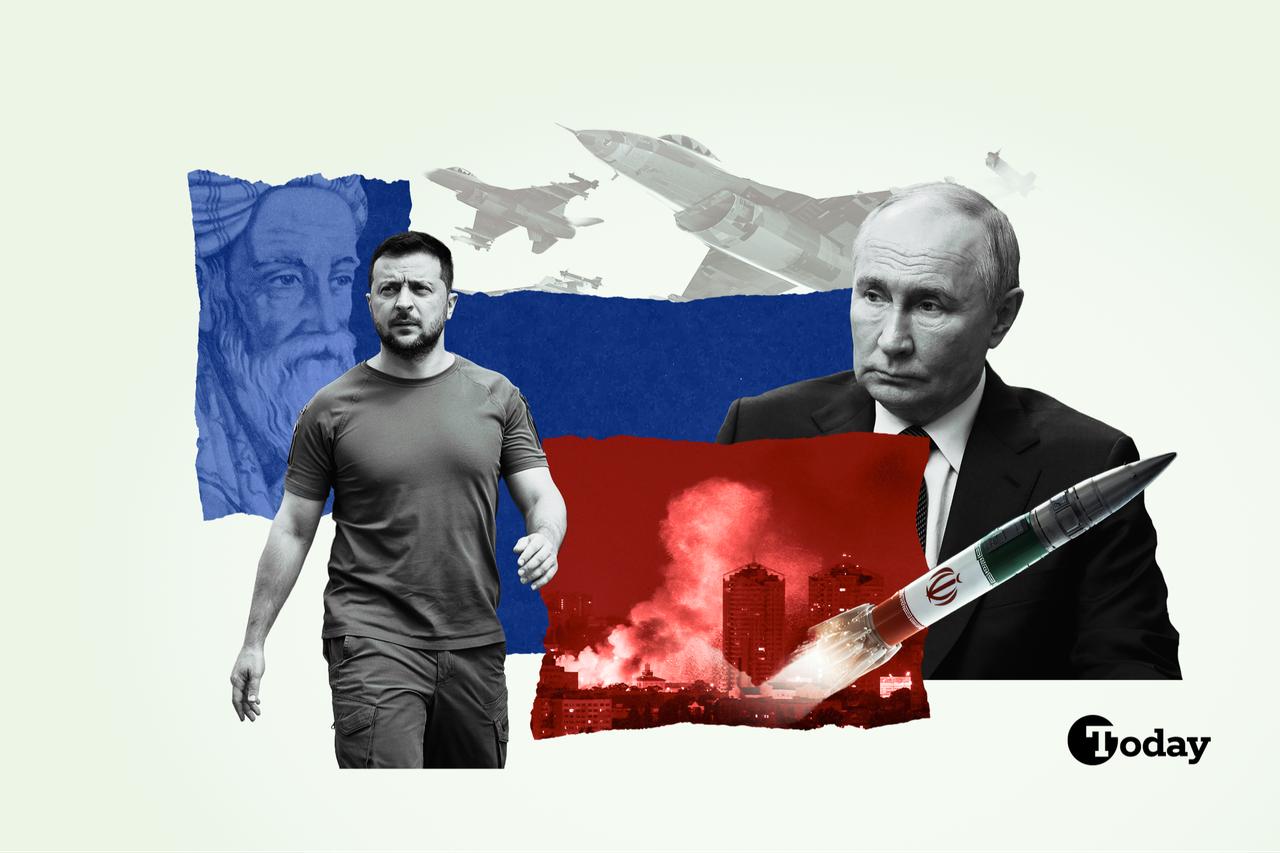
Under mounting pressure, with compromised intelligence networks and diminished operational capacity, Tehran responded aggressively as Mojtaba sought to consolidate his position. Iran deployed its asymmetric capabilities, launching a barrage of drones and ballistic missiles at Israeli cities, U.S. bases in Syria and Iraq, and neighboring Gulf states that are attempting to remain neutral.
Over the past two weeks, the Shahed-136 drone deployments and the Fateh-110 missiles have heavily tested the capacities of Iron Dome and Patriot batteries. Concerns over potential strikes on Saudi Arabia's Abqaiq facilities or UAE infrastructure have kept the Brent crude prices near $115 per barrel.
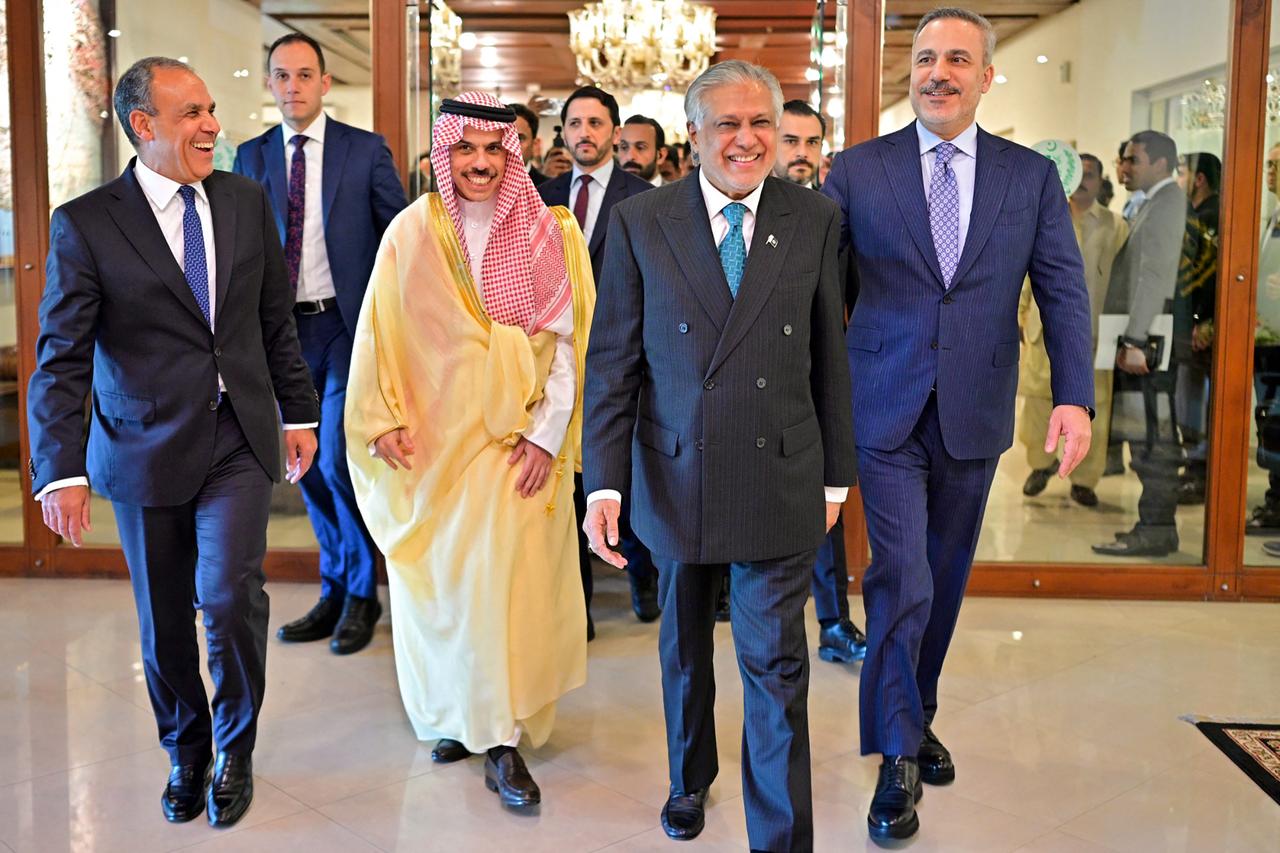
Amid this volatility, Türkiye is maintaining a pragmatic middle ground, demonstrating regional diplomatic agility. Decision-makers in Ankara recognize the severe economic and security risks associated with direct involvement in the conflict. By avoiding direct military engagement and rapidly deepening diplomatic and defense ties with Pakistan, Saudi Arabia, and Egypt, Ankara is demonstrating that regional states do not have to choose between a U.S.-Israeli axis and an Iranian alignment.
The combination of Riyadh’s financial resources, Egypt’s strategic and demographic weight, Pakistan’s nuclear deterrence, and Türkiye’s defense industry, coupled with its NATO-standard military capacity, forms a de facto ‘third bloc’ in the Middle East.
This emerging alignment neither submits to Tehran's proxy strategies nor unconditionally supports Washington's broader regional objectives. Currently, this strategic prudence centered in Ankara is a key factor in keeping the region's escalating risks manageable.
 2 min read
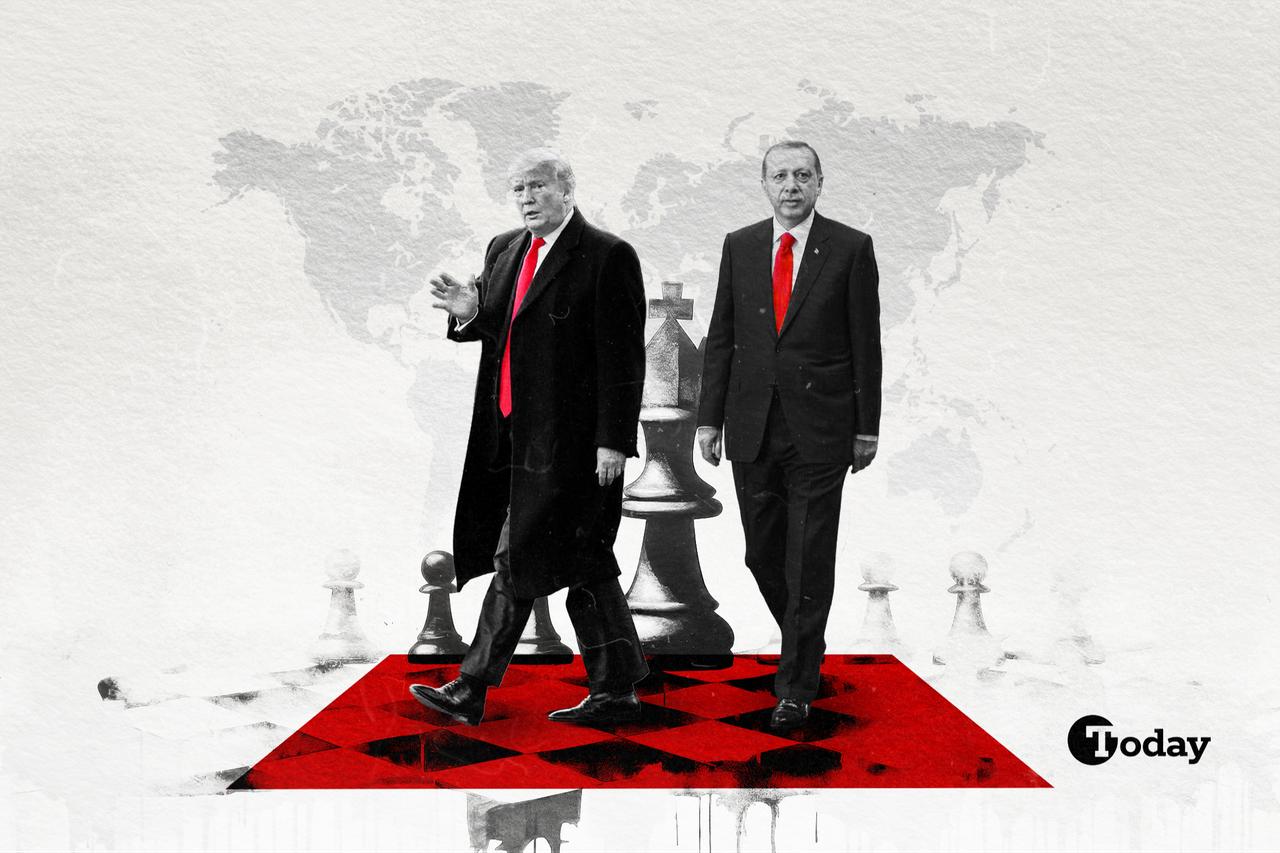
The situation in the Gulf offers a critical perspective on this shift. Riyadh and Abu Dhabi are acutely aware of the vulnerability of their economic transformation projects, such as Vision 2030, to potential missile strikes from Tehran. While they pursued more interventionist policies in Yemen and Libya in previous years, the Gulf capitals have now adopted a strictly defensive posture.
Despite possessing advanced Western air defense systems, they recognize the fragility of their infrastructure in an asymmetric conflict. Consequently, they increasingly rely on the diplomatic channels and the balancing influence that Türkiye provides.
From a historical perspective, this juncture marks a structural shift in the region's underlying dynamics. The Middle East during the Arab Spring was defined by sharp ideological fault lines, sectarian tensions, and clashes between status quo powers and revolutionary movements.
Alliances were shaped by regime visions and popular demands. Today, the region is governed by strict pragmatism rather than ideology. Mojtaba Khamenei's drive for regime survival, Israel's core security concerns, and the Sunni Arab bloc's focus on protecting economic gains have superseded religious or political rhetoric.
In this volatile and high-risk environment, regional cooperation is no longer a diplomatic option; it is a fundamental requirement for stability. This underscores the significance of Türkiye's policy adjustments and its emerging alliance network.
As Gulf capitals are realizing, navigating a conflict characterized by asymmetric warfare and rapid regime shifts requires collective effort, and no single nation can manage these challenges alone. The regional dynamic has been reset, and long-term stability will depend on the states' ability to effectively balance their geopolitical weight.


 Set as preferred source
 Set as preferred source


 1 min read