Newsletters





Aleksandar Vucic was not confident of victory on Oct. 25, which is why he was prepared to unleash violence against the Student List supporters.
It never came.
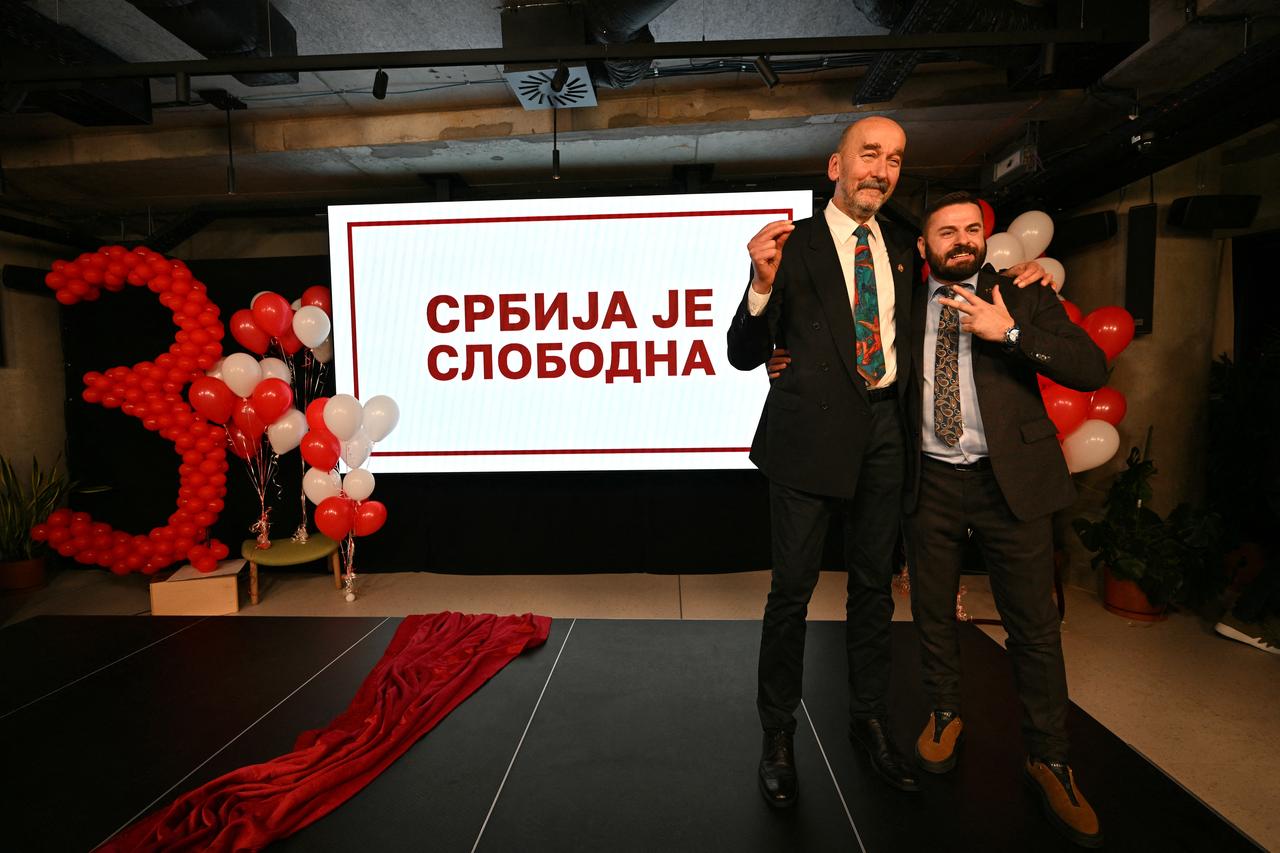
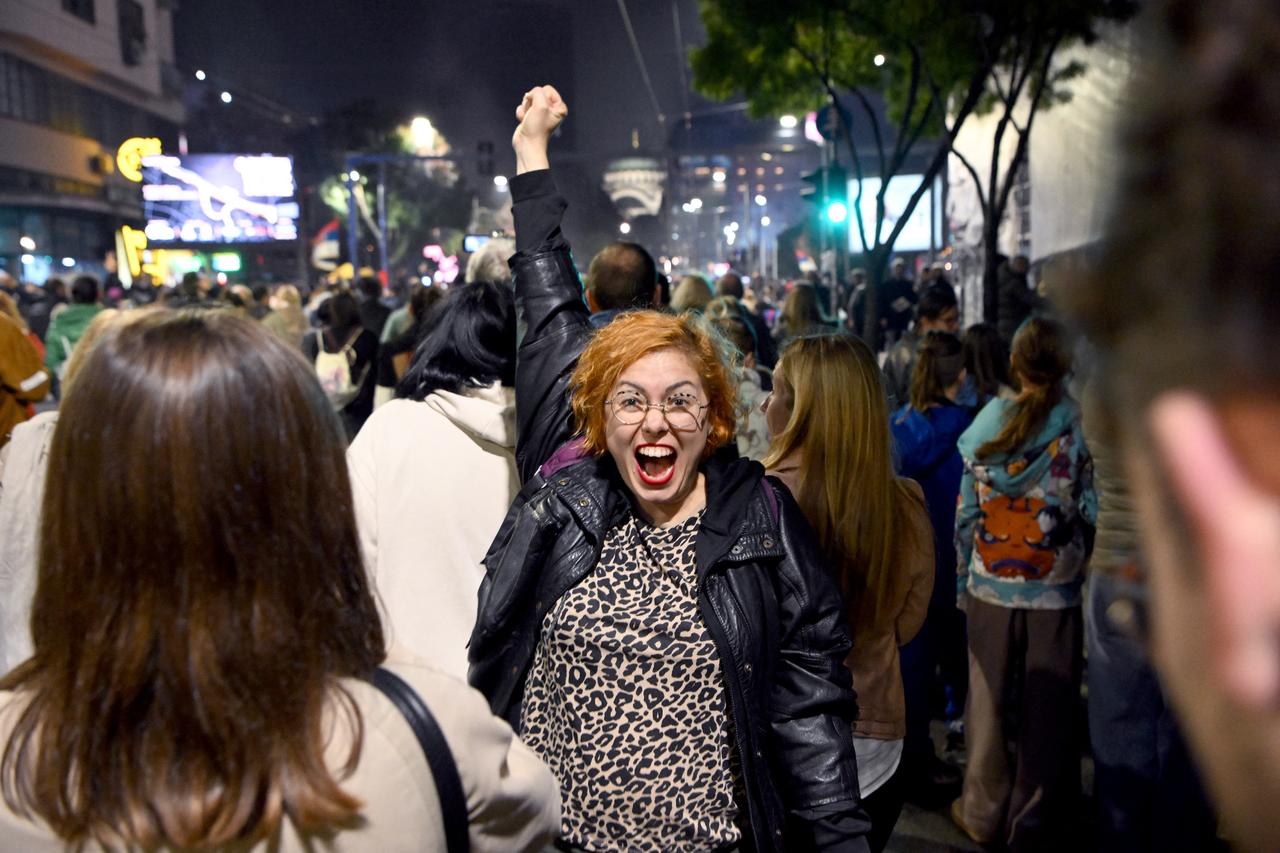
Rumors credit a few well-placed phone calls with preventing bloodshed, but a more compelling explanation is that the Student List’s landslide victory hit him with a force he had never anticipated.
Faced with a result he could neither manipulate nor contain, the autocrat was paralyzed. So, too, were those around him who had helped turn Serbia into a mafia state.
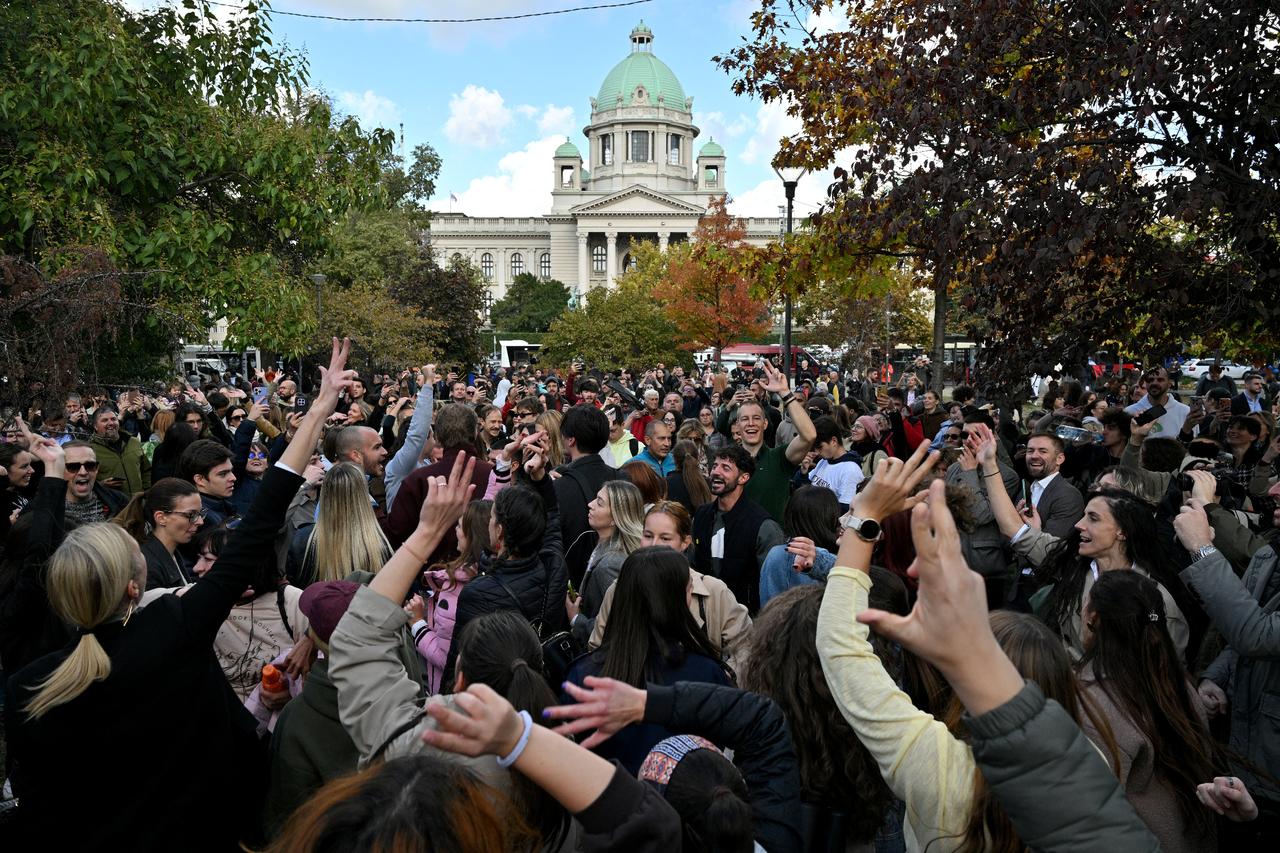
The election confirmed that the machinery of intimidation had met something it could not intimidate: the people’s vote. Student marches across Serbia, welcomed by peers, community members, and the elderly waiting to offer them fruit and pastries, helped spread the vision of a better Serbia.
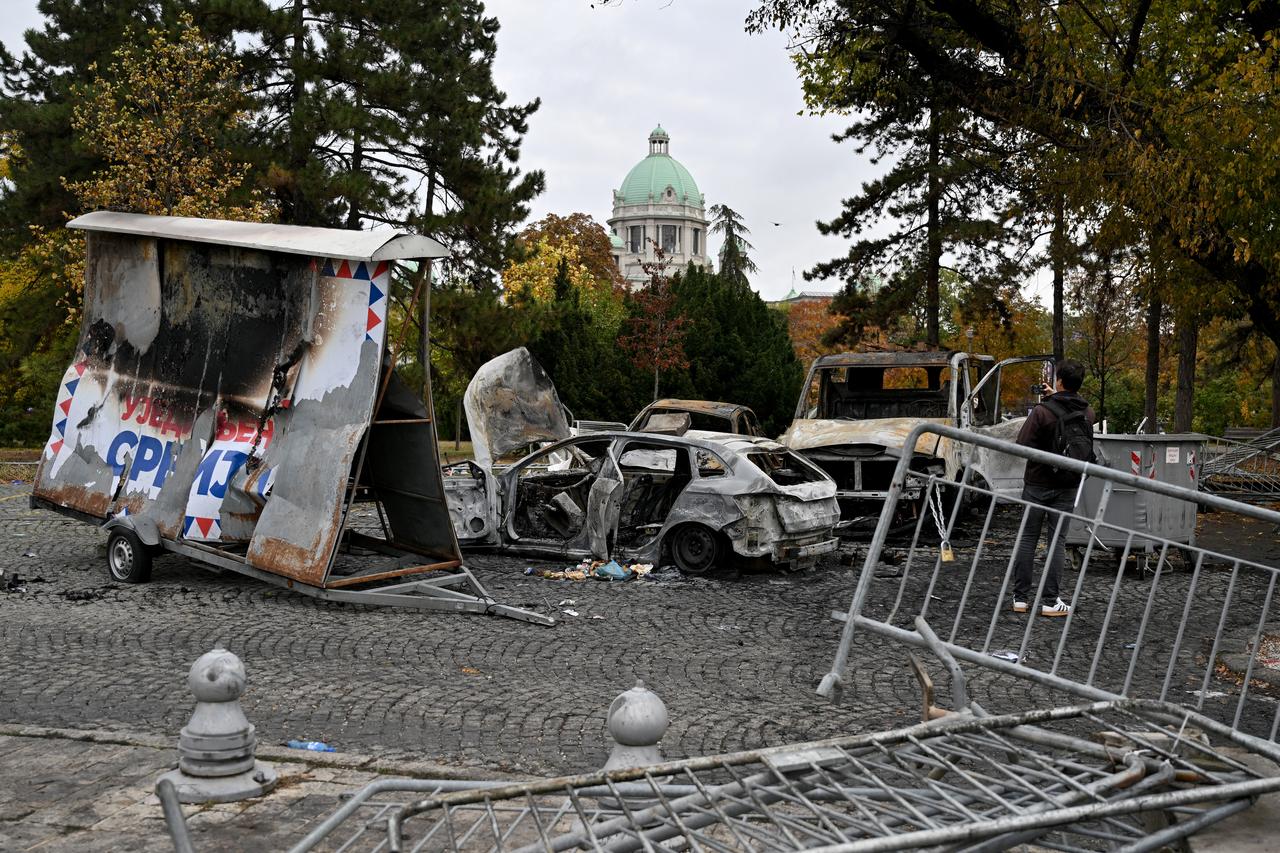

The harder the regime tried to engineer the outcome—through pressure on voters, the misuse of public resources, and the creation of unequal conditions for political competition—the more determined Serbs became to oust Vucic.
The regime also sought to disenfranchise the diaspora by restricting polling stations abroad, forcing many Serbs to travel long distances and vote according to Serbia’s time zone. They turned out anyway—some out of a sense of duty, others out of sheer defiance.
EU authorities, including the OSCE and European Parliament election observers, were alert to the risk of electoral fraud and cautious about rushing to congratulate the winners while concerns remained unresolved. More importantly, they were aware that Serbian students had remained peaceful throughout.
In fact, in April 2025, they cycled to Strasbourg, and in May, they ran to Brussels to convey their proximity to EU values in person and seek support for their fight for the rule of law and government accountability at home.
Therefore, the Vucic regime’s attempts to portray students as “Nazis,” the “fascist Falanga,” or “hate-filled monsters,” along with the Serbian Patriarch’s decision to falsely accuse them of staging “a color revolution” during his visit to Moscow, were unconvincing. If anything, such rhetoric added to an already troubling record of the state’s conduct, including the alleged use of a sonic weapon during a peaceful protest in March 2025 and the reported deployment of Pegasus spyware against anti-government activists.
What the Student List and Brussels have in common is that Vucic has repeatedly humiliated both, each time apparently convinced that he is stronger and smarter than they are.
Securitization and conspiracy theories, disseminated through pro-regime media, serve this purpose. However, Vucic misjudged their limits and courage, underestimating their determination to see things through.
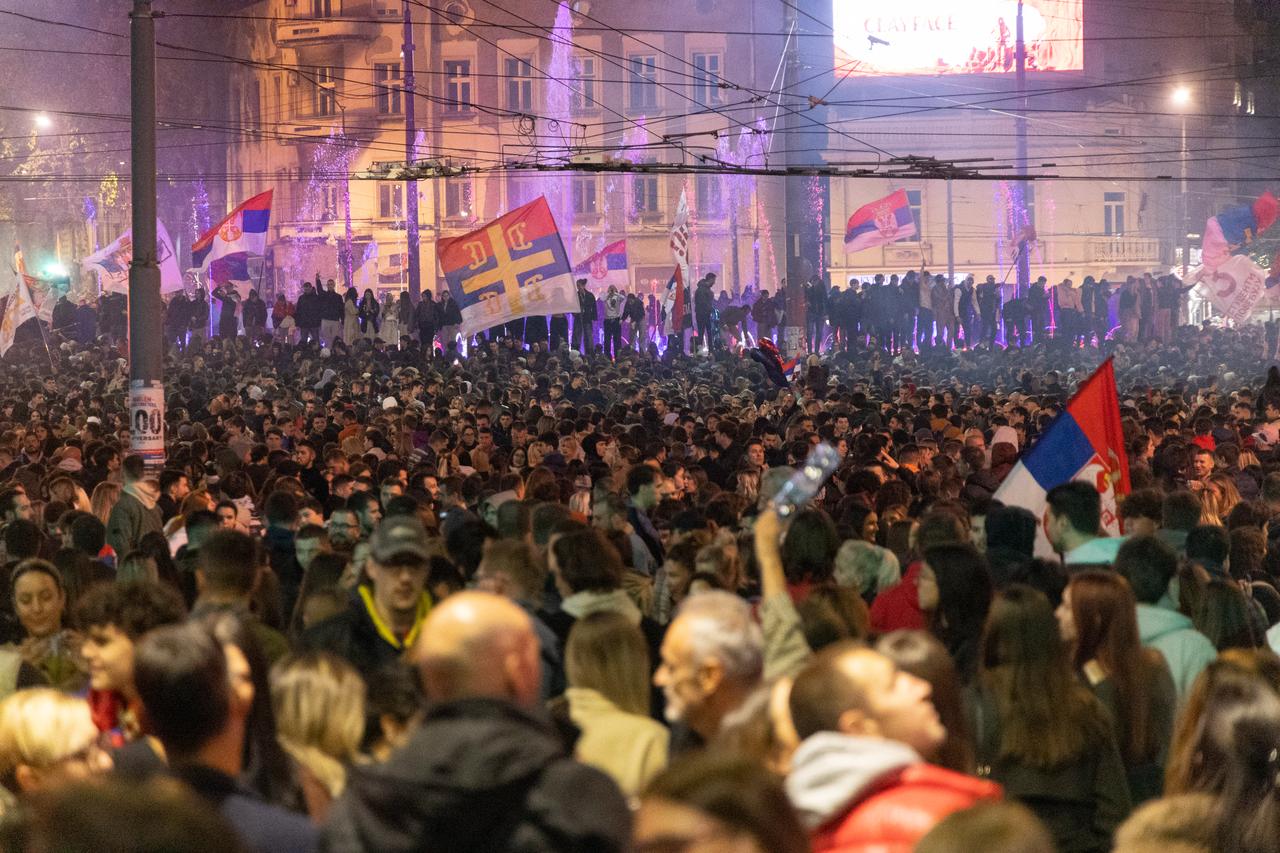
Before Serbia can make meaningful progress, it has some serious house-cleaning to do. And the sooner it starts, the better. Turning public demands into lasting change will require experienced administrators, economists, lawyers, and policymakers capable of translating promises into legislation and effective action.
Back in the 1980s, Michael Harmon distinguished between three forms of administrative responsibility, drawing attention to the tensions that can arise between them. Political responsibility is rooted in adherence to the objectives and standards of conduct set by hierarchical authority.
Professional responsibility, by contrast, rests on expertise, ethical standards, and the accumulated experience and traditions of an institution. Personal responsibility goes a step further, grounding moral action in self-reflection, authentic human relationships, and individual commitments.
Political responsibility begins with understanding what brought the Student List to victory. The student movement did not emerge as a conventional political party. Its legitimacy grew out of a much more fundamental demand: government accountability and the restoration of the rule of law, initially in response to the 2024 Novi Sad railway station tragedy, which claimed 16 lives.
The new leadership must therefore do more than replace the faces of the previous administration. Its task is to build institutions that keep power in check, whoever happens to be in government.
The October election, held in a deeply polarized environment, exposed serious inequalities in campaign conditions, as international observers noted. This makes electoral and institutional reform not just desirable, but essential. The challenge is to make oversight an integral feature of the system, not merely a promise.
The challenge of professional responsibility is particularly acute in Serbia, where political interference in public institutions, above all the judiciary, and tight control over the media sector have fueled democratic backsliding.
The incoming government faces a delicate task: dismantling the old system without politicizing the new one. Reform must not become an excuse for a wholesale purge. Such an approach would sacrifice institutional memory, professional expertise, and administrative continuity.
But experience alone cannot be a shield. The key distinction is between professional continuity and political complicity. Officials who served lawfully and professionally should be protected, regardless of their political affiliations. Those implicated in corruption or abuse of public office must face transparent, legally grounded scrutiny. Serbia needs to replace political loyalty with professional integrity.
Finally, personal responsibility raises perhaps the most uncomfortable questions: what about the civil servants, institutional leaders, and professionals who operated under Vucic? What responsibility did they bear when confronted with political interference, questionable public procurement, and attacks on institutional independence? When did professional obedience cross the line into corruption and complicity?
The incoming leadership should encourage a culture in which public officials are prepared to acknowledge past failures and accept responsibility for their decisions. Importantly, personal responsibility must also apply to the new political leadership itself.
The student movement must avoid assuming that its origins in civil society and its democratic credentials automatically make its representatives immune to the temptations of political power. Its members will face pressures, conflicts of interest, and difficult ethical choices. Their credibility will depend on whether they apply to themselves the standards of transparency and accountability they demanded from their predecessors.
 1 min read
Democratic transitions elsewhere offer a clear lesson: removing a dominant political leader does not dismantle the networks of power or the institutional practices built around them. How the new administration handles accountability and institutional reform will reveal the political culture it intends to build.
Beyond desperately needing a new government, Serbia needs a new understanding of what government is for.
The success of the next government will be measured not only by how effectively it dismantles Aleksandar Vucic’s political legacy, but also by the institutions it builds to ensure that no future leader can recreate it.
How quickly must this happen? As soon as possible. The early signs are promising.


 Set as preferred source
 Set as preferred source


 1 min read