Newsletters


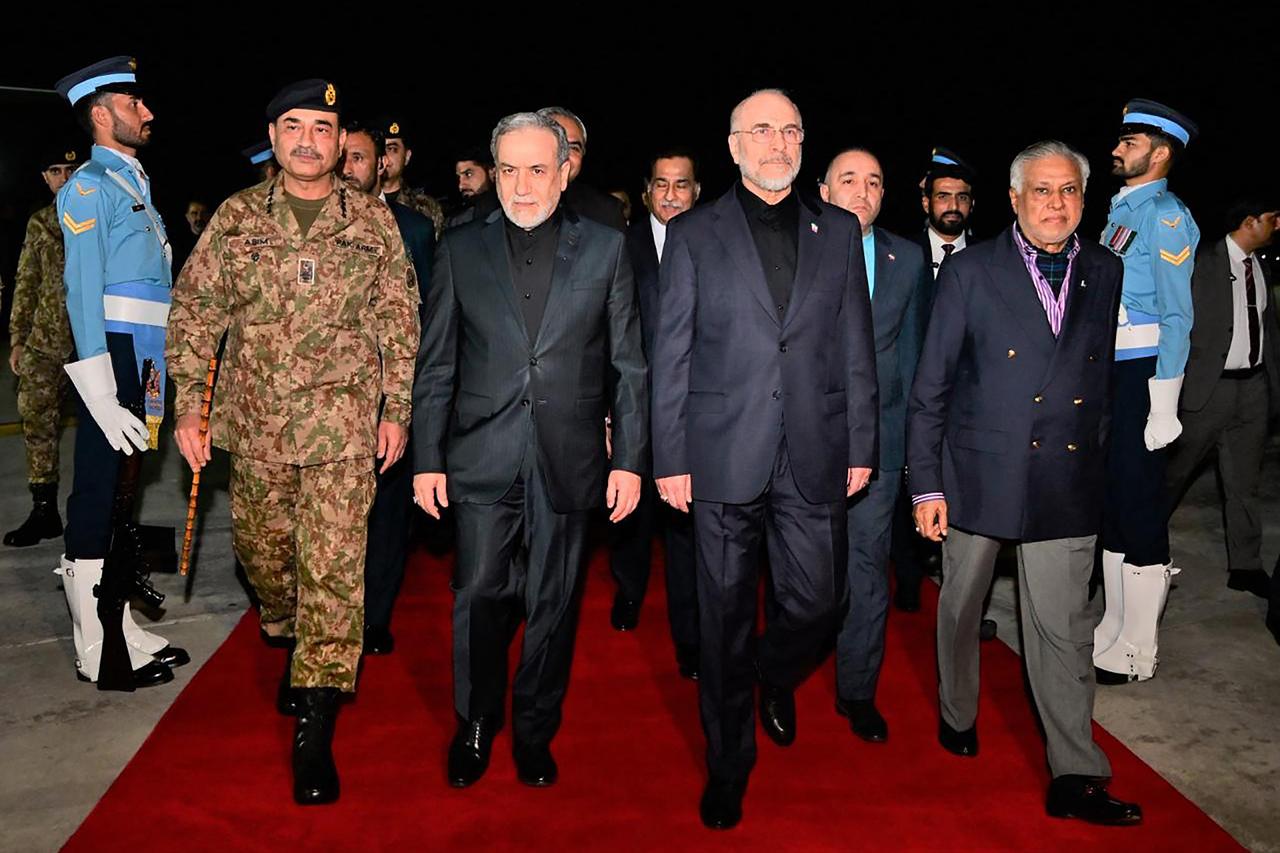


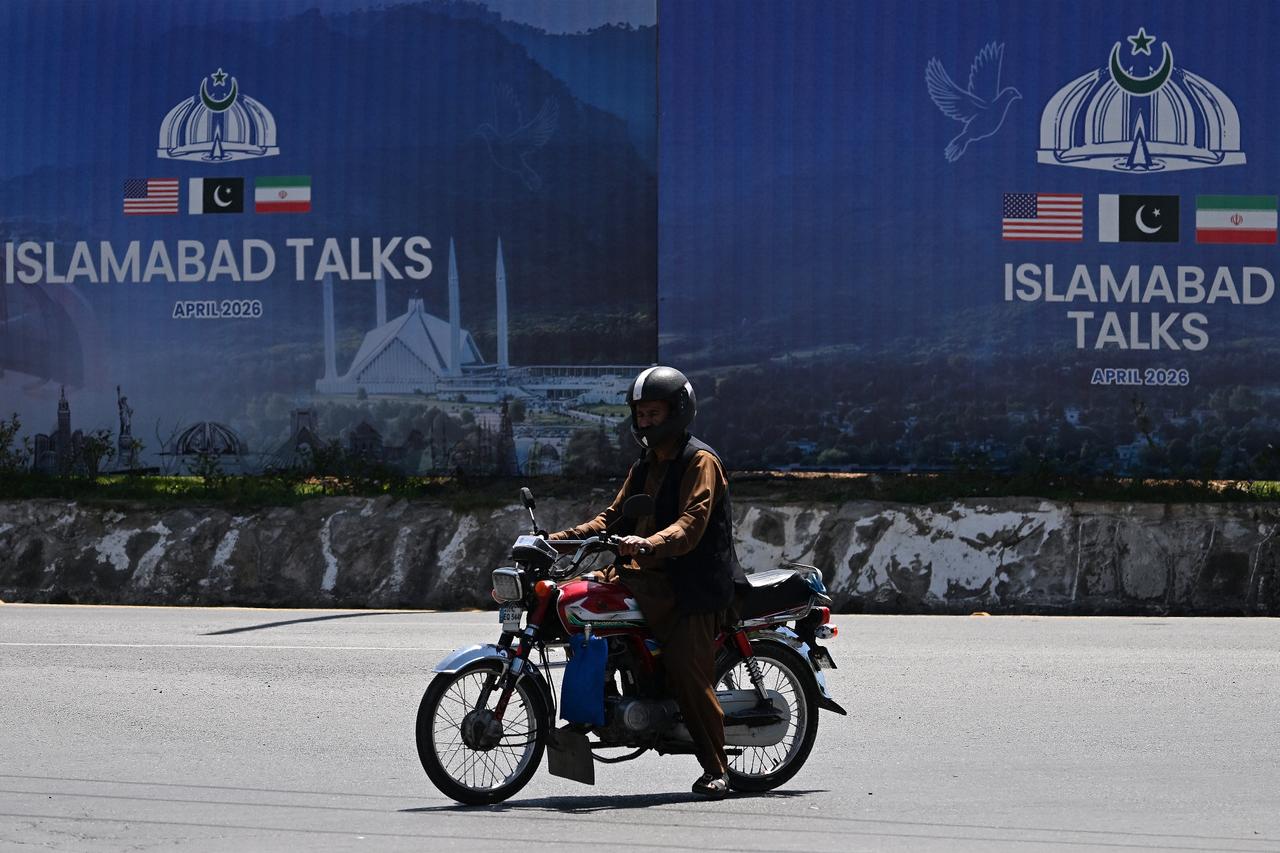
The Islamabad talks lasted 21 hours. The statement lasted 30 seconds.
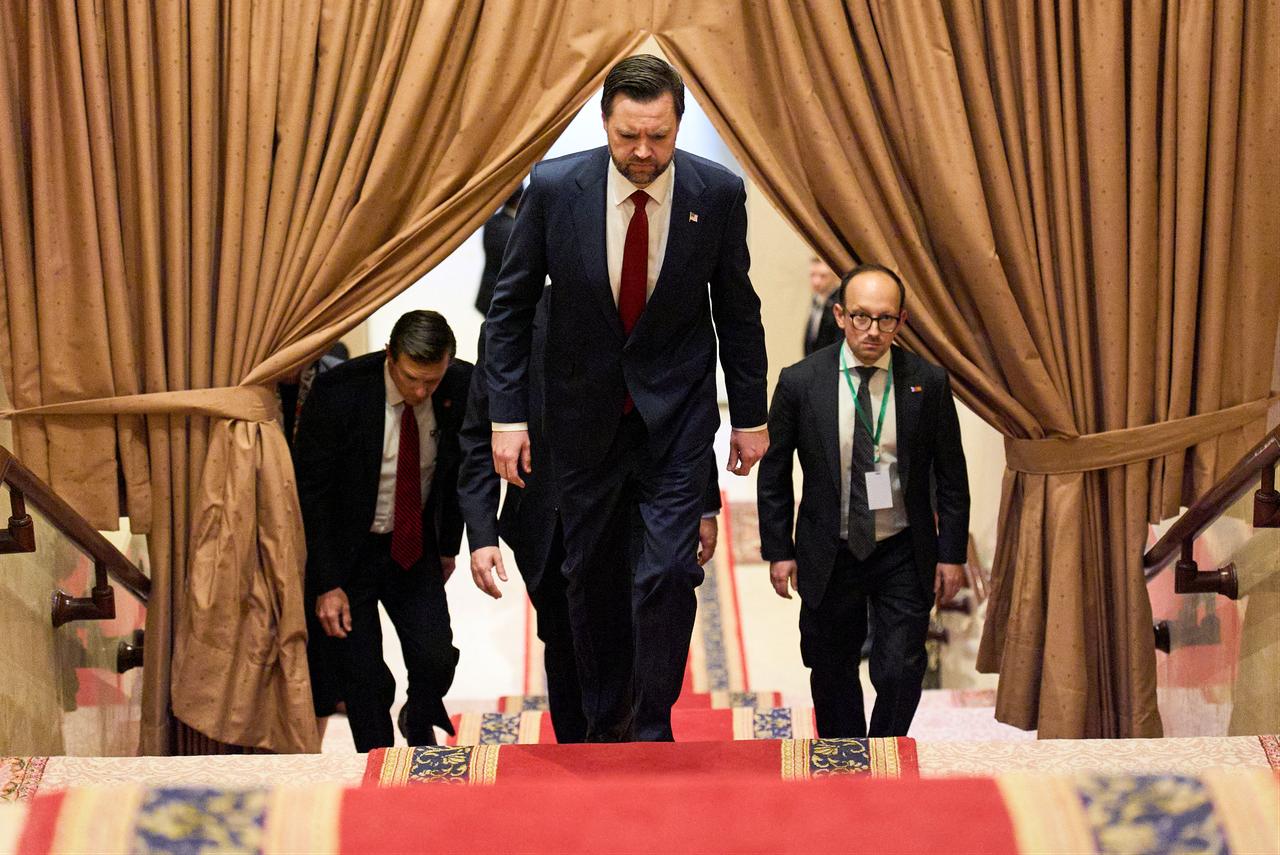
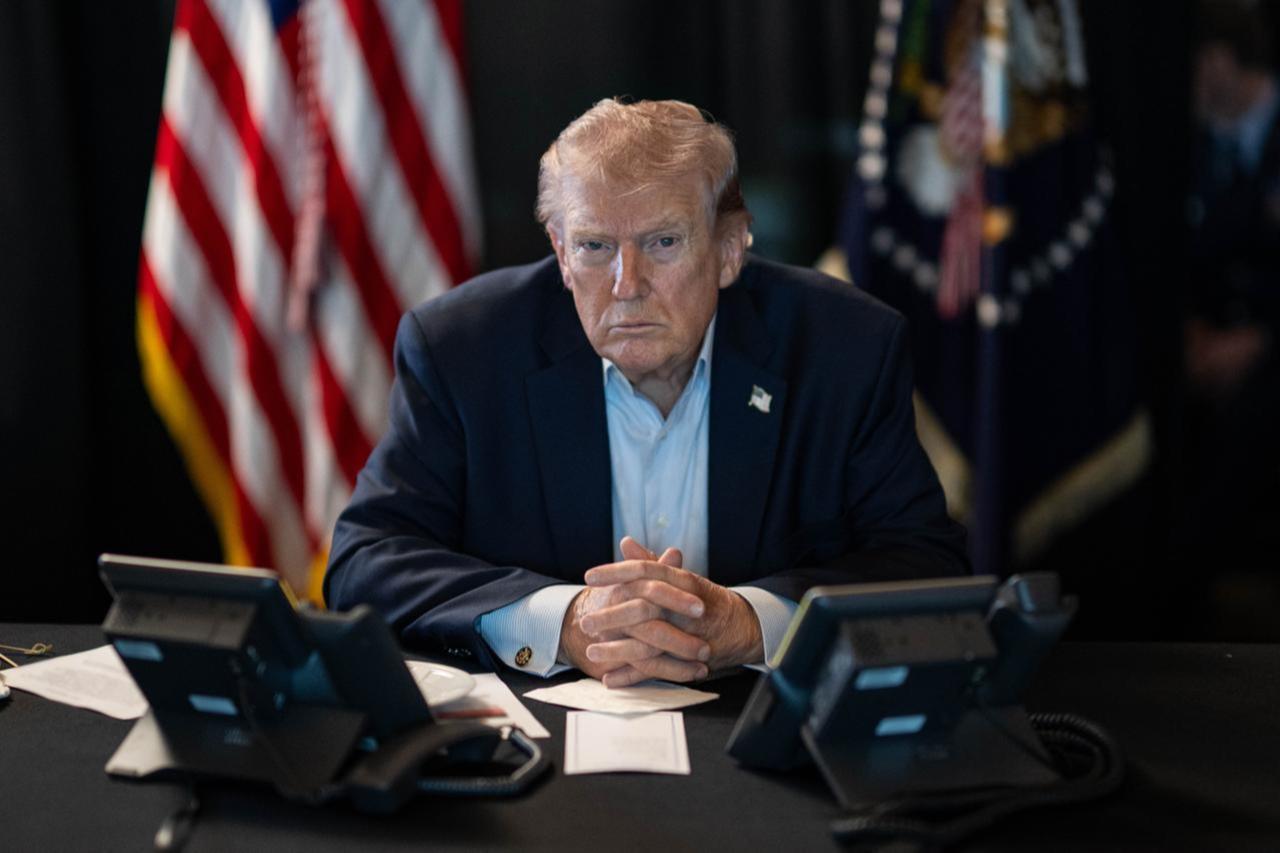
When the Vice President JD Vance emerged in Islamabad early Sunday morning, April 12, and declared the breakdown "bad news for Iran much more than for the United States," he was not briefing the press.
He was doing what this administration has done throughout this war: attempting to achieve through storytelling what military operations had failed to resolve conclusively.
Hours later, Trump threatened a full naval blockade, a threat he made good on the following Monday when U.S. warships began intercepting traffic into Iranian ports. The table in Islamabad was already cold.

The U.S.-Israeli military campaign against Iran, launched on Feb. 28 was the largest American air operation since the 2003 invasion of Iraq.
Washington went to war in Iran with overwhelming force and no coherent answer to the question: what for?
On Feb. 28, the opening day of the war, Trump posted a pre-recorded video to Truth Social, urging the Iranian people to "seize control of your destiny" and take over their government once the strikes were finished, an unmistakable signal of regime change intent.
Days later, Defense Secretary Pete Hegseth denied any such goal. Through the weeks that followed, the administration cycled through casus belli with remarkable speed: Iran's nuclear program, its alleged interference in American elections, the security of American troops, an unspecified imminent threat, and, in one memorable press briefing, the stability of the rules-based order.
By the time Trump posted to Truth Social on March 6 that "unconditional surrender" was the only acceptable outcome, the term had largely lost operational clarity, because no one could agree what surrendering would actually require.
The Islamabad talks confirmed this pattern rather than resolving it. JD Vance departed, saying one of the sticking points was Iran's refusal to commit to not developing nuclear weapons.
Yet, Trump had separately told reporters the day before that the nuclear question was "99% of it," a claim that raised an obvious question: if it was always about the nuclear program, what were the past weeks of shifting justifications for?
The U.S. entered its most consequential diplomatic meeting since the 1979 Islamic Revolution without a settled answer to the most basic question: its own war aims.
Strategic narrative incoherence does not merely produce confusion. It constitutes a transfer of interpretive authority to the adversary. When one side cannot define its own terms of victory, the other side gains the power to define them instead.
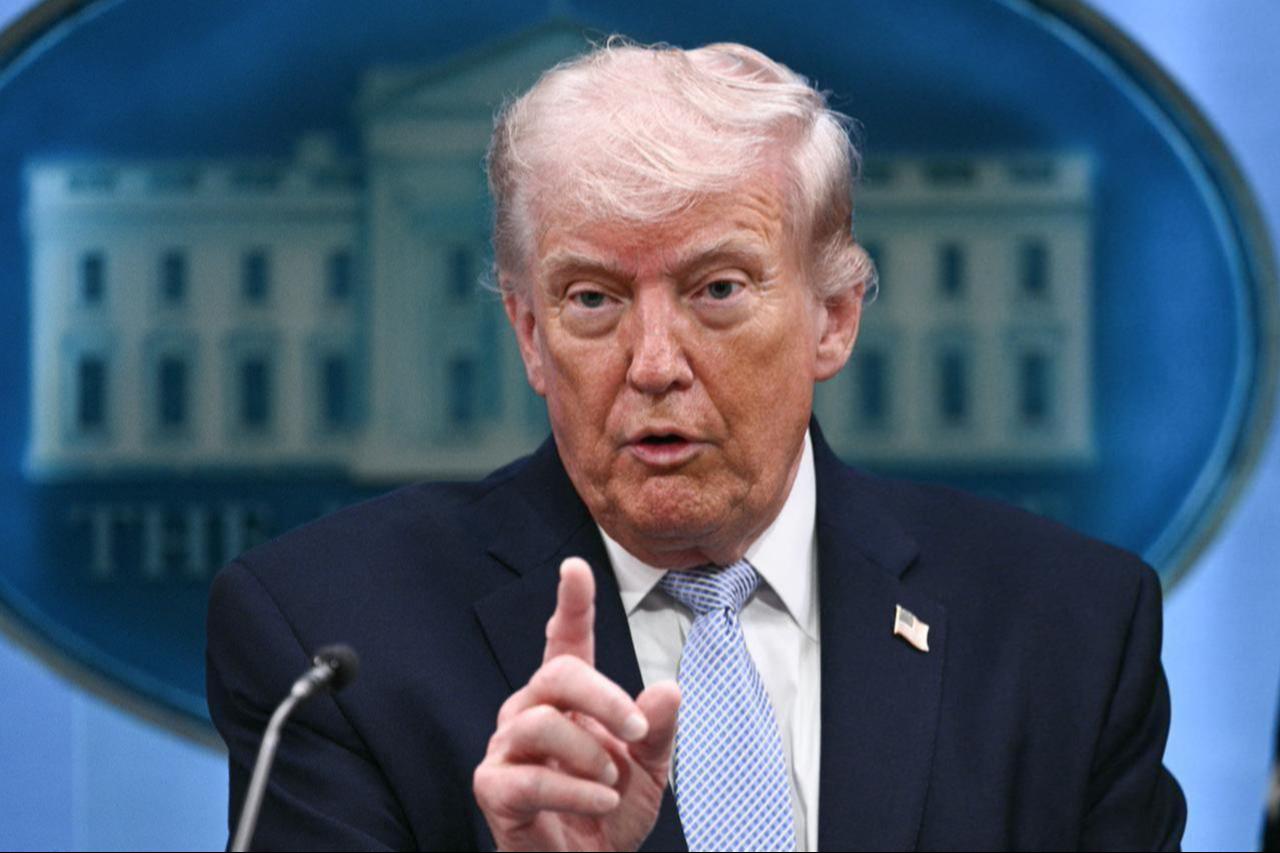
Iran arrived in Islamabad dressed in black, in mourning for its supreme leader, Ali Khamenei, who had been killed in the opening U.S.-Israeli strikes on Feb. 28.
The delegation carried photographs and bloodied belongings of children killed when a U.S. missile struck a girls' primary school in Minab on the first day of the war, killing approximately 180 pupils and staff.
Before a single word was spoken in the negotiating room, Tehran had already delivered its opening argument to the global audience watching the talks. It is deliberate political communication, aimed far beyond the Pakistani mediators in the room.
Throughout the war, Iran maintained a communicative coherence that stood in sharp contrast to its military position.
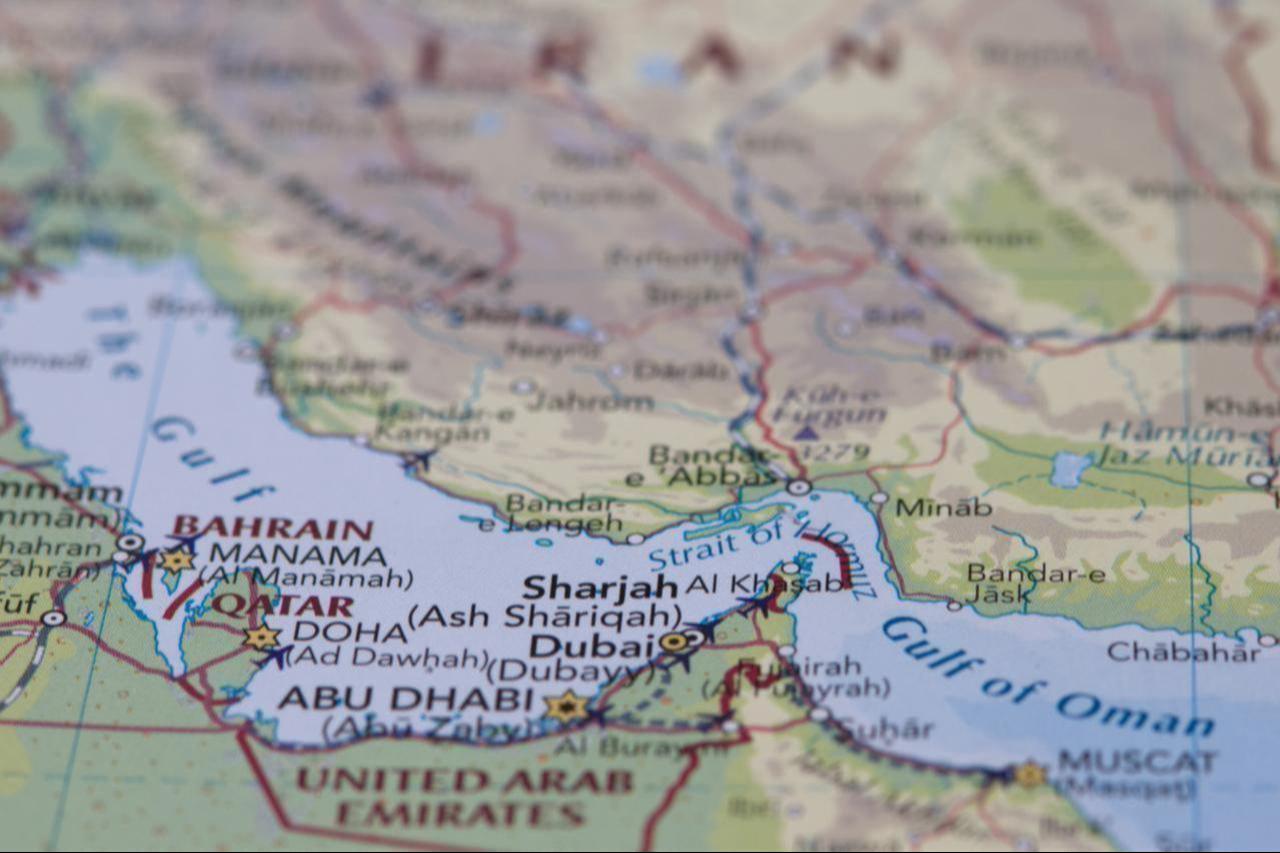
The closure of the Strait of Hormuz functioned not only as a weapon but as a continuous broadcast: the cost of this war belongs to everyone, not just us.
When global helium supplies tightened in the second week of the war and food security entered the headlines in the third, both direct consequences of the Strait's closure rippling through global supply chains, Iran did not need a press office.
The economic disruption spoke for itself. You do not build the narrative. You build the conditions and let the other side's audience fill in the rest.
The result, even after absorbing more than 15,000 combined U.S. and Israeli strikes over six weeks, is that Iran sat at the negotiating table with four non-negotiable conditions: sovereignty over the Strait, full war reparations since Feb. 28, the release of all frozen assets and a ceasefire reaching as far as Lebanon.
Alongside these, Tehran brought a 10-point peace proposal demanding sanctions relief, an end to all U.N. resolutions against it, and recognition of its right to civilian nuclear enrichment.
Despite its military losses and the inconclusive outcome of the Islamabad negotiations, Iran successfully managed the political perception of defeat.
Pakistan brokered the two-week ceasefire that made the Islamabad talks possible, the first direct, high-level, in-person meeting between U.S. and Iranian officials since the 1979 Islamic Revolution.
That was a genuine diplomatic achievement, and the world noticed. However, the talks collapsed anyway, and the reason they collapsed is itself instructive.
The Iranian delegation told Pakistani mediators they did not trust the United States. The U.S. naval blockade of Iranian ports, implemented on April 13, remains in force.
On April 17, Iran declared the Strait of Hormuz "completely open" but only on a "coordinated route" set by Tehran's Ports and Maritime Organization, and only for the remaining period of the ceasefire.
Oil prices fell more than 10% within hours. Trump's two-word response on Truth Social, "Thank you," confirmed who had set the terms of the gesture. However, Iran closed the Strait of Hormuz again on Saturday morning.
The ceasefire is best understood not as a political settlement but as a temporary exhaustion of the will to escalate on both sides.
The mediation structure Pakistan constructed proved insufficient to bridge the underlying credibility deficit between the parties.
The structural gap in this conflict, the absence of a trusted third-party voice capable of bridging not just logistics but the deep communicative mistrust between Washington and Tehran, is now no closer to being filled than before the talks began.
Both sides left Islamabad having performed their roles for their respective audiences. Neither left having resolved anything.
That gap remains unfilled, and the longer it stays that way, the more the conflict drifts toward the logic of the parties with the most bombs rather than the most credibility.
Power politics offers a simpler explanation. What ended the talks, they would say, was not a communicative failure but a structural one.
Iran wants nuclear capability and the full control of the Strait of Hormuz as a sovereign deterrent, and the United States cannot accept that. No press strategy changes that calculus.
That, however, rests on a static conception of interests, treating them as pre-political givens rather than as constructs shaped through interpretive contestation.
Iran's nuclear program is simultaneously a domestic political symbol, a sovereignty claim, and a deterrence signal. The Strait of Hormuz functions similarly.
Its closure was not merely a military maneuver but a domestic political performance, signaling sovereignty and resolve to an Iranian public that has increasingly framed control of the waterway as a matter of national dignity.
Which framing dominates at any given moment depends on the political context in which it is deployed. As the economist Thomas Schelling argued, bargaining in conflict is never purely about capabilities.
It is about credibility, and credibility is not a material quantity.
Conflicts terminate through one of two mechanisms: the imposition of one side's terms on the other, or a mutually recognized stalemate in which continued fighting becomes costlier than settlement.
The Islamabad talks revealed that this conflict has reached neither condition. The talks failed because neither side could make a commitment that the other was prepared to believe.
That is not a realist problem. It is a political communication problem wearing a realist disguise.
The United States cannot articulate what victory requires. Iran has reopened the Strait only conditionally, on a route of its own choosing, for the duration of a ceasefire that expires April 22, and has refused to concede its right to civilian nuclear enrichment.
Washington blockades Iranian ports; Tehran controls the waterway on which the global economy depends. Each side holds the other’s leash, and neither can pull without strangling itself.
As the April 17 reopening made clear, the same chokepoint can function as a weapon, a gift, and a diplomatic credit depending on who sets the terms of the exchange.
The ceasefire holds not because the parties have resolved anything, but because both have temporarily exhausted their willingness to escalate.
What comes next will not be determined by strike counts or bomb tonnage. It will be determined by which side first produces a credible, internally consistent answer to the question neither has yet answered: what does an acceptable outcome actually look like?
Strategic communication is not a supplement to military power. It is the mechanism by which military outcomes are translated into political outcomes.
Until Washington understands that distinction, it will keep winning the strikes and losing the argument. And the table in Islamabad will stay cold.


 Set as preferred source
 Set as preferred source


 2 min read
 1 min read