Newsletters


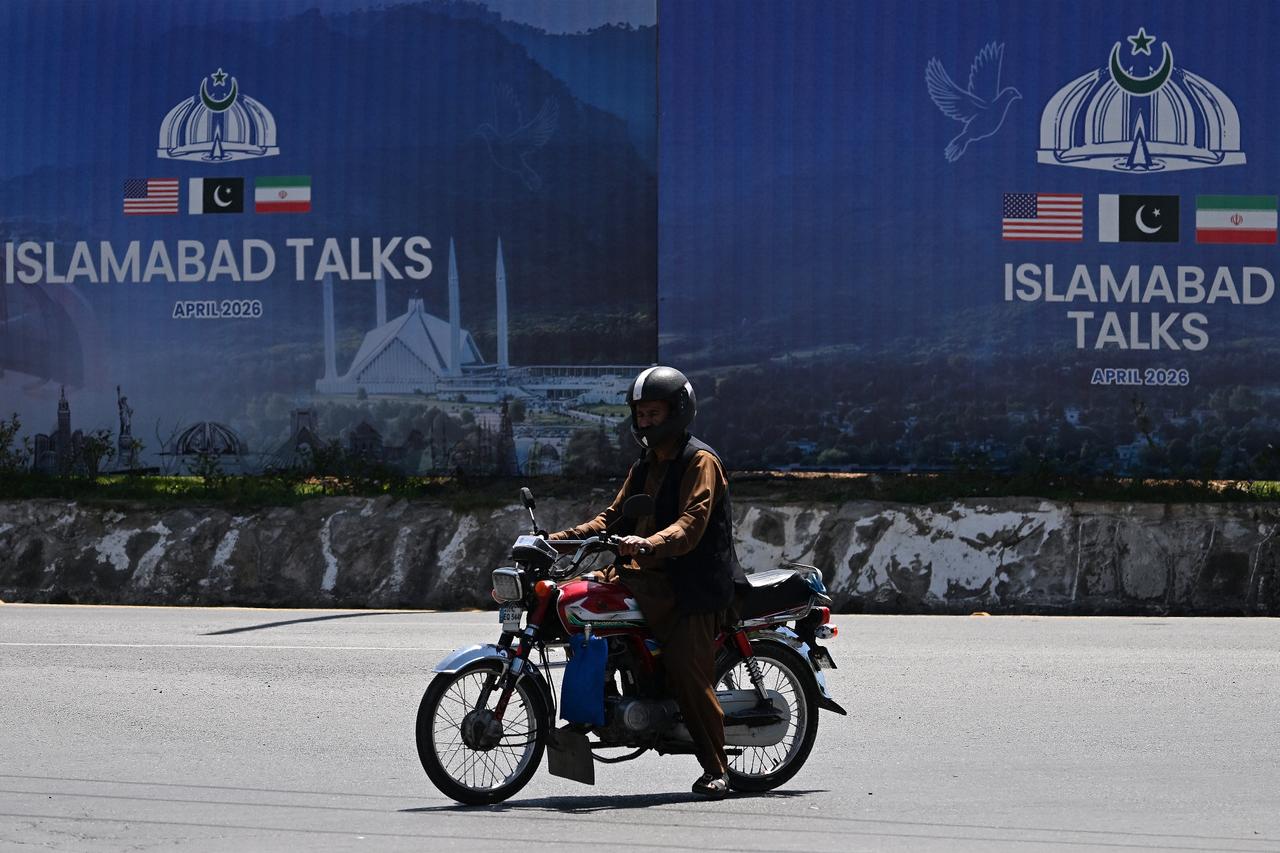


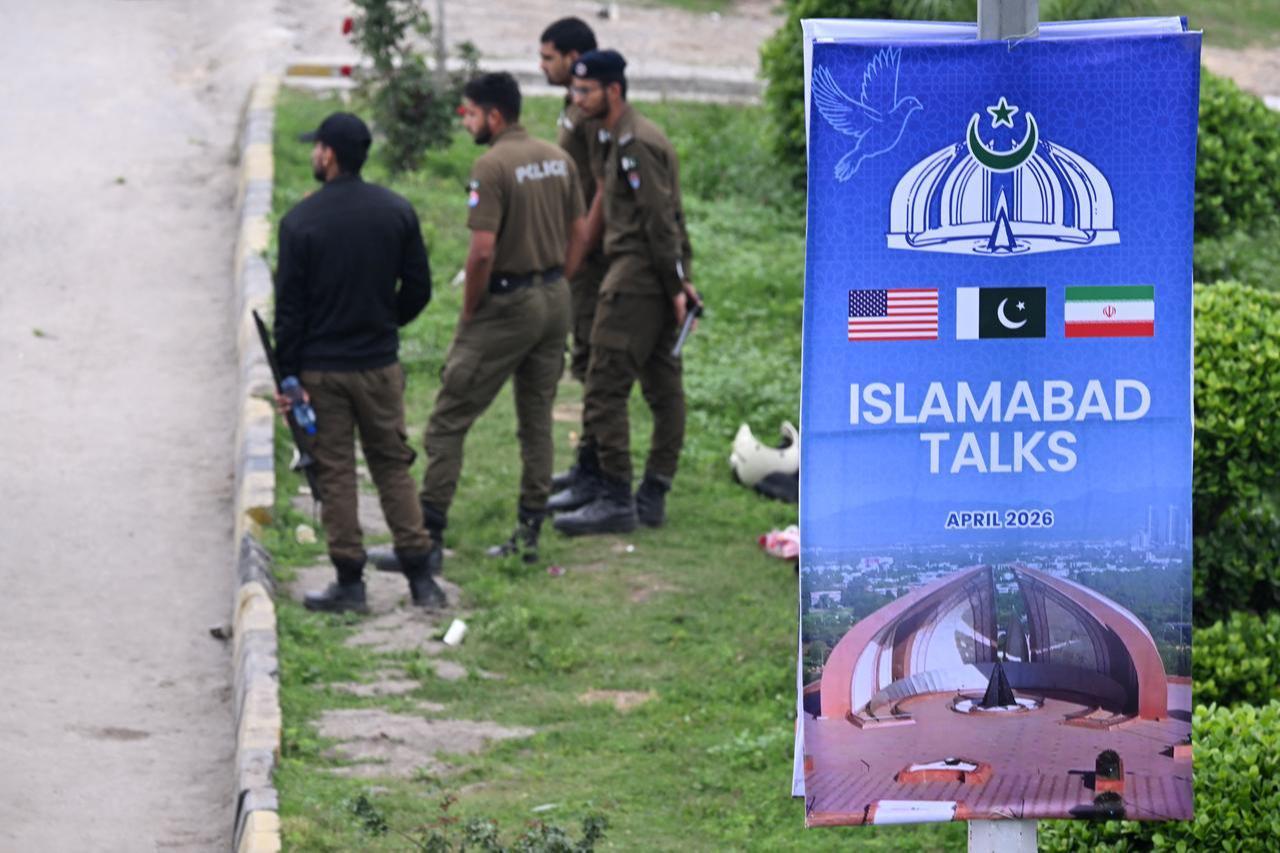
The collapse of the Islamabad talks on April 11 should not be read as a routine diplomatic setback. It should be understood as a sign that the war has already changed the political meaning of any future deal.
At the heart of the problem is a basic mismatch in what Washington and Tehran think these talks are for. Washington still appears to want a fast, security-first arrangement centered on nuclear restraint, a reopening of Hormuz, and a rapid reduction in regional risk.
Tehran, by contrast, views these negotiations as more than a return to the prewar status quo. After weeks of infrastructure damage and mounting pressure, it is no longer interested in a mere baseline reset. Instead, it is holding out for a comprehensive package that would lift all remaining sanctions, unfreeze billions in overseas assets, and force a formal recognition that Iran now dictates the rules of deterrence and transit in the Strait of Hormuz.
They reflect two very different ideas of what this war has changed and what diplomacy is now expected to deliver.
A new round of talks in Islamabad after April 11 will not change this fact.
The temporary ceasefire created the impression that diplomacy had regained momentum, but the ceasefire itself was never a political settlement. Rather than marking a political breakthrough, the ceasefire reflected a moment in which all sides had reasons to slow the pace of escalation.
Iran had taken severe military and infrastructural damage. The United States had run into the accumulating costs of escalation, including pressure from energy markets, Gulf partners, and its own domestic environment. Israel, despite clear tactical gains, had not secured the kind of finality it was seeking.

That is where some of the early optimism proved misleading.
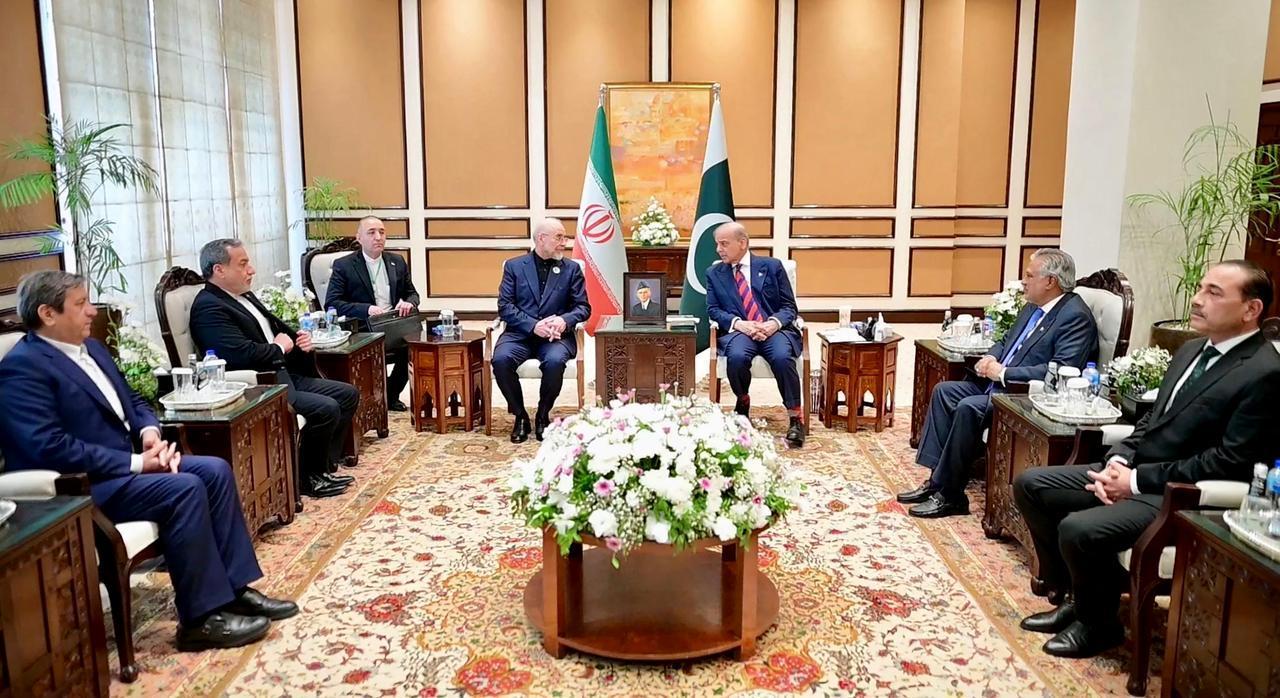
The fact that senior delegations arrived, that Pakistan managed to open a channel, and that regional actors such as Türkiye and Egypt helped sustain communication did not mean the parties were nearing a durable formula. It meant only that the costs of not talking had become too high.
Once the talks moved from atmospherics to substance, the distance between the sides became visible again. The United States wanted assurance that Iran would not move toward a nuclear weapon. Iran remained firm on Hormuz, reparations, sanctions relief, and broader guarantees against another cycle of attack. Islamabad showed that diplomatic contact was not the problem.
The problem was that the talks were carrying disputes far deeper than diplomacy alone could resolve.
In Western discussions, the nuclear file is often treated as the master key to the crisis. But it is only one part of a wider struggle over missiles, regional allies, sanctions, maritime pressure, and the terms under which Iran is expected to live under constant threat. This is precisely why earlier rounds of diplomacy repeatedly struggled to produce lasting outcomes.
Even when talks seemed to advance, the deeper conflict remained untouched.
The current moment has simply made that deeper conflict harder to evade.
Israel’s role is central here, even if it is not formally sitting across from Iran at the table. The most contentious items in this crisis are not abstract concerns for Israel. They are embedded in its security doctrine. Iranian missiles, Hezbollah’s capabilities, the wider network of allied armed actors, and any latent nuclear threshold are seen in Tel Aviv not as manageable irritants but as direct strategic threats. That sharply narrows the room for compromise.
A formula that Washington could present as pragmatic may still look intolerable from an Israeli perspective.
This crisis cannot be understood as a purely bilateral U.S.-Iran dispute.
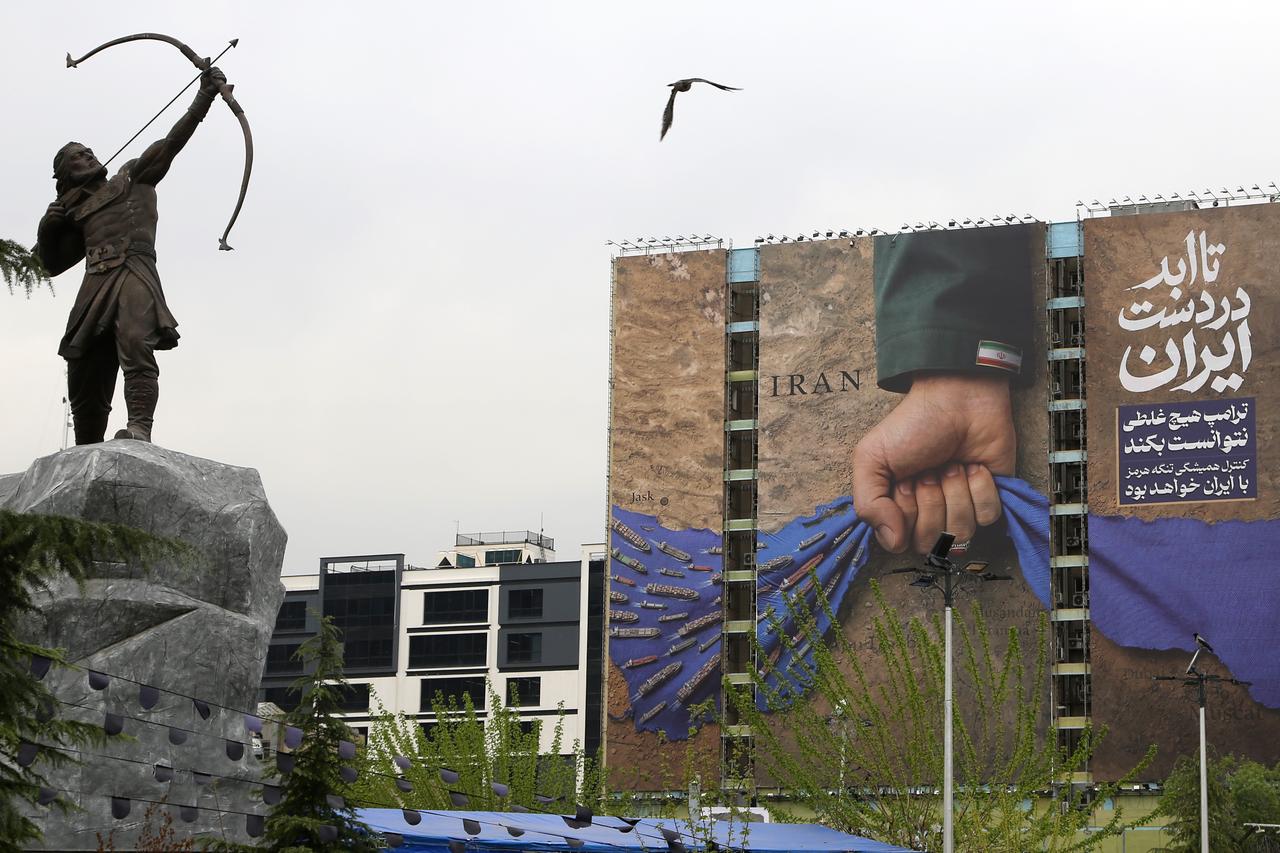
Hormuz captures this shift especially well. It is no longer just a shipping lane at the center of a temporary standoff. It has become the main arena in which war, bargaining, and future deterrence intersect.
Washington wants the Strait reopened quickly because the economic and geopolitical costs of disruption are too high. Tehran, by contrast, now treats Hormuz as a strategic asset that cannot be normalized without compensation. That is why the issue has become so difficult.
Iran is not using Hormuz simply as a pressure tactic of the week.
Tehran appears to see Hormuz as one of the few assets it can still carry from the battlefield into the negotiations. The reports of tankers turning back and the selective use of Iran-approved routes suggest that transit is no longer a simple open-or-shut matter.
That is why Hormuz has become so hard to negotiate.
The same logic applies to frozen Iranian assets.
The way the frozen-assets issue surfaced suggests less a spontaneous revelation than a negotiating point that entered the public domain too early, before either side had prepared the political case for it. If so, the leak mattered for two reasons. First, it hardened public positions before a tradeoff had even been framed. Second, it showed how any possible agreement can be sabotaged before it takes shape.
In these settings, diplomacy can be weakened not only by outright rejection, but also by forcing half-formed tradeoffs into the open before they are politically saleable.
For Tehran, simple de-escalation is not enough. It has suffered serious infrastructural damage and faces clear risks of social and economic aftershocks if sanctions remain in place and reconstruction is choked. That makes economic relief and security guarantees more than symbolic asks. Without them, any agreement would look less like stabilization and more like capitulation after punishment.
For an Iranian leadership that has spent years refusing precisely that outcome, accepting such terms after weeks of extensive strikes would be politically and strategically incoherent.
This also helps explain why outside expectations of internal Iranian collapse have repeatedly proven too simplistic. Discontent inside Iran is real, especially on the economic front. But dissatisfaction with governance does not automatically translate into support for external coercion, state breakdown, or a Syrian-, Iraqi-, or Libyan-style outcome.
That instinct is rational, not contradictory.
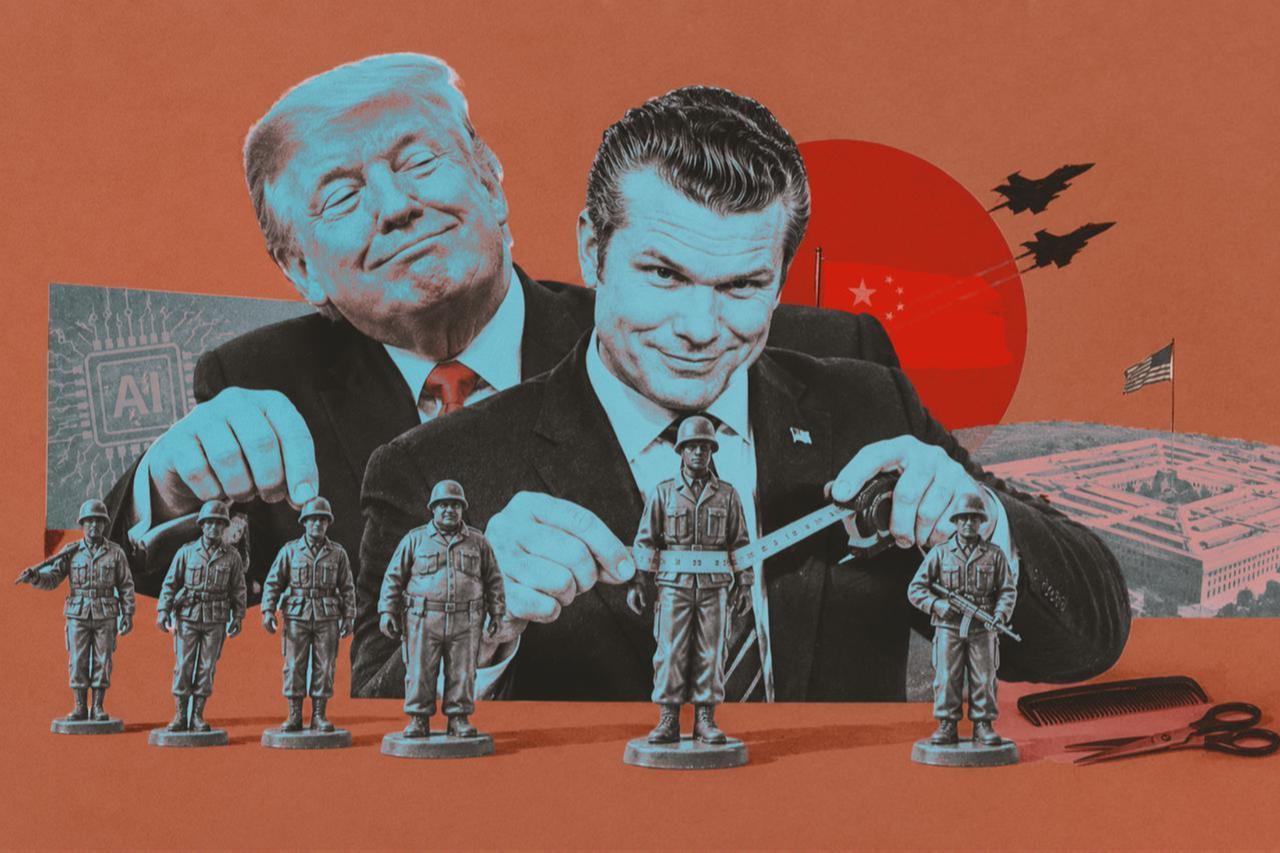
The bigger risk is that failure in Islamabad may open the way to a much harsher next phase. If the diplomatic track breaks down, the next phase may target the systems that keep everyday life functioning, including energy, electricity, transport, and water, rather than relying only on conventional military escalation. That is what Trump’s rhetoric has increasingly pointed toward, even if it has been wrapped in broad language. This would not just widen the war. It would push the region into a much deeper humanitarian crisis.
The talks can resume. The harder question is whether either side is ready to negotiate on the basis of the war that has actually unfolded, not the one it wanted to win. Until that gap narrows, diplomacy will remain active and probably intense. What it is unlikely to produce, at least for now, is closure.


 Set as preferred source
 Set as preferred source


 7 min read