Newsletters


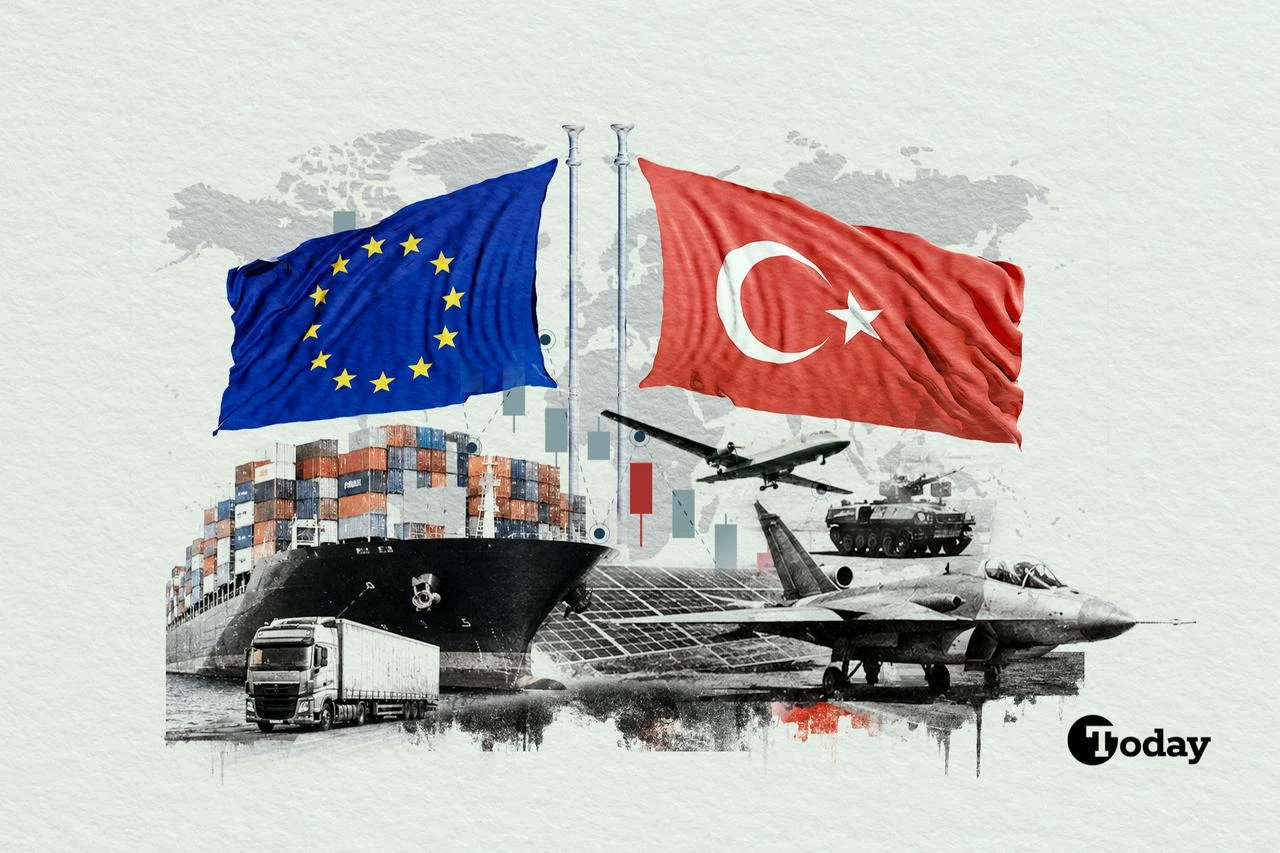


In his Al Jazeera interview on Sunday, President Recep Tayyip Erdogan said EU membership was no longer a priority for Türkiye and warned that Europe would lose if it continued to keep Ankara out. He also said Türkiye had not closed the door to accession.
Accession negotiations have been at a standstill since 2018, while trade, investment and security cooperation have continued. His remarks point to a reprioritization in the relationship.
The “53 years” in Erdogan’s formulation compresses a more complicated history. When the Ankara Association Agreement was signed in 1963, the EEC’s first Commission president, Walter Hallstein, declared that Türkiye was “part of Europe." Türkiye applied for membership in 1987, became a candidate in 1999 and opened negotiations in 2005. European political resistance was real.
Nicolas Sarkozy blocked five accession chapters in 2007, while Angela Merkel advocated a “privileged partnership” and opposed full membership. The Cyprus dispute led the EU to suspend negotiations on eight chapters in 2006.
As reform momentum faded and bilateral disputes piled up, political trust eroded—further straining an already difficult accession process.

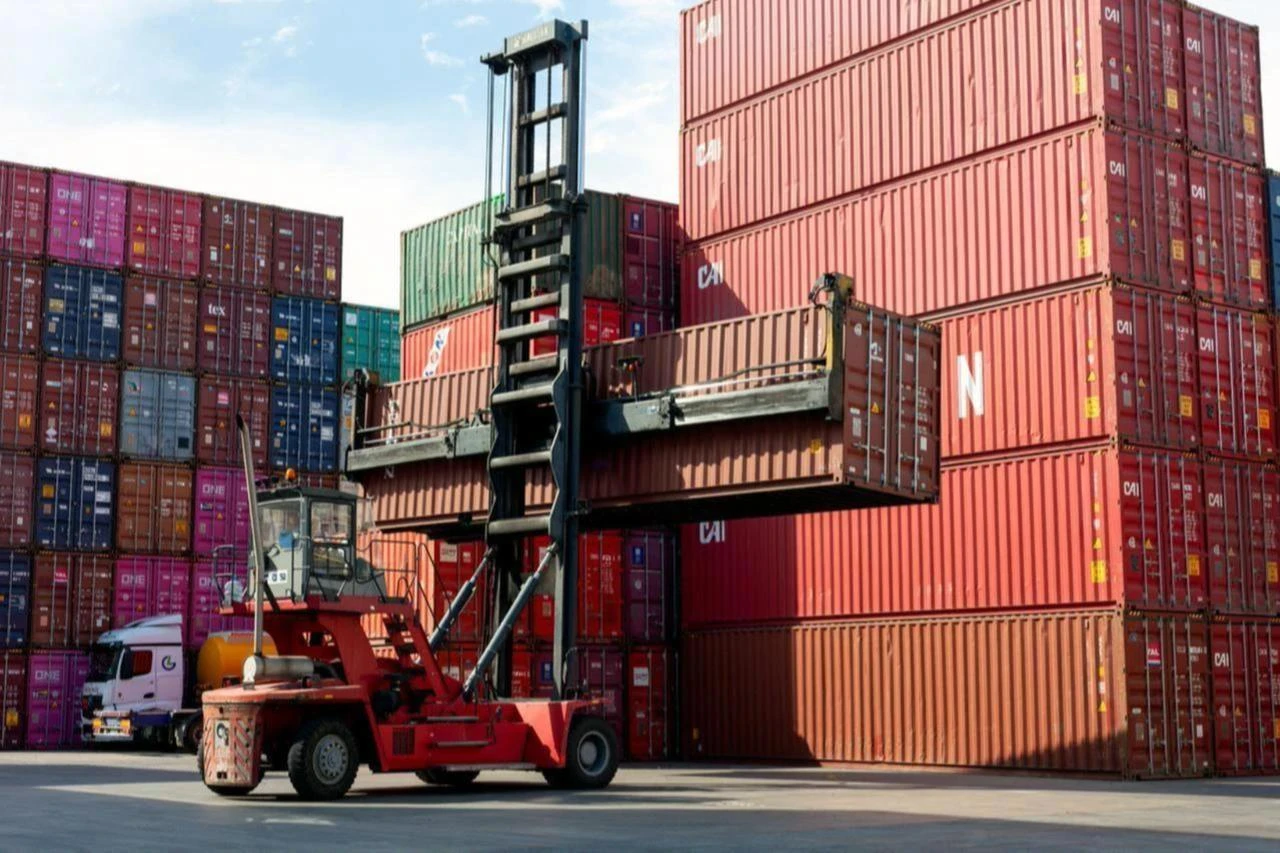
The economic relationship might be asymmetric, but, at the same time, it remains mutual. EU-Türkiye goods trade reached a record €217.6 billion ($252.28 billion) in 2025. The EU took 42.7% of Türkiye’s goods exports and remained its largest trading partner by a wide margin.
Türkiye accounted for 4.2% of the EU’s external goods trade. EU investors also supplied 66% of FDI inflows into Türkiye in 2025.
These figures also show where the material constraints lie. For example, Türkiye has spent three decades building industrial value chains around the Customs Union, especially in automotive, machinery and electrical equipment. EU regulation also reaches Turkish industry well before membership does.
The Carbon Border Adjustment Mechanism entered its definitive phase this year, increasing compliance and carbon-cost pressures for carbon-intensive exporters selling into Europe.
Customs Union modernization therefore becomes more important if membership moves down the political agenda. The existing arrangement leaves Türkiye exposed when the EU signs free-trade agreements with third countries because Turkish exporters do not automatically receive reciprocal access to those markets.
The World Bank identified this asymmetry more than a decade ago. The Commission proposed modernisation in 2016, including services and public procurement, but the Council has still not adopted the negotiating directives.
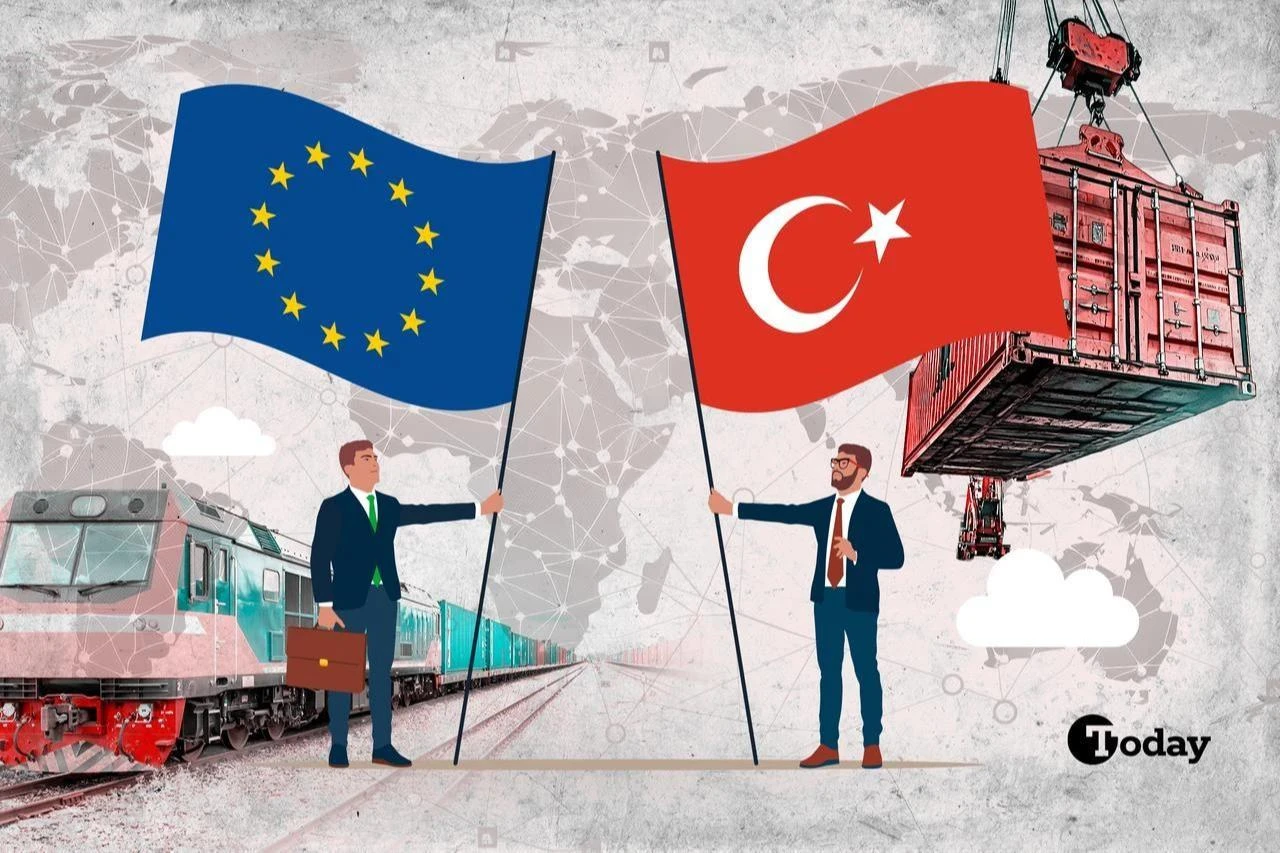
Europe’s need for Türkiye is clearest in security and industrial capacity. The 29 European NATO members spent $559 billion on defence in 2025, with military expenditure rising faster than at any time since 1953.
Türkiye’s defense exports reached $10 billion, including $5.6 billion to Europe and the United States. Turkish firms are already supplying European NATO members, while the Leonardo-Baykar joint venture became fully operational this summer.
The institutional picture is more restrictive. Türkiye can participate in SAFE-backed common procurements as an EU candidate, but products involving Turkish industry remain constrained by the scheme’s 35% ceiling on components originating outside the EU, EEA-EFTA or Ukraine unless a separate agreement opens wider access. That matters while Europe is trying to expand defense production quickly.
Türkiye also contributes directly to European security through EUFOR Althea in Bosnia and NATO’s KFOR mission. The Black Sea, Syria, the South Caucasus and the Eastern Mediterranean connect European security to Türkiye’s immediate neighbourhood.
Regarding energy, the Southern Gas Corridor runs through Türkiye, and Azerbaijan supplied 12.5 billion cubic metres of gas to EU member states in 2025. This gives Ankara a useful role in diversification without making Türkiye the center of Europe’s energy system. The same geography matters for trade routes linking Europe to the Caucasus and Central Asia, as well as for migration management on the EU’s southeastern approaches.
 1 min read
Türkiye should preserve candidate status even if accession is no longer an immediate political priority. Giving it up voluntarily for an undefined “privileged partnership” would narrow Ankara’s options without removing the political obstacles embedded in EU decision-making.
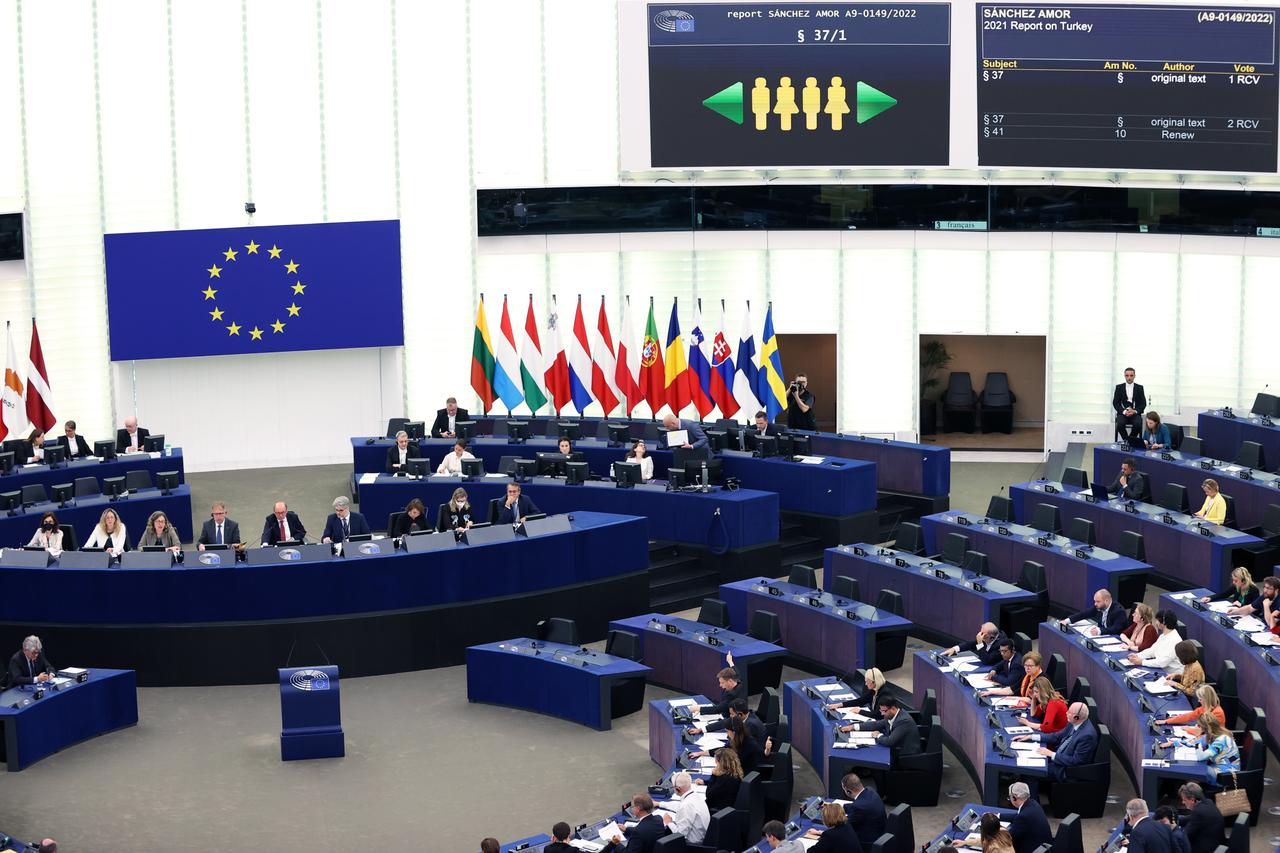
The Cyprus issue would still constrain any new arrangement requiring unanimity in the Council, and an association agreement would also require the European Parliament’s consent.
In the context of the practical agenda, Customs Union modernization should remain Ankara’s first economic objective, with services and public procurement added and the third-country FTA problem addressed.
Türkiye should seek wider access for its defense industry where Turkish capacity contributes to European security. Visa liberalization and possible participation in the Single Euro Payments Area would produce direct gains for citizens and businesses.
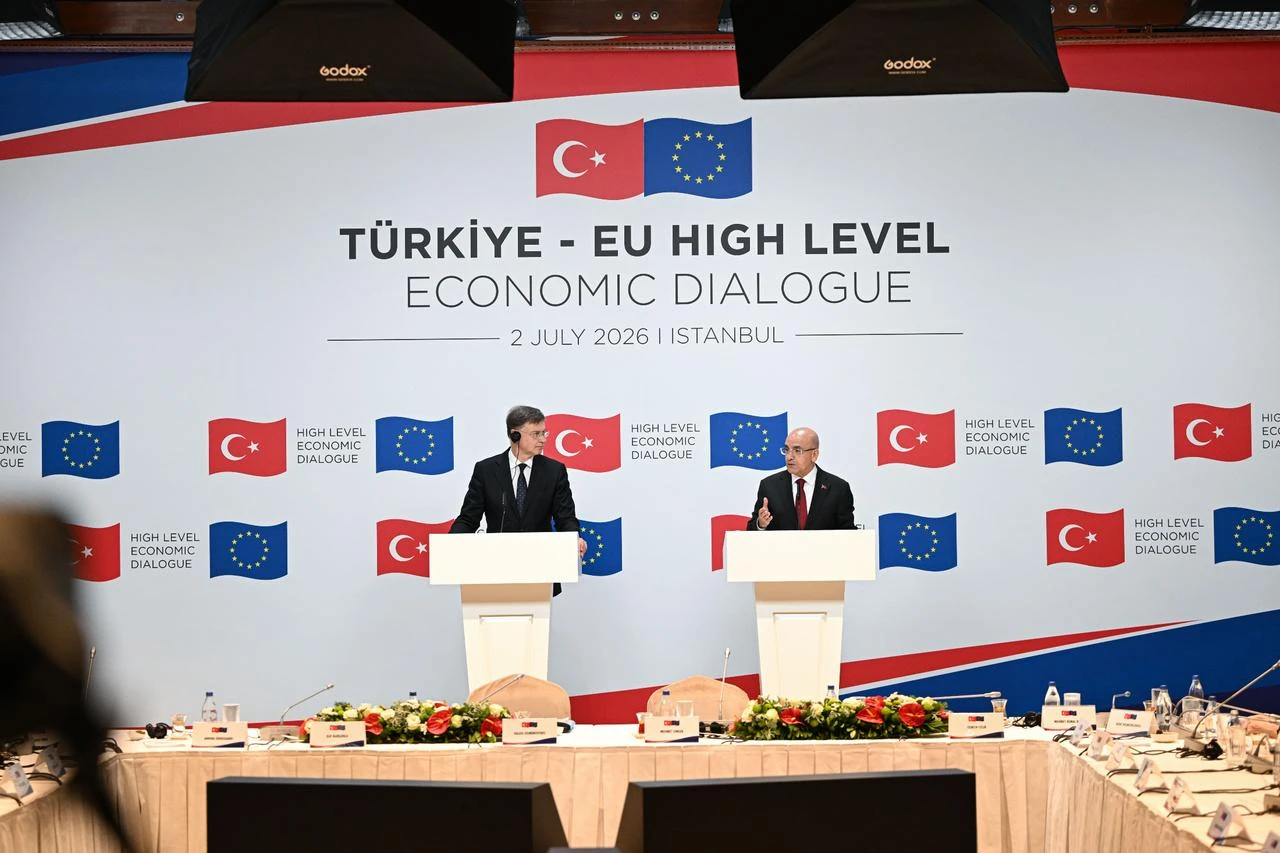
Ankara and Brussels placed Customs Union modernization, SEPA, visa liberalization and stronger security and defense cooperation on their renewed agenda in June.
EU membership no longer needs to organize Türkiye’s foreign policy. Ankara has wider options today in the Gulf, Asia, Africa and the Turkic world than it did two decades ago. Their value increases when Türkiye retains its economic depth in Europe. Further gains in judicial predictability and regulatory stability would also lower the cost of capital and strengthen Ankara’s negotiating position.
Erdogan’s argument captures an important part of the new balance. Europe has material costs to bear from weaker ties with Türkiye. Türkiye would bear costs as well, in different areas and to a different degree. Ankara is strongest when it expands its alternatives while protecting the European trade, investment and industrial links accumulated over decades.
The sensible course is to keep the membership option open and extract more practical value from the relationship now: better trade terms, deeper defence-industrial cooperation, stronger energy connectivity and easier mobility.


 Set as preferred source
 Set as preferred source


 1 min read