Newsletters


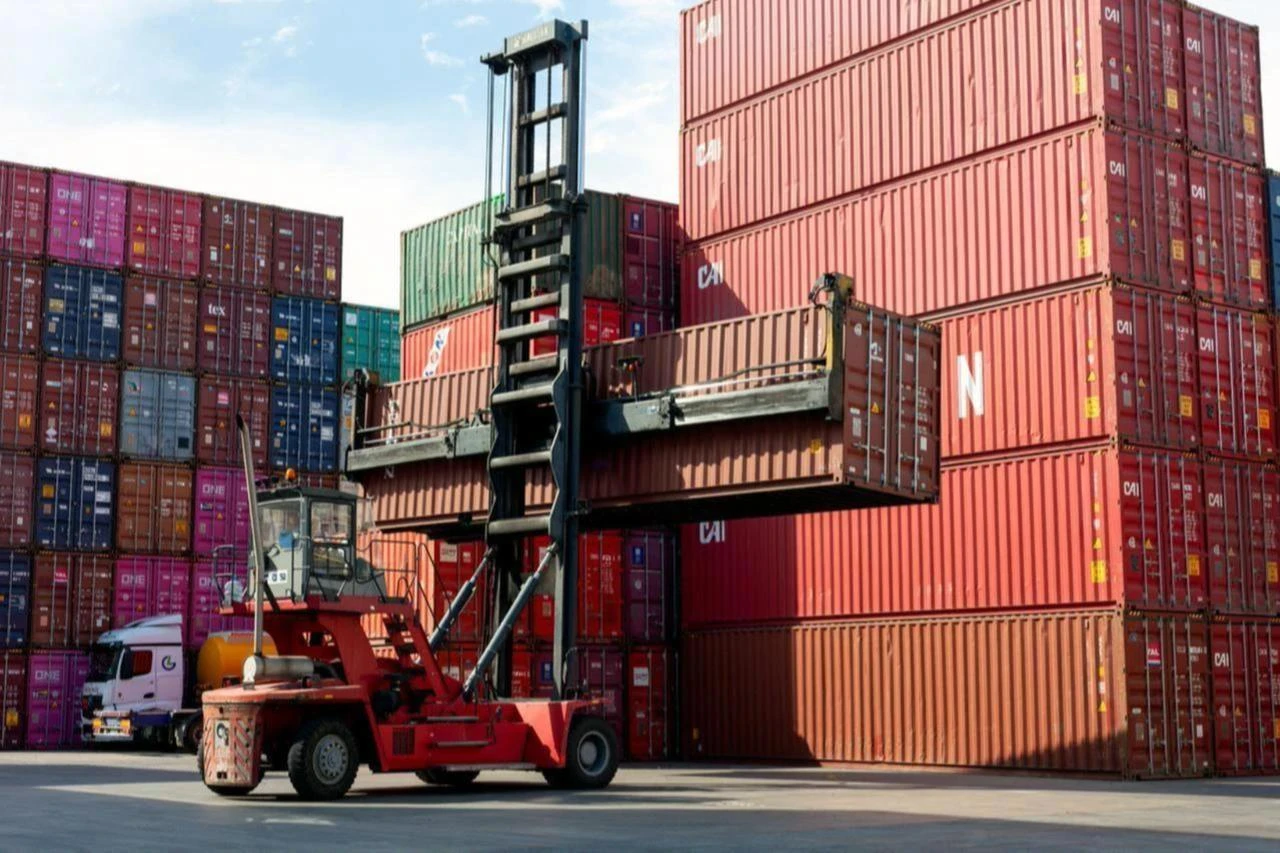


Türkiye could deepen economic integration with Europe by updating the Customs Union, joining the Single Euro Payments Area (SEPA) and participating in the “Made in EU” initiative, Turkish Exporters Assembly head Gultepe told Anadolu.
Türkiye’s exports reached $136.1 billion in the first half of the year, up 3.6% annually. Favorable exchange rates contributed $3.8 billion, while higher product values, rather than increased shipment volumes, drove most of the growth.
The result was significant despite geopolitical tensions in the Middle East and the Russia-Ukraine war. Some subsectors grew while others declined, but all sectors recorded annual export increases in April, with a similar trend emerging in June.
“With the closure of the Strait of Hormuz, we saw a situation similar to that of the pandemic,” Gultepe said.
Higher raw material prices helped lift export values even as production volumes declined. The defense, automotive, steel, ferrous and non-ferrous metals, and electrical and electronics industries led the first-half performance.
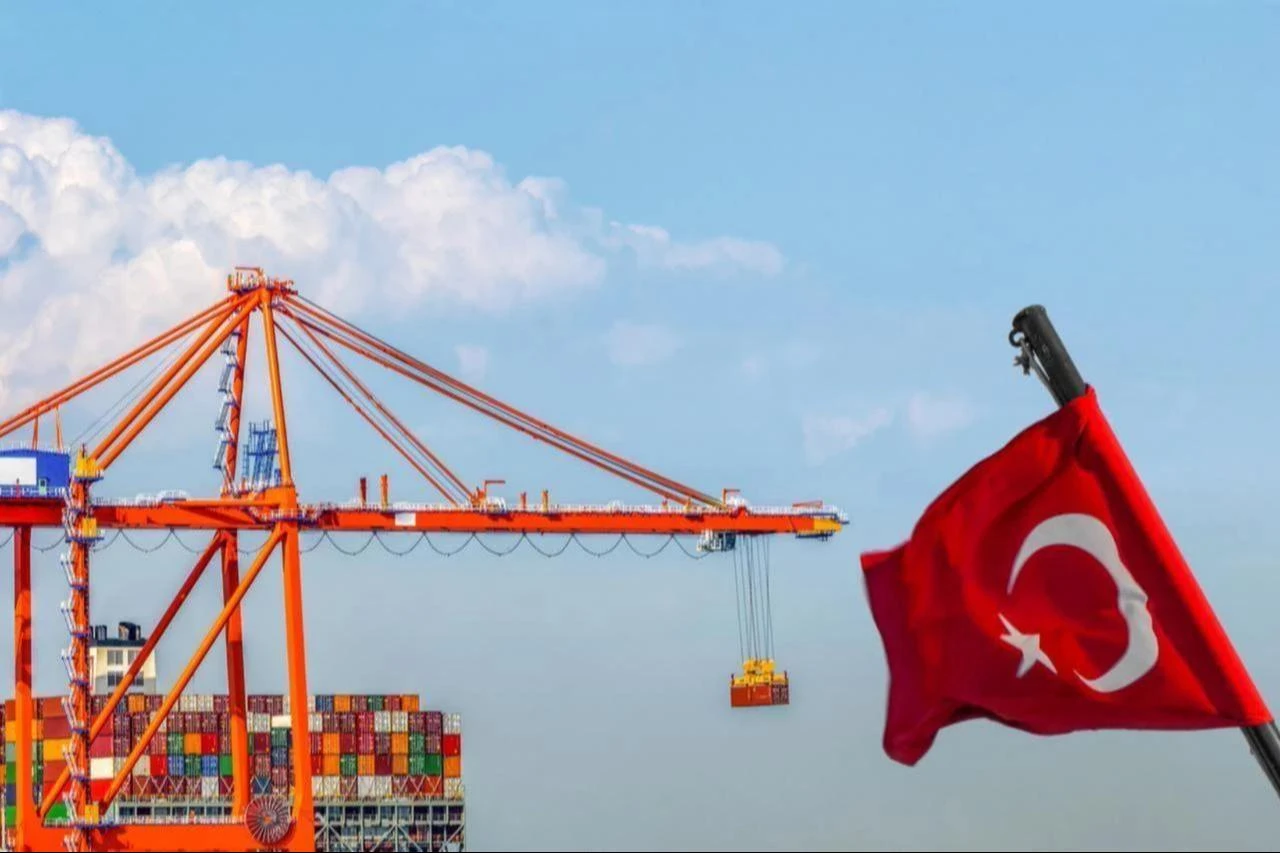

The European Union accounts for about 50% of Türkiye’s total exports, with its share exceeding 65% in some sectors.
Türkiye offers the flexibility, quality, production capacity, logistical advantages and geographical proximity sought by European businesses, Gultepe said. Financial friction, however, remains a major obstacle.
“Türkiye’s position, flexible structure, production capacity and integration provide great advantages,” he said.
Policy alignment and financial integration should advance together to allow both sides to benefit fully from those strengths.
Joining SEPA would make money transfers between Türkiye and Europe faster and easier, particularly for small- and medium-sized enterprises.
“The SEPA scheme facilitates payments, so when you make a wire transfer or receive funds, it works like transfers within the domestic market,” Gultepe said.
While large corporations typically manage cross-border payment hurdles successfully, smaller exporters would benefit significantly from faster, more accessible transactions.
Upgrading the Customs Union, aligning with “Made in EU” initiatives, and joining the SEPA would collectively streamline business operations and boost Türkiye’s export capacity.
“If these are carried out together, this will make conducting business much simpler, streamlined and more accessible,” he said.
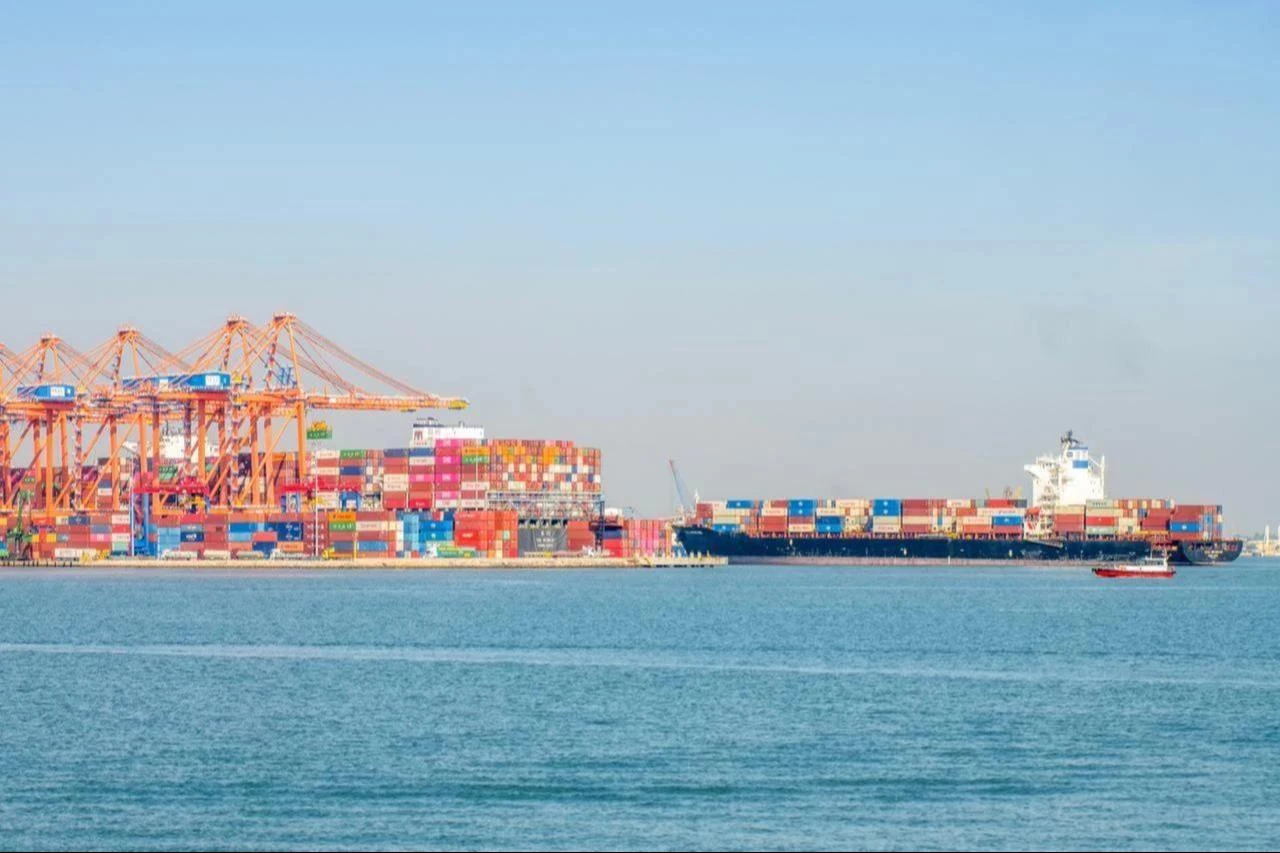
Türkiye’s exports totaled $278 billion over the past 12 months.
Gultepe said double-digit growth would be needed for Türkiye to rank among the world’s top 10 exporters in the medium to long term.
All 27 sectors, including services, would need to contribute to that goal.


 Set as preferred source
 Set as preferred source


 1 min read
 1 min read