Newsletters




This article was originally written for Türkiye Today’s weekly economy newsletter, Turkish Economy in Brief, in its Aug. 10 issue. Please make sure you are subscribed to the newsletter by clicking here.
While "cautious optimism" in the Middle East and an “uncertain outlook for oil prices” continue, Türkiye’s July inflation came in at 1.8%, slightly below expectations. Annual inflation declined from 32.1% to 31.8%.
Against this backdrop, all eyes are on the Central Bank of the Republic of Türkiye (CBRT), which is expected to provide signals on a possible interest rate cut when it presents its third Inflation Report of the year on Thursday, Aug. 13, in Istanbul. The meeting, scheduled for 10:30 a.m. at the Istanbul Financial Center, stands out as the markets’ most important agenda item this week.
The CBRT released its second Inflation Report of 2026 on May 14. In the report presented by Governor Fatih Karahan, the year-end 2026 CPI forecast was set at 26% due to geopolitical developments and rising costs.
The report also suspended the traditional “upper and lower bound forecast range” communication due to global uncertainties and volatility in energy prices. It reiterated the goal of bringing inflation down to the 5% stability level over the medium term.
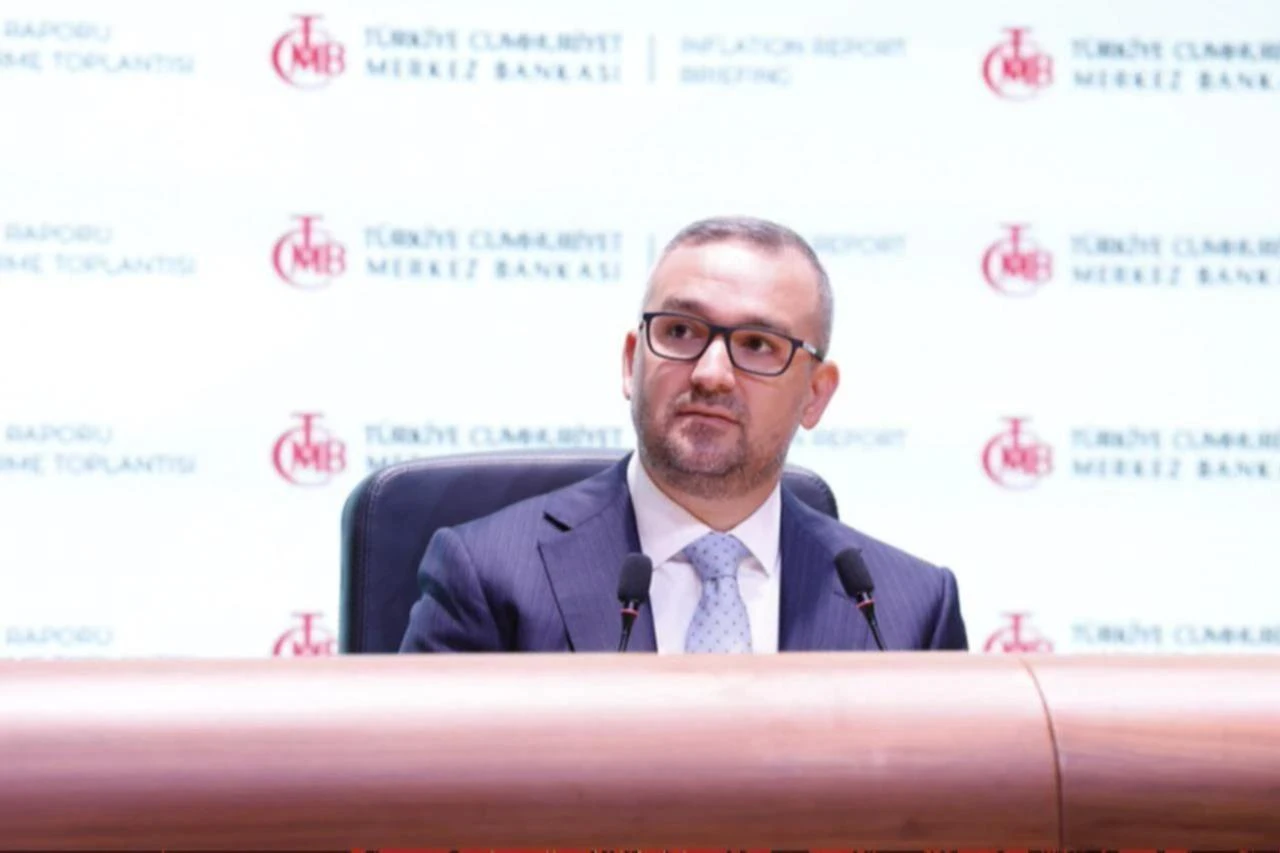
Ahead of this week’s critical third Inflation Report, CBRT Governor Karahan presented the latest monetary policy and macroeconomic outlook to businesspeople and academics. The key messages from Karahan’s presentation were as follows:
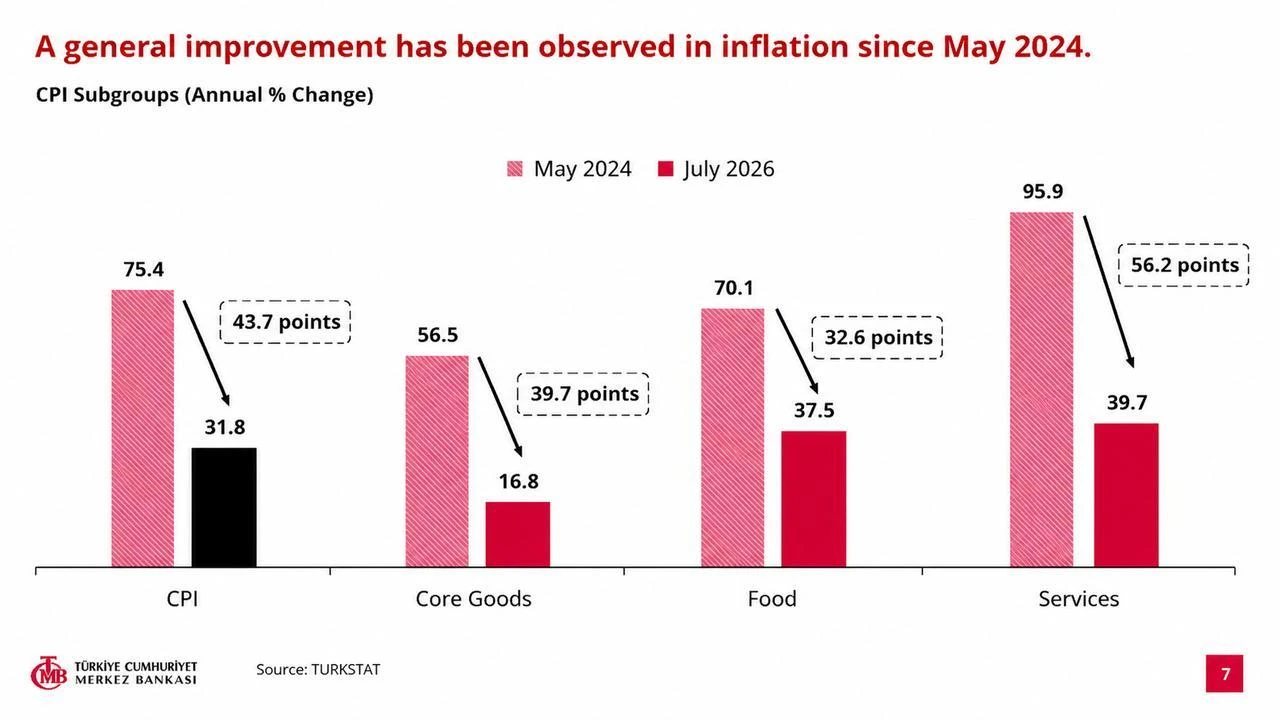

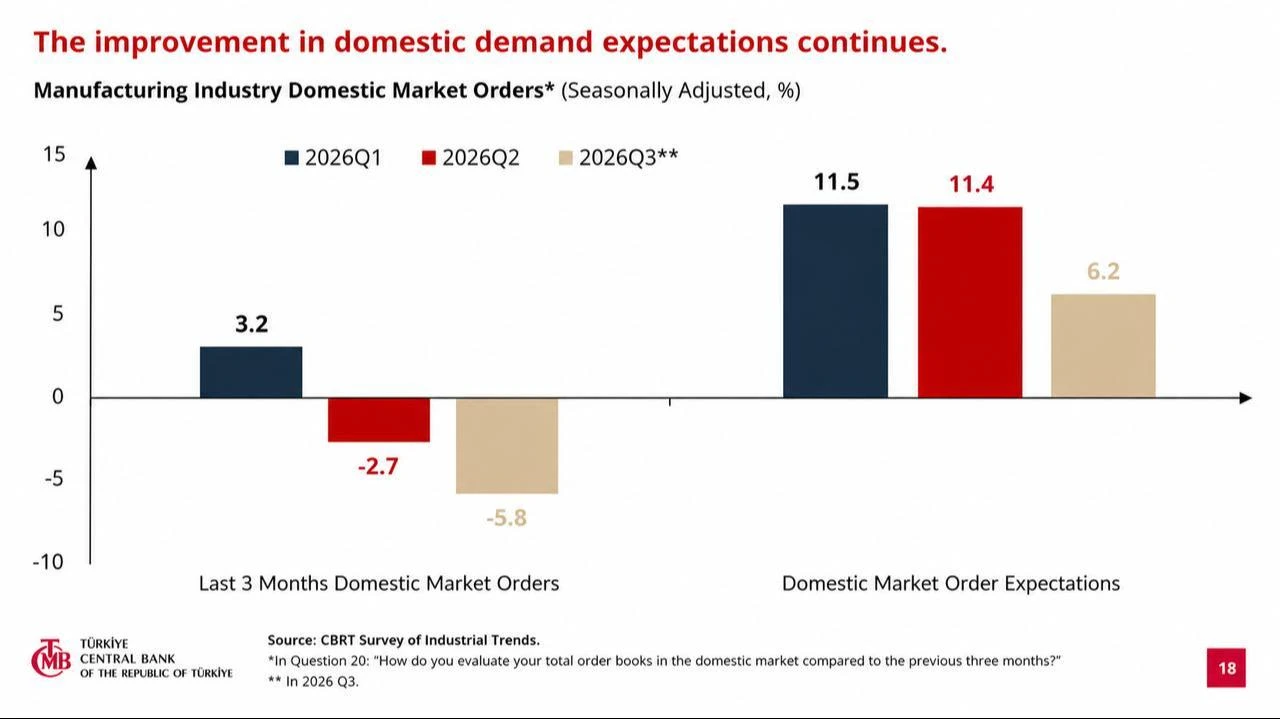
Karahan’s remarks simultaneously emphasize a “tight monetary policy stance” and a “significant slowdown in domestic demand.” Inflation is again highlighted as the main priority. At present:
With geopolitical risks remaining under control, hopes for the reopening of the Strait of Hormuz and falling oil prices helping prevent inflation from rising as much as feared in July, market professionals are increasingly looking for signals on when the CBRT could begin cutting interest rates, while also drawing attention to the gap between funding costs and the policy rate.
A BBVA Research analysis following the July CPI data says the CBRT’s communication in its third Inflation Report will be closely watched. It forecasts that funding costs will begin normalizing toward the policy rate from September and that, if conditions remain favorable, the policy rate will fall to 36% by the end of the year.
Local brokerage Is Investment also says monetary policy easing could take place in September-October if a U.S.-Iran ceasefire materializes and August CPI comes in better than expected. It expects meeting-by-meeting rate cuts to begin at the Oct. 22 meeting.
Kuveyt Turk Yatirim, meanwhile, points to an improvement in pricing behavior that creates room for monetary policy normalization. It says resuming one-week repo auctions—effectively returning to the policy rate—before the Sept. 10 Monetary Policy Committee meeting would be an essential step, arguing that the conditions are in place for a 100-basis-point rate cut to begin at the Sept. 10 meeting.
German Deutsche Bank expects the first policy rate cut to come in the fourth quarter of 2026. U.S-based Citi, meanwhile, believes the room for rate cuts is quite limited. Deutsche Bank forecasts a year-end policy rate of 36%, while Citi expects 35%.
It appears that the signals from the CBRT’s third Inflation Report on Aug. 13 have the potential to bring market expectations, which currently diverge on the timing of rate cuts, closer together.


 Set as preferred source
 Set as preferred source



 4 min read