Newsletters


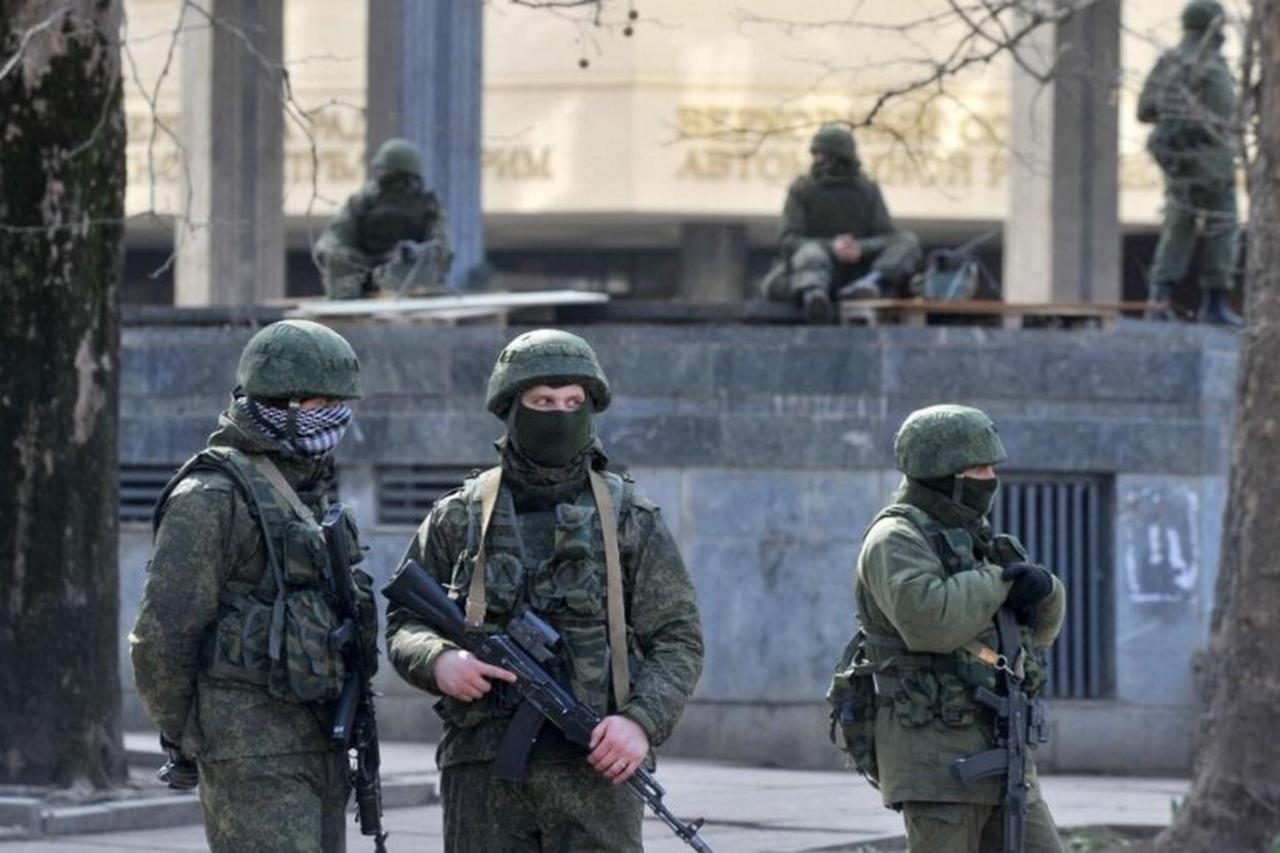


For years, I avoided writing about the issue of foreign fighters from the Balkans going to fight in someone else’s wars. It was largely because much of the coverage relied on unverified claims, vague estimates and thin sourcing, while diverting public attention from more consequential political and security developments.
I engaged with the issue more systematically only after Russian mercenary networks, including figures linked to the Wagner Group, publicly called on Serbs to join the war in Ukraine and online recruitment advertisements in the Serbian language began circulating.
That development reflected a familiar regional pattern, in which foreign conflicts are reframed through local nationalist narratives.
Despite its deep historical and religious ties with Russia, Serbia has sought to balance its EU path by maintaining constructive relations with Ukraine as well.
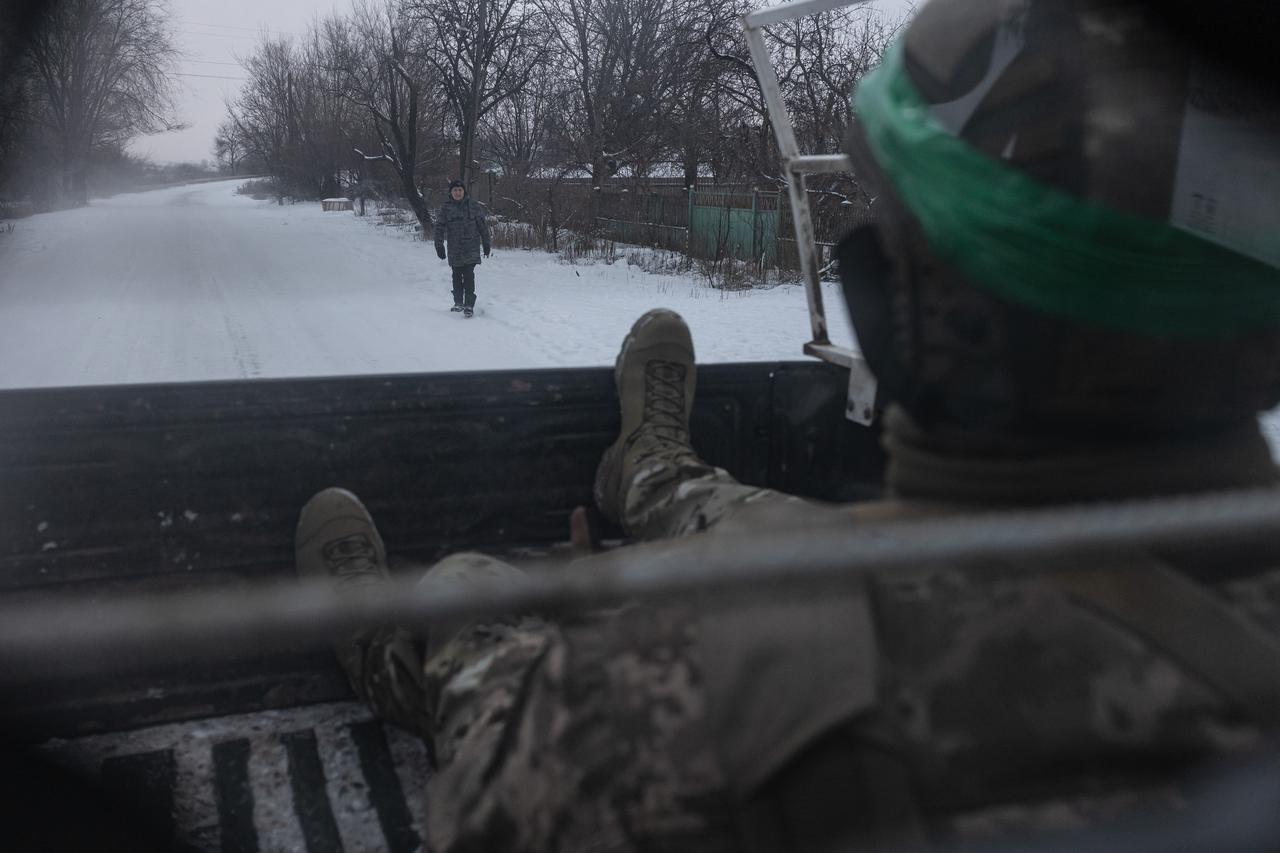

Years earlier, when a limited number of people from Bosnia and other European countries traveled to Syria and Iraq, entire communities were branded “extremists,” a term weaponized far beyond the facts, despite the phenomenon being neither uniquely Balkan nor numerically significant compared with Western Europe.
When some Europeans went to fight against Daesh, Balkan Muslims were collectively stigmatized, even though France, Belgium, Germany and the U.K. produced far higher numbers of foreign fighters.
That moment forced European governments to confront difficult questions about radicalization, returnees, prosecution, surveillance, and reintegration. It was a European reckoning, not a Balkan one.
Today, the narrative risks repeating itself. Isolated reports of Bosnian Serbs fighting for Russia are being elevated into warnings of imminent war in Bosnia and Herzegovina.
The British media, including The Telegraph, have reported that hundreds of Bosnian Serb militants are travelling to Russia to fight against Ukraine, framing the phenomenon as a possible precursor to renewed instability in Bosnia and Herzegovina.
The implication is familiar: that a small number of ideologically motivated fighters, allegedly supported by Moscow, could somehow ignite another Balkan war.
That leap deserves scrutiny.
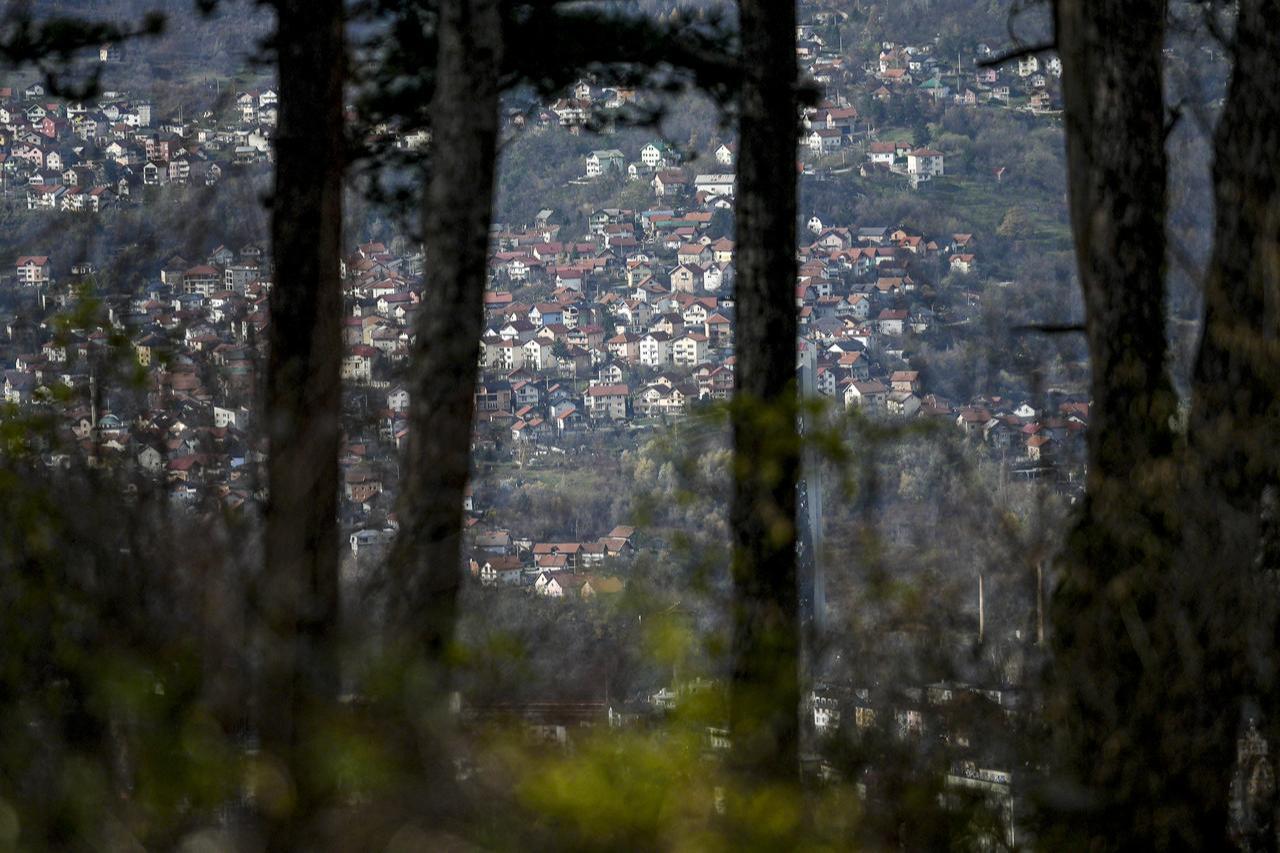
There is no credible evidence that these movements amount to an imminent threat of mobilization inside Bosnia and Herzegovina.
Security risks associated with foreign fighters are real, especially when individuals return without facing legal consequences, but experts consistently warn against conflating isolated cases with systemic collapse. There are laws in place against these activities and institutions are monitoring carefully.
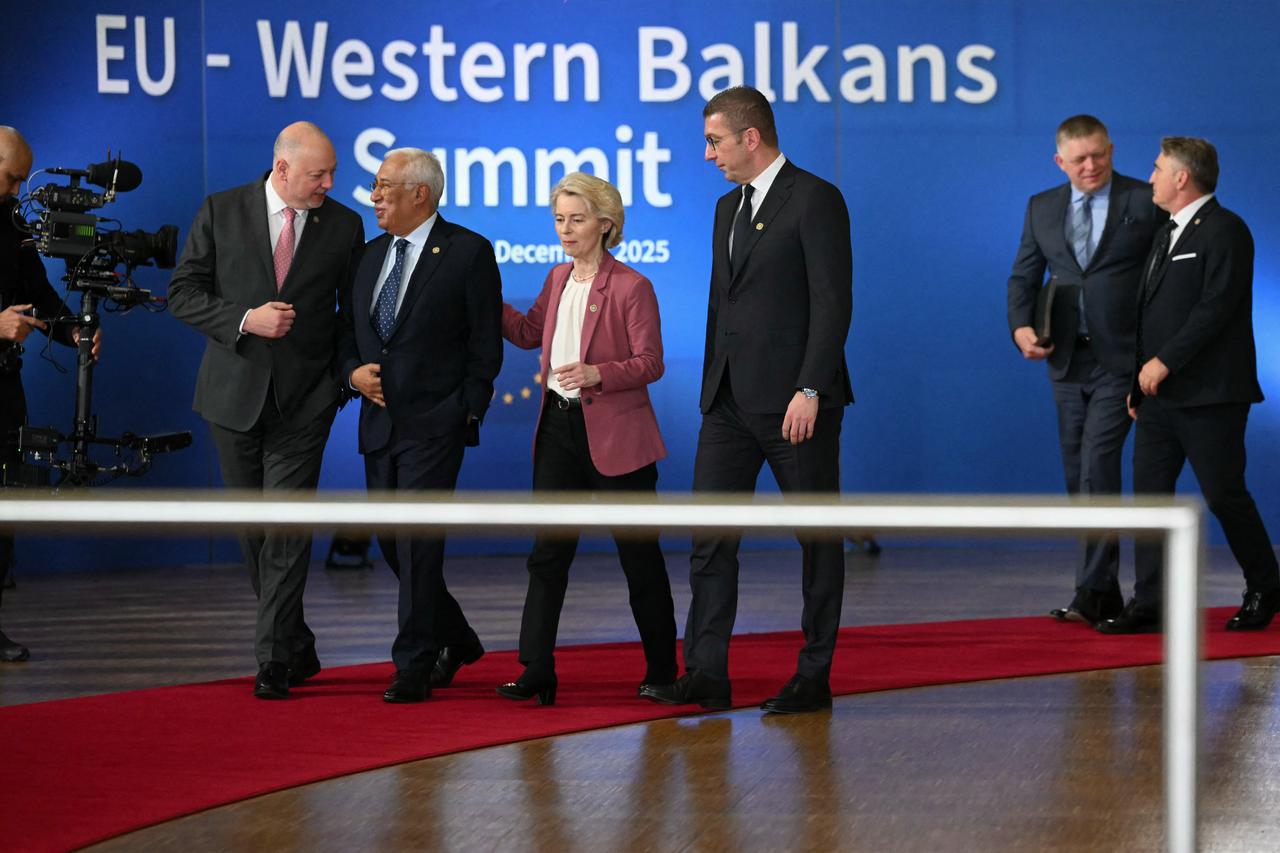
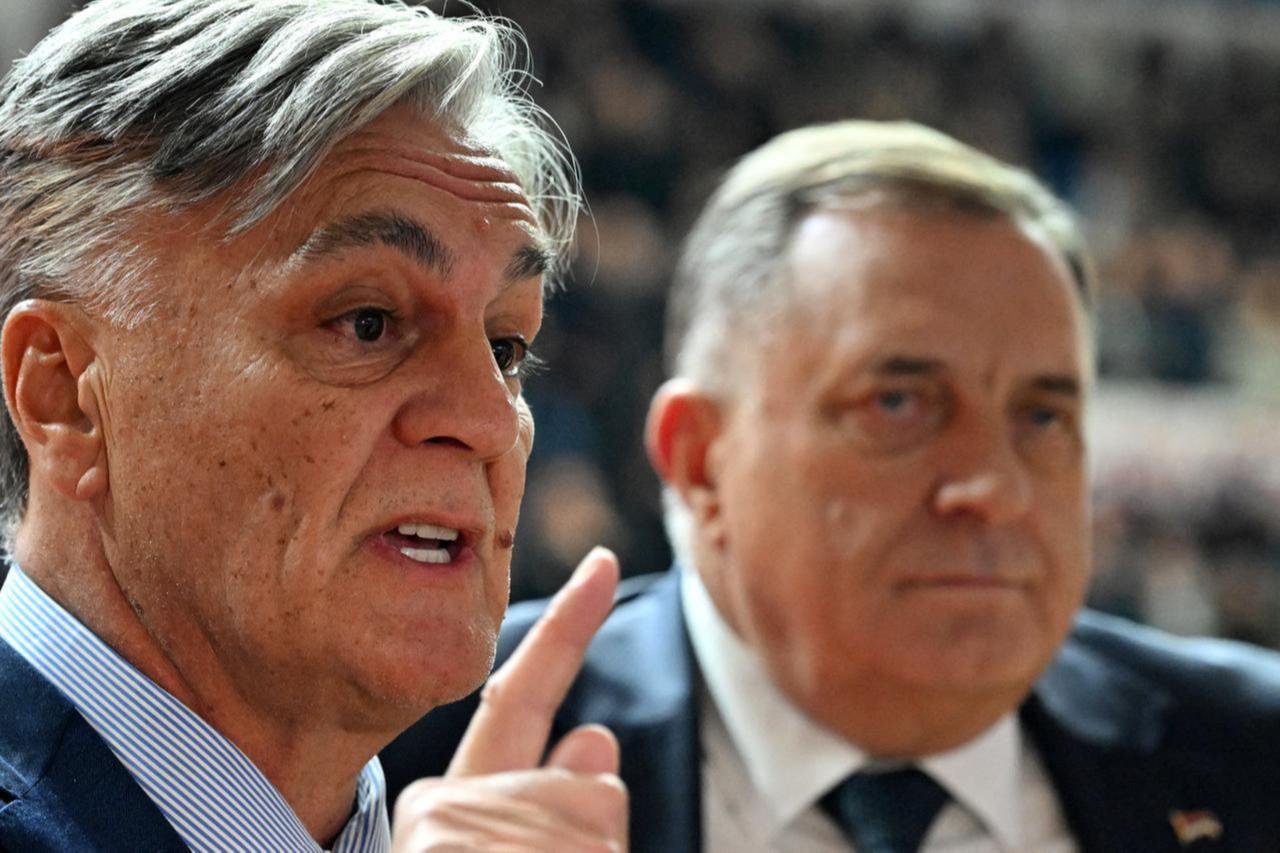
However, Bosnia and Herzegovina does have serious internal problems. Secessionist rhetoric from Republika Srpska, whose leadership is politically aligned with Moscow and widely seen as President Vladimir Putin’s closest ally in Europe, is destabilizing and corrosive. But Bosnia’s institutions are functioning, even if sometimes slowly, and legal frameworks remain in place.
Its security agencies cooperate internationally. Its armed forces remain unified. The country is not on the brink of war simply because some individuals choose to fight abroad in conflicts that align with their nationalist worldview, hoping that the favor will be returned.
The real escalation risk in the Balkans lies elsewhere.
It lies in the massive shifts underway in the global geopolitical landscape and, more troublingly, in the erosion of respect for international law. In recent years, we have seen growing tolerance for unilateral action, selective interpretations of legal frameworks, and political convenience overriding established norms.
This matters enormously for the Western Balkans.
Countries like Kosovo function not merely because of internal governance but because of international legal architecture, including United Nations Security Council resolutions and sustained engagement by the international community.
The role of NATO, the European Union and the broader international framework has been foundational in preventing renewed conflict and maintaining fragile stability. When international law is weakened or treated as optional, regions that rely on it most become vulnerable first.
That is why the real concern should not be a limited number of fighters from Republika Srpska heading to Ukraine to fight for Russian interests, but the precedent being set globally that borders, sovereignty and legal commitments can be bent or ignored depending on who is in power.
We have seen how a single leader can reshape international norms. What we are witnessing now, renewed debates over legality, accountability, and the authority of international institutions, carries far greater implications for the Balkans than any foreign fighter narrative. When international law is questioned, small and post-conflict states lose their strongest shield.
For the Western Balkans, alarmist rhetoric about war is not only misleading but also dangerous. The region’s priority should be reinforcing what actually prevents escalation: strong cooperation with the European Union, sustained international engagement, and partnerships with actors like Türkiye, which understands the region’s complexity and maintains a dialogue with all sides.
In an era of global unpredictability, the Balkans do not need fear-driven narratives recycled from the 1990s. They need all countries working together to track down these people and persecute them.
They need clarity, legality and diplomacy, because the greatest threat to regional stability is not who fights abroad, but whether the rules that keep peace at home still hold.


 Set as preferred source
 Set as preferred source


 2 min read
 1 min read