Newsletters


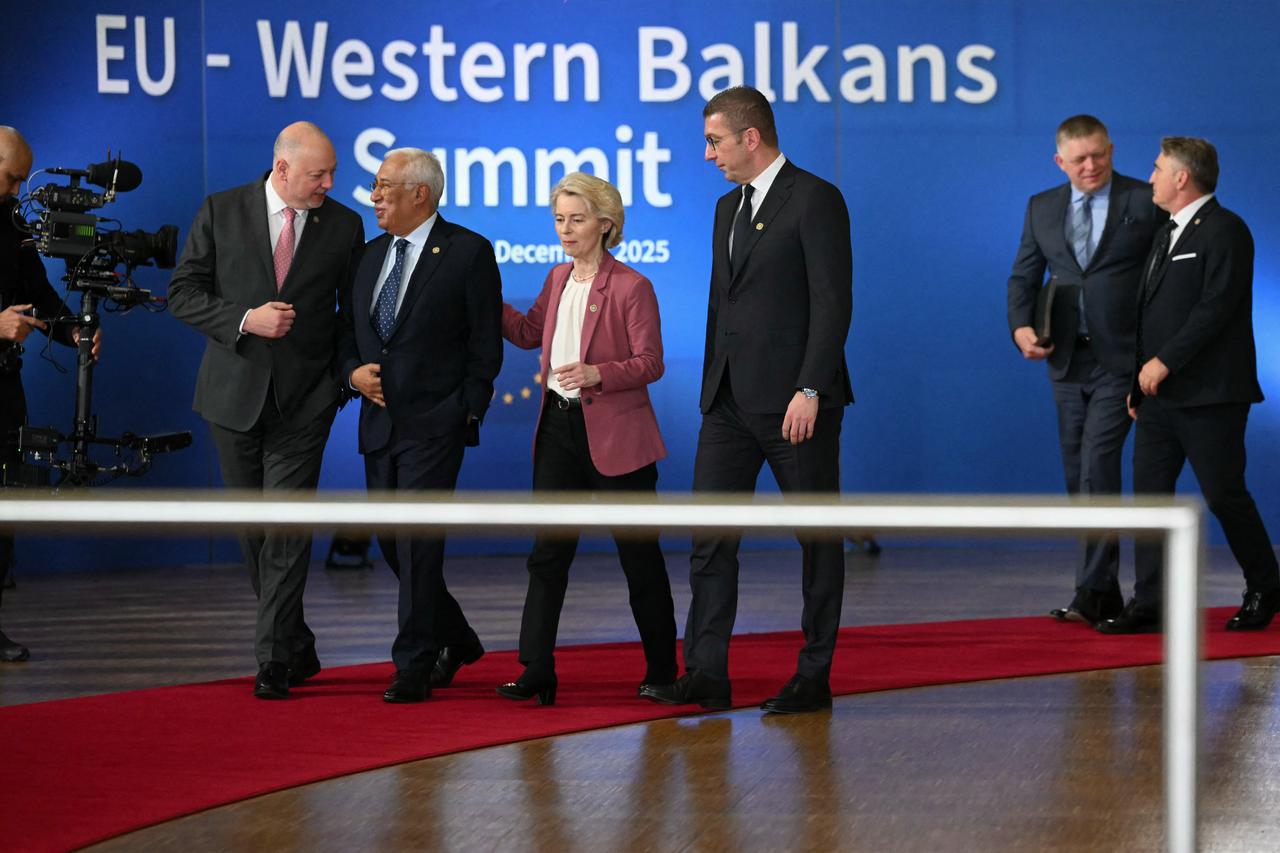


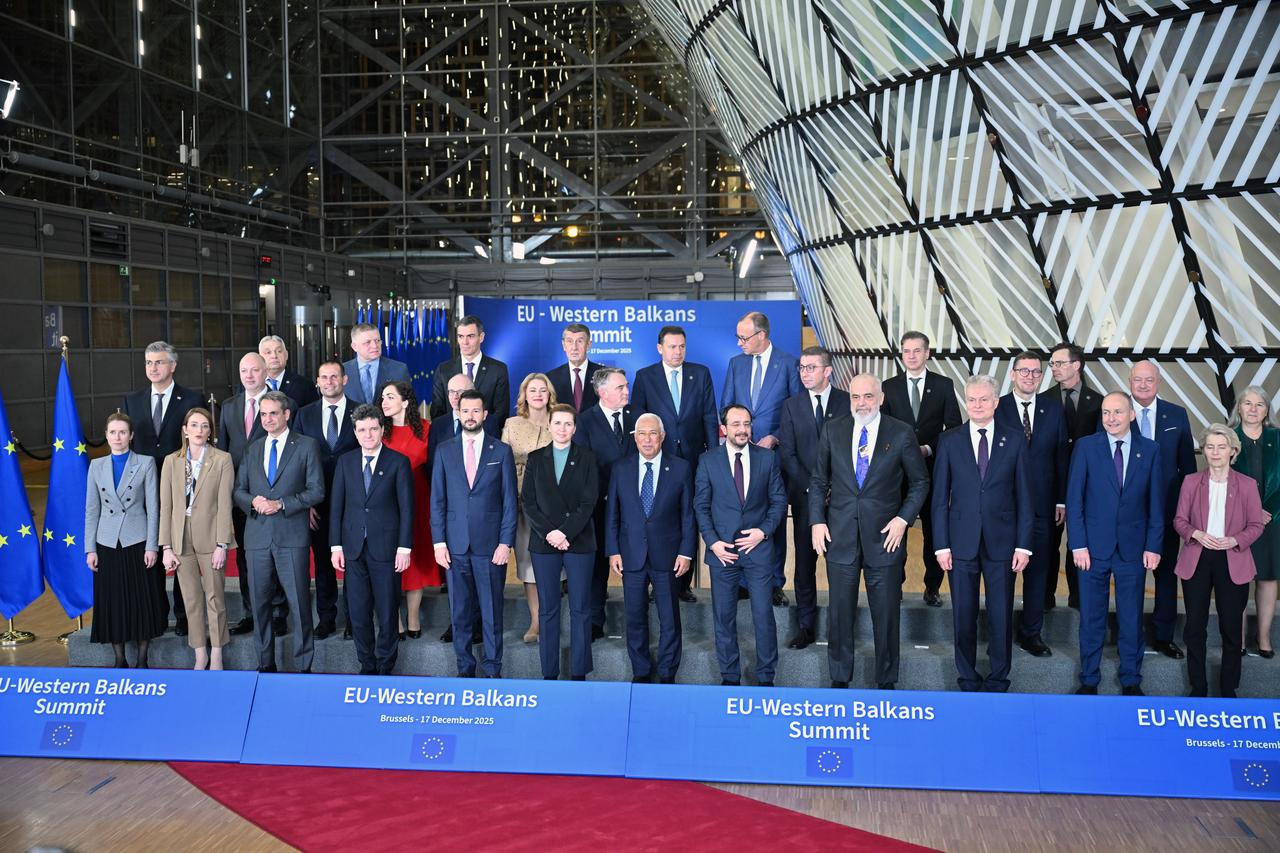
The European Union ended 2025 doing what it does best on enlargement: repeating promises while postponing decisions. At December’s EU–Western Balkans summit, leaders once again declared that the region’s future lies in the Union. But behind the familiar language was a familiar truth. The EU still lacks the political will to turn enlargement into a lived reality. That gap between rhetoric and resolve will define the Western Balkans in 2026.
There were promises of gradual integration, economic convergence and front loaded benefits through the EU Growth Plan. Kosovo saw long awaited sanctions lifted. Montenegro and Albania were praised for progress.
Hungary’s veto of the EU’s annual enlargement conclusions forced the Council to issue diluted presidency statements instead. Pre enlargement policy reviews, essential for preparing the EU itself, remain delayed. Enlargement is officially a strategic priority, but in practice it is still hostage to internal EU divisions and external crises.
That contradiction will shape a year that could either stabilize the Western Balkans or push it closer to a political and security crossroads.
2026 will be dominated by elections across the region, each with direct implications for EU integration.
Bosnia and Herzegovina heads into a general election year amid deep institutional paralysis. Secessionist rhetoric from Republika Srpska, unresolved electoral reform, and constant legal brinkmanship have already weakened the state’s credibility in Brussels. Another polarizing campaign risks freezing reforms altogether or worse, triggering a constitutional crisis the EU would struggle to contain.
Kosovo will enter 2026 after snap elections due to take place on Dec 28 following months of political deadlock that delayed over a billion euros in international funding. The EU’s decision to lift measures imposed after unrest in the north was a necessary reset, but Pristina’s ability to form a stable government and move forward on normalization with Serbia remains uncertain.
Montenegro, often described as the frontrunner, faces a different challenge: delivery. The political expectation in Brussels is clear. If Montenegro cannot close chapters now, with technical progress largely completed, the credibility of the entire enlargement process suffers.
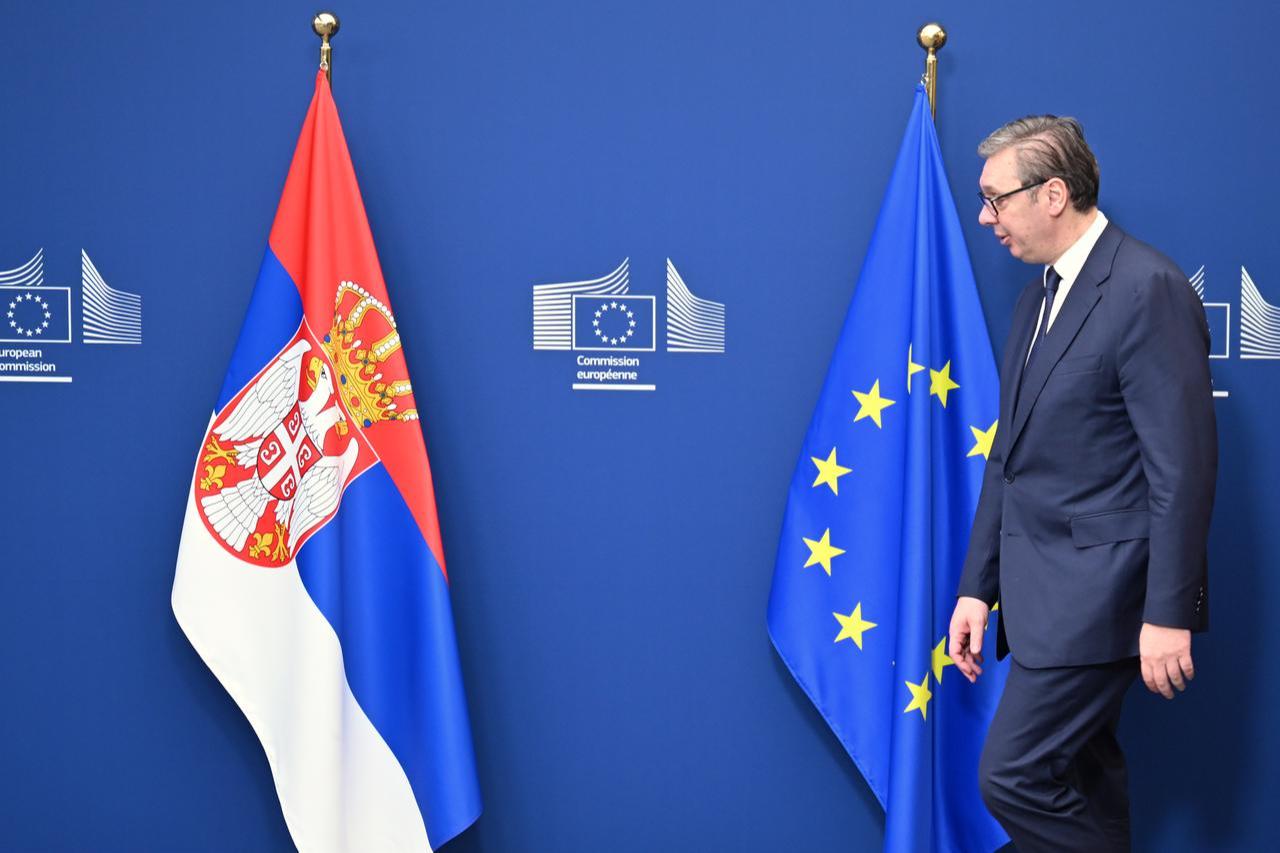

Serbia, a key piece of the Balkan accession puzzle, has become a flashpoint of domestic unrest that could reverberate across the region. The country’s long running student led protests, ignited by the deadly collapse of a railway station roof in Novi Sad in late 2024 and now into their second winter, reflect deep public dissatisfaction with corruption, media restrictions, and the pace of political reform. These demonstrations have drawn thousands, with crowds continuing to mobilize in places like Novi Pazar against perceived university repression and government pressure.
Its absence from the Brussels summit was not accidental. Belgrade continues to hedge between Brussels, Washington, Moscow and Beijing, while slowing reforms at home. 2025 was marred with massive anticorruption protests and political pressure is rising economically, diplomatically and socially.
Together, these electoral dynamics make one thing clear: Brussels will face a region in campaign mode, where EU integration rhetoric is often used tactically, not substantively.
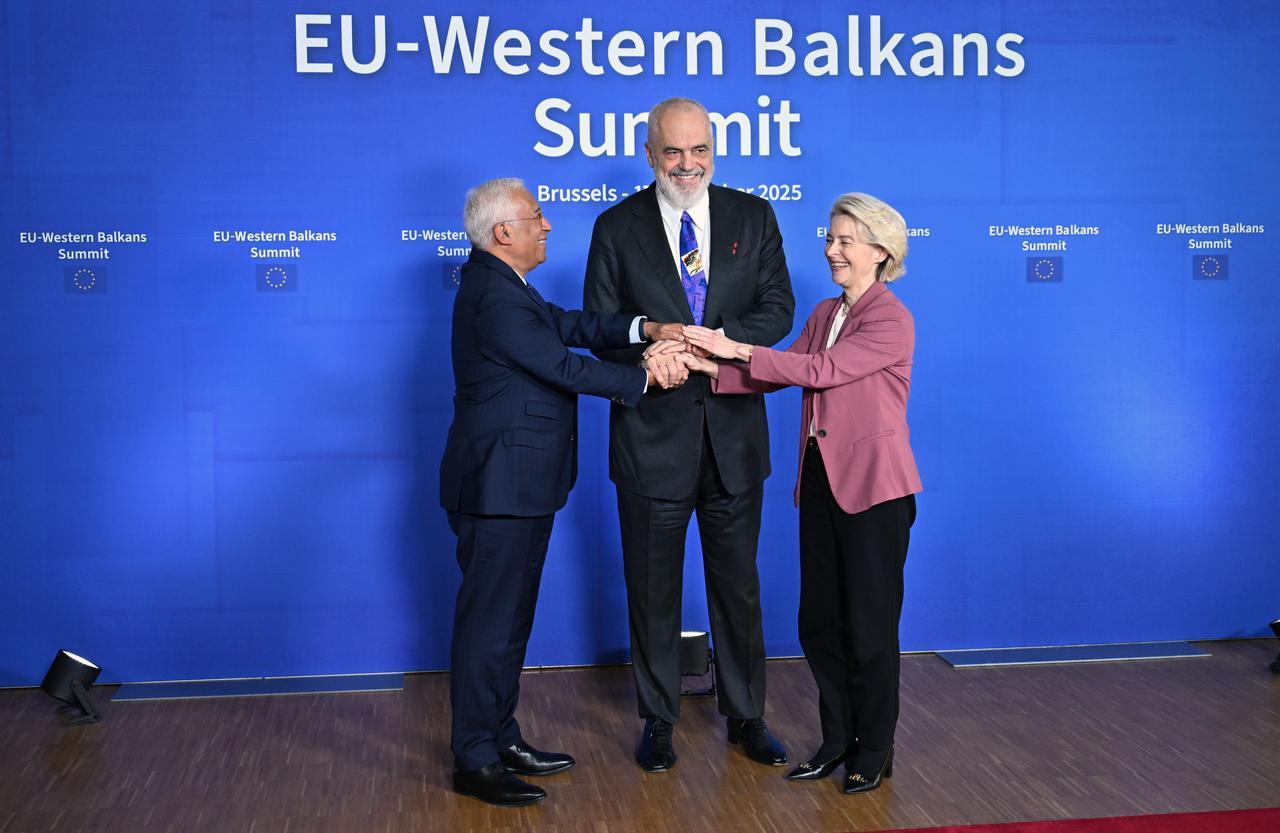
If 2025 was about reassurance, 2026 will be about leverage.
The EU has few tools left that do not involve clearer conditionality. Gradual integration, access to EU funds, markets and payment systems, is no longer just an incentive. It is becoming a test. Governments that fail to deliver on rule of law, governance and alignment with EU foreign policy will find benefits slowed or suspended.
This tougher posture is not ideological. It is strategic. The cost of drift in the Western Balkans, politically, economically and in security terms, is now too high for Brussels to ignore. Enlargement fatigue inside the EU may be real, but instability fatigue is stronger.
At the same time, the United States is quietly recalibrating its role.
Several US ambassadorial changes across the region signal a shift toward a more transactional, less personalized engagement. The cancellation of Jared Kushner’s high profile investment project in Belgrade, once framed as a symbol of US economic involvement, further underscores this change. What was presented as a transformative development became politically toxic and ultimately unsustainable.
Washington is not disengaging, but it is narrowing its focus: democracy support, energy security, and countering malign influence. The message to regional leaders is subtle but firm. Strategic patience has limits.
This recalibration leaves more responsibility with Brussels, whether the EU is fully ready for it or not.
No analysis of 2026 is complete without Ukraine.
The war, and any negotiations surrounding it, will directly affect the Western Balkans. If talks gain momentum, EU political space for enlargement could open up, especially as Brussels seeks to demonstrate that integration is still a viable geopolitical tool. If the war drags on or escalates, enlargement risks slipping further down the agenda, consumed by defense spending, internal EU reform and political fragmentation.
There is also a perception problem. As Ukraine advances rapidly on its EU path, Balkan societies are watching closely. Any sense that the region is being permanently sidelined would fuel Euroscepticism, nationalism and alternative alignments.
So, is the Western Balkans heading toward crisis in 2026?
Not inevitably, but the margin for error is shrinking.
The region is entering a year of political volatility at a moment when external attention is divided and internal trust in the enlargement process is fragile. Elections will test institutions. Brussels will apply pressure. Washington will be more selective. And the shadow of Ukraine will shape every strategic calculation.
The real danger is not collapse, but stagnation, a slow erosion of reform momentum that leaves the Western Balkans formally “on the European path” while drifting politically and socially away from it.
2026 will not decide EU membership for the Western Balkans. But it will decide something just as important: whether enlargement remains a credible stabilizing force or becomes another promise that time quietly empties of meaning.


 Set as preferred source
 Set as preferred source


 1 min read

 1 min read