Sign in
 Newsletters


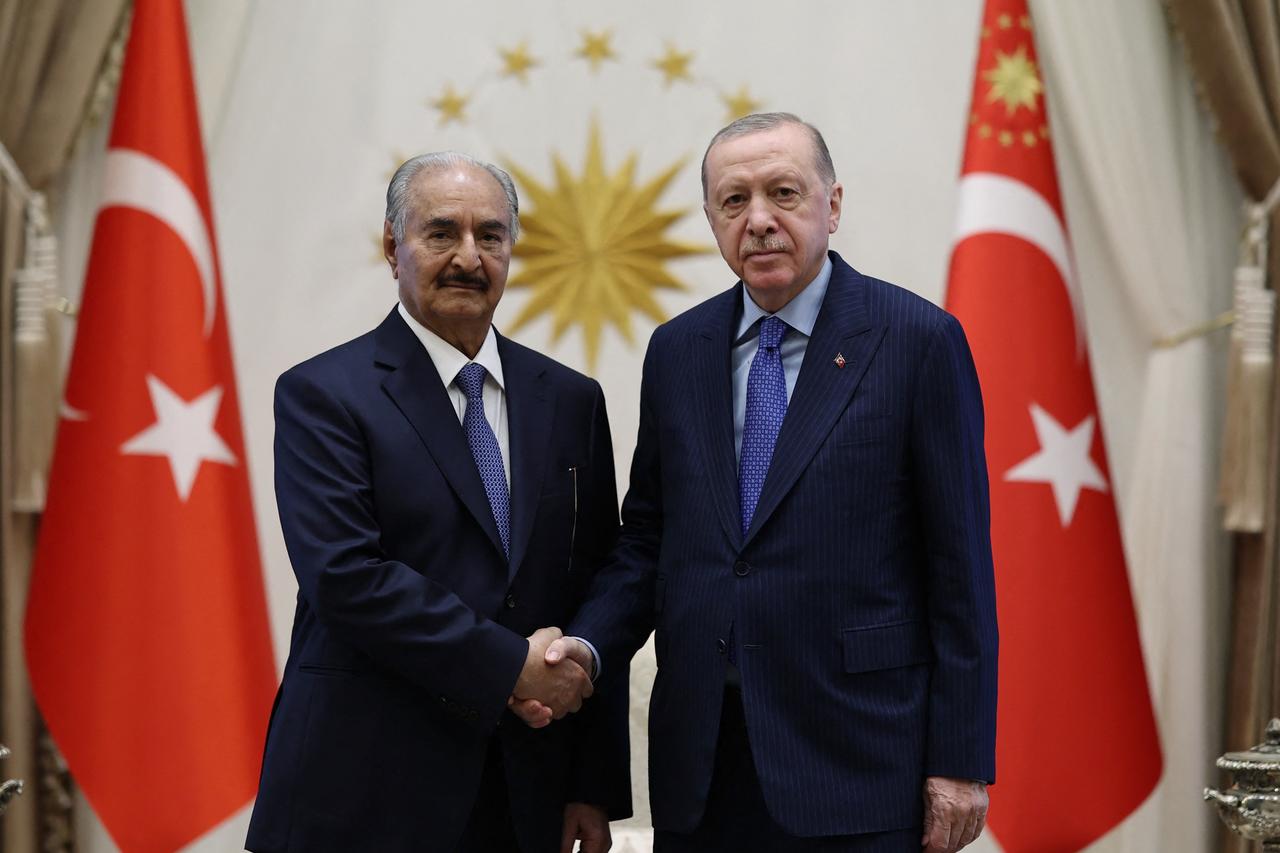


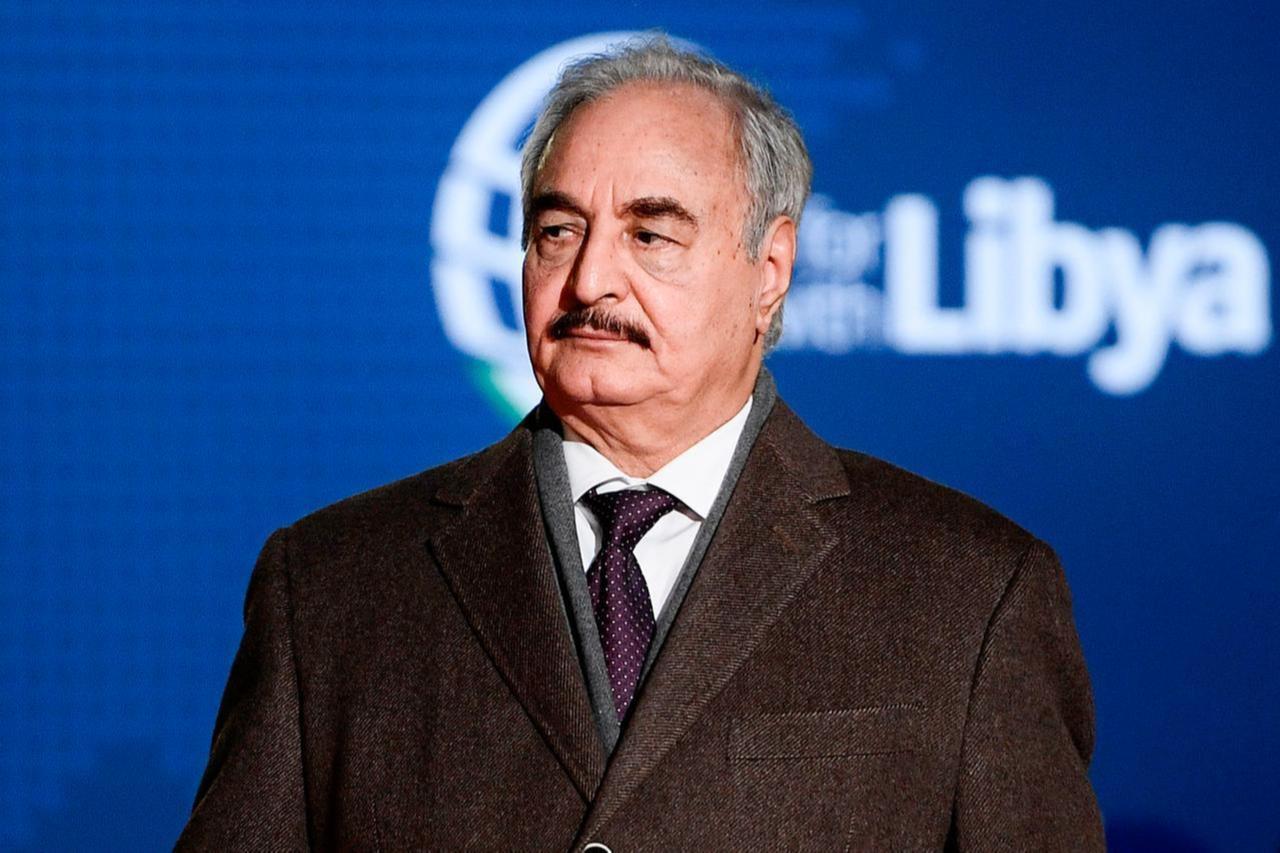
Eastern Libyan military commander Khalifa Haftar's latest visit to Ankara looks strange from the outside. For years, Türkiye backed the Tripoli government and stood against Haftar's forces. Now the man from the other side of that fight is being hosted in Ankara.
Many read this as inconsistency, even as a lack of principle. But the logic is simpler than that: peace talks and political negotiations are not held with friends. They are held with enemies and rivals.
That is why Türkiye sitting down with Haftar, with the PKK, with Hashd al-Shaabi leaders, or bringing regional actors with clashing interests to the same table, is not surprising. This is not an exception. It is part of how states behave.
States build their policies around interests, and those interests keep shifting with others' actions, changing conditions, geography, and time. Decisions are usually made from constraints, not opportunities, because opportunities tend to open only once existing constraints are cleared.
And in international relations, every opportunity draws more than one suitor. That is why states spend most of their time talking to rivals, not friends. Haftar's presence in Ankara should be read in that light. The enemy at today's negotiating table can become tomorrow's more neutral, maybe even allied, actor.
But these patterns usually hide a different story underneath. The Ankara-Haftar relationship is one of them. Beyond the general narrative, contact between Ankara and the Haftar family, run out of Istanbul, stayed steady and active even at the height of the fighting.
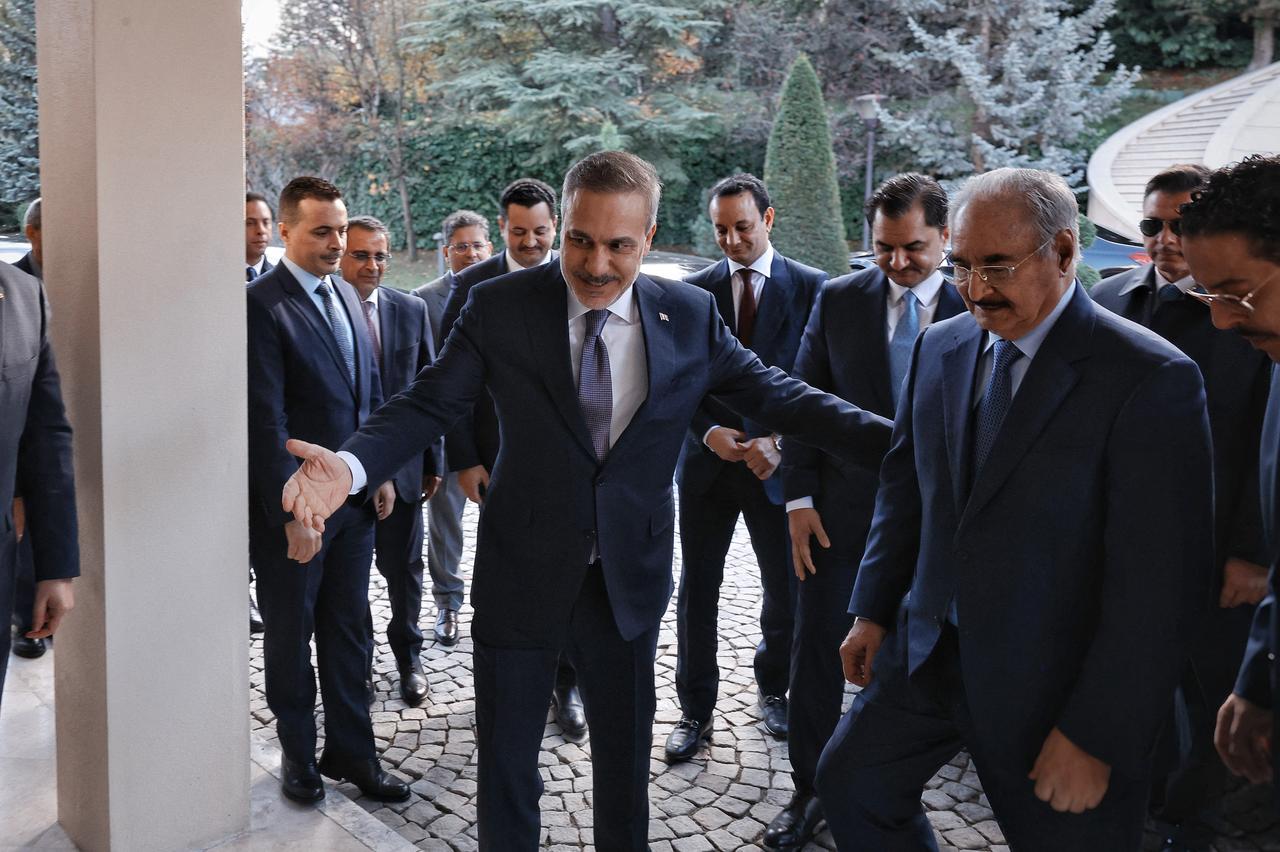

Many people close to Haftar had investments and residences in Istanbul. Figures settled in Bebek and Sariyer kept up a far busier channel than most people assume.
Haftar's sons were moving in and out of Türkiye before their careers had even taken off. Some crisis talks were set up and held in Istanbul. That channel was run, back then, by Saddam Haftar, the same man now making positive statements about Türkiye.
Many authorized civilians and officers tied to Saddam came and went from Istanbul regularly. This contact continued through various channels even in 2018-2020, when the war was at its worst.
Some claims trace the relationship back to Haftar's heart condition. But his most serious heart episode was in 2018. Treatment happened in Paris, and he got there on a private jet supplied by the UAE. All through this, in late 2019 and the spring of 2020, with the war still raging, contact between Saddam, Belqasim, and the low-profile son Sıddiq with Türkiye never stopped.
These ties got reshaped by military outcomes inside Libya and by global and regional shifts and tensions. When that reshaping opened a window for Türkiye to get past its own constraints, Ankara managed to design these relationships smartly and built its own model.
With this model, Ankara lines up several strategic goals at once, for itself, for Libya, and across a wide stretch from the Maghreb through the Sahel to the Horn.
What Türkiye did in Libya is a textbook example of this. The model ties two strategic goals together: ending the civil war to build one Libya and strengthening Ankara's presence in the Mediterranean and in Africa.
The question of one Libya is still unresolved between east and west. But Türkiye, at just the right moment, with Russia tied down by its war in Ukraine, has largely taken over management of the crisis here. In talks that dragged on and often turned painful, with both administrations repeatedly dragging their own structural, chronic problems into the room, Ankara's good relationship with the Haftar family has worked like glue.
On the other hand, the model showing up in Benghazi-Ankara relations has already produced results beyond mere goodwill, at least on the Mediterranean file. Whether it becomes a springboard into the African continent is something time will tell. The clearest gap between Benghazi and Ankara sits in African policy and alliances.
 2 min read
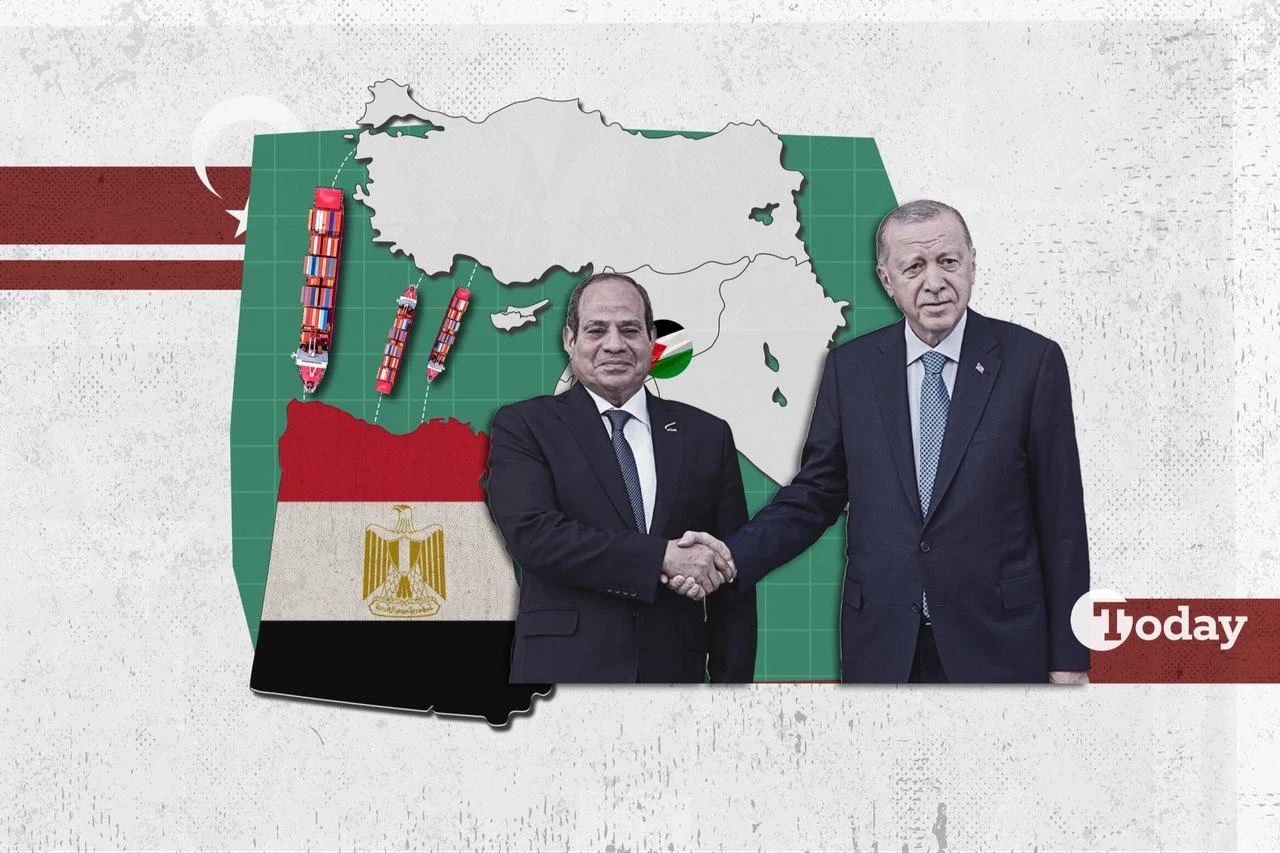
The Haftar camp keeps up ties with the RSF in Sudan and makes it easier for the UAE to move mercenaries and supplies from Haftar-controlled territory into Sudan. In doing so, it also keeps Russian private military companies in the mix in eastern Libya.
These companies are keen on cross-border moves from the Sahel down into Central Africa and further south. Their activity right now spans Mali, Burkina Faso, Niger, Nigeria, and at times Chadian armed groups across the border, but the centre of the compass is still Libya.
We will see how these tangles resolve over time. But in this whole picture, the UAE, Russia, and even at times the U.S. and France cannot be left out. The UAE's track record in Libya, its influence in Sudan, the cooperation it has built with Russia through shared roles and turf, and the Russians' growing, self-sustaining, barely controlled private military presence. These are at the top of the list of things Ankara needs to settle, or at least stabilize, in its dealings with Haftar.
Ankara has the tools to manage this. But on the Libya and Mediterranean front specifically, Ukraine's strikes and Kyiv's anti-Russia push into the Sahel could turn into a problem down the road. Ukraine needs to find a way to exercise its right to retaliate against Russia without damaging Türkiye's strategic interests in Africa.
All told, Türkiye has pulled ahead in its maritime disputes with Greece, Cyprus, and Israel in the Mediterranean, and has stabilized and strengthened its ties with the Haftar family despite the UAE, Russia, and Egypt. What comes next, time will tell.
Western Libya may be smiling at these developments, but its own internal turmoil has kept it from reacting so far. We wait and watch.


 Set as preferred source
 Set as preferred source


 1 min read