Newsletters


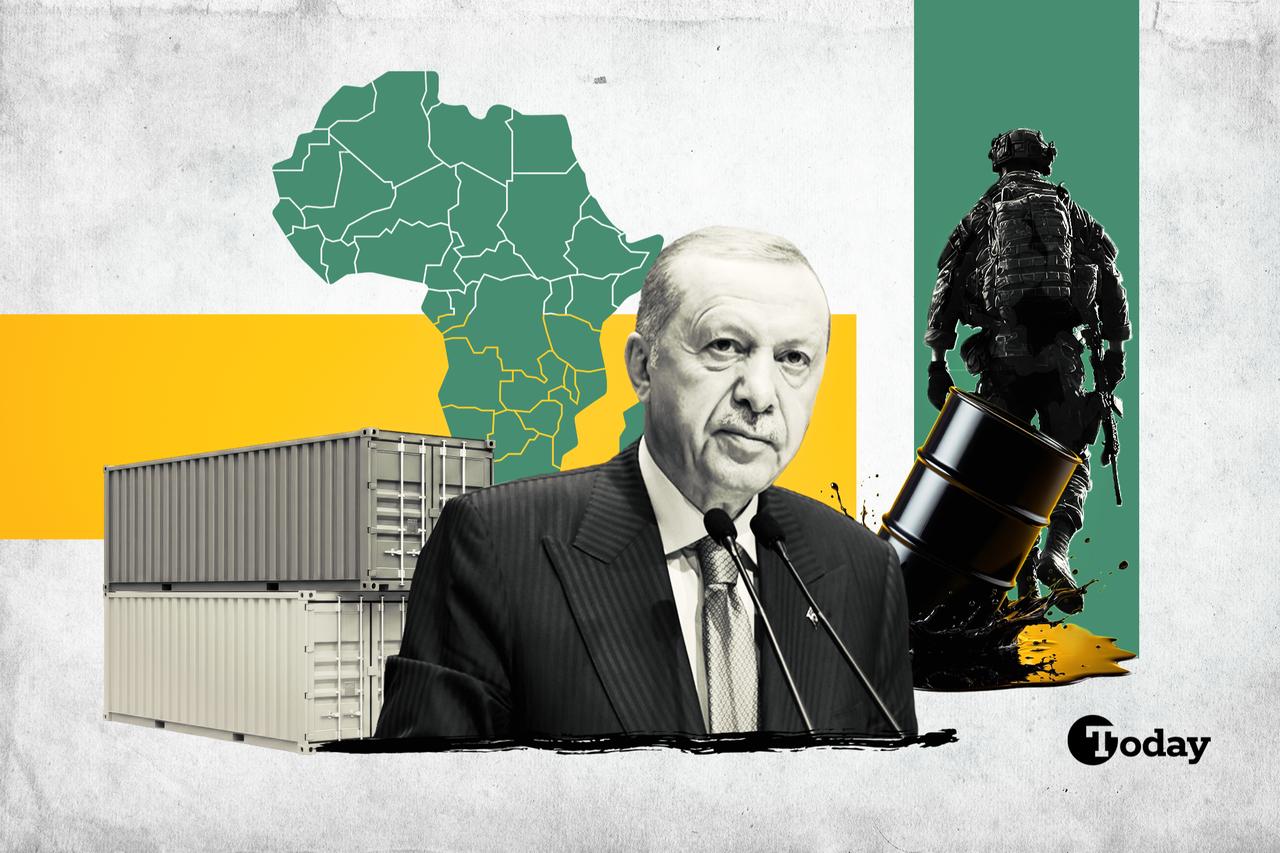


On April 7, Türkiye and Niger signed more than a routine defense accord. National Defense Minister Yasar Guler and his Nigerien counterpart, Gen. Salifou Mody, agreed on on-site training support, a move that places Turkish instructors directly inside Nigerien bases to bolster counterterrorism, border security, and operational capacity.
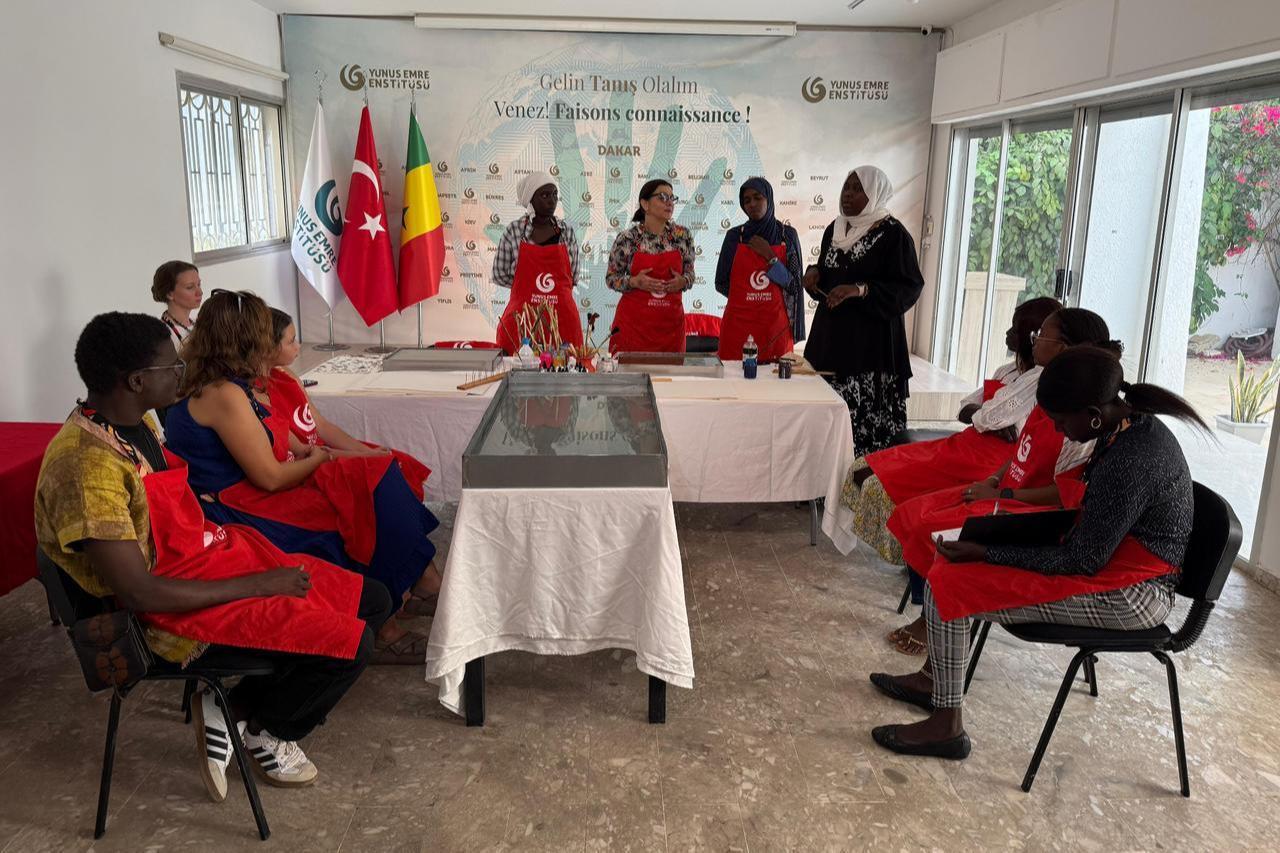
Two days later in Dakar, Turkish officials turned to business, highlighting more than $780 million in Turkish investment in Senegal and a project portfolio worth roughly $2.2 billion.
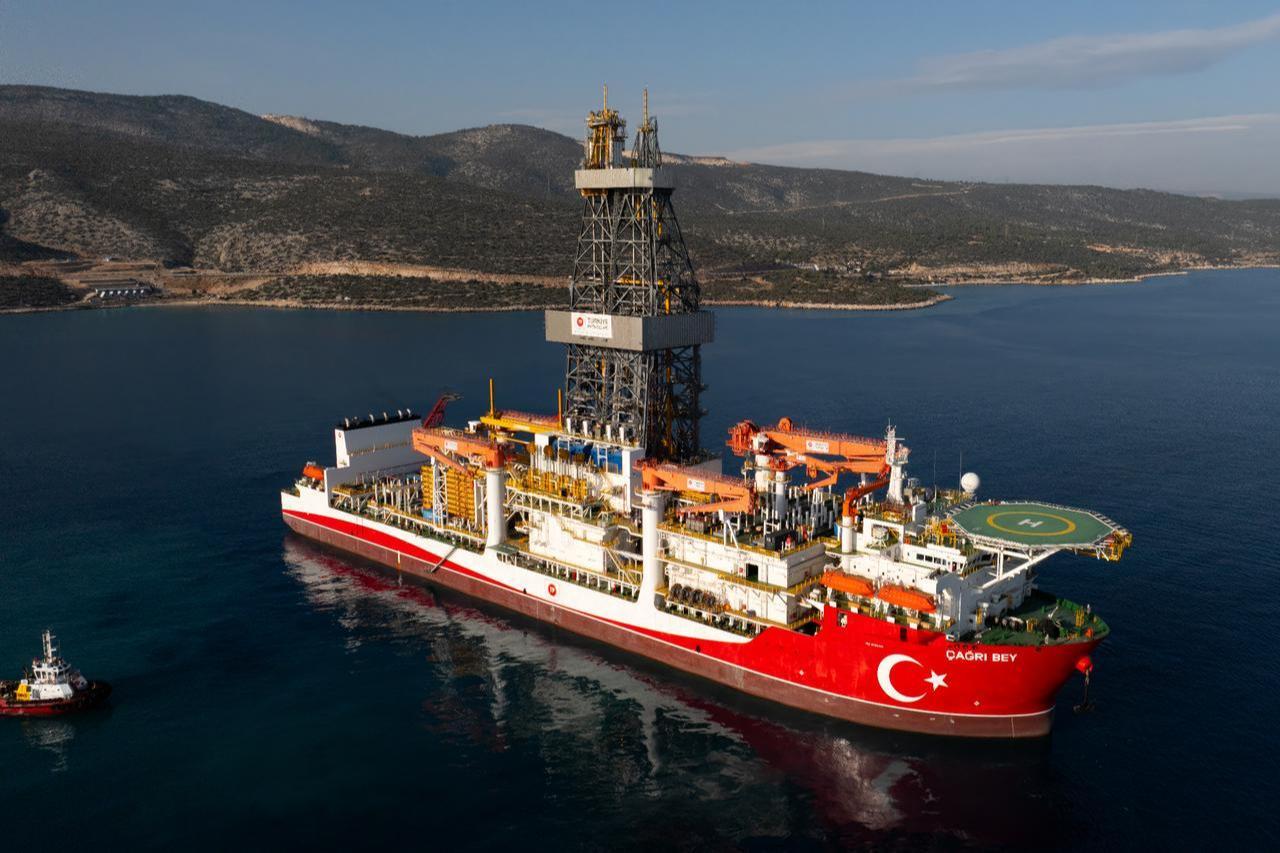
Just two days later in Dakar, the focus shifted to commerce. Turkish officials highlighted over $780 million in existing investment in Senegal and a project portfolio valued at roughly $2.2 billion. Simultaneously, Ankara prepared to deploy its deep-water drilling vessel, Cagri Bey, to Somalia, marking Türkiye’s first foray into overseas offshore energy exploration.
These are not isolated developments; they are pieces of a cohesive strategic puzzle. Türkiye is no longer engaging Africa through occasional visits, symbolic openings or isolated deals.
A wider approach is taking shape, one that brings together security cooperation, commercial presence and sector-focused partnerships across different parts of the continent.
That shift matters. Africa now sits far closer to the center of Türkiye’s foreign policy than it did even a decade ago. What we see in Niger, Senegal and Somalia is a middle power trying to secure long-term relevance in a competitive arena where military influence, trade networks and energy access increasingly intersect.

Two decades ago, Türkiye’s presence in Africa remained limited. Diplomatic reach was narrow, trade was modest and direct connectivity was thin. The “Opening to Africa” policy changed that trajectory by turning the continent into a strategic field rather than a peripheral one.
Embassies multiplied. By official figures, Türkiye’s embassies in Africa rose from 12 in 2002 to 44, while African countries increased their embassies in Ankara from 10 at the start of 2008 to 38.
Turkish Airlines expanded aggressively, building a network that now reaches 63 destinations across Africa. Political contact became regular instead of episodic. Over time, this did more than raise visibility. It turned engagement into a lasting habit.
That institutional growth gave Ankara room to move on several files at once. Agriculture, education, defense, construction and energy could advance through separate channels while still serving a common political purpose.
African governments were no longer dealing with a country that appeared briefly and then faded from view. They were dealing with one that kept returning with new proposals, new delegations and a steadily widening network of interests.
The way Türkiye framed its presence also mattered. Ankara has long stressed the absence of a colonial past in Africa and has presented its outreach through the language of partnership, development and mutual gain.
That message has helped give Türkiye a distinct tone from many older external actors whose historical baggage still shapes how they are received.
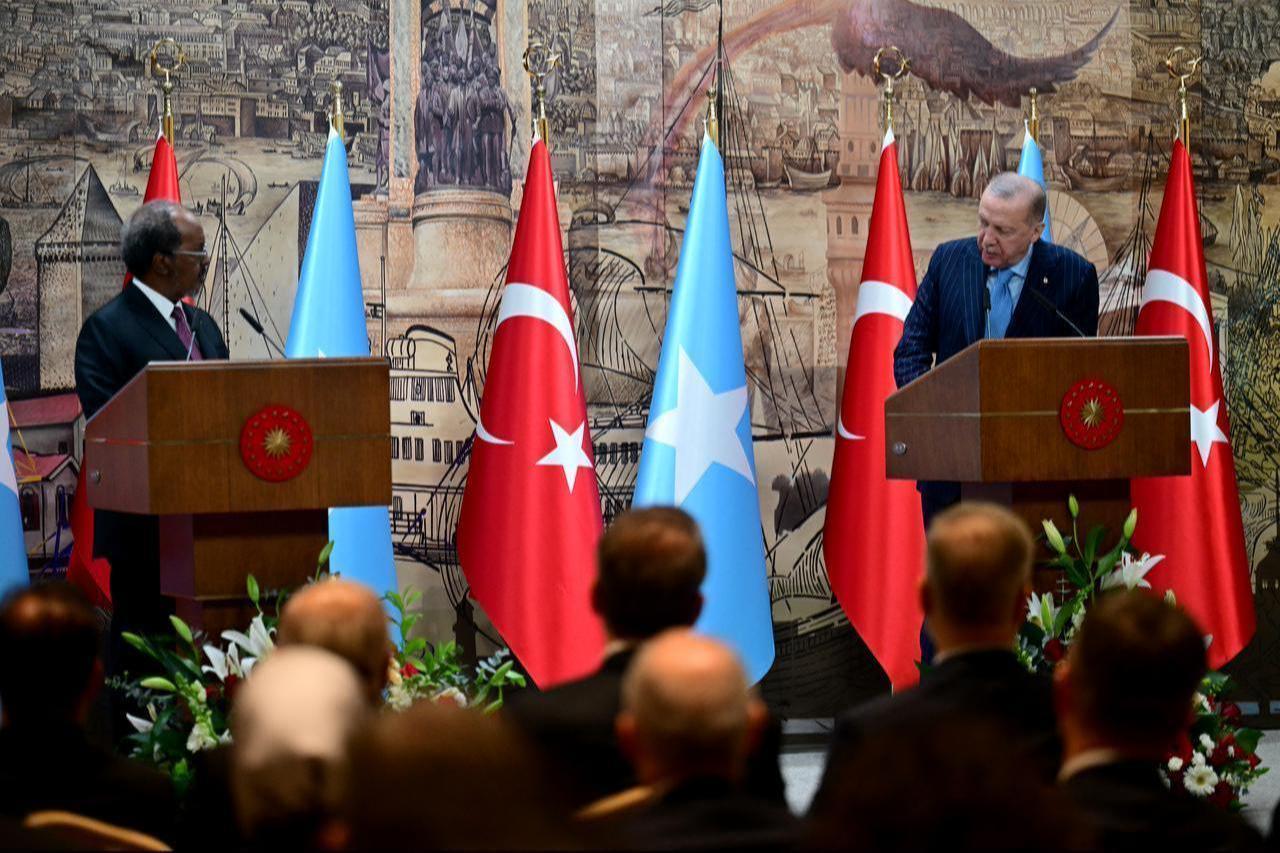
The Niger protocol says a great deal about Türkiye’s current approach. Ankara is not trying to replace local forces or cast itself as a direct combat actor.
What it is offering is training, advisory support and institutional reinforcement, allowing host governments to strengthen their own security capacity while retaining control over decision-making.
That carries weight in the Sahel. Governments there are looking for partners that can provide useful support without appearing to dictate the political terms of engagement. Türkiye’s model speaks directly to that demand. It offers practical assistance while keeping sovereignty at the center of the relationship.
This goes well beyond tactics on the ground. Training programs create habits of cooperation that tend to last. Officers who study in Turkish institutions, security officials who work with Turkish teams, and bureaucracies that grow familiar with Turkish equipment and methods often carry those links forward long after the initial agreement is signed.
In Africa, influence rarely grows out of one dramatic gesture. More often, it builds through repeated contact, operational familiarity and a presence that deepens over time.
That is why the Niger file matters beyond the defense sphere. Once security ties deepen, economic and political relations often move more easily as well. Trust built in one channel lowers the cost of cooperation in others.
Seen from that angle, Ankara’s moves in Niger point to something larger than military training. They suggest an effort to anchor Türkiye’s role through institutions rather than headlines.
The economic side of this strategy matters just as much. Without trade, investment and private-sector activity, its Africa policy remains shallow. Türkiye appears to understand that.
Its commercial footprint across the continent has grown steadily, and the Senegal example helps show why that matters. The numbers tell part of the story: trade between Türkiye and Africa exceeded $37 billion in 2024, and Ankara has already set a $40 billion target for 2025.
Turkish firms have operated there across infrastructure, construction and related sectors, with dozens of projects and a visible on-the-ground presence. This goes beyond official declarations.
It reflects a pattern in which Turkish companies, often including small and medium-sized enterprises, show a willingness to work in demanding environments, adapt to local conditions and pursue opportunities that larger firms may overlook.
Across the continent, Turkish contractors have completed more than 2,000 projects worth nearly $100 billion. That gives Ankara’s commercial presence far more weight than summit diplomacy alone.
There is a practical advantage here. Türkiye can be present in markets that do not always attract the same level of attention from bigger global players. It can also turn high-level diplomacy into commercial familiarity. Ministers may open doors, yet business networks give the relationship real weight.
Somalia adds another layer. Offshore energy exploration moves Türkiye’s Africa engagement into a more strategic domain, one tied to resources, maritime positioning and long-term economic stakes. Energy cooperation carries a different meaning from humanitarian aid or diplomatic outreach.
It signals confidence, technical ambition and a willingness to invest in sectors that can shape future leverage.
Seen together, Senegal and Somalia point in the same direction. Ankara is pursuing more than visibility. It is trying to build staying power. A country that trains security forces, builds infrastructure, expands trade and enters the energy field does not look like a temporary guest. It looks like an actor seeking a durable place in the political economy of the continent.
 2 min read
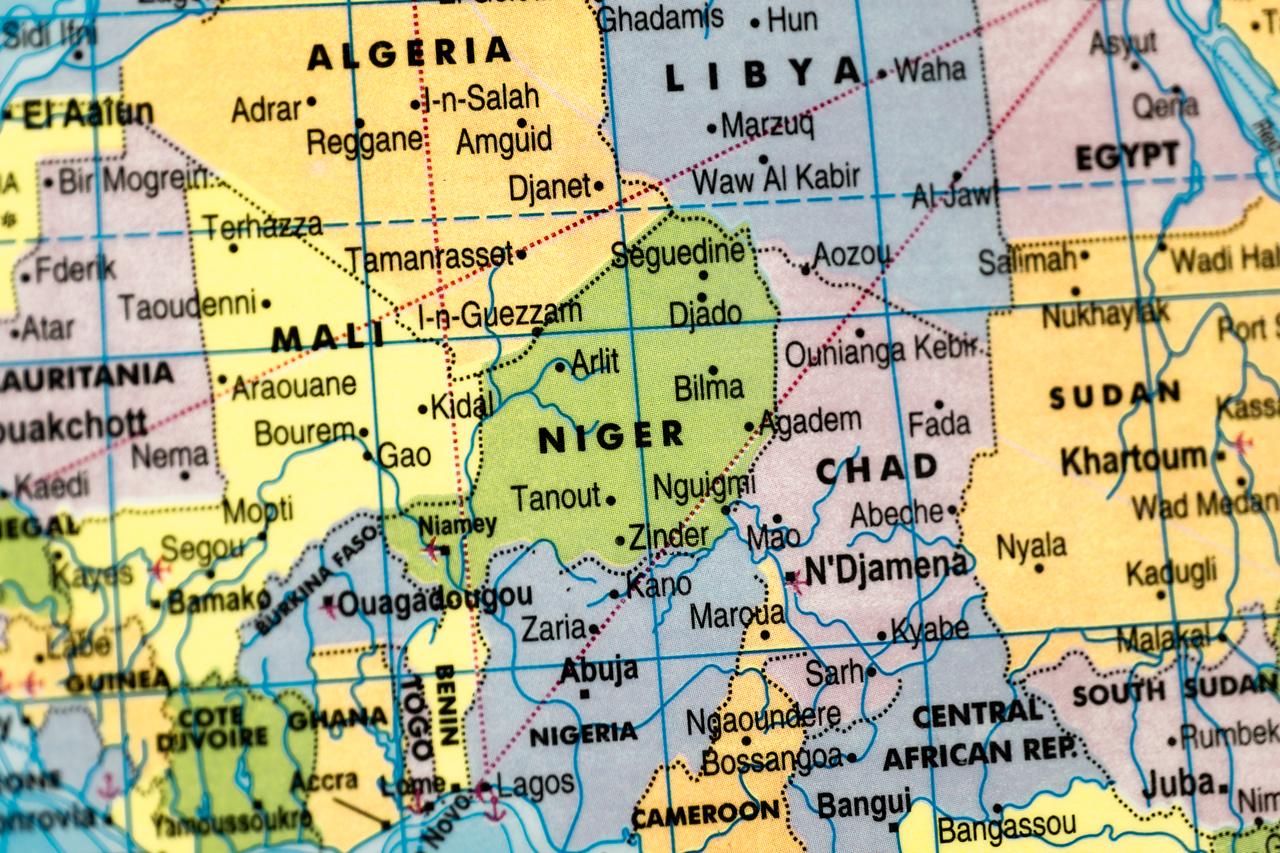
All of this is unfolding in a crowded geopolitical field. African governments now engage a wide range of external powers, from Europe and the United States to China, Russia, the Gulf states and India.
Türkiye is competing in that landscape without the financial scale of Beijing, the military reach of Washington or the historical depth of former colonial powers.
Its edge comes from a different mix of tools. Türkiye can combine security cooperation, commercial activism, development experience and cultural proximity in a way few actors can replicate so easily.
That gives Ankara flexibility. It can speak to defense ministries, business communities, aid networks and political elites without sounding locked into one register.
Even so, sustaining this momentum will require consistency, long-term attention and steady implementation. African partners are more selective than outside observers sometimes assume. They compare promises with delivery, welcome diversification and quickly notice when rhetoric moves ahead of results.
That is why the recent sequence from Ankara to Dakar and then on to Somalia deserves careful reading. It suggests that Türkiye has moved beyond the opening phase of its Africa policy and entered a more demanding stage, one where endurance matters more than symbolism.
Ankara’s ambition is already clear. The real test now is whether it can keep linking military cooperation, business expansion and strategic investment with enough consistency to become a trusted long-term partner.
If it can, Africa will become one of the clearest arenas where Türkiye shows that middle powers still shape outcomes when they combine patience, presence and political intent.


 Set as preferred source
 Set as preferred source


 1 min read