Newsletters


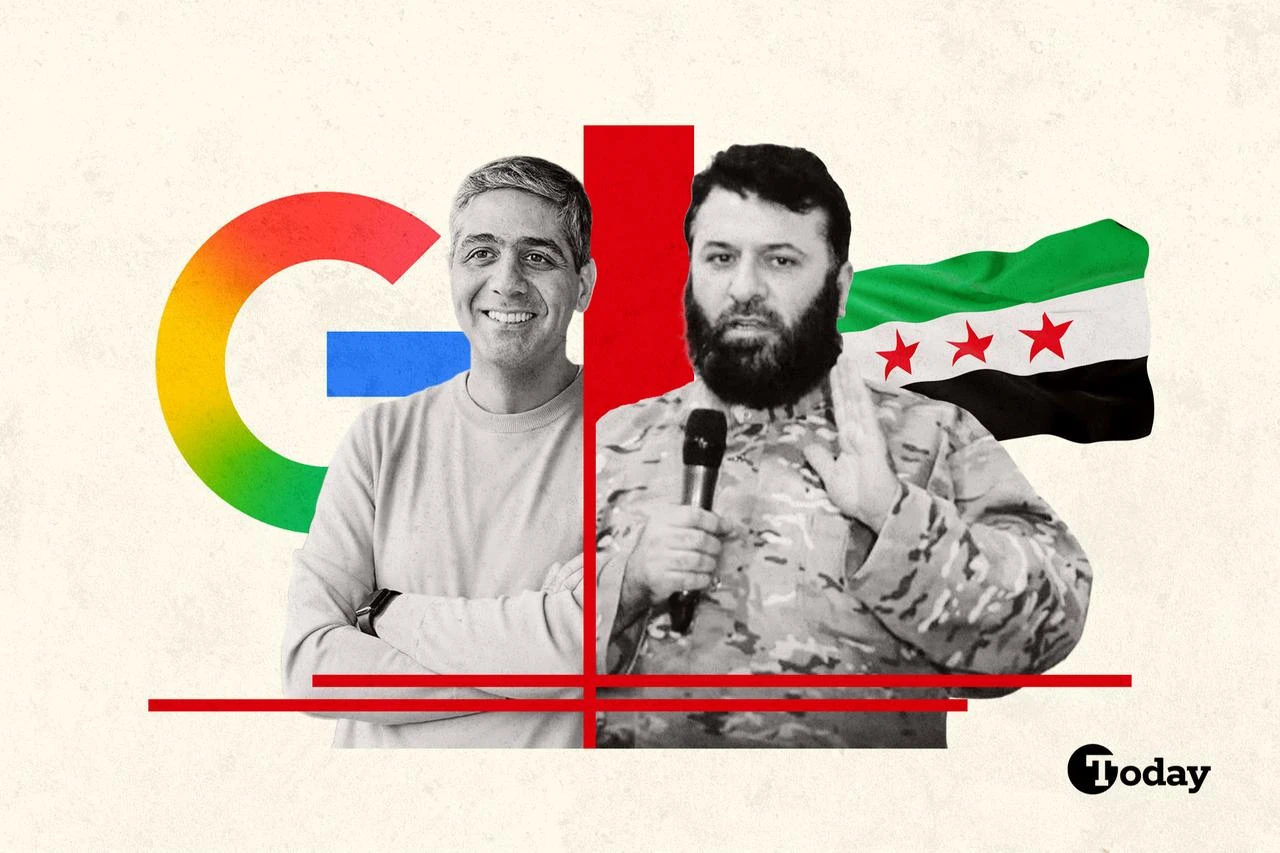


Last week, two big career moves shook the Turkish diaspora. Koray Kavukcuoglu was appointed as the global head of AI at Google. Omer Ciftci was appointed as a brigadier general in the Syrian Armed Forces. Both were born in 1980 in Türkiye and had their professional careers abroad.
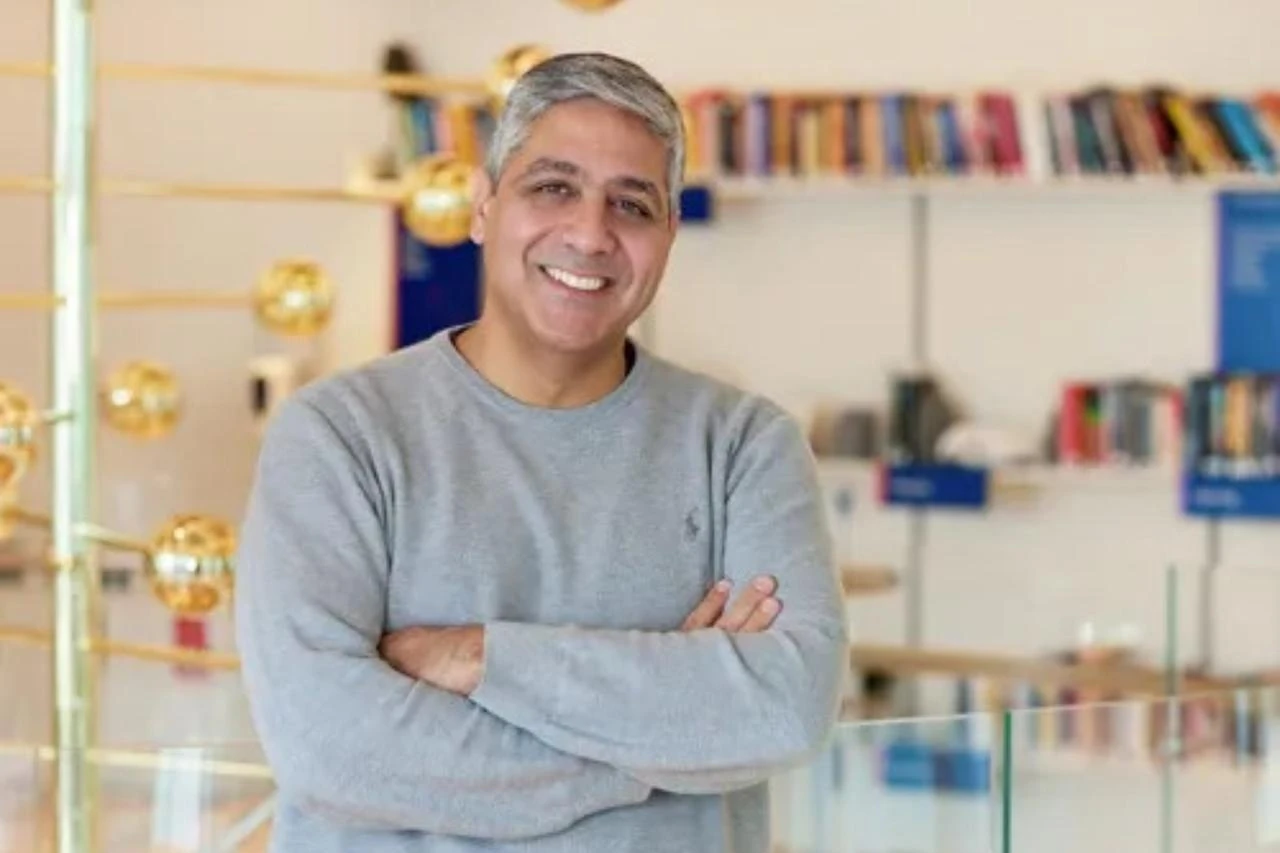
Kavukcuoglu was a native of Ankara, like myself. He graduated from Middle East Technical University in 2002 and pursued a Ph.D. under the supervision of Yann LeCun, the godfather of AI. He later joined DeepMind in London, which Google later acquired. When DeepMind’s co-founder, Nobel laureate Demis Hassabis, decided to leave Google, it was Kavukcuoglu’s turn to step up and lead Google’s AI division.
Ciftci was born in Osmaniye in southern Türkiye. In 2002, he went to Afghanistan as a jihadist and then joined several other wars, which were not disclosed in his bio. When the civil war started, Ciftci moved to Syria and changed his name to Mohtar al-Turki.
Until 2016, he was the military emir of Aleppo. Ciftci took a major role in the war against Daesh. In 2020, he became the chief architect of transferring capacity from Türkiye to the newly formed Syrian militia. Until his last appointment, he was one of Sharaa's closest lieutenants.
The last two decades witnessed two important social moves. The first is the emergence of a global elite educated class, mostly in tech or finance. The other one is a deep reaction against this globalization trend, in some cases, resulting in micro-nationalism and never-ending conflicts.
These conflicts also produced their own transnational networks of warriors and peacemakers, preachers and thought leaders, mafia bosses and diplomats. Moreover, these networks were also a product of globalization.
For readers, perhaps Kavukcuoglu’s career path is a better-known route. Perhaps an equally plausible, though less discussed, route is the transnational mobility system around the conflicts. Türkiye sits unusually close to both networks.
Roughly half of the world’s frozen conflicts sit within an hour’s flight of the Turkish border. The most prominent over the past decade has, of course, been Syria. To the west lies Cyprus, home to Europe’s last divided capital.
Head to the Balkans, and you’ll find Kosovo—still unrecognized by five European Union members, with 10% of its territory remaining under Serbian control. Cross into the Black Sea region, and there lies Abkhazia, a coastal territory recognized by just four U.N states. Then there is Crimea, whose Russian occupation remains completely unrecognized internationally. From none of these enclave regions can you board an international flight, except to Russia.
These are not simply conflicts near Türkiye. They generate cross-border populations, institutions, loyalties and career networks that run through the country.
There are more Abkhazians in Türkiye than in Abkhazia, more Crimean Tatars in Türkiye than in Crimea, more Albanians in Türkiye than in Kosovo. For that matter, there are more Syrians in Türkiye than there are in Damascus. Türkiye’s links to these regions go beyond geography. Former Ottoman borders, immigration, and cultural bonds have shaped them.
Last week, I wrote about how global tech capitals like Berlin, London, or Amsterdam have become part of the social ladder for upper-middle-class Turkish youngsters. Türkiye has world-class high schools and universities, which can open doors to careers in transnational tech and finance networks.
Born in Anatolia, these Turks first move to Istanbul for education and early career and then end up in global capitals. In Kavukcuoglu's case, the AI career that started in London now peaks in California at one of the best corporate positions globally.
Like Omer Ciftci, Kavukcuoglu’s career was also shaped by a Syrian founder. Mustafa Suleyman co-founded DeepMind. He was not only of Syrian origin but also, by then, a pious Muslim who started his tech career by establishing a psychiatric help hotline for Muslims in the U.K. Suleyman is now Microsoft's head of AI.
More than a mere coincidence, this convergence is proof that both DeepMind and the Hay’at Tahrir al-Sham (HTS) are transnational human capital architectures shaped by global networks. These organizations have radically different purposes, yet increasingly assemble talent transnationally.
Türkiye is not merely surrounded by global networks—its people actively circulate through radically different ones. To truly understand Türkiye, you have to map the networks Turks move through.


 Set as preferred source
 Set as preferred source


 1 min read

 1 min read