Newsletters





On the night of August 4, the Syrian army put its units on maximum alert. No one said why.
Speculation filled the gap. Some pointed to Iran-backed Shia militias in Iraq. Others whispered about infighting within the army's own ranks.
What almost no one mentioned was Israel.
Türkiye Today's Levent Kemal wrote in detail about what happened. In short, the entire episode was part of an effort to build a professional army in Syria and dismantle the old group loyalties left over from the civil war.
The outcome, as it turns out, was a promotion. Mohammad al-Jassem—Abu Amsha—was elevated to deputy commander of the army's central corps. But the promotion cuts both ways: it also strips him of direct command over the men of the 62nd Division, the fighters who had stayed loyal to him for years.
As is known, some divisions of the Syrian army have largely retained their old civil-war dynamics. The 62nd Division, for instance, was built from former Sultan Suleiman Shah faction members.
But this process didn't unfold without turmoil or public confusion, as Levent Kemal detailed in the article mentioned above.

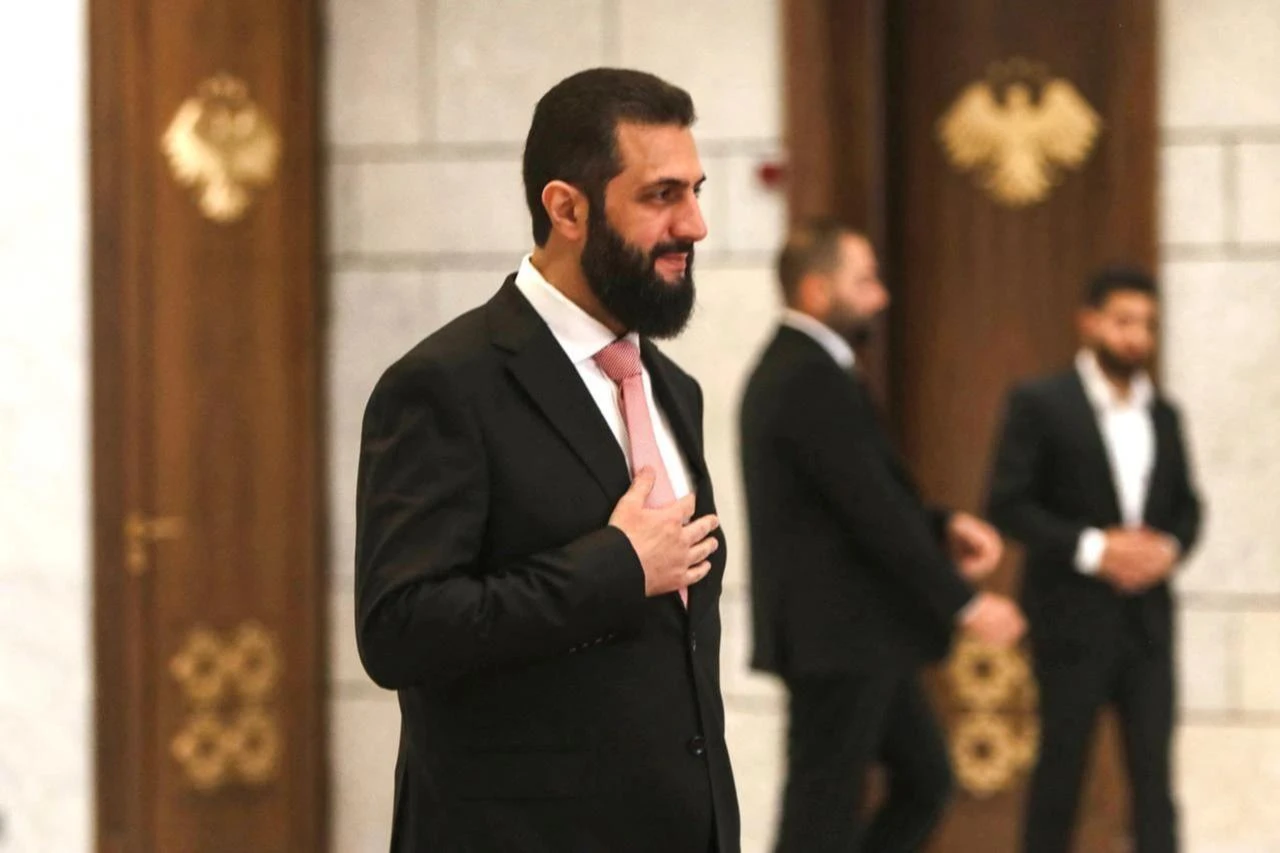
Within all these developments, one detail caught my eye that others seem to have missed: Omer Ciftci—known as Muhtar al-Turki—was appointed the new commander of the 62nd Division. A Turkish citizen by birth, Ciftci was one of Ahmad al-Sharaa's most senior and capable commanders within Hayat Tahrir al-Sham (HTS).
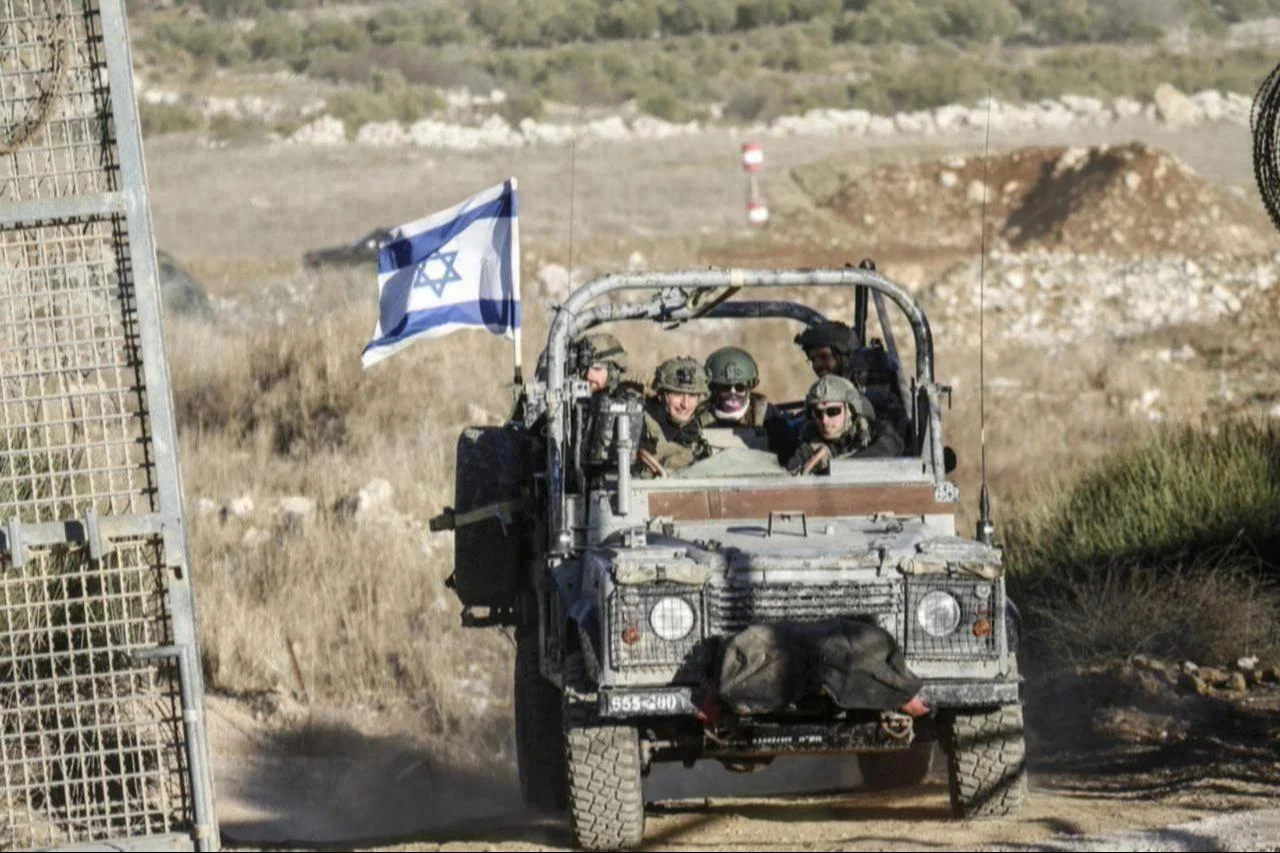
It is known that Israel views him with great suspicion. Ciftci, with his Turkish roots, his dominant position within HTS, his influence over foreign fighters, and his public statements on Israel, was perceived as more threatening than any other ordinary commander within the Syrian army.
Initially, after the fall of the Assad regime, he was appointed as the commander of the 44th Division in Daraa and Quneitra that borders the Israeli-occupied Golan Heights. Later, he was appointed as the commander of the 70th Division in Damascus.
Now he is in Hama, farther north and away from Israel. It remains unknown what the exact motivations behind this decision are.
It could be partially motivated by the Israeli angle as Syria continues to seek a security mechanism with Israel, and such a move could be interpreted positively by the Israeli security apparatus. But it could also be entirely different.
As is known, ensuring the loyalty of the members of the 44th Division and the 70th Division of the Syrian army after the fall of the Assad regime was very difficult. Ciftci successfully handled that Herculean task.
It could also be that the defense minister wanted to hand this difficult task of shifting the loyalty of the 62nd Division's members away from Jassem and toward the state to a capable commander with a proven track record.
Also, by appointing an originally Turkish citizen, the minister may have wanted to send the message that this move is not aimed against Türkiye, with whom Jassem had close ties.
None of this proves Israel was the deciding factor. The more mundane explanation—breaking a loyal division's attachment to one commander—may be the whole story. But the two explanations aren't mutually exclusive.
Whatever the motive, the effect is real: Israel's most-watched Syrian commander no longer sits on its border. In a country still negotiating its place with Israel, that kind of ambiguity is rarely accidental.


 Set as preferred source
 Set as preferred source


 2 min read

 1 min read