Newsletters


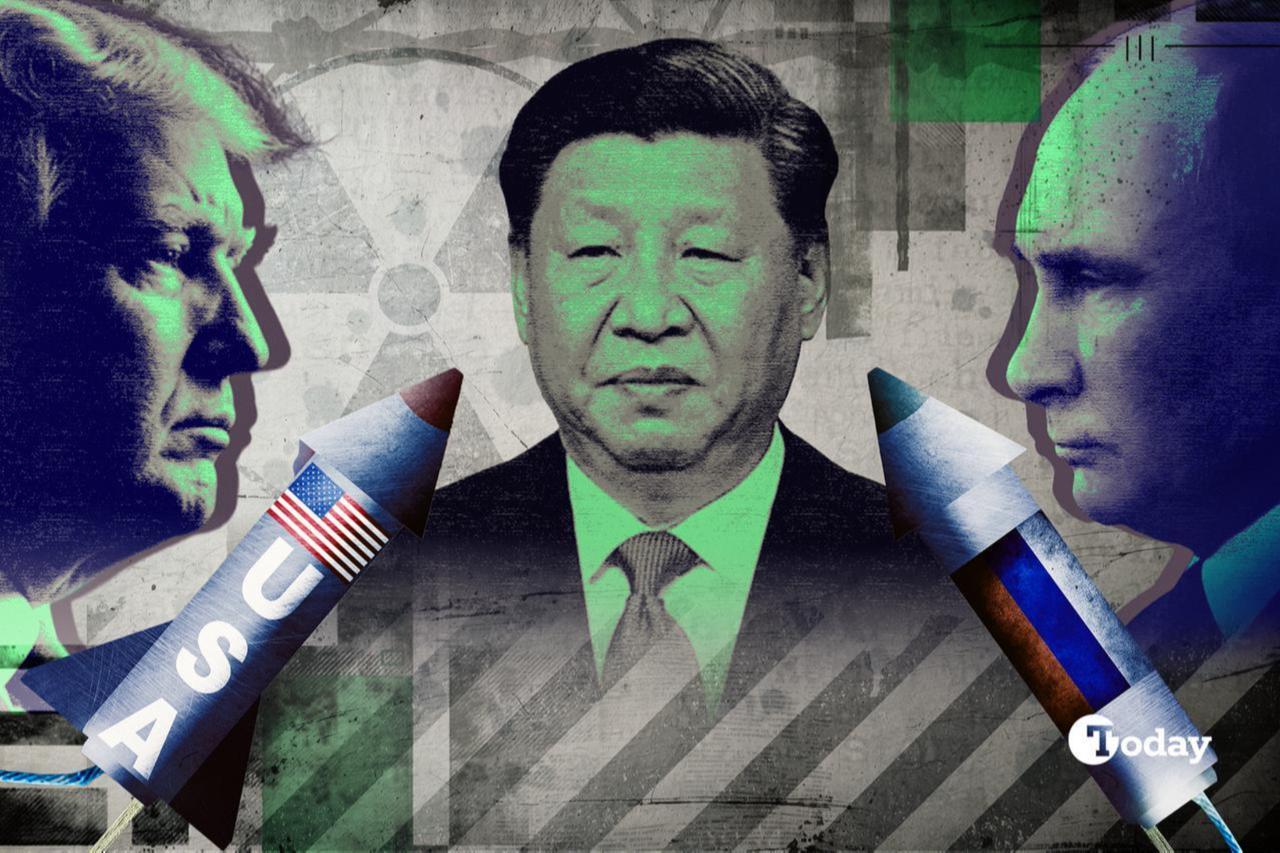


“It was the rise of Athens and the fear that this instilled in Sparta that made war inevitable.” — Thucydides, History of the Peloponnesian War
Realist theory tells us that actors in the international system tend to form countervailing coalitions when one power begins to accumulate too much influence. Because the system lacks a central authority, what realists describe as an anarchic structure, states feel compelled to balance against rising power. In international relations literature, this behavior is known as “balancing.”
The concept itself may have been theorized relatively recently, but the behavior is hardly new. In fact, it has been present for thousands of years and history offers no shortage of examples.
The alliance of Greek city-states against the westward expansion of the Persian Empire in the fifth century BCE, cross-sectarian cooperation against the Habsburgs in the seventeenth century, the broad coalition that formed against Napoleonic France in the nineteenth century, and the alignment of Britain, France, and Russia against a rising Germany before World War I are all textbook cases of balancing behavior.
Yet when balancing coalitions emerge, dominant powers often respond with a different strategy: strategic sequencing. Even the strongest actor in the international system can become overstretched if it faces multiple adversaries at the same time.
Fighting several fronts simultaneously is enormously costly and often strategically unsustainable. For that reason, hegemons have historically preferred to confront their challengers one by one rather than all at once. Neutralization can take many forms: from diplomatic maneuvering to outright war.
History again provides instructive examples. The Byzantine Empire, unwilling to fight both the Huns in the west and the Persians in the east simultaneously, chose to grant concessions to Attila, thereby avoiding what could have become a disastrous two-front war.
Habsburg Austria similarly relied on skillful diplomacy to prevent anti-Habsburg forces from consolidating into a unified military coalition. These are cases where strategic sequencing worked.
But there are failures as well. After signing a non-aggression pact with the Soviet Union and rapidly defeating France through blitzkrieg, Nazi Germany chose to launch a surprise attack on the Soviets. The decision is widely seen as the beginning of its downfall. Strategic sequencing, in other words, depends heavily on timing and prioritization—miscalculations can prove fatal.
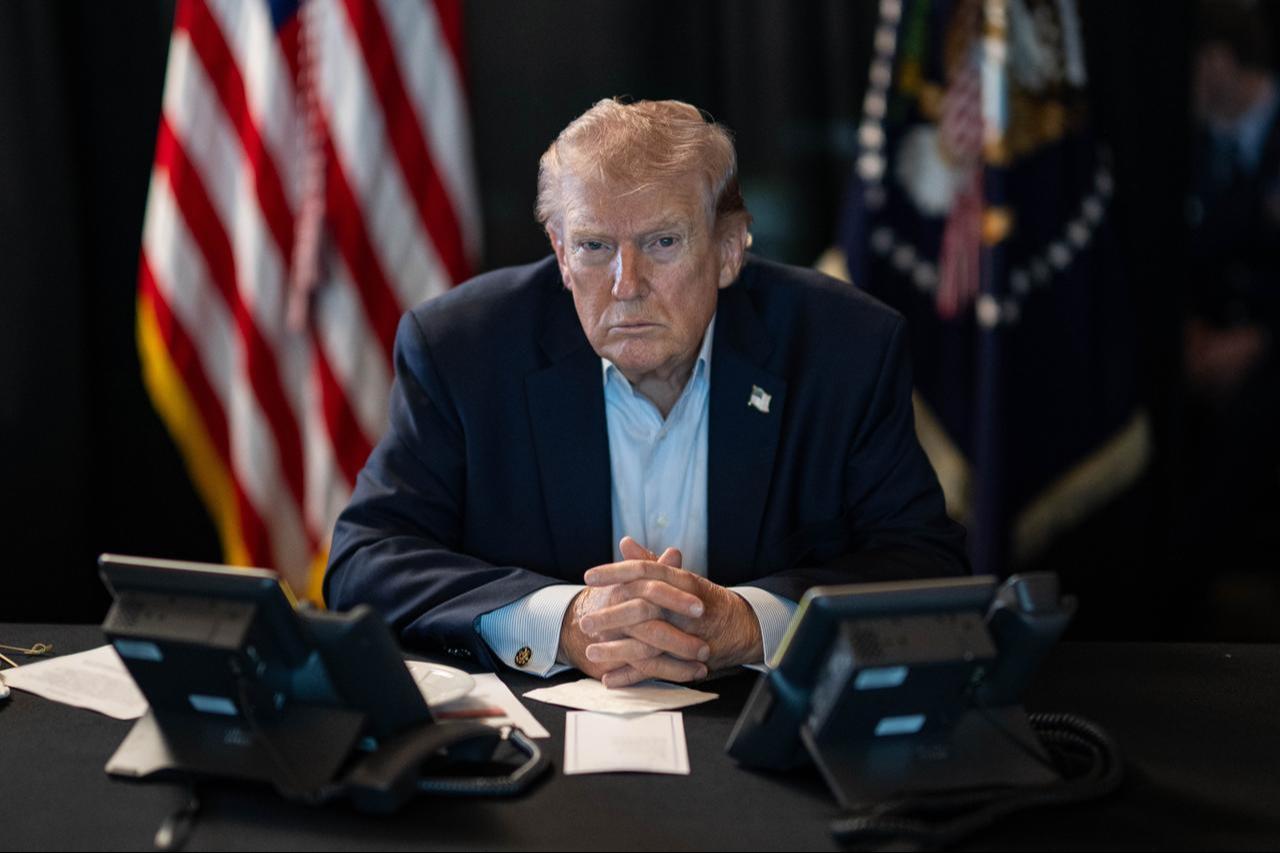

“This is a book not about the decline of America but rather about the rise of everyone else.” — Fareed Zakaria, The Post-American World: And the Rise of the Rest
Although the logic of strategic sequencing is rooted in history, its relevance to contemporary geopolitics became especially visible in the 2010s. Russia’s invasion of Georgia in 2008 and Ukraine in 2014—along with alleged cyber operations—was widely interpreted as evidence that Moscow had returned to revisionist behavior.
Iran, meanwhile, expanded its influence across what is often described as the Shia Crescent after the Iraq War, projecting power through proxy networks and advancing its nuclear program. Venezuela, once a close U.S. partner rich in natural resources, adopted an increasingly anti-American stance under Hugo Chávez while strengthening ties with China, Russia, and Iran.
Most significantly, China experienced extraordinary economic growth and rapidly expanded its military capabilities—particularly in the South China Sea. China began asserting itself in strategic industries such as energy, artificial intelligence, and electric vehicles, while extending its regional reach through global development strategies like the Belt and Road Initiative.
At the same time, Beijing adopted a more assertive foreign policy posture, forcefully advancing its “One China” principle, increasing pressure on Taiwan, and making expansive territorial claims in the South China Sea.
The expansion of BRIC in the 2010s was widely interpreted as another signal of growing coordination among rising powers. Taken together, these developments appeared to challenge Pax Americana and the uncontested hegemony the United States had enjoyed since the collapse of the Soviet Union.
The challenge was not limited to rising powers. Longtime U.S. allies in Western Europe and Japan have also experienced relative economic and geopolitical decline within the international system.
“The defining question about global order for this generation is whether China and the United States can escape Thucydides’s Trap.” — Graham T. Allison
It was during this same period that the concept of the “Thucydides Trap,” popularized by political scientist Graham Allison, gained widespread attention. Drawing on Thucydides’s account of the Peloponnesian War, the theory argues that when a rising power challenges an established hegemon, the structural pressures of the international system often push them toward conflict.
Historically, many hegemons, both regional and global, have chosen to confront emerging challengers before those challengers become strong enough to fundamentally alter the balance of power.
Accordingly, many analysts predicted that the United States would eventually confront China directly in order to preserve its global dominance.
Recent international developments, however, suggest that Washington may be pursuing a different path. Rather than confronting all challengers simultaneously, the United States appears to be engaging in strategic sequencing.
“There is no more imperative and no simpler law for strategy than to keep the forces concentrated.” — Carl von Clausewitz
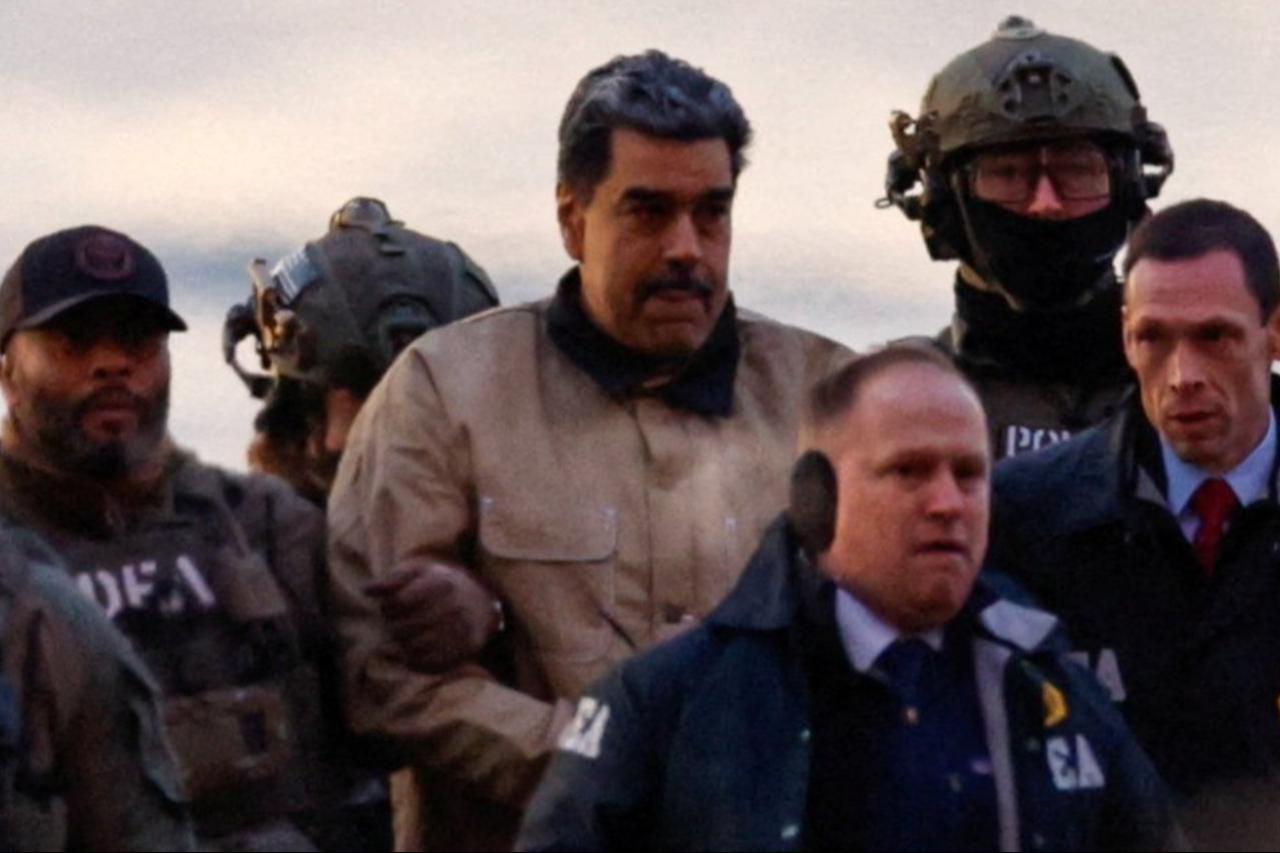
On January 3, 2026, the United States conducted a military operation in Venezuela, capturing President Nicolás Maduro and his wife and transferring them to the U.S. for trial.
Casualties were reportedly limited to dozens. Although the operation was publicly framed in terms of narcoterrorism and access to Venezuela’s oil resources, it is more plausibly interpreted as an effort to curb China’s growing influence in the Western Hemisphere and restrict its access to Venezuela’s energy and mineral wealth.
Whether Venezuela’s long-term alignment will ultimately shift remains uncertain, but for now the “decapitation” operation appears to have achieved its objective: the new government formed by Maduro’s vice president, Delcy Rodríguez, appears quite willing to offer concessions to the United States on issues such as diplomatic relations and energy resources.
In Iran, the approach seems more oriented toward regime transformation. Prior to the 1979 Islamic Revolution, Iran was one of Washington’s key regional allies. Since then, the country has positioned itself, along with its proxy networks, in opposition to the United States and Israel.
Iran’s vast territory, its population approaching 90 million, its influence among Shiite communities across the region, and its difficult geography make a conventional invasion prohibitively costly.
Instead, a different set of tools appears to be at play: support for anti-regime protests and targeted strikes against senior decision-makers, including Ayatollah Khamenei, as well as Revolutionary Guard operatives and nuclear scientists. The regime in Iran has deeply entrenched itself since 1979, meaning a simple decapitation operation like the one carried out in Venezuela would likely be insufficient to force Tehran to abandon its revisionist claims.
Following the October 7 attacks and the subsequent regional developments, including regime change in Syria, Iran and its proxy network appear weakened. If ongoing pressure further destabilizes the regime, the outcome could range from regime change to regional fragmentation or even systemic collapse.
Many regional actors, concerned that further turmoil could destabilize the Middle East even more, oppose a systemic collapse and the emergence of a power vacuum. Instead, they appear to favor a strategy focused on containing Tehran.
Israel, however, an actor known for its significant influence over U.S. foreign policy, seems more inclined toward riskier and more aggressive options, including arming minority groups and turning them against the central government. At this stage, the trajectory remains uncertain.
Russia, according to many observers, is being handled through yet another approach. During the war that began in 2022, the Biden administration, working closely with the European Union, sought to isolate and weaken Moscow through sweeping economic sanctions, and military and financial support for Ukraine.
Today, Washington’s policy toward Russia appears more open to dialogue. In 1972, President Nixon visited China and normalized relations with Beijing in order to contain the Soviet Union. Today, the Trump administration—back in office since 2024—appears to be exploring a mirror image of that strategy: seeking rapprochement with Russia in order to counterbalance China.
Often described as “Reverse Nixon,” this idea had already been suggested in earlier statements describing the China–Russia alignment as America’s most serious strategic challenge.
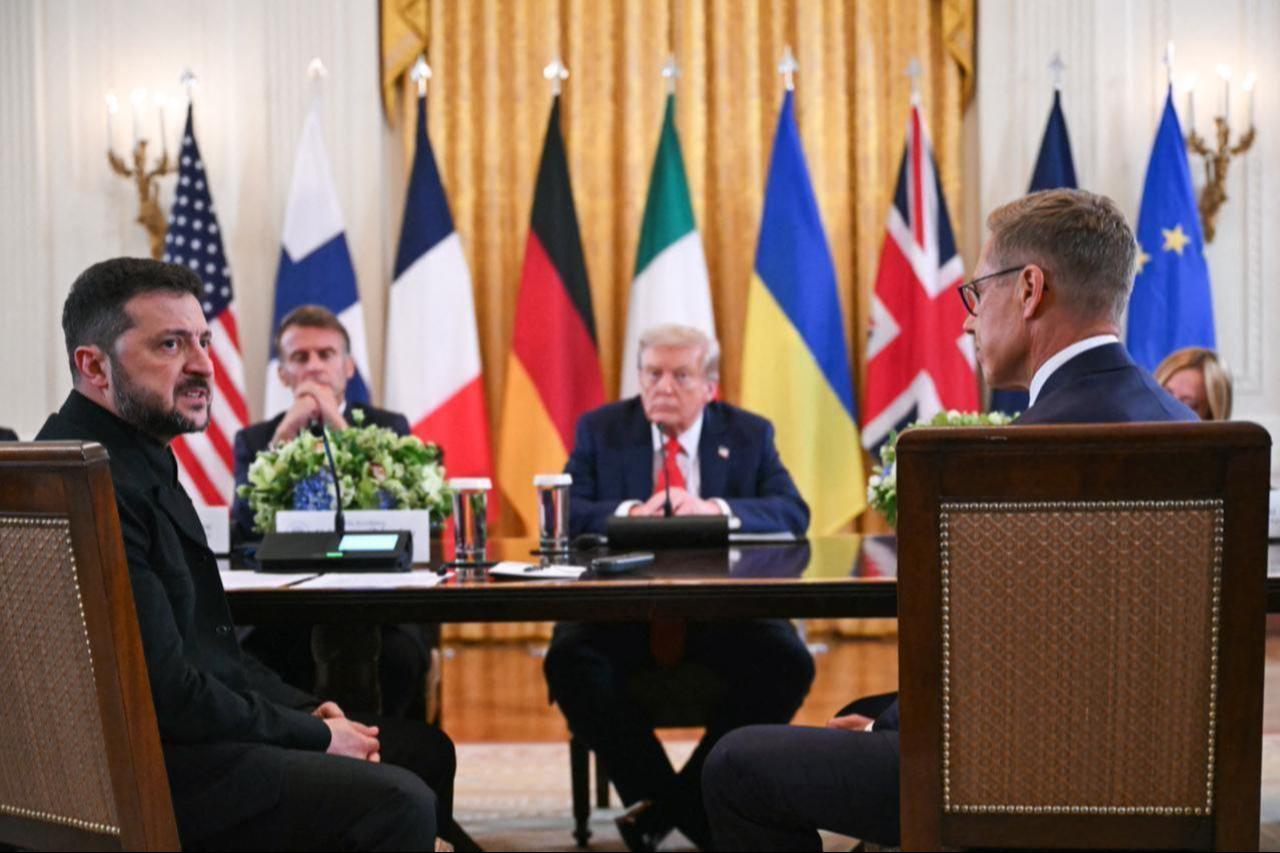
The widely publicized Trump–Zelenskyy Oval Office meeting in 2025 was interpreted by many observers as a possible signal of shifting U.S. policy toward both Ukraine and Russia. Whether Moscow can truly be separated from Beijing remains an open question—the attempt itself, however, fits neatly within the logic of strategic sequencing.
“China—whether it remains authoritarian or becomes democratic—is likely to try to dominate Asia the way the U.S. dominates the Western hemisphere.” — John J. Mearsheimer
Ultimately, China is the most consequential challenger to U.S. hegemony. Washington’s strategy toward Beijing has been broader and more systematic, including tariffs and sanctions targeting strategic industries, restrictions on Chinese technology companies such as Huawei and ZTE, export controls on advanced chips and software, and a broader geopolitical shift toward the Indo-Pacific under the “Pivot to Asia.”
Meanwhile, cooperation with Japan, South Korea, Australia, and India has deepened in an effort to counterbalance China’s growing assertiveness in the South China Sea and around Taiwan. Unlike liberal scholars in international relations, realists such as John Mearsheimer have long warned that China’s growing role in the global economic system could eventually challenge U.S. hegemony.
Realists argue that Washington should seek to contain Beijing by aligning with other major Asian powers, including Russia and Japan. Trump’s return to office may signal a turn toward more “pragmatic” policies in this regard.
One important point must be added to discussions on the Thucydides Trap and power transition theory: most of the historical cases used to support these frameworks occurred before the development of nuclear weapons.
The existence of second-strike capability fundamentally changes the logic of great power conflict. In effect, it turns war between nuclear powers into a prisoner’s dilemma in which both sides face catastrophic losses.
As scholars such as Robert Jervis have argued, nuclear superiority, unlike conventional military superiority, does not necessarily determine the outcome of war, because even the weaker side retains the ability to inflict unacceptable damage. Under these conditions, preventive war becomes strategically irrational.
This is why just as the rivalry between the United States and the Soviet Union unfolded as a cold war, defined by proxy conflicts, regime interventions, and indirect competition rather than direct confrontation, the current rivalry may follow a similar pattern.
Economic warfare, limited military operations, and political destabilization may become the primary arenas of competition rather than full-scale war between great powers.
Even if current developments do not ultimately culminate in a direct war between the United States and another major power, or in a global conflict between rival alliances, they should not be seen merely as isolated regional events.
Taken together, they may be better understood as elements of a broader American strategy of strategic sequencing aimed at preserving global hegemony.


 Set as preferred source
 Set as preferred source



 4 min read