Newsletters


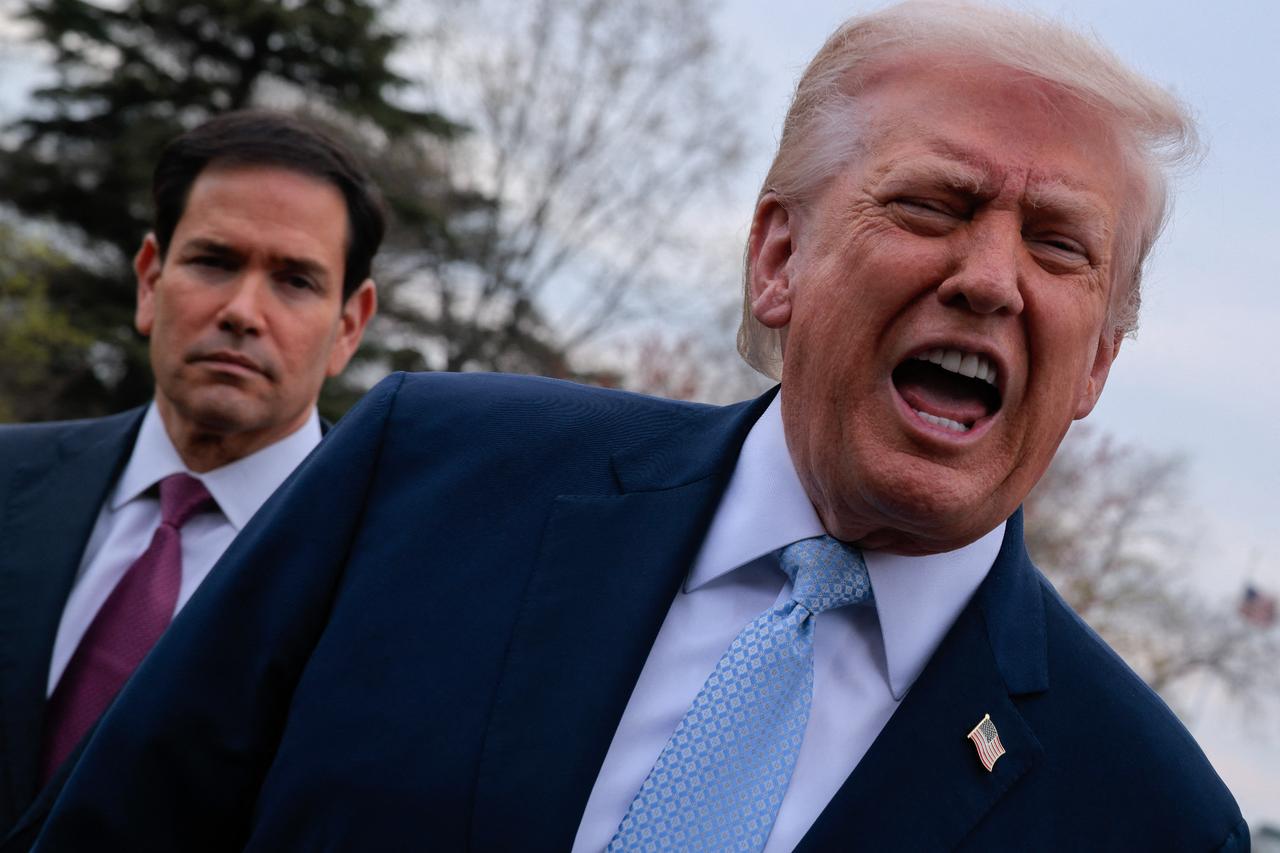


Despite his heavy preoccupation with the escalating conflict in the Gulf, President Trump cannot afford to overlook the volatile intersection of American domestic policy and economic stability.
The midterm elections are just seven months away, and the political and economic consequences of the Iran war have complicated matters for him at home.
At the start of the war on Feb. 28, President Trump was already fighting an uphill battle against the Democrats in Washington. His approval numbers were at their lowest since he took office last year.
The American electorate remained unimpressed by the administration’s handling of inflation and affordability. While inflation was cut to below 2.3%, the cost of living continued to strain the middle class. Additionally, the president’s tariffs remained unpopular. Even his signature immigration policy failed to gain favor with voters.
Meanwhile, the president’s party trailed the Democrats by five points. Political analysts believed that the Republicans were likely to lose their razor-thin majority in the House of Representatives in November. The Democratic Party controlling the House meant that the GOP and White House would have to give up their legislative agenda until the Presidential elections in 2028. For the President, however, there was also some space for optimism. The Republican Majority in the Senate seemed rather safe, but it was not out of reach for the Democrats. Then the war against Iran began.
The war has not changed polls in the U.S. so far, but can it stay that way?
Nearly a month into the war with Iran, its impact on U.S. politics remains quite limited. The Democratic lead in the polls remains almost the same; it has even narrowed slightly. Currently, the Democrats lead with 5.1%, while the day before the start of the war, their lead was 5.5%. The president’s popularity is decreasing slightly as well, but still nothing drastic there yet. His popularity was 42% just before the war; now it is down to 40.4%. Similarly, his disapproval rate climbed from 55.4% to 56.1% during the same three-week period.
There is, however, an underlying issue that could significantly worsen these numbers if the war continues to drag on.
Since Feb. 28, the price of gas has increased by about 35% in the U.S. The average price of a gallon (3.8 liters) of gas across the United States was only $2.93 last month. As of March 22, it is $3.94. Gas prices remain a primary indicator for the American people, serving as a direct barometer for the health of the economy.
It is a psychological factor, much like the exchange rate of the U.S. dollar in developing economies such as Türkiye. Naturally, this spike in gas prices is putting inflationary pressure on the economy. The Fed has already raised its inflation expectation to stand at 2.7% by the year’s end, up from an earlier estimate of 2.4%. In the face of these numbers, the much-anticipated interest cuts in 2026 are becoming less likely by the day, and even possible hikes are now being discussed.
In this picture, the president’s approval of handling the gas prices is at 27%. Under these circumstances, a prolonged war or energy prices remaining high in the coming months might keep the American electorate gloomy about the state of the economy. This would further diminish the Republican Party’s plans to close the gap with the Democrats until November.
Secondly, taking back the Senate could become more within grasp for the Democrats. Under such a scenario, President Trump would have to deal with a Congress that is completely against his political agenda as he enters the final two years of his presidency.


 Set as preferred source
 Set as preferred source


 2 min read

 1 min read