Newsletters


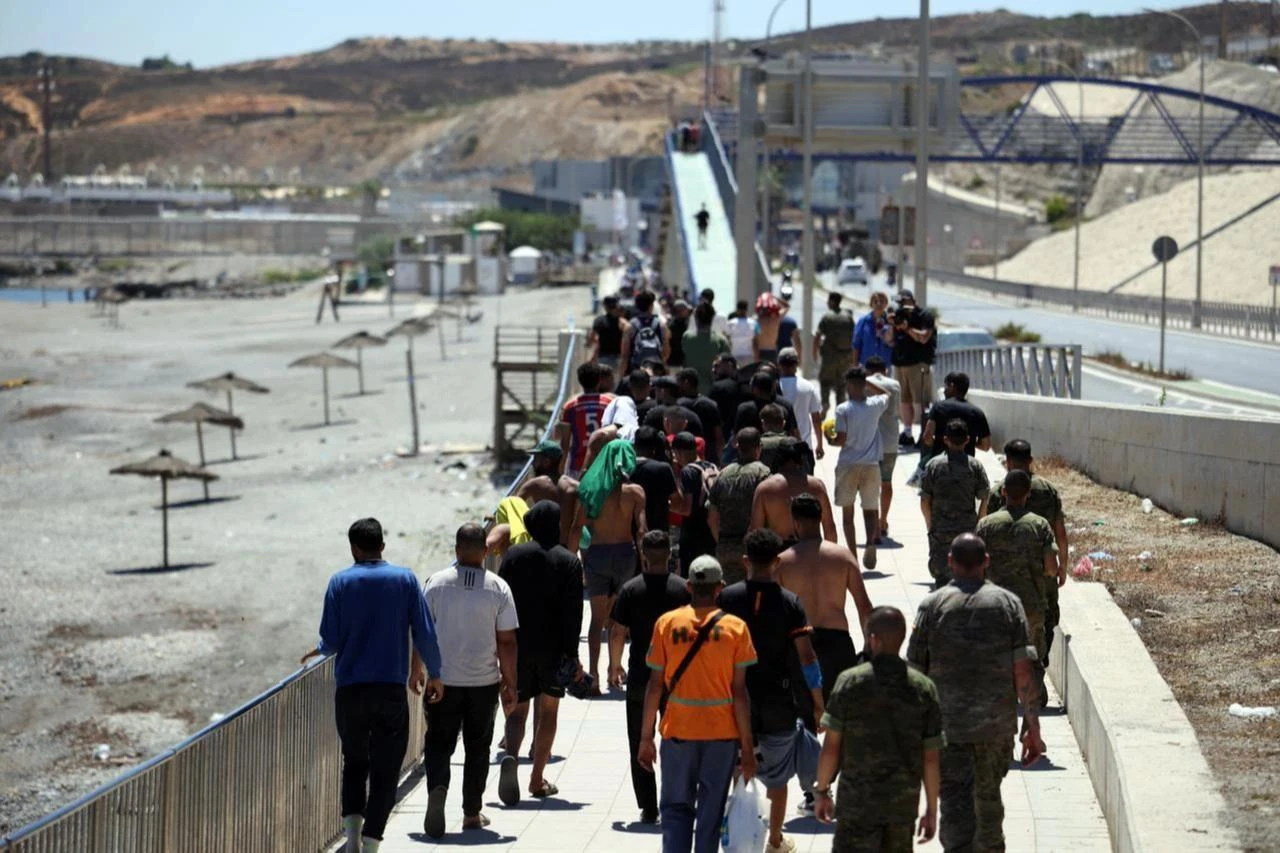


It is no longer rare to hear racist remarks directed against foreigners and African migrants in Europe, or in other Western countries, including the United States—a nation originally built on the reception of immigrants.
With the rise of the right and figures like Donald Trump leading the way, Western politicians are increasingly comfortable saying openly that they don't want foreigners.
What is stranger still is that this phenomenon is no longer confined to the wealthy countries of the North. Voices rejecting the “other” have begun to occupy significant space in the countries of the South themselves.
The contagion of xenophobia and hostility toward strangers has become something like an epidemic that has swept across the world, leaving almost no region untouched—including the African continent itself.
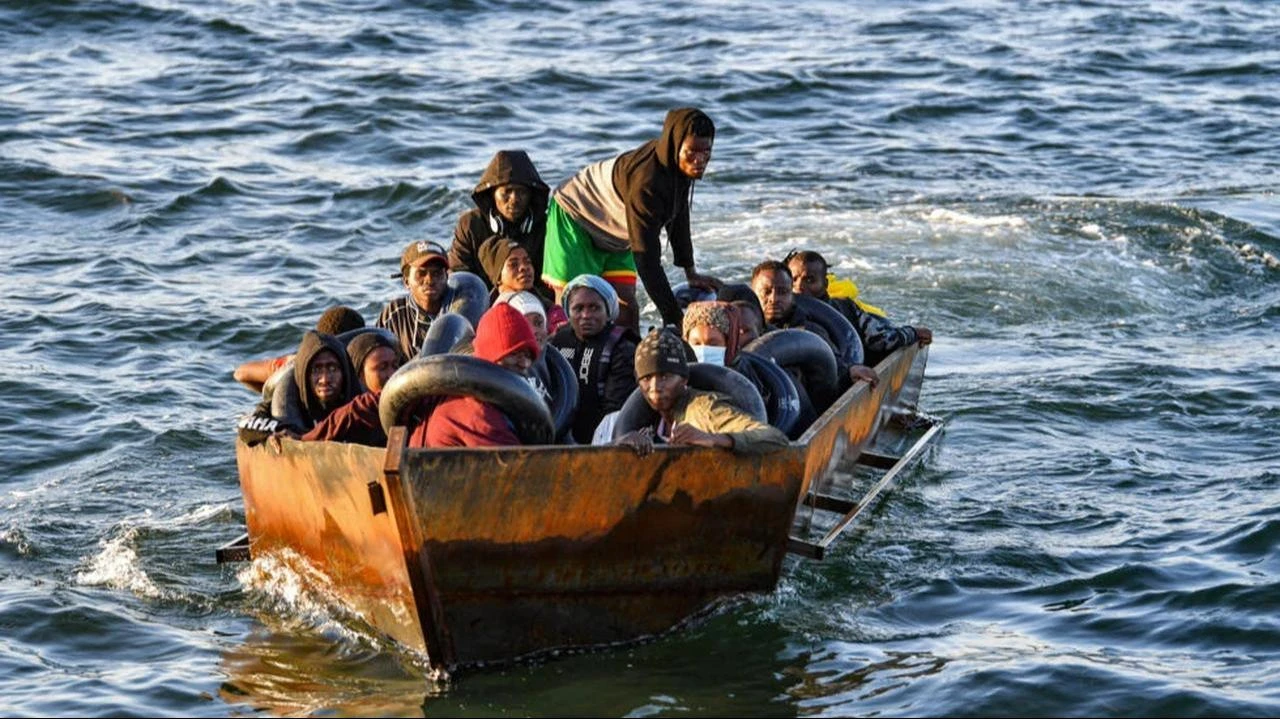
In most countries of North Africa, influencers and activists have begun to declare quite frankly that they do not welcome the arrival of refugees, even those who only wish to pass through temporarily on their way to Europe, and whose journey may be delayed for years.
In North Africa, those who reject outsiders often invoke the pretext of preserving national identity and express fears about the influence that foreigners bring.
The word “foreigners” is frequently used in this context—a polite and diplomatic term employed in a general sense, though in most cases it refers specifically to black Africans.
The impact on identity, differences in customs and cultures, security threats, alleged effects on the local economy and labor market, and exaggerated claims about demographic change—all of these are arguments repeatedly used in discussions by those seeking to justify their support for exclusionary policies.
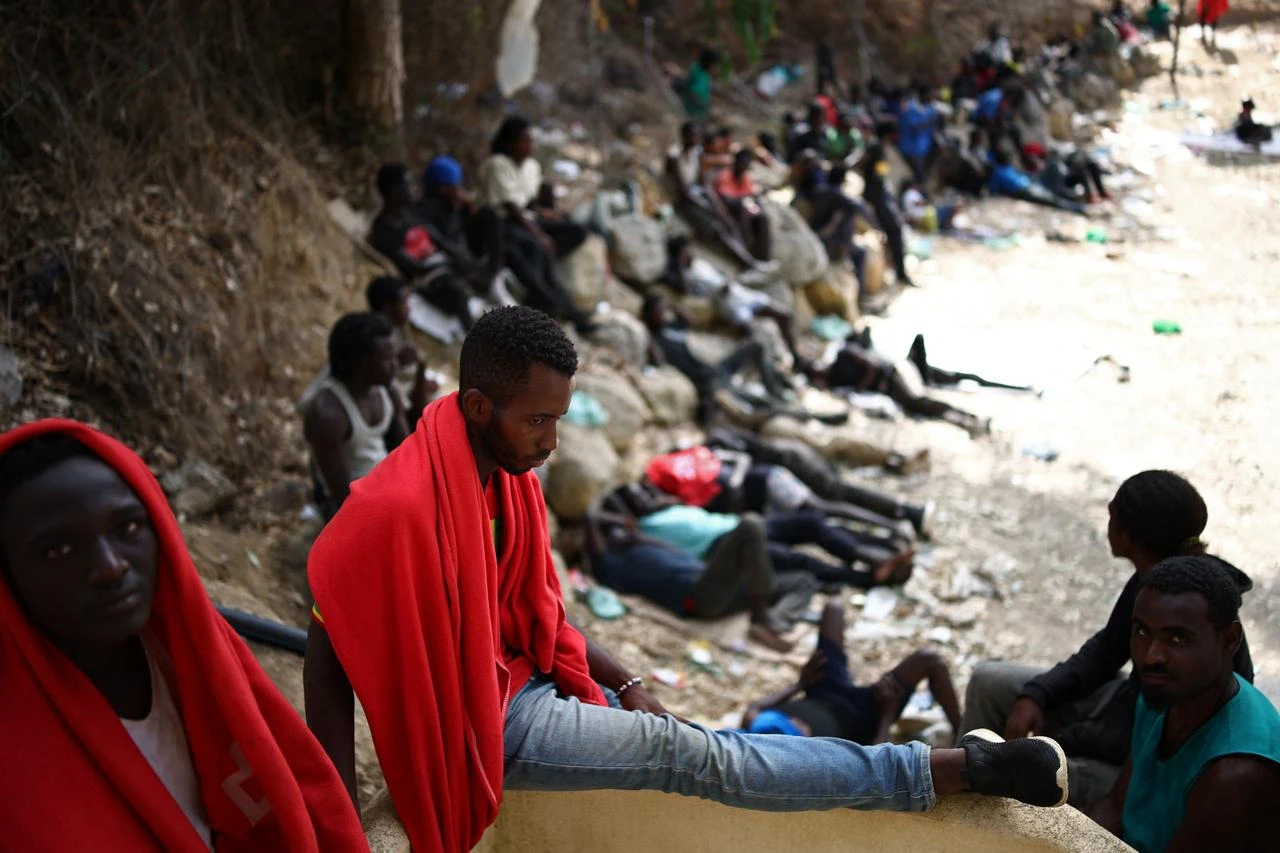

In sub-Saharan Africa, campaigns against African migrants take on a special significance. They serve as a reminder that the slogans once sung by many believers in what was known as African internationalism or “Pan-Africanism”—unity of origin, shared destiny, and African brotherhood—have become meaningless.
This understanding elevates our grasp of why African states quarrel, fragment, and prove unable to adopt firm, unified positions on most issues to another level.
The sole reason is not merely disagreements among African leaders or conflicting political interests. There is another reason: these peoples are not serious in their aspiration for unity, because large political and social strata within them view the achievement of such unity as a threat to their interests.
This has made the very idea of the “African Union,” which some once dreamed of turning into a project resembling the European Union, appear closer to a farce and little more than a club in which states conspire against one another.
In recent times, waves of hostility toward refugees and foreigners have intensified in more than one African country.
The most violent of these occurred in South Africa, where attacks on residents of African origin forced more than one hundred thousand people to flee.
Many of those expelled, who could do nothing but flee for their lives, were professionals, businesspeople, or long-term residents of the country. None of this protected them.
The scenes of the attacks, which resulted in numerous victims, were distressing. Images of pursuit and what local literature called the “hunting of foreigners” damaged South Africa’s image.
The country, once associated in people’s minds with being a platform of Pan-Africanism and historically linked to the legacy of Nelson Mandela and the struggle for equality and against apartheid, has now come to top international lists in the field of xenophobia.
The violence, arson, and destruction of property belonging to outsiders reported by the media contradicted the mental image we hold of a country regarded as one of Africa’s most developed and prosperous.
Certainly, this new turn of events did not please everyone, and many residents opposed what was happening. Yet the wave of racism and rejection was so strong that it became difficult to stand against it.
In another development, the transitional leader of Burkina Faso, Captain Ibrahim Traore, recently made statements that provoked strong reactions.
He criticized “Arabs” and those who study language and Islamic law in Arab countries, indirectly linking these studies to terrorism.
Because of tendencies toward “Blackness” and Africanism, many African countries are currently experiencing a moment of identity polarization that seeks to divide citizens into “natives” and “outsiders.”
In numerous countries, tribes and ethnic groups of Arab origin—or even those with a different skin color—are accused of not being African enough.
This paves the way for declaring war against them to eliminate or expel them, or, at the very least, stripping them of their property and denying them equal citizenship rights, even though some of these communities have lived in the region for centuries.
This visible polarization adds another layer of complexity and shows that the issue is no longer limited to rejecting the reception of African migrants from neighboring countries.
It has extended to the rejection of some citizens themselves because they are not “authentic” enough.
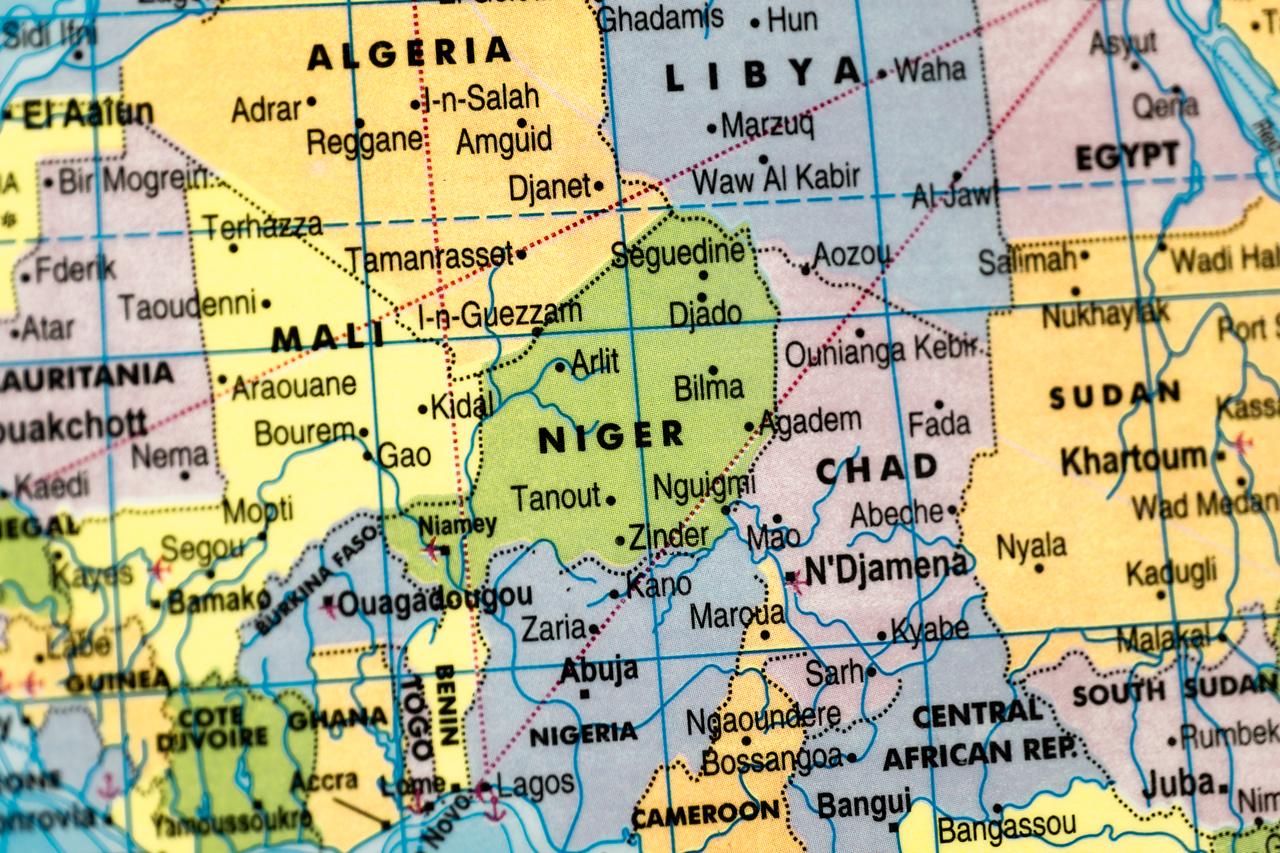
This was evident in Niger’s recent announcement of its intention to review documents and revoke the citizenship of groups belonging to the Mahamid tribes, which are shared across several countries.
In Sudan, the Mahamid, together with other tribes, form the hard core of the outlaw “Janjaweed” militia accused of committing atrocities and violations. This was reason enough for Niamey to justify its measures against them.
Because it is difficult to distinguish between the Mahamid of one country and another, or between those involved and those who took no part in the Sudanese carnage that has drawn tens of thousands of volunteers to fight according to the logic of tribal “solidarity” (faza‘), the easiest course was to expand the circle of suspicion.


 Set as preferred source
 Set as preferred source


 2 min read
 1 min read