Newsletters


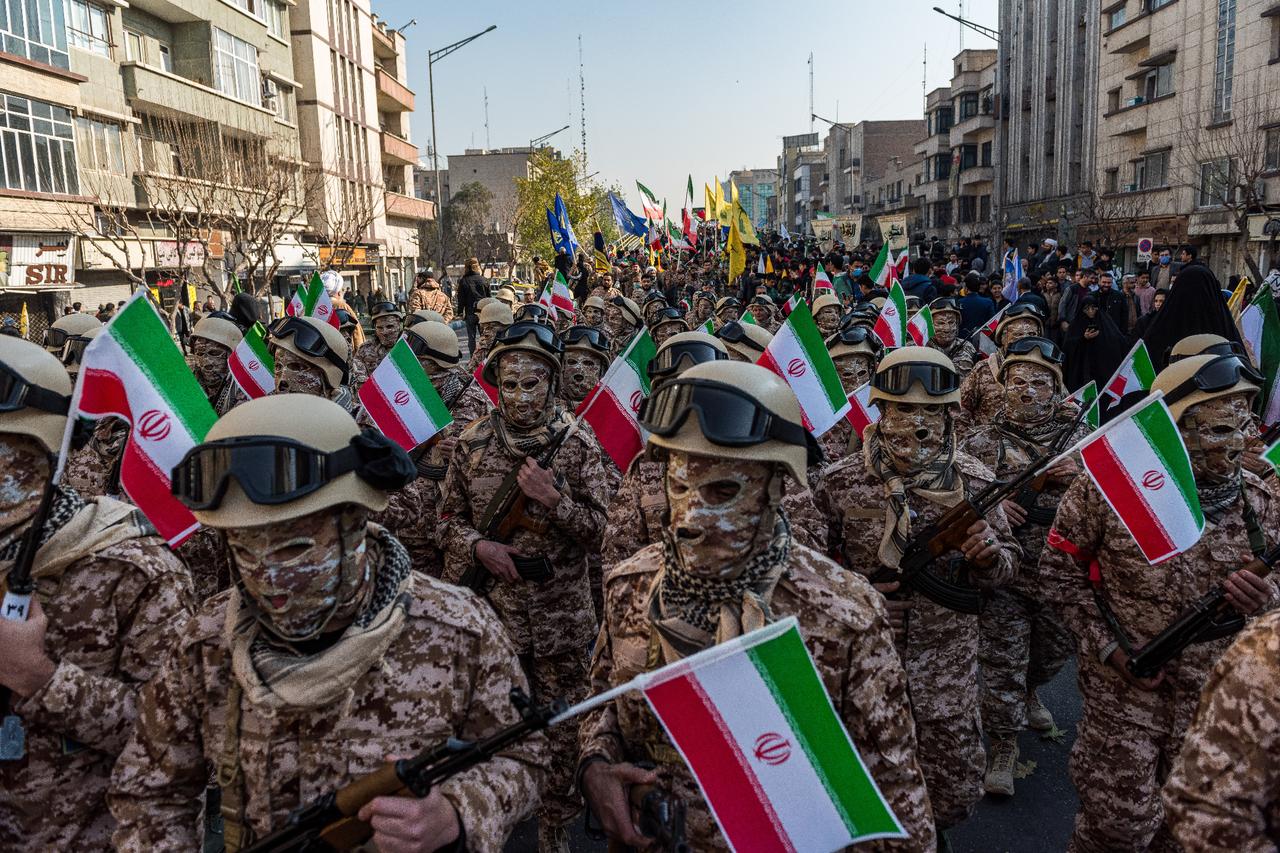


Many regional observers believed that Tehran would reassess its strategic posture after Iran’s swift defeat during the 12-day war with Israel in 2025.
The scale, speed, and asymmetry of that confrontation exposed deep vulnerabilities in Iran’s so-called “Forward Defense” deterrence model and underscored the limits of proxy-based warfare against a technologically superior adversary.
Logic suggested a period of introspection that would be interspersed with prioritizing internal cohesion, reducing regional friction and recalibrating foreign policy to avoid another potentially existential confrontation.
Instead, Iran has demonstrated a persistent inability, or unwillingness, to absorb the right lessons from defeat.
Rather than redirecting resources toward improving domestic conditions and addressing the growing socioeconomic pressures fueling internal unrest, the Iranian leadership has doubled down on its most destabilizing instincts.
Likewise, instead of curbing the proliferation of its armed sectarian regional proxies that have undermined neighboring countries and invited repeated retaliation, Tehran has sought to preserve or revive these networks.
Instead of strengthening relations with surrounding states to build strategic depth against Israel, Iran has undermined trust with precisely those countries that could have formed a buffer against regional isolation.
This pattern only becomes intelligible when viewed through the lens of the Supreme Leader’s long-standing strategic doctrine, which is survival through managed instability rather than legitimacy through investing in stability.
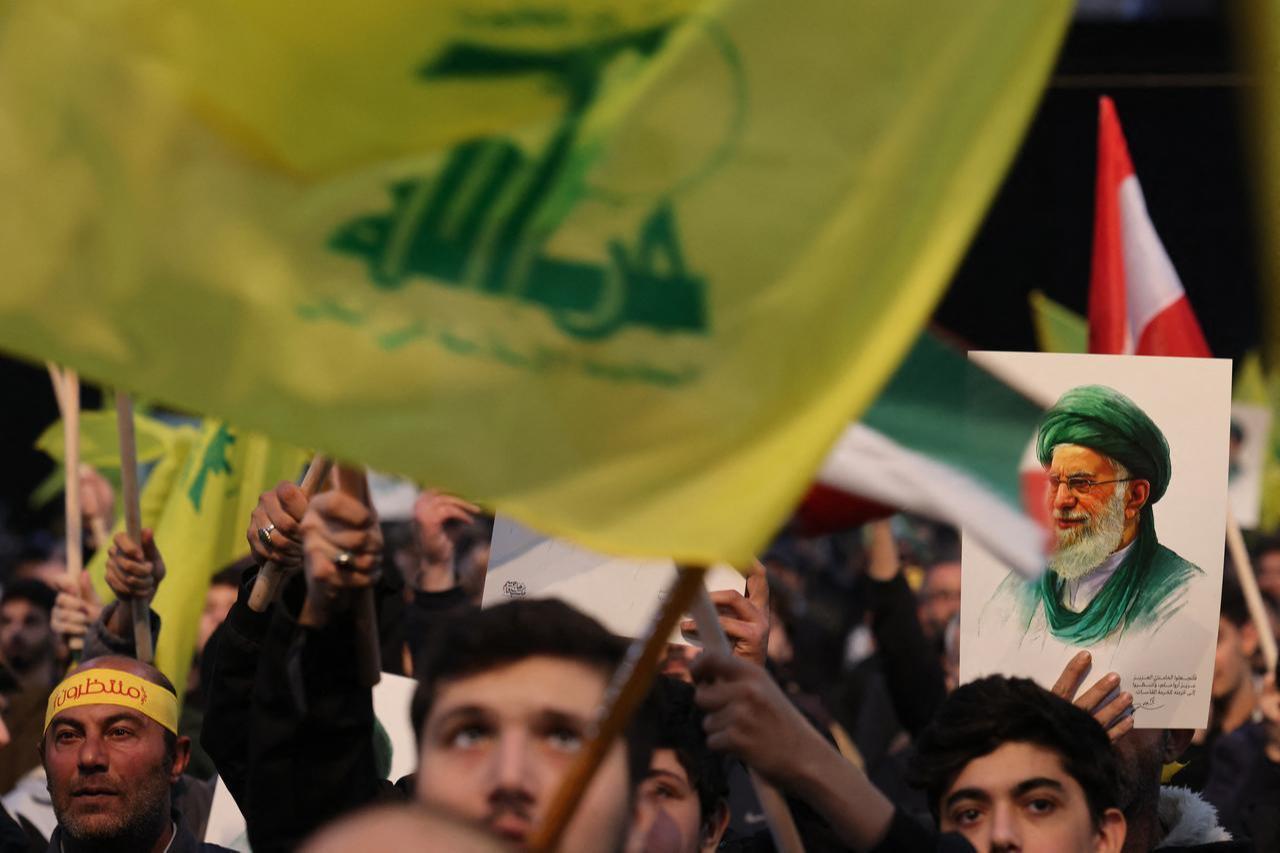

The attempt to revive Iran’s proxy ecosystem is visible in Lebanon, Iraq, and Yemen. Hezbollah, long portrayed by Tehran as its most successful regional investment, has become a case study in strategic futility.
After over four decades of armament, Hezbollah failed to protect Iran, Lebanon, its own constituency, or even its leaders and members.
Despite the near-daily targeting of its operatives in southern Lebanon and the severe damage inflicted on Lebanese state capacity, the armed militia continues to refuse integration into the political system as a normal actor.
Its insistence on retaining weapons—without a credible external deterrent logic—suggests preparation for internal coercion rather than national defense.
The renewed pledge of loyalty by Hezbollah’s Secretary-General, Naim Qassem, to Iran’s Supreme Leader amid mounting war risks further underscores that the group’s strategic calculus remains subordinated to Tehran’s priorities, regardless of the cost to Lebanon.
This behavior is not confined to Lebanon. Across the region, Iranian-backed militias have begun signaling readiness to escalate in anticipation of a possible U.S.–Iran confrontation.
In Yemen, the Houthis have openly hinted at resuming attacks on shipping in the Red Sea, threatening one of the world’s most critical maritime arteries.
In Iraq, Kataib Hezbollah has issued explicit warnings that any strike on Iran would trigger a “total war” across the region.
These signals appear designed to restore a sense of deterrence by demonstrating Iran’s ability to ignite multiple theaters simultaneously. Yet they also reinforce the very perceptions that have driven Washington and regional actors to view Iran as an inherently destabilizing force.
Currently, Iraq remains the most consequential arena of Iran’s strategic miscalculation.
Tehran’s deep entrenchment within Iraq’s security and political structures—through sectarian militias and allied parties—has hollowed out the Iraqi state while tying Iran’s fortunes to deeply problematic actors.
The most damaging manifestation of this approach is Iran’s sponsorship of the return of Nouri al-Maliki, widely regarded as the most corrupt and divisive figure in Iraq’s modern history.
Al-Maliki’s previous tenure was marked by systemic corruption on an extraordinary scale—$500 billion stolen under his rule, the institutionalization of sectarian death squads, and policies that directly facilitated the rise of Daesh.
His actions destabilized not only Iraq but also Syria and the wider region, dramatically escalating sectarian polarization and poisoning relations with Arab Gulf states and Türkiye alike.
By reinvesting in such a figure, Iran signals not merely poor judgment but strategic contempt for regional memory and consequence.
Iran's new gamble in Iraq can be interpreted as a desperate attempt to draw Baghdad into its conflict with the United States, using it as a launchpad for destabilizing actions on Iran's behalf.
Perhaps most revealing is Iran’s conduct toward states actively attempting to prevent a new war.
At a moment when regional powers are urging Washington to de-escalate, Tehran has reportedly expanded intelligence operations inside those very countries.
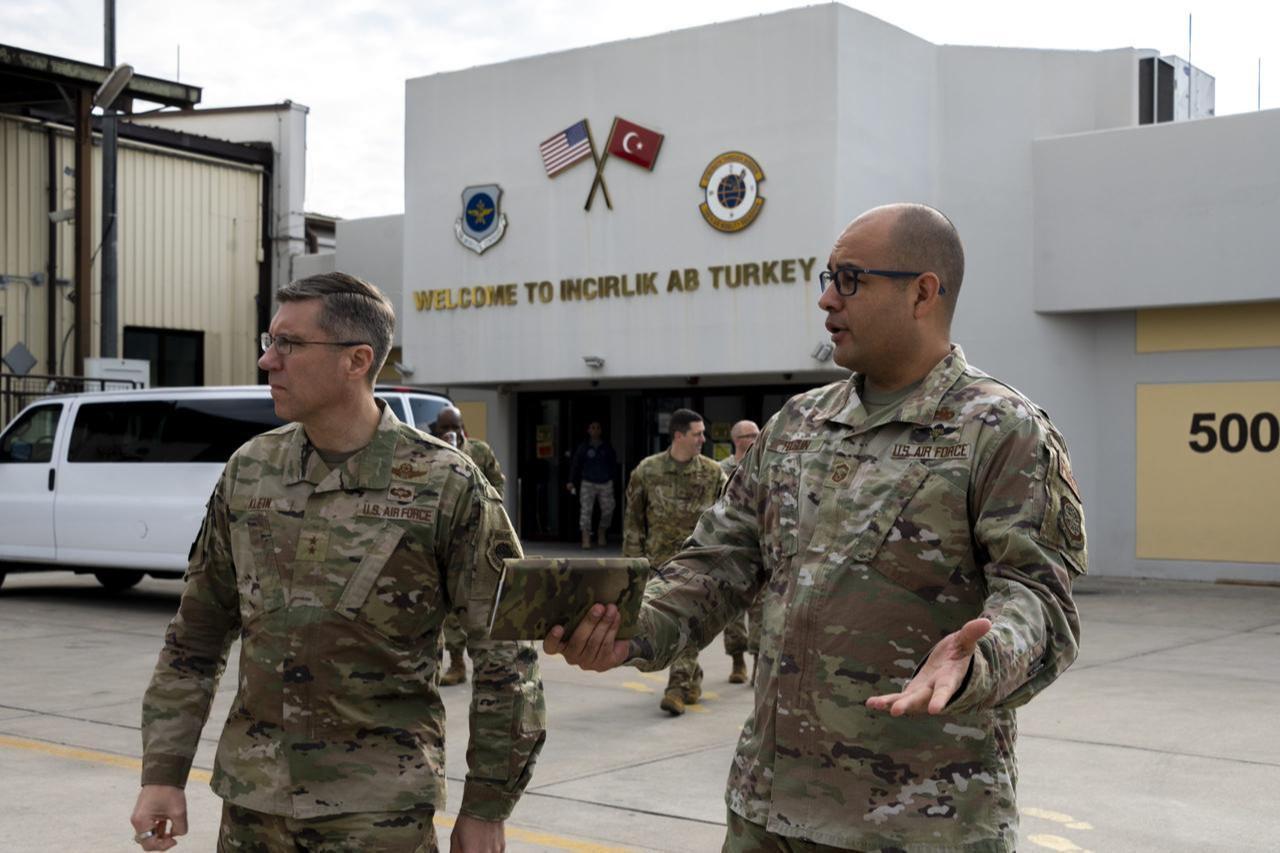
On Jan. 28, 2026, Turkish intelligence uncovered and dismantled an Iranian-run espionage cell focused on gathering sensitive military information and spying on important sites in Türkiye, like the Incirlik Air Base.
This development highlights a serious contradiction in Iran's strategy.
The fact that these activities took place while Türkiye was trying to mediate and protect Iran from U.S. military action reveals either a lack of coordination within the Iranian government, highlighting a mafia-style system, or a dangerous belief that their underhanded actions will not have consequences.
This incident exposes the darker side of the Iranian regime and explains why no regional country trusts it.
Taken together, these patterns point to a regime that remains trapped in an outdated, primitive paradigm.
Iran continues to equate influence with disruption, deterrence with proxy violence, and survival with perpetual confrontation.
This approach may have delivered tactical gains in earlier phases of regional fragmentation, but it is increasingly counterproductive in a region where key powers are seeking stability, economic recovery, and reduced dependence on external security patrons.
Worse, it systematically alienates potential partners while validating the arguments of those advocating military solutions to the Iran problem.
The greater danger lies not only in what Iran is doing to itself but also in what it is doing to the region.
By refusing to grasp the lessons of its recent defeat, Tehran is increasing the probability of a far more destructive confrontation, one that would not be limited to Iran’s borders and would inflict catastrophic costs on societies already exhausted by conflict.
Strategic learning after defeat is often the difference between recovery and collapse. Iran’s leadership, by clinging to an old game that no longer works, risks ensuring that the next lesson will be imposed not through reflection, but through force—with consequences that neither Iran nor the region can afford.
Accordingly, for regional countries to assist Iran in avoiding the next war, Iran must first take steps to help itself. One unconventional approach could involve the Iranian regime facilitating a transition by convincing the Supreme Leader, Khamenei, to take the initiative and step aside using justifications related to illness, health issues, or age.
This change could significantly benefit Iran by shifting internal politics toward reform and encouraging regional countries to invest more effort in persuading the U.S. to avoid conflict with Iran.
Such a strategy would be far more influential and effective than reviving Iran’s proxies, dragging the region into conflict, or pursuing a destructive confrontation with the U.S. or Israel.


 Set as preferred source
 Set as preferred source



 4 min read