Newsletters




Nobody really thinks about the pipes as long as the water is running. Europe's energy supply functions the same way, and a surprising amount of plumbing goes through two countries: Türkiye and Georgia.
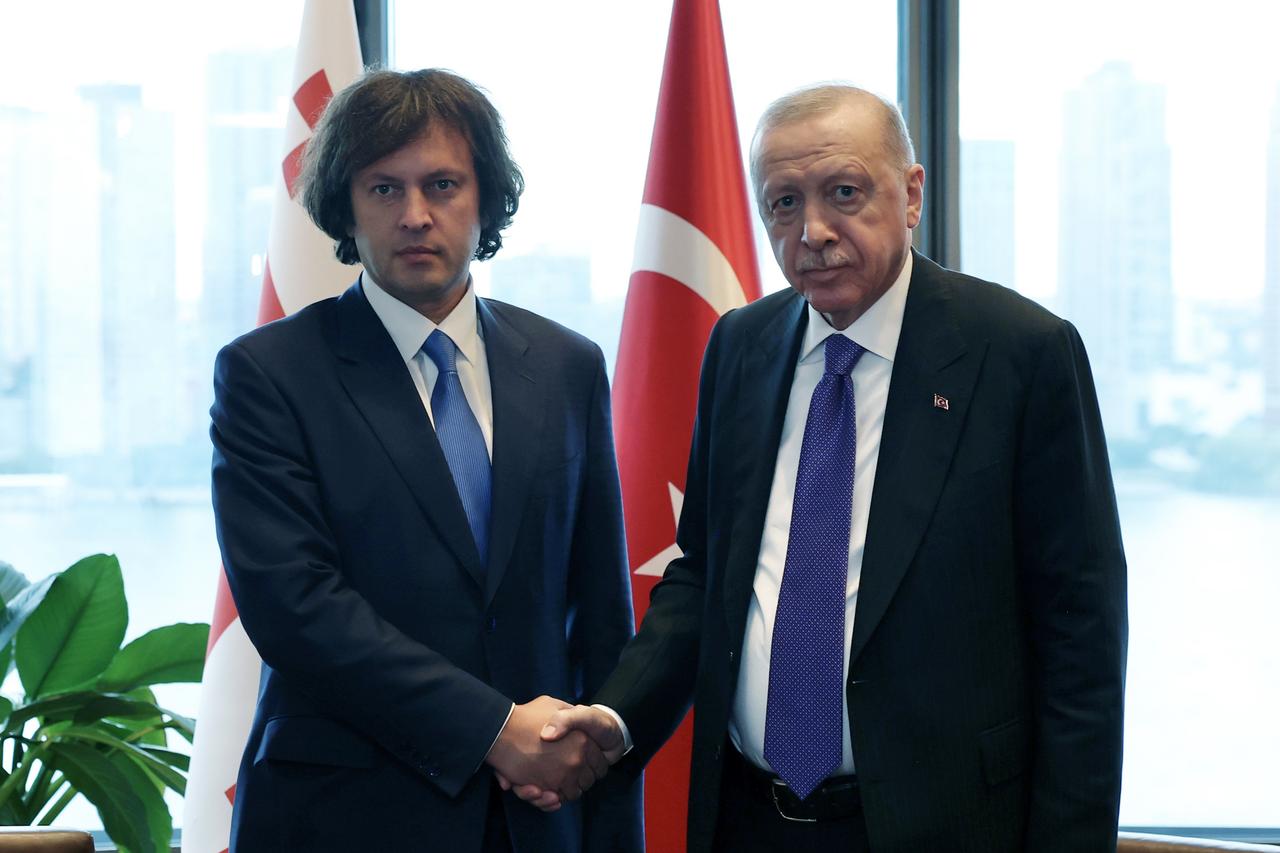
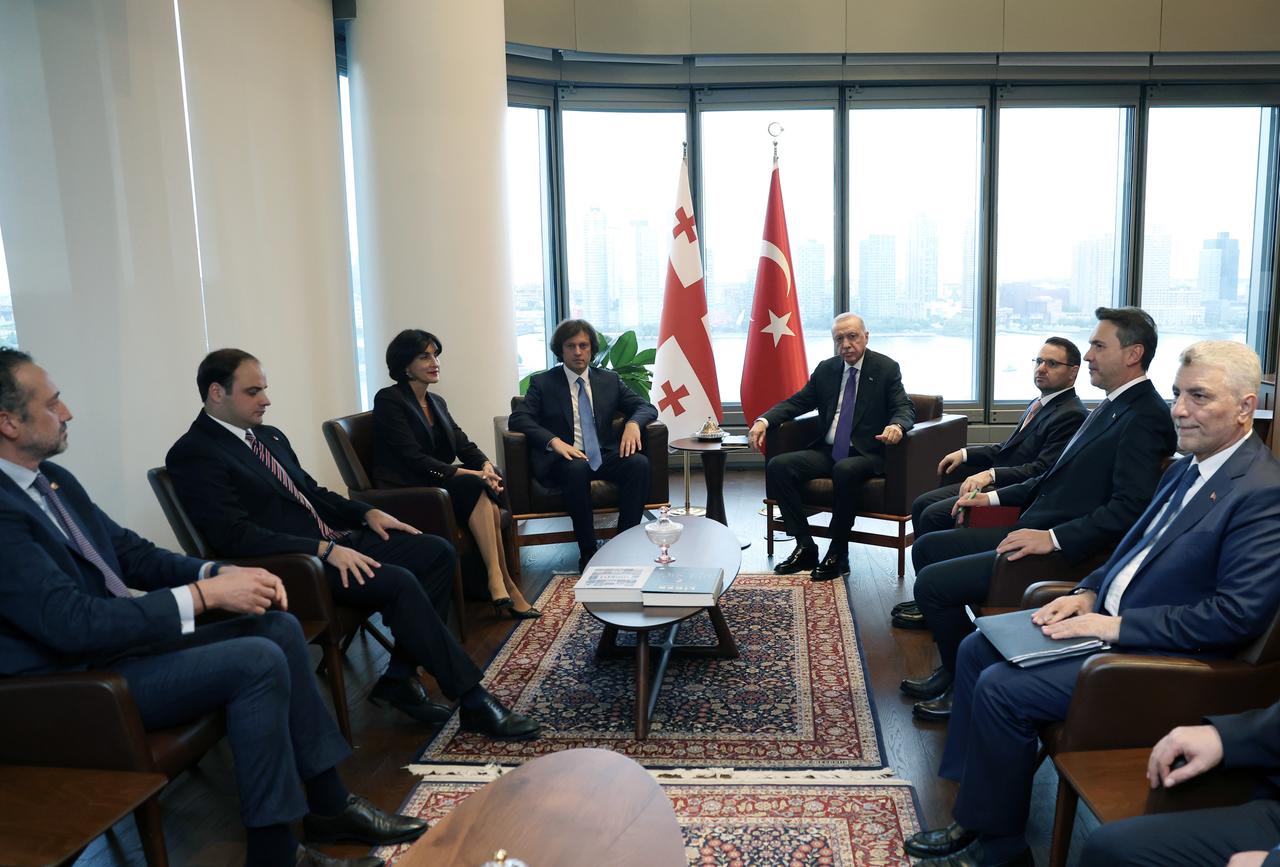
Last week they sat down for a closed-door meeting in New York to talk about keeping the taps on. For Georgian Prime Minister Irakli Kobakhidze, the sit-down with President Recep Tayyip Erdogan was among the most important stops on his U.N. General Assembly calendar, and it's easy to see why.
In a 2024 meeting between the two leaders, Kobakhidze put it bluntly: "Türkiye is the number one trading partner for Georgia." Trade between the two countries topped $3 billion in 2025, but the relationship goes much deeper than the ledger.
Together, the two next-door neighbors quietly form the backbone of the region's energy security, a role that has only grown more important since the Russia-Ukraine war.
The two countries maintain a strong bilateral relationship based upon their mutual interests. Ankara views a stable and economically connected Georgia as vital for linking European energy markets with Central Asian producers, and Tbilisi relies on its partnerships with Türkiye to anchor itself to Western trade networks and maintain its own independent presence in a region frequently overshadowed by Russia.

The 2022 Russia-Ukraine war has redrawn the map of the Black Sea and the South Caucasus, and in the process turned Türkiye and Georgia into pillars of regional stability.
Their location, their careful balancing act between Russia and the West, and their grip on key transit routes give both countries outsized sway over Europe's energy supply and trade.
Türkiye is a NATO member with the alliance's second-largest army after the U.S. Yet it also keeps warm ties with Moscow, and it has used both relationships to play the go-between, brokering the Black Sea Grain Initiative and prisoner swaps between Russia and Ukraine.
Türkiye maintains its own policy of strategic autonomy even as it seeks to use its political and economic clout to help cool military and diplomatic tensions between NATO and Russia.
The transit infrastructure is central to both countries. Before the war, much of the overland trade between Asia and Western Europe ran through Russia.
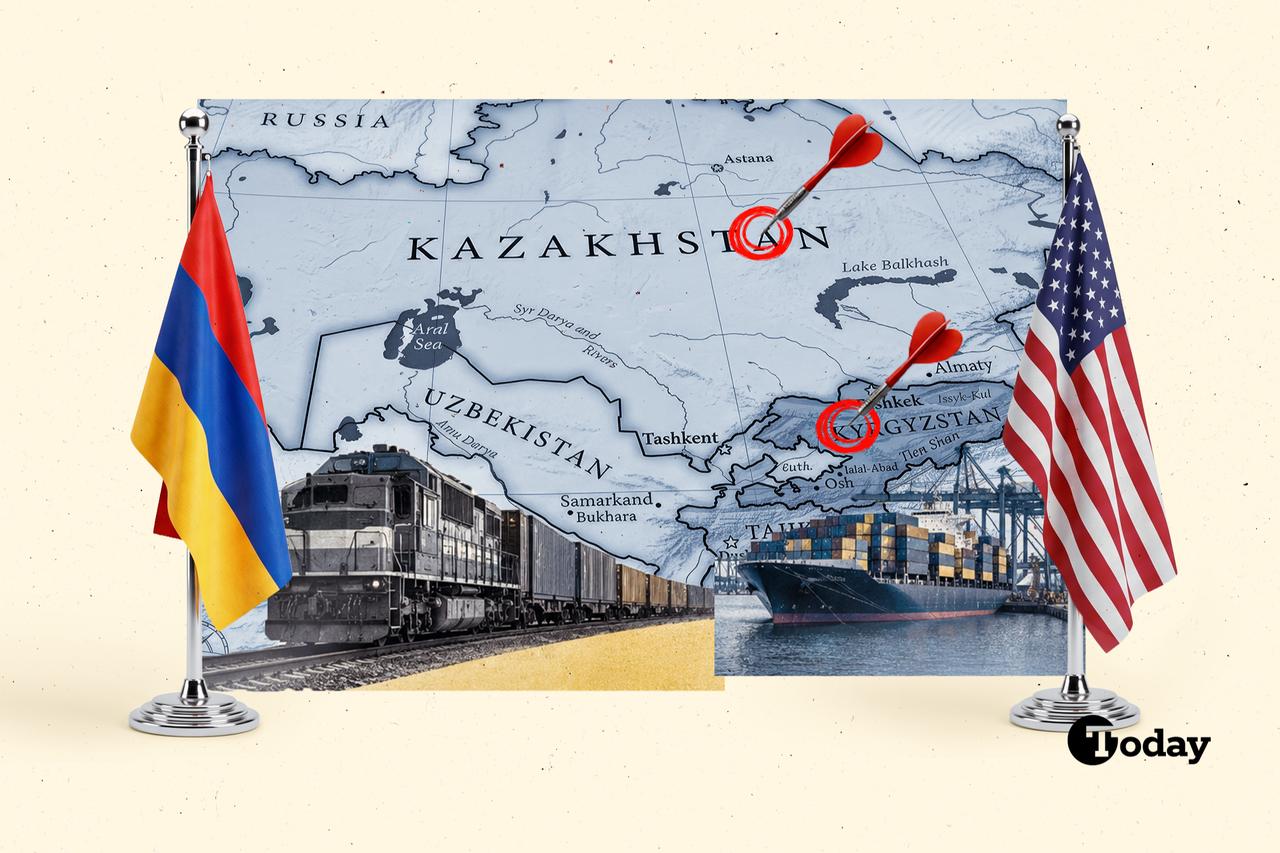
EU sanctions choked off the flow of goods and energy through Russia, and Georgia became the primary land bridge, via the “Middle Corridor,” connecting the Caspian Sea area and Central Asia directly to Türkiye and European markets.
This Middle Corridor has only become more important since Israeli and American attacks on Iran made the routes through it riskier, making Ankara and Tbilisi critical, reliable international transit partners for goods and energy.
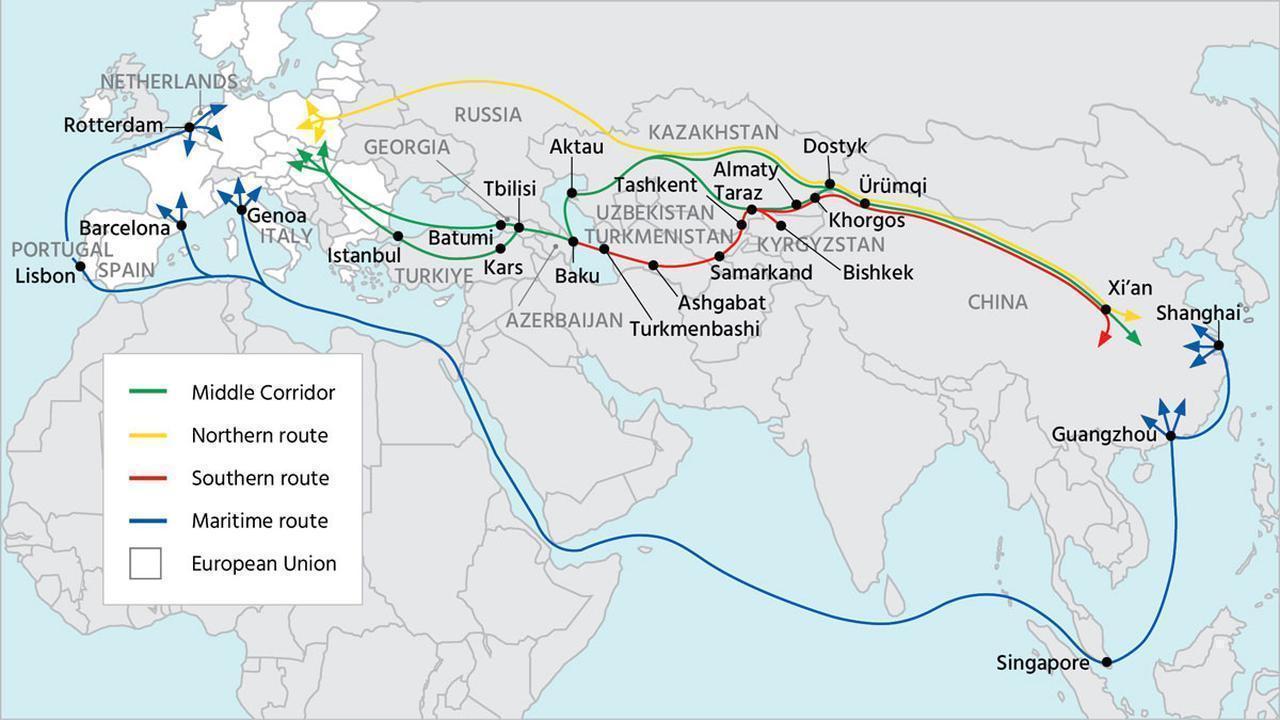
The Middle Corridor, officially known as the Trans-Caspian International Transport Route (TITR), is a trade and transit network connecting East Asia to Western Europe by bypassing both Russia and traditional maritime choke points like the Suez Canal.
This is now especially important given the recent conflict between Saudi Arabia and the Houthis in Yemen.
Starting in China, manufactured goods and commodities move through Central Asia—mainly through Kazakhstan—across the Caspian Sea, through the South Caucasus nations of Azerbaijan and Georgia, and into Türkiye before reaching European markets via land or sea.
On the energy side, the corridor is mostly a gas route. The Southern Gas Corridor strings together three linked pipelines, the South Caucasus Pipeline, the Trans-Anatolian Pipeline, and the Trans-Adriatic Pipeline, connecting gas supplies through Türkiye to Greece and beyond.
Hydrocarbons from the Caspian Sea pass through Georgian territory before entering Türkiye’s own national pipeline grid. This shared transit responsibility makes both nations essential to Europe’s regional energy diversification efforts.
Moreover, the corridor has naturally fostered a shared administrative network connecting Türkiye and Georgia, and Azerbaijan as well, encouraging regular trilateral summits on cross-border issues such as customs, the easy and efficient movement of people (Turks actually have the right to visa-free travel to Georgia for up to one year, and can use their national identity cards to visit), and wider regional security and law-enforcement cooperation.
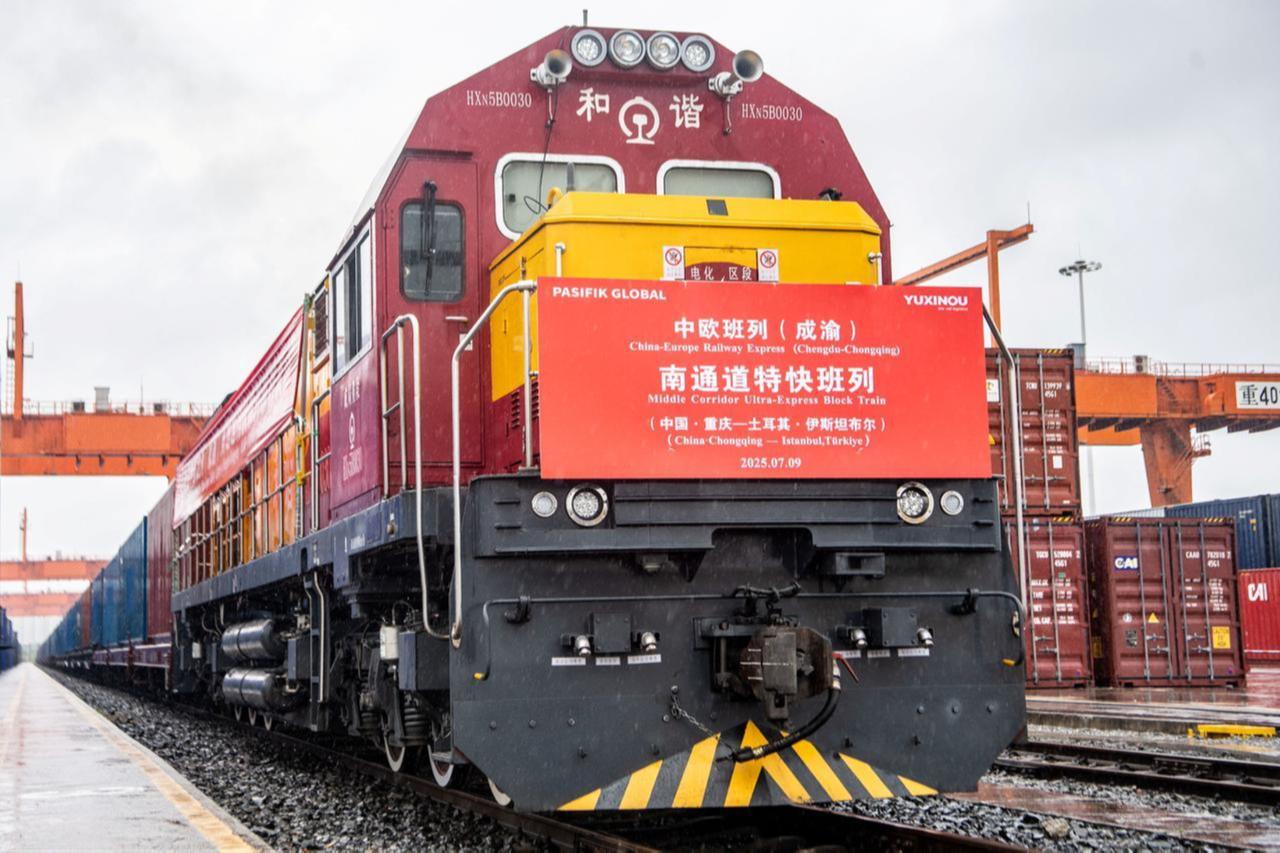
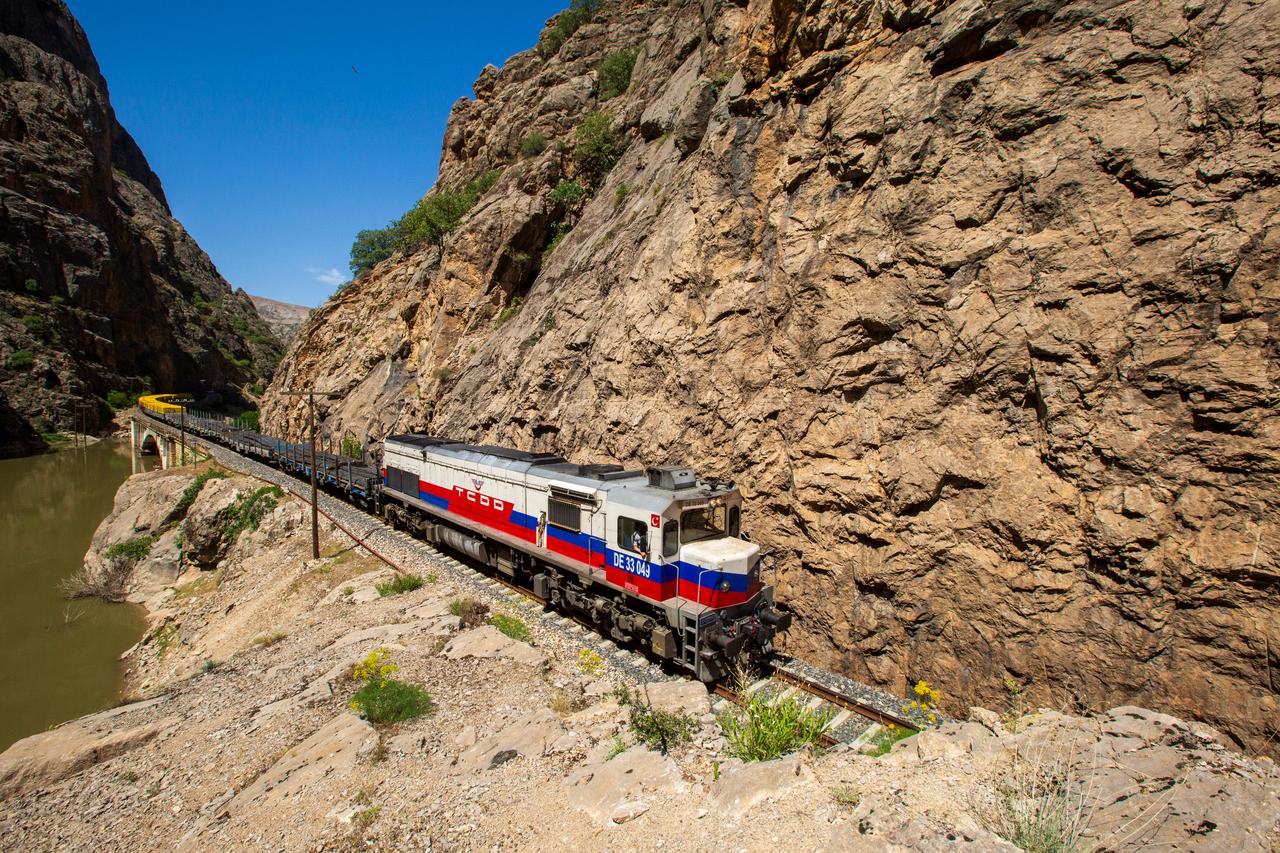
Then there's the rail line. The Baku-Tbilisi-Kars Railway, opened in October 2017, stretches 826 kilometers to link Azerbaijan, Georgia, and Türkiye, giving freight an all-land route from the Caspian Sea toward Europe without touching Russia.
The benefits for Georgia are clear. It secures steady revenue through port operations, logistics handling and rail tariffs, raising it from a small regional economy to an essential transit hub handling business between some of the world’s largest markets.
Türkiye is therefore placed as the primary western terminal for Central Asian and Caucasian exports heading into the European Union.
 1 min read
Pipelines and rail lines don't make for gripping headlines. They rarely make headlines at all.
Yet geography, combined with sensible and mutually beneficial management, has given Türkiye and Georgia a serious hand in the wider political and economic game.
As regional politics continue to shift and reconfigure in increasingly dramatic ways, this backbone of reliable supply transit helps keep the lights on across Europe.


 Set as preferred source
 Set as preferred source


 1 min read