Newsletters


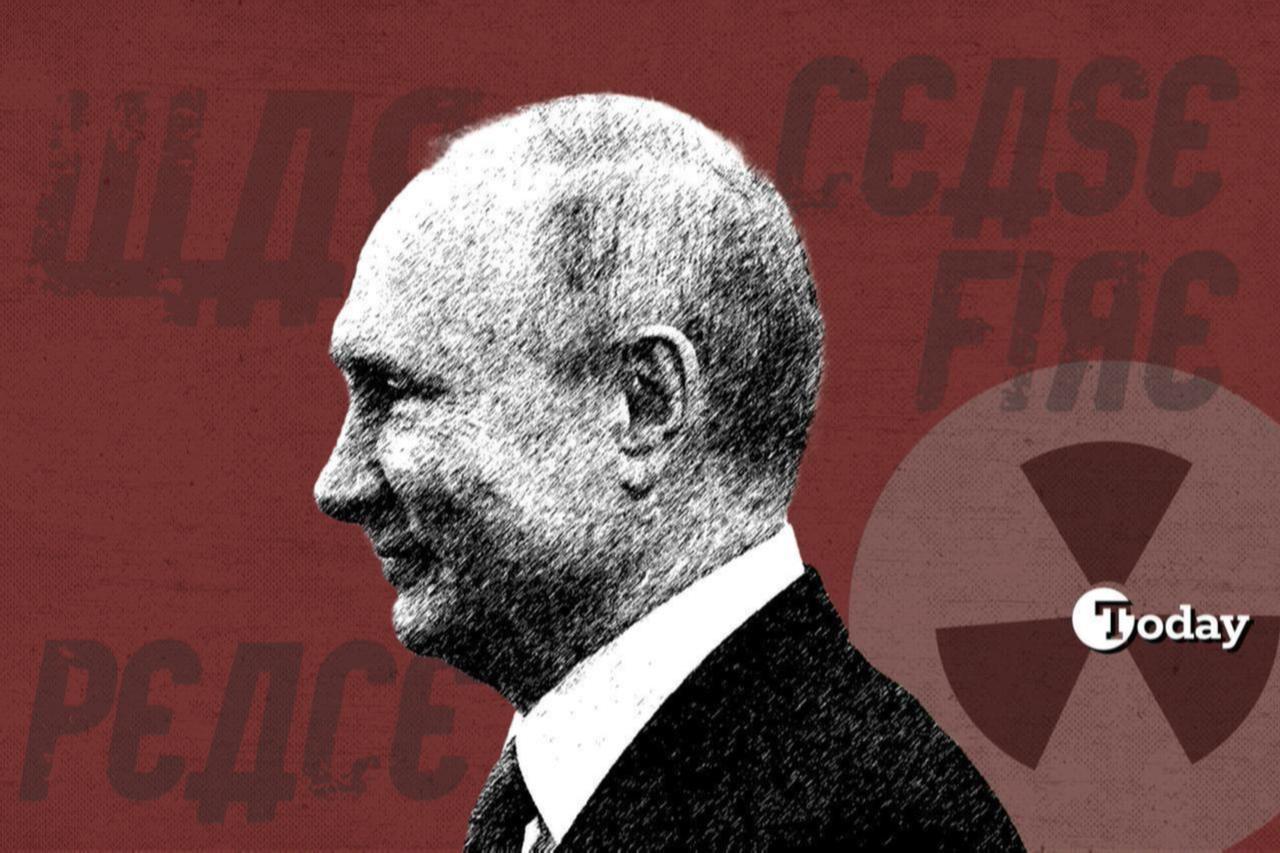


On Feb. 5, Hungary held a ceremonial pouring of the first concrete for Reactor No. 5 of the Paks-II Nuclear Power Plant, an event that IAEA Director General Rafael Grossi called “a great day for Russia,” despite internal Rosatom reports noting signs of excavation damage.
These include cracks, a smell of hydrogen sulfide, and dangerous chemical processes linked to the formation of expansive cement hydration products that could compromise the material’s structural integrity. Given these issues, the project is shifting from an energy facility into a cross-border threat, one that endangers the safety of all of Central Europe and sets the stage for a potential disaster on the scale of Chernobyl or Fukushima.
The ceremonial pouring took place despite internal reports from Rosatom experts indicating the presence of cracks, ochre-colored deposits and a persistent smell of hydrogen sulfide in the foundation pit. Instead of halting construction to stabilize the ground, Russian contractors have continued building, even though the foundation is already showing signs of structural failure, a clear and unprecedented violation of engineering standards.
The problems at Paks-II are not isolated, but rather part of a broader pattern of systemic negligence by Rosatom. The experience of the Belarusian Nuclear Power Plant in 2024–2025, which faced fuel assembly leaks and defects in its main circulation pipeline, shows that Russian nuclear projects are routinely built in violation of nuclear safety norms. These issues stem from the practices of Rosatom’s subsidiaries, such as Atomstroyexport, which have demonstrated poor organization and execution of nuclear infrastructure work.
Independent expert assessments point to the inevitable formation of secondary ettringite at the reactor base, a specific product of cement hydration that expands when interacting with sulfates in filtration water. Informally, Rosatom engineers admit that within 10–20 years, the concrete structures of the nuclear plant will suffer critical deformations. This means that by that time, the facility will become structurally unstable, posing the risk of a large-scale accident due to the loss of containment integrity (the protective barrier of the reactor).
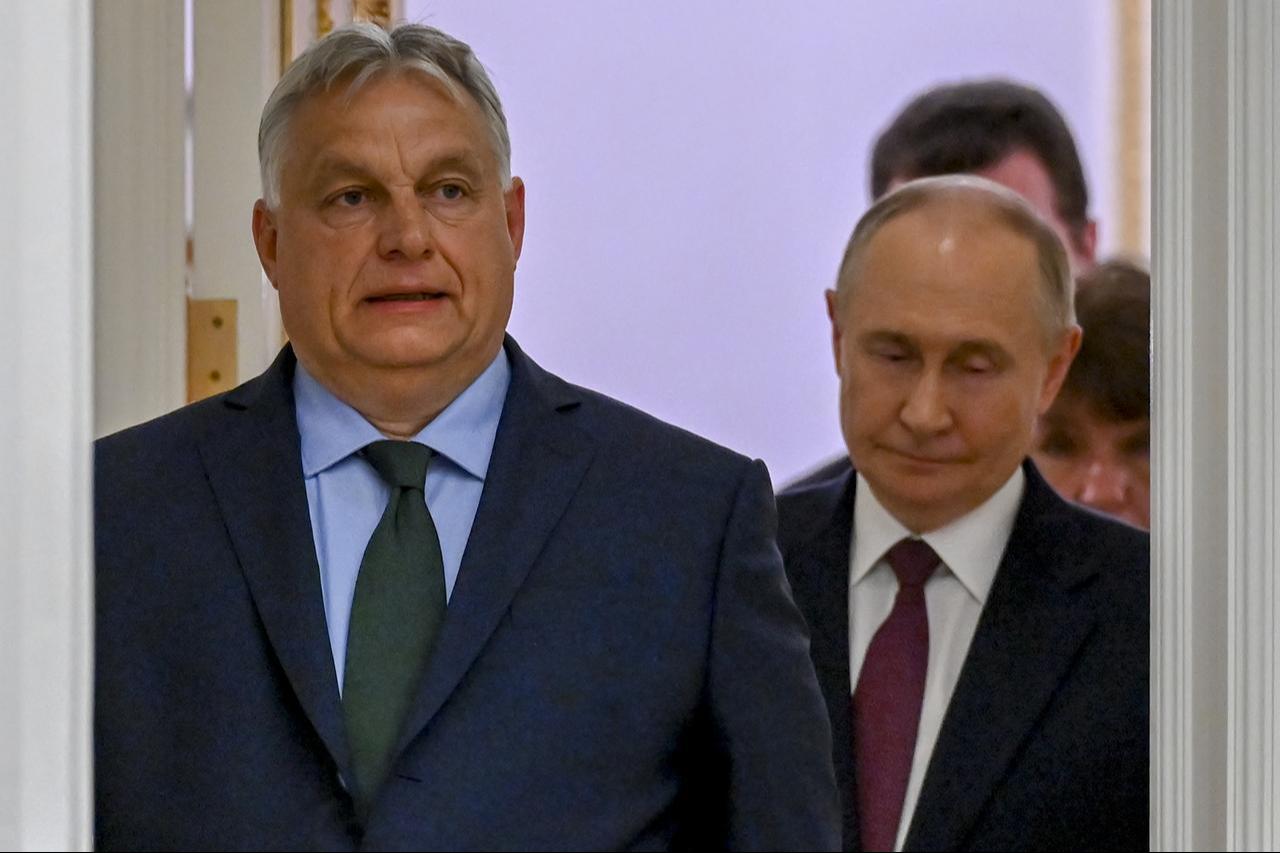

In the event of an accident at Paks-II caused by the defects being embedded today, the consequences will be felt across Europe. Contaminated air and water could reach Poland, Slovakia, Czechia, Croatia, Slovenia, Serbia, Italy, Austria, Germany, Romania, Ukraine, the Baltic Sea, the Alpine region, and even the Mediterranean. Central Europe risks becoming a zone of technological disaster, with millions of people potentially forced to abandon their homes due to Rosatom's negligence and Viktor Orbán’s corruption.
A potential accident at Paks-II would lead to contamination of Poland’s agricultural land, the shutdown of industry in Germany, and the collapse of tourism in the Balkans. The cost of mitigating such a disaster, which would fall on European taxpayers, could reach trillions of euros.
One corrupt project by Orban risks triggering a long-term depression and social crisis across the region.
The Paks-II project serves as a tool of long-term Kremlin influence over the EU. Instead of investing in energy efficiency or renewable sources, Hungary is voluntarily entering into a 60-year dependency on Russian fuel, servicing, and credit. This makes Budapest a hostage of the Rosatom corporation, whose operational standards directly endanger Europe’s nuclear safety.
The praise from IAEA Director General Rafael Grossi toward Rosatom appears to be an attempt to turn a blind eye to obvious threats. By calling the day of pouring defective concrete “a great day for Russia,” international institutions risk legitimizing danger.
The European community must demand an end to the policy of double standards; nuclear safety must not be subject to political compromise, especially when the threat involves turning Central Europe into a new exclusion zone.


 Set as preferred source
 Set as preferred source



 7 min read