Newsletters




Gather ’round the cauldron of charade, where the International Olympic Committee reminds us yet again: if you want humans to engage in feats of physical excellence with maximal dignity and minimal common sense, there is really no better place than a 2026 Winter Games press release.
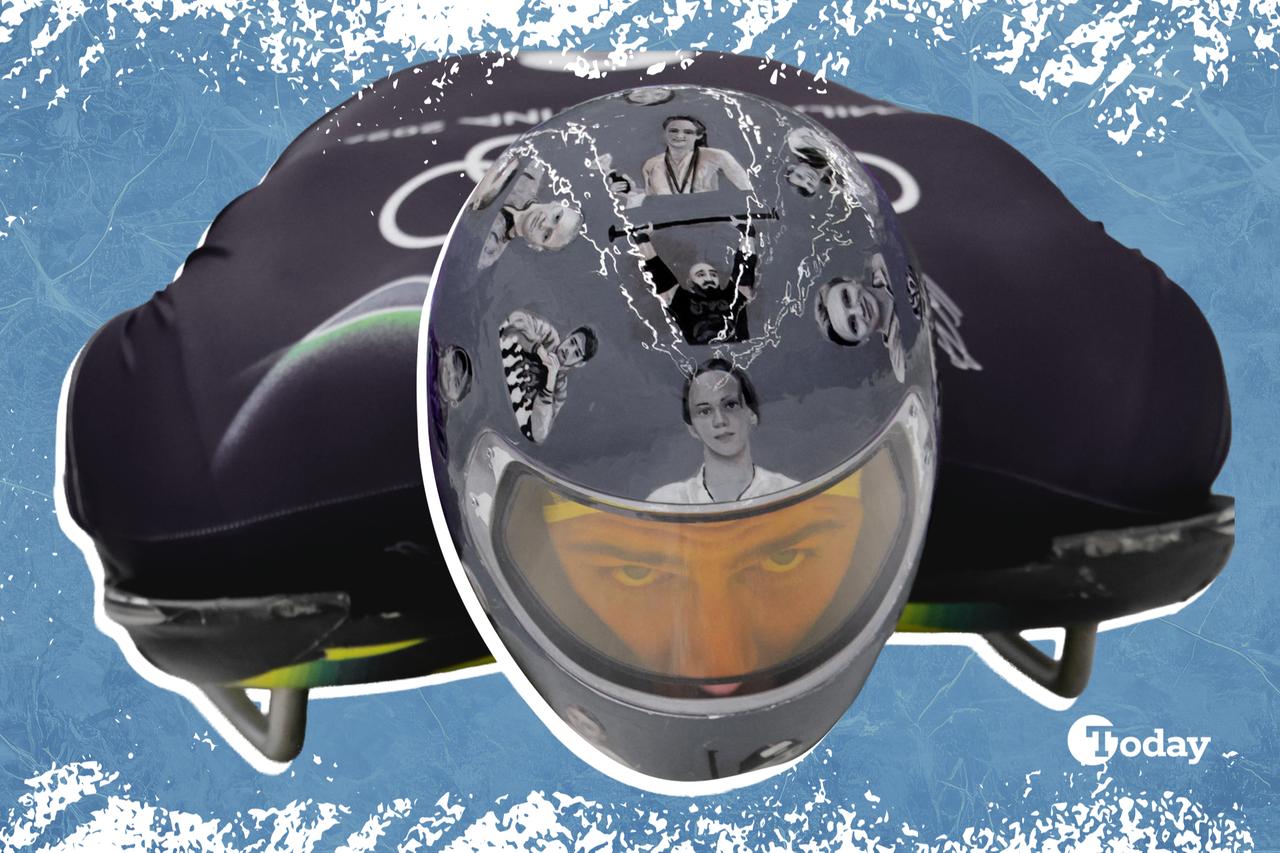
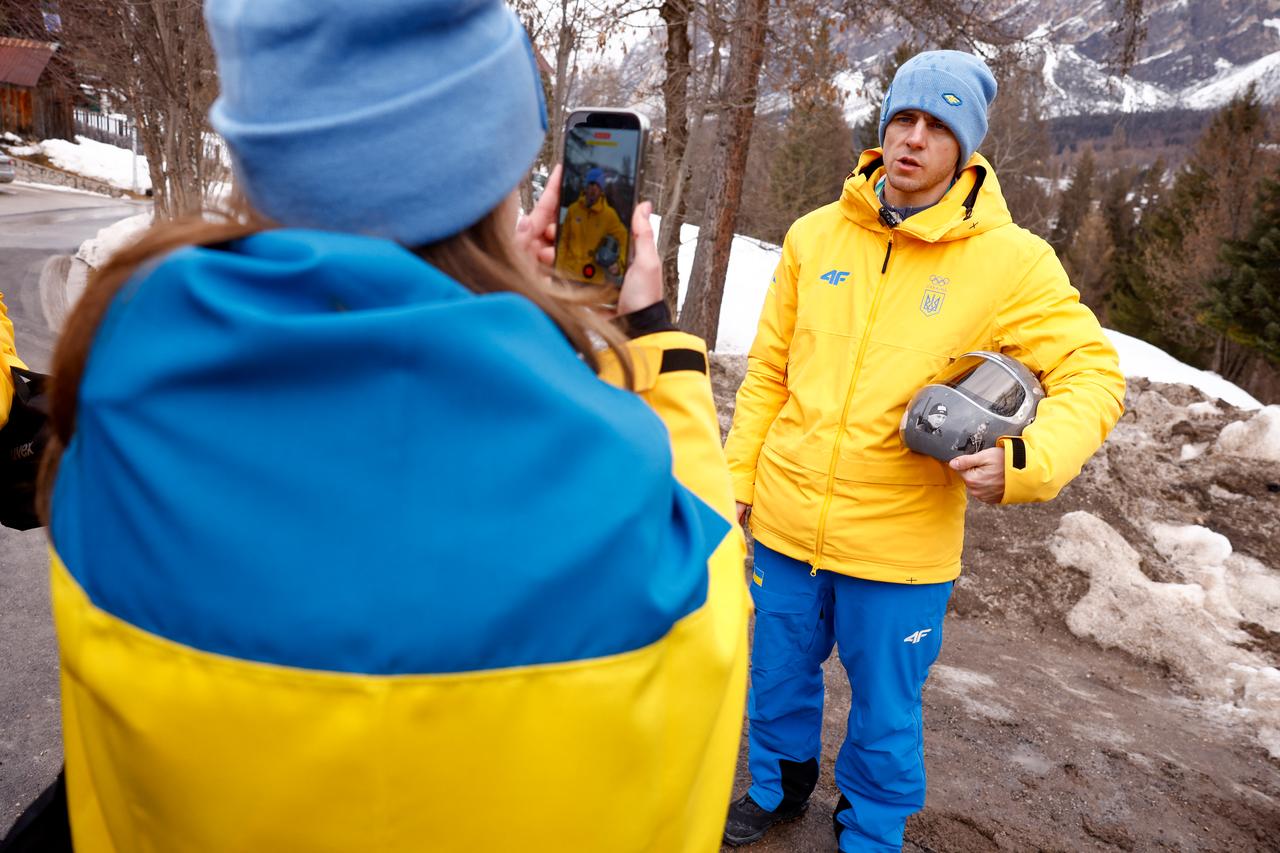
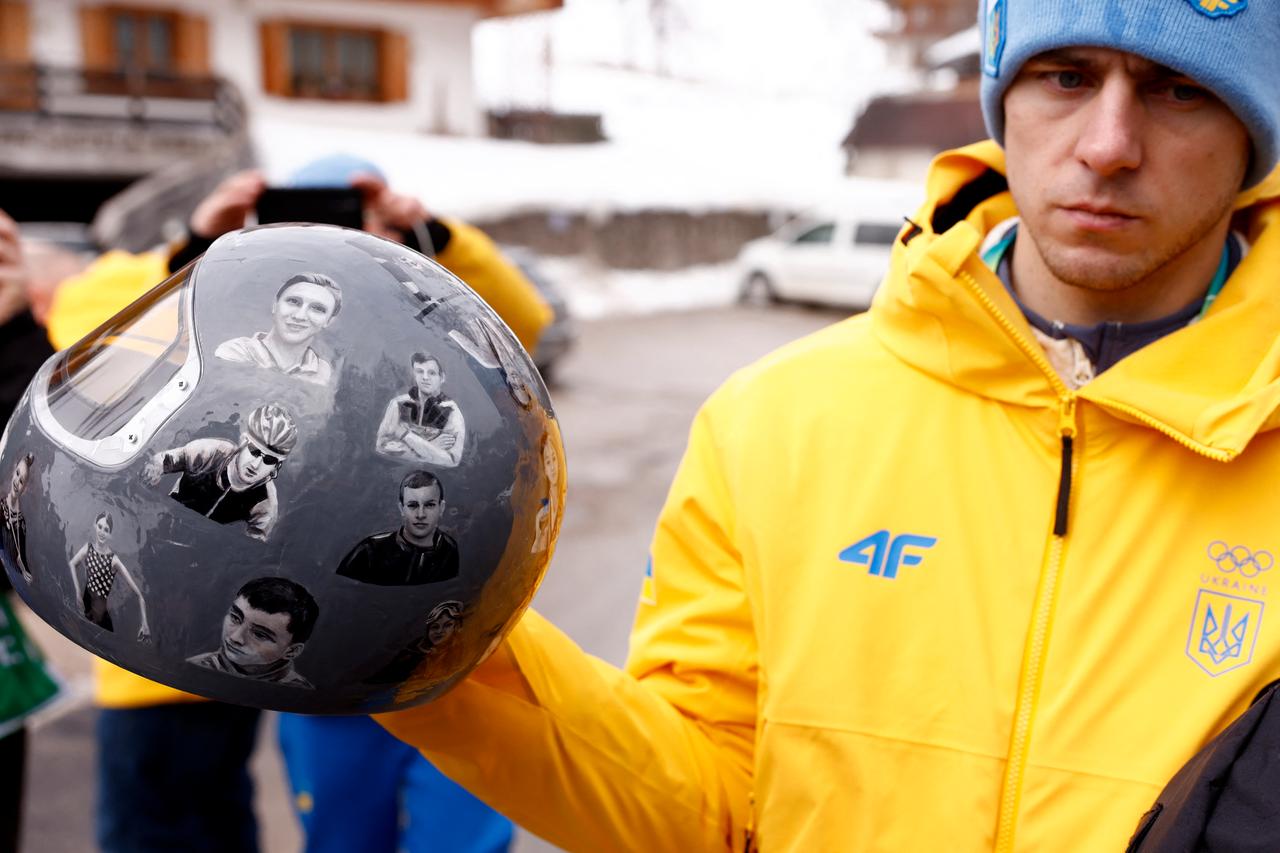
This year’s controversy stars Vladyslav Heraskevych, Ukraine’s flag-bearing skeleton racer, who wanted to compete while wearing a helmet painted with the faces of Ukrainian athletes and coaches killed in Russia’s full-scale invasion of his country.
You know, a helmet of remembrance. A tribute. A statement of personal grief and collective honor. Something that makes us feel human, if slightly uncomfortable and solemn.
Nope, says the IOC.
So what did the Olympic meisters do? After initially asking him kindly to scrub the dead, then offering a black armband, the committee dropped the mask: no helmet, no race. Thus, a legitimately competitive Olympic athlete with medal potential was disqualified—moments before his event—because he refused to take off a helmet that honored his murdered compatriots.
The IOC claims it’s just enforcing Rule 50 of the Olympic Charter; specifically, no political statements. Ok, sure. But when your job is to build a global festival of peace and sport, and you promptly stop a man from honoring the dead on the same ice where he’d hoped to honor them in motion, you might have invented politics right there.
Meanwhile, folks on the internet are asking a perfectly valid question: if the IOC will let some athletes wear political messages (yes, they’ve winked at political expression in the past), why is this particular tribute verboten?
Some point out that an Italian athlete once wore a helmet with a Russian flag—apparently not triggering a mass disqualification—and folks are justifiably confused.

Now there’s talk about an appeal to the Court of Arbitration for Sport, a quasi-legal body that has the dubious reputation of being sport’s built-in dispute resolver, with ad hoc tribunals standing up at major sporting events like magical mushrooms after rain.
But is CAS a real court? Is it recognized by something like the U.S. Supreme Court? Short answer: No. Longer answer: It’s not a state court at all—it’s an international arbitration institute created in 1984 at the behest of the IOC to settle sports disputes without all that messy national legal stuff.
In the eyes of Swiss law and international sport federations, CAS operates like a courtroom—with arbitrators instead of judges and awards instead of judgments. Its awards can be enforced internationally under the New York Convention on the Recognition and Enforcement of Foreign Arbitral Awards, which most countries, including the U.S., have signed.
But let’s be clear: CAS decrees are not really legal decisions. They don’t have the force of U.S. constitutional law, they don’t bind U.S. state courts directly, and they only become enforceable in national systems via arbitration-enforcement mechanisms like the New York Convention or local arbitration statutes.
That’s important because certain legal purists love to throw around phrases like “kangaroo court” when talking about CAS. Now, that critique is probably unfair. CAS is widely accepted in the international sporting world, and yes, its decisions have real effects on athletes’ careers. But it’s still arbitration, not a sovereign state’s judiciary. It’s literally an agreed-upon private tribunal that athletes and federations contract into when they sign on for competitions. Real legal cases involving national law could end up in national courts or be reviewed under those courts’ own standards. In the EU, for instance, recent rulings suggest CAS decisions can be subject to deeper judicial scrutiny than pure arbitration enthusiasts might like.
And does the U.S. Supreme Court recognize CAS as a court? Not in the sense of giving CAS decisions constitutional weight. The highest U.S. judiciary does discuss arbitration generally: for example, in arbitration-friendly rulings like Southland Corp. v. Keating, where the court mandated that arbitration agreements belong in federal law under the Federal Arbitration Act, but that’s arbitration across the board, not CAS specifically.
For all the pomp and circumstance of the Olympic flame and the pageantry, the decision against Heraskeyvych has exposed something deeper: the IOC’s oddball relationship with free expression, and the way international sports institutions sometimes treat living human experiences with bureaucratic inflexibility.
Heraskevych’s “helmet of memory’ wasn’t a political stunt so much as a personal gesture of heartbreak and honor. Yet the IOC’s rulebook speaks in the language of “political neutrality,” which apparently includes not honoring folks cruelly killed while wearing a helmet.
And whatever happens in CAS—which, again, is no global Supreme Court—this episode will live on as one of those moments where the Olympics pretend not to notice that sport and politics are forever entwined.


 Set as preferred source
 Set as preferred source



 7 min read