Newsletters




The article was first published by the Türkiye-based think tank Istanpol in a longer format.
In a rapid-fire sequence of diplomatic maneuvers that underscores a new era of European economic strategy, the European Union has finalized two of the most significant trade agreements in its history.
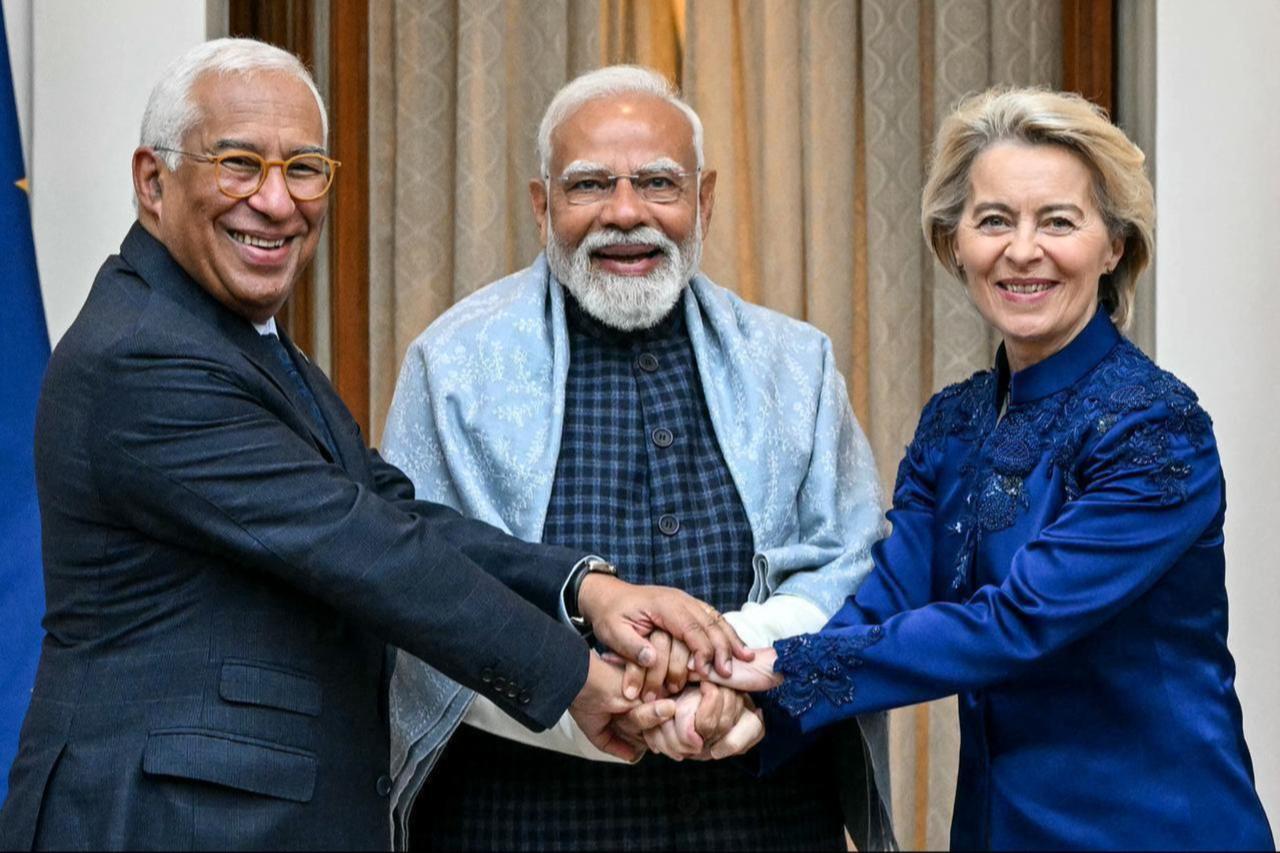
On Jan. 27, Brussels and New Delhi concluded a historic free trade agreement (FTA) aimed at eliminating or reducing tariffs on nearly 97% of EU exports. This milestone followed just 10 days after the signing of a long-negotiated accord with the Mercosur bloc in Paraguay. While these deals signal the EU’s decisive push to diversify its partnerships, they have simultaneously plunged its most integrated partner, Türkiye, into a state of strategic uncertainty.
Ankara now finds itself bound to an aging 1995 Customs Union architecture that transmits competitive shocks from these new global players without granting Türkiye a commensurate role in shaping the rules or securing reciprocal market access.
The agreement between the European Union and India stands as a commercially significant milestone, characterized by stark headline figures. Under the terms of the deal, India will eliminate or reduce tariffs covering 96.6% of EU exports by value, while the EU will cut tariffs on 99.5% of imports from India over a multi-year phase-in. In a particularly dramatic shift, Indian auto tariffs, which previously reached as high as 110%, are set to fall to just 10% following a staged implementation phase. This agreement sits explicitly within the EU’s broader strategy to diversify economic partnerships.
Just 10 days prior, on Jan. 17, the EU signed a trade agreement with the Mercosur bloc in Paraguay, following a political deal reached in December 2024. This accord is already politically contentious inside the EU, with the European Parliament narrowly backing a referral to the EU Court of Justice that could delay implementation. Taken together, India and Mercosur illustrate a clear pattern: the EU is accelerating a network of preferential trade frameworks with large, strategically relevant markets. For Türkiye, the consequence is immediate: as the EU redraws its external trade map, Ankara remains exposed to the shocks of these new agreements without the institutional rights to manage them.

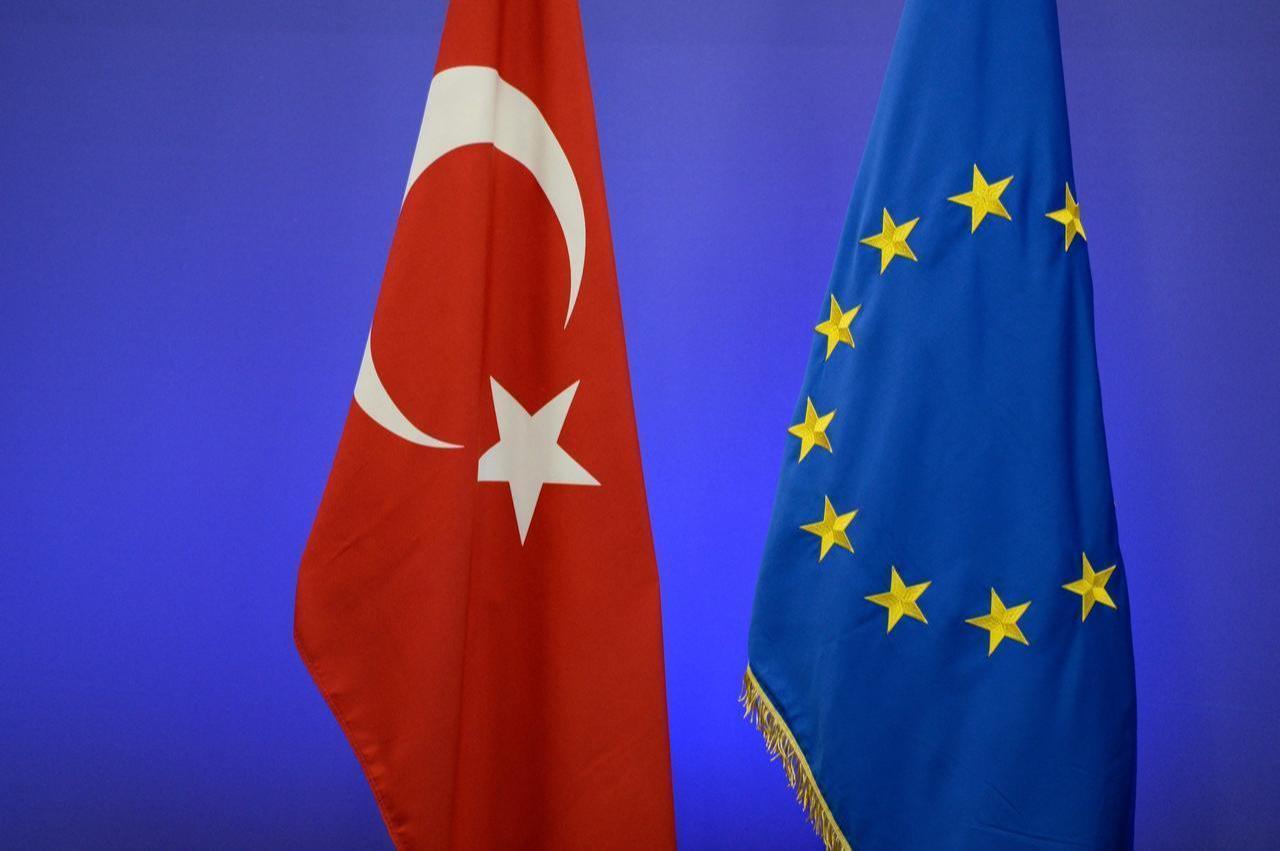
The fundamental tension lies in the fact that Türkiye has been in a Customs Union with the EU since 1995, allowing for the tariff-free circulation of industrial goods. Yet the arrangement remains limited in scope and governance, while the EU’s external trade policy has become denser and more strategic. Critically, Türkiye does not automatically receive reciprocal market access when the EU signs FTAs with third countries, even though it is exposed to competitive effects through its integration with the EU market.
The modernization of the EU–Türkiye Customs Union has been politically frozen for years. Although the European Commission recommended a mandate to launch modernization talks in late 2016, the General Affairs Council concluded in June 2018 that no further work should be planned due to prevailing political circumstances. This is where India and Mercosur matter for Türkiye. The more the EU expands its preferential network with major economies, the greater Türkiye's risk of “preference erosion” and value chain displacement.
It is useful to distinguish between the material and symbolic impacts of these deals. India represents a significant competitiveness shock because the EU–India deal covers sectors where Türkiye is deeply embedded in EU-oriented manufacturing and where price-based competition can be decisive. Under the agreement, the EU will phase out tariffs on a wide range of Indian exports, including textiles, chemicals, and other industrial product groups. For Turkish exporters, this is where the risk concentrates: in labor-intensive sectors such as textiles and ready-made clothing, and increasingly in higher-value segments where India is rapidly scaling up its industrial capacity.
Mercosur, by contrast, is a strategic signal as much as an immediate industrial threat. The trade profile of Mercosur is heavily agricultural and commodity-oriented, and Turkish industry representatives suggest the direct impact on Türkiye’s higher-tech exports may be limited. Yet Mercosur matters because it underscores a broader EU trajectory: Brussels is willing to take substantial political risk to lock in large preferential frameworks. The message for Ankara is unmistakable: EU trade policy is being rebuilt at scale, and Türkiye is not part of the rebuild.
For Brussels, it is convenient to frame the EU–India FTA through a “regime lens,” portraying India as a “democratic partner” and Türkiye as a politically difficult one. This makes it easier to justify an ambitious deal with New Delhi while keeping institutional economic integration with Ankara on ice. EU leaders have presented the agreement as a geopolitical deepening of ties between “the world's biggest democracies,” explicitly linking the FTA to a strategic upgrading of relations.
However, regime type is a weak explanatory variable if taken literally. In global democracy assessments, India’s credentials are increasingly contested, and prominent indices place India and Türkiye in comparable categories of democratic erosion. V-Dem’s Democracy Report classifies India as an “electoral autocracy” and groups both India and Türkiye below the threshold of electoral democracy. Similarly, Freedom House rates India as “Partly Free” and Türkiye as “Not Free,” suggesting that both sit on the wrong side of the EU’s ideal-type framing.
A more persuasive account combines two elements. First, Türkiye’s own shortcomings still matter: domestic political and legal trajectories have made deeper integration harder to defend, as a candidate country is judged against higher standards than a strategic partner like India. Furthermore, the main drivers of the India deal are geo-economic: scale, supply-chain diversification, and the effort to hedge against volatility in a conflictual trading environment.
The strategic question is why the EU continues to treat the upgrading of its most intertwined partner as a frozen file, despite Türkiye’s relevance to European industrial resilience and security. Reticence to advance cooperation in technically feasible areas looks like strategic myopia.
Türkiye’s relevance is structural: it functions as a near-shore manufacturing base plugged into European production networks. Geographically, it sits at the intersection of the Black Sea, the Eastern Mediterranean, and the Middle East, while in security terms, it remains a key NATO actor on the Alliance’s southeastern flank. The strategic error is that the EU is upgrading its external economic architecture while keeping the governance of its most integrated non-member relationship stuck in an outdated framework. Every new EU FTA reconfigures competitive conditions in markets where Türkiye is already exposed, yet Ankara remains outside the institutional channels that set those terms.
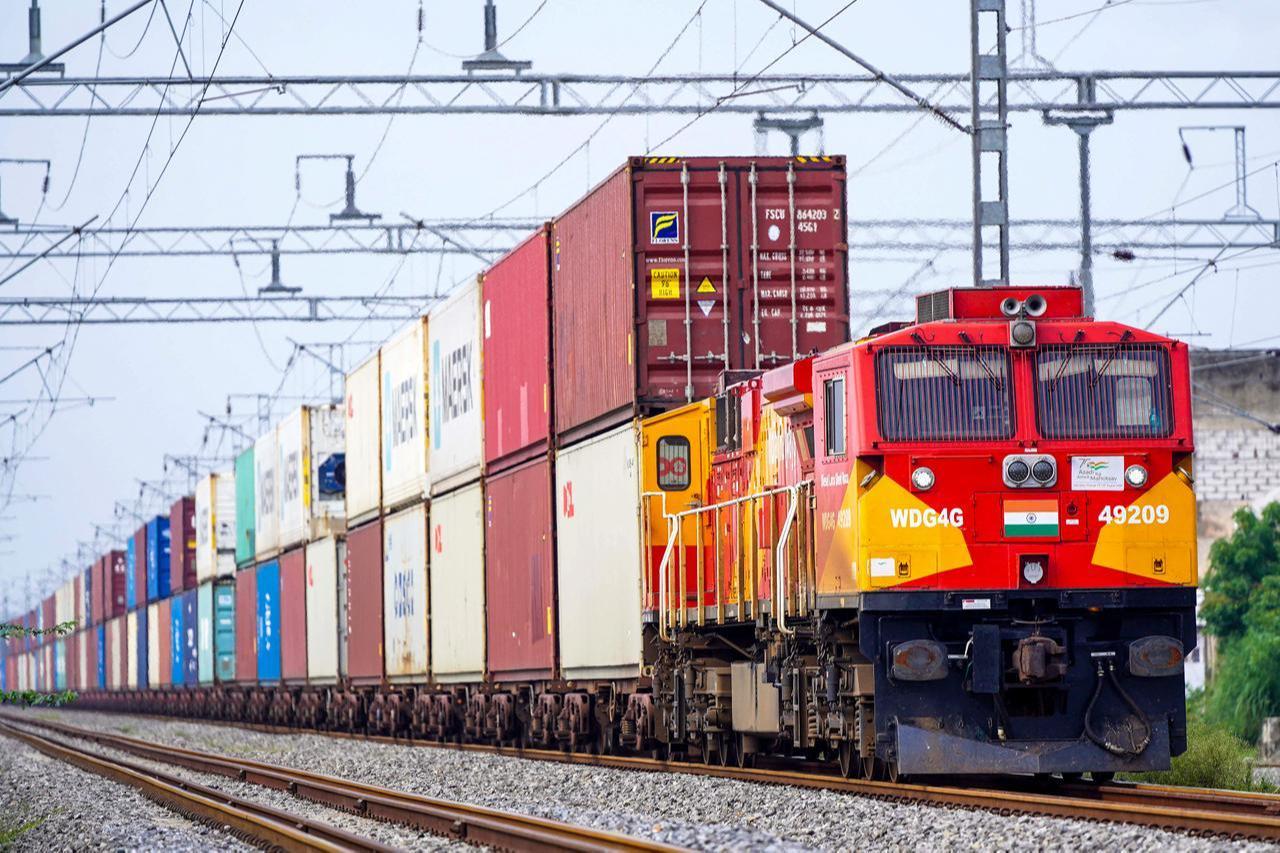
This trend is increasingly inseparable from the connectivity story. The India–Middle East–Europe Economic Corridor (IMEC), announced at the G20 in 2023, included the EU, the U.S., India, and several others, but excluded Türkiye.
Combined with the EU–India FTA, the message is that the EU is developing a preferential rulebook and route map for Eurasian connectivity that bypasses a geographically central partner.
Türkiye cannot respond with rhetoric alone. To make a Customs Union upgrade viable, Ankara must narrow the “trust gap” by accelerating structural reforms, improving legal certainty, and addressing European concerns about the rule of law. Aligning with the EU acquis must be treated as a competitiveness strategy; as the EU externalizes its standards through FTAs, Türkiye’s industrial positioning will depend on credible compliance capacity.
Simultaneously, the burden is not Türkiye’s alone. If trade diplomacy is being deployed as geo-economic infrastructure, then keeping Türkiye locked in an outdated Customs Union is strategically shortsighted. For Brussels, modernizing the Customs Union should be reframed as a “resilience instrument,” not a political concession. Ultimately, the strategic choice on both sides is between managed interdependence and unmanaged exposure—and the latter is becoming the default.


 Set as preferred source
 Set as preferred source


 2 min read
 1 min read