Newsletters




For nearly a decade, Indian foreign policy toward Pakistan has rested on a simple assumption: sustained diplomatic pressure, international isolation and economic marginalization would gradually reduce Pakistan's relevance in regional and global affairs.
Today, that assumption looks increasingly questionable.
Despite repeated attempts by New Delhi to portray Pakistan as a strategic liability, Islamabad has re-emerged as an important diplomatic actor across multiple geopolitical theaters.
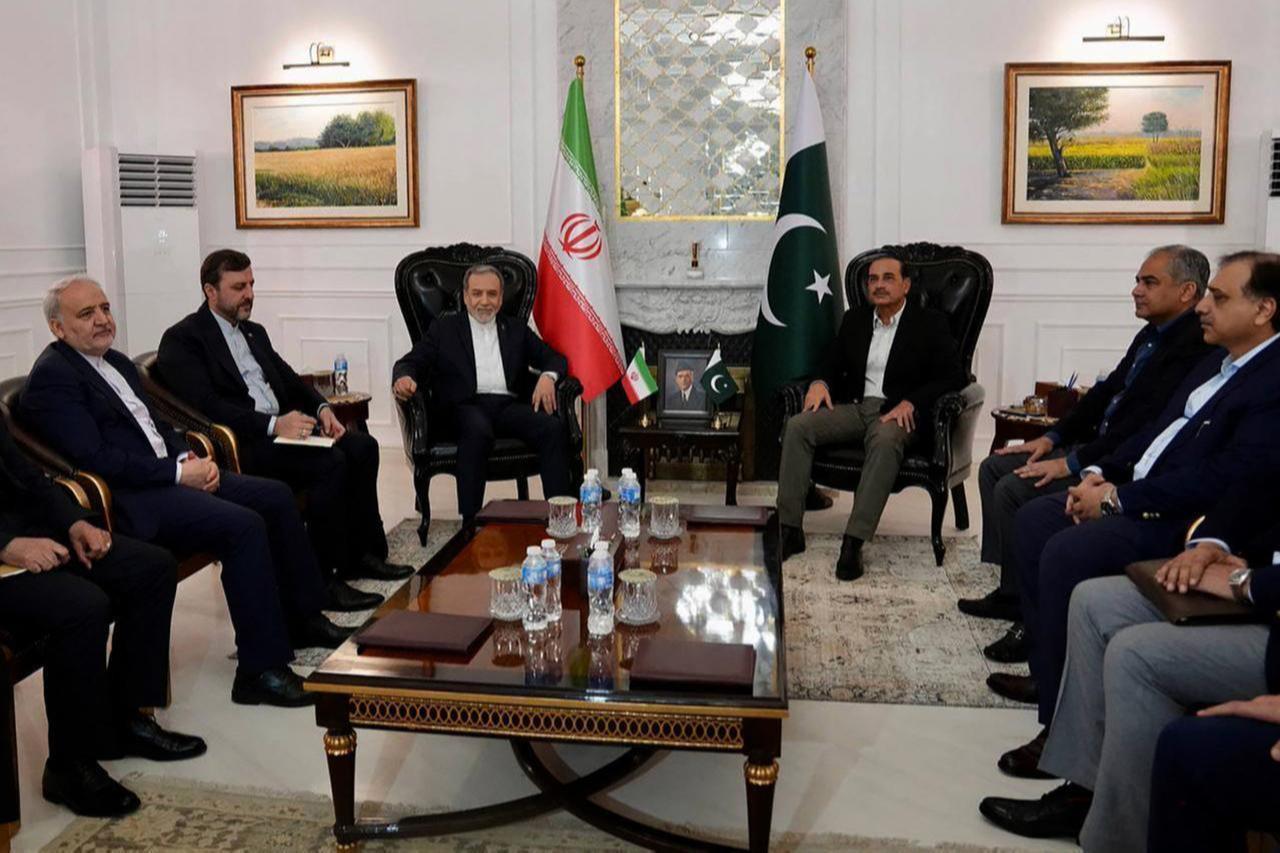
From Washington and Beijing to Riyadh and Tehran, Pakistan is once again being viewed not merely as a security challenge but as a state capable of influencing regional outcomes.
The irony is difficult to ignore. At the very moment India believed its campaign of diplomatic isolation had succeeded, changing global realities began restoring Pakistan's strategic value.
This development does not signify a Pakistani diplomatic triumph alone. It also reflects the limitations of a foreign policy approach built around exclusion rather than regional management.

For years, India appeared to be winning the diplomatic contest.
The post-9/11 international environment worked largely in New Delhi's favor. Pakistan faced sustained scrutiny over militancy, counterterrorism and regional security. Economic instability and domestic political turbulence further complicated Islamabad's international image.
In many Western capitals, Pakistan was increasingly viewed through a security lens, while India was presented as a rising economic power and an increasingly important strategic partner.
The pressure extended beyond diplomatic rhetoric. Pakistan spent much of the period between 2018 and 2022 under heightened international scrutiny while it remained on the Financial Action Task Force (FATF) grey list.
During these years, concerns regarding militant financing and regional security continued to shape perceptions in Western capitals. Combined with recurring economic crises and political instability, these factors reinforced the impression that Pakistan's international relevance was in decline.
The contrast was particularly visible in Washington. Successive American administrations expanded cooperation with India in defence, technology and trade. The United States increasingly viewed India as a central component of its Indo-Pacific strategy and a counterweight to China's growing influence. Pakistan, meanwhile, appeared to be losing diplomatic ground.
It was within this environment that Prime Minister Narendra Modi declared in 2016 that India would intensify efforts to isolate Pakistan internationally. The strategy produced visible results. Diplomatic engagement declined, bilateral dialogue stalled and Pakistan frequently found itself responding to international criticism rather than shaping regional discussions.
The most visible casualty was regional cooperation itself. The South Asian Association for Regional Cooperation (SAARC), once envisioned as the principal forum for regional dialogue, effectively entered political paralysis.
Summits stopped taking place and South Asia lost one of its few institutional mechanisms for engagement. While Pakistan undoubtedly faced diplomatic costs, the broader region also paid a price. Alternative groupings have struggled to fill the vacuum left behind.
Yet the assumption underlying the strategy—that Pakistan's international relevance would continue to decline regardless of wider geopolitical developments—proved far less durable than many expected.
The international environment that favored India's approach has changed significantly.
Competition between major powers has intensified. The Middle East has entered another period of uncertainty. Regional conflicts have increased the value of states capable of maintaining relationships across competing political camps. In this environment, Pakistan's geography and diplomatic flexibility have become assets rather than liabilities.
Few countries in Asia maintain active diplomatic channels simultaneously with Washington, Beijing, Tehran and the major Gulf capitals. Pakistan's ability to do so has increased its value at a time when regional crises increasingly require interlocutors capable of engaging multiple sides.
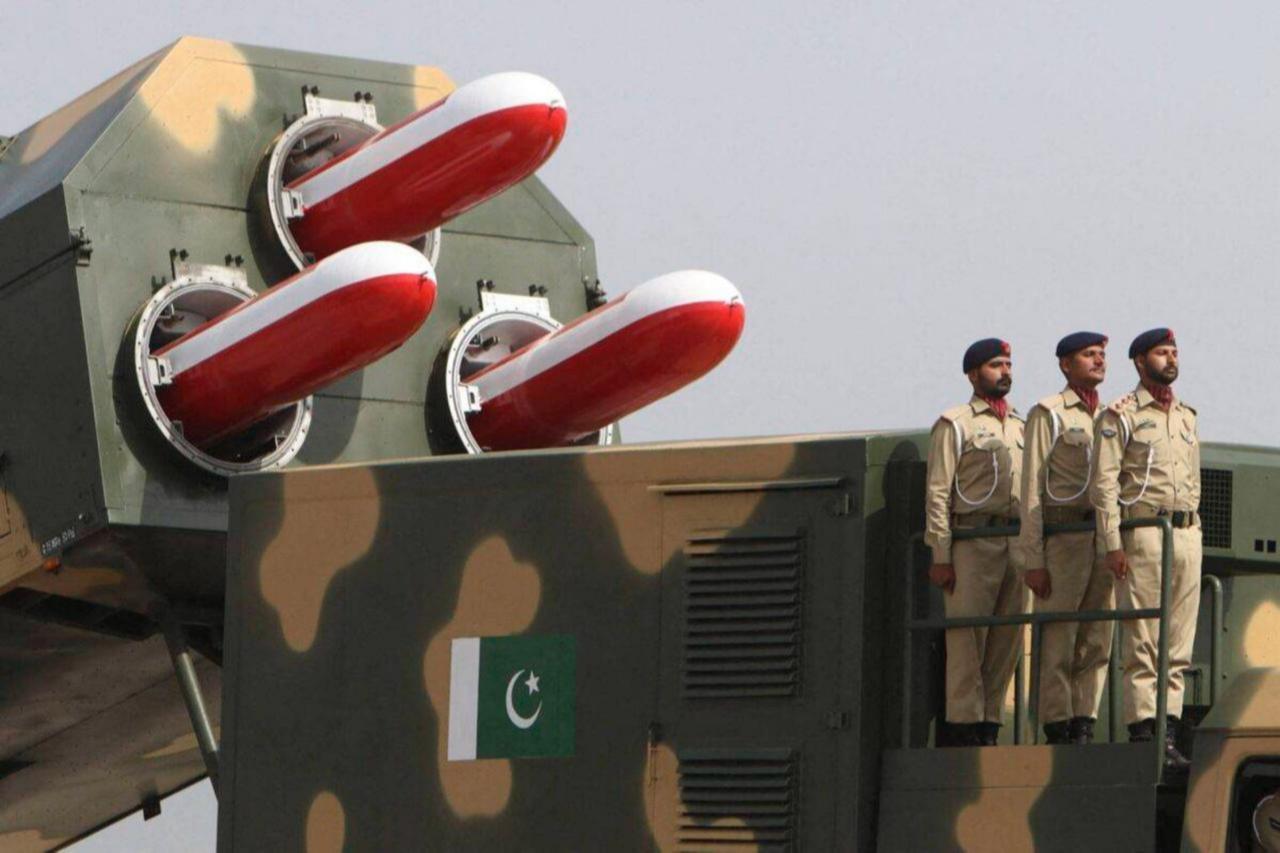
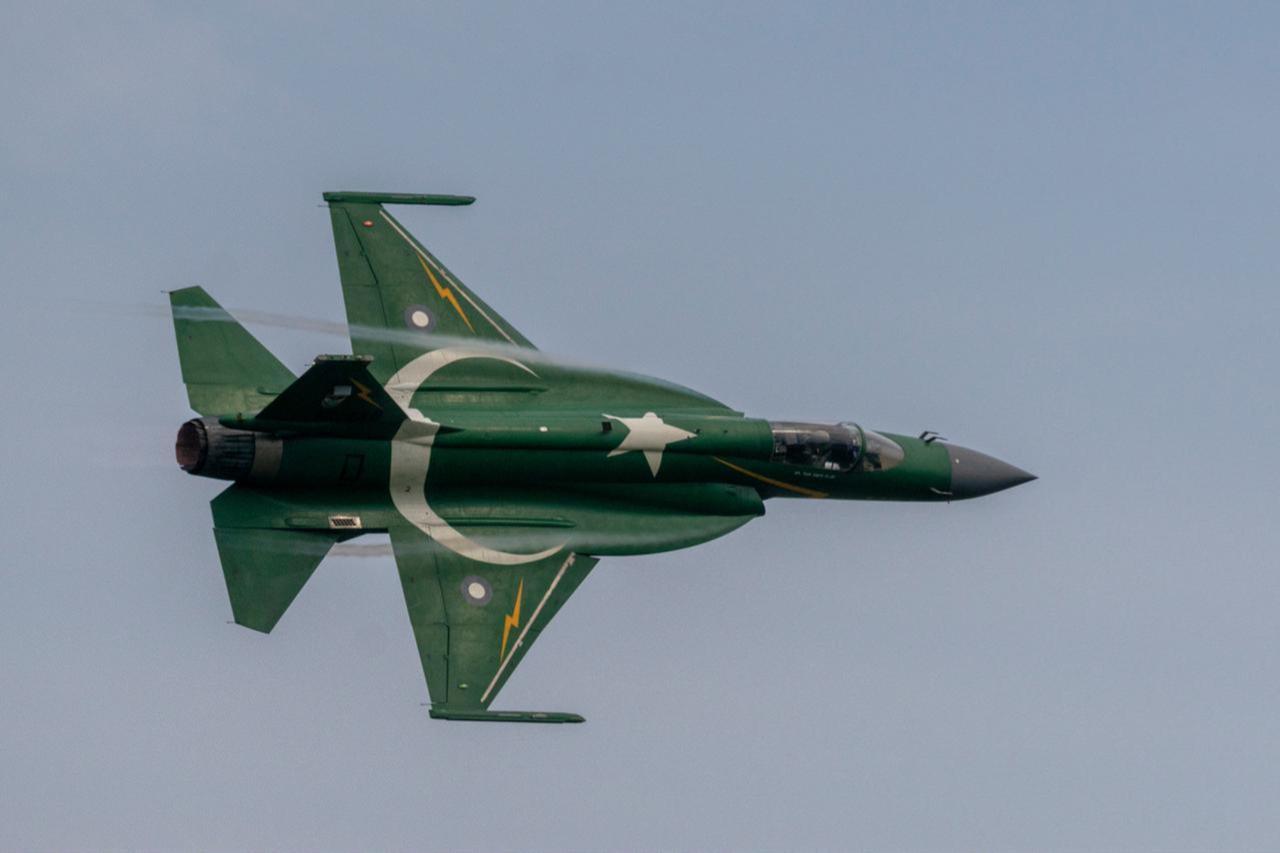
Evidence of this renewed relevance has emerged across multiple arenas. Beijing continues to deepen defense cooperation with Islamabad through joint military projects and advanced weapons systems.
Gulf states have expanded security consultations with Pakistan at a time of heightened regional uncertainty. In Washington, discussions have broadened beyond Afghanistan to include investment, critical minerals and regional diplomacy. Taken together, these developments point to a country that has regained diplomatic utility in the eyes of major powers.
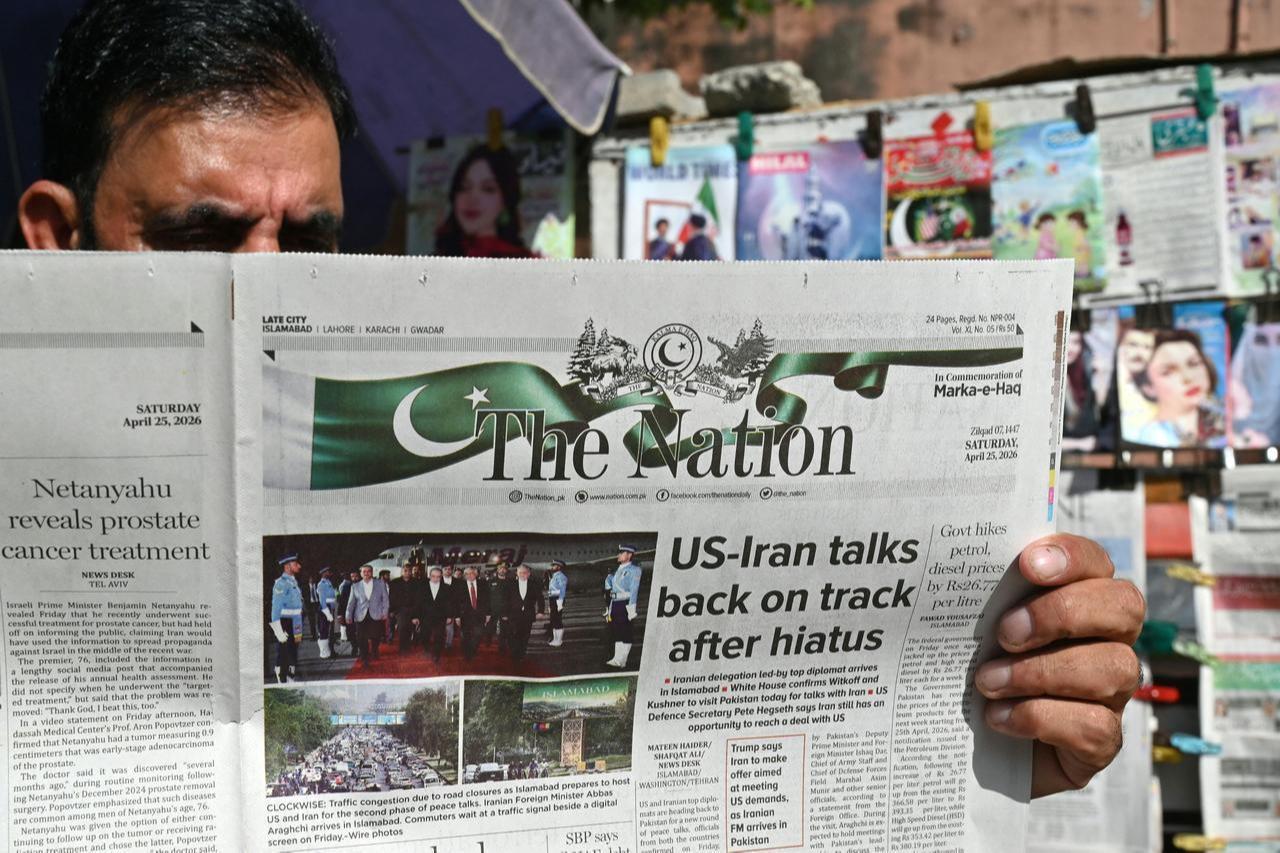
Relations with Washington have also improved. Following years of tension after the American withdrawal from Afghanistan, Pakistan has gradually rebuilt channels of communication with the United States. Discussions involving critical minerals, investment opportunities and regional security have reopened areas of cooperation that many observers believed had narrowed permanently.
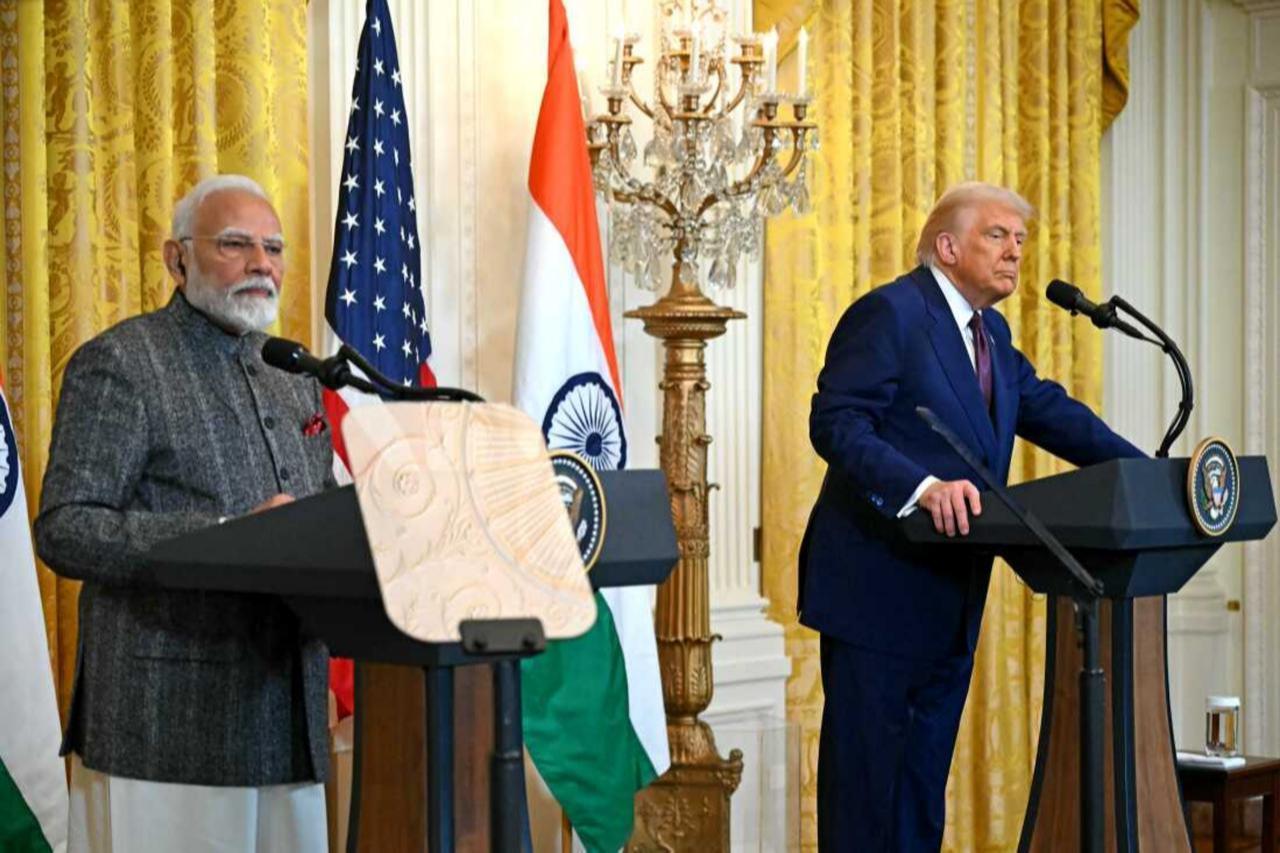
The India-Pakistan crisis of 2025 highlighted these shifts. While India maintained its longstanding opposition to outside mediation, the Trump administration repeatedly claimed a role in helping secure a ceasefire between the two countries. Pakistan publicly welcomed American involvement. Regardless of competing interpretations of the episode, the significance extended beyond the ceasefire itself.
For decades, India resisted any internationalization of disputes with Pakistan. The fact that Washington was once again publicly discussing mediation reflected a diplomatic environment very different from the one New Delhi sought to create after 2016.
The symbolism was difficult to miss. Senior Pakistani officials received a level of access in Washington that would have been difficult to imagine only a few years earlier. Discussions increasingly focused on future economic and strategic opportunities rather than solely on counterterrorism or Afghanistan. The shift suggested a broader reassessment of Pakistan's place in regional diplomacy.
Pakistan has also partially escaped the image that dominated much of the post-9/11 era. Counterterrorism efforts, financial reforms and greater diplomatic engagement have produced a more nuanced international perception, even as significant challenges remain.
None of this diminishes India's considerable strengths.
India remains one of the world's largest economies, a major military power, a critical technology market and an indispensable partner for the United States, Europe, Japan and Australia. The foundations of India's global influence remain substantial.
However, influence and exclusion are not the same thing.
One consequence of India's rise has been a gradual shift in its foreign-policy orientation. For much of the post-Cold War period, New Delhi benefited from a reputation for strategic autonomy. India maintained productive relations with competing powers simultaneously and avoided becoming overly dependent on any single geopolitical alignment.
Maintaining that flexibility has become increasingly difficult. India's closer alignment with Israel has brought clear advantages in defense and technology, but it has also complicated diplomacy at a time when conflicts in Gaza, Lebanon and Iran have heightened sensitivities across the Middle East.
Although India's ties with Gulf states remain strong, New Delhi now operates in a more complex diplomatic environment than it did a decade ago.
Pakistan has also expanded security cooperation with Gulf partners. Its strategic location, military capabilities and longstanding regional relationships have increased its relevance as Middle Eastern states diversify their partnerships.
China remains another critical variable. Far from weakening, the China-Pakistan relationship has become increasingly visible in both economic and defence cooperation.
Beijing continues to view Pakistan as an important component of its broader regional strategy, ensuring that Islamabad remains firmly embedded in Asian geopolitics.
None of this suggests that India is losing influence or that Pakistan has overcome its economic and political challenges.
What it does suggest is that diplomatic isolation has limits. Geography and shifting geopolitical realities often restore relevance to strategically located states. A decade after Modi pledged to isolate Pakistan, Islamabad remains embedded in the calculations of Washington, Beijing, Riyadh and Tehran.
The broader lesson extends beyond South Asia. In an increasingly fragmented international system, major powers are placing greater value on states capable of maintaining relationships across rival camps. The assumption that strategically important countries can be permanently sidelined is becoming harder to sustain.
Pakistan's renewed relevance does not represent a strategic defeat for India. Rather, it reflects the return of geopolitical realities that never entirely disappeared.
Geography, regional crises and shifting power balances continue to shape diplomatic outcomes in ways that no strategy of isolation can fully overcome. The challenge for policymakers in both countries is adapting to that reality.


 Set as preferred source
 Set as preferred source


 2 min read
 1 min read