

 Newsletters




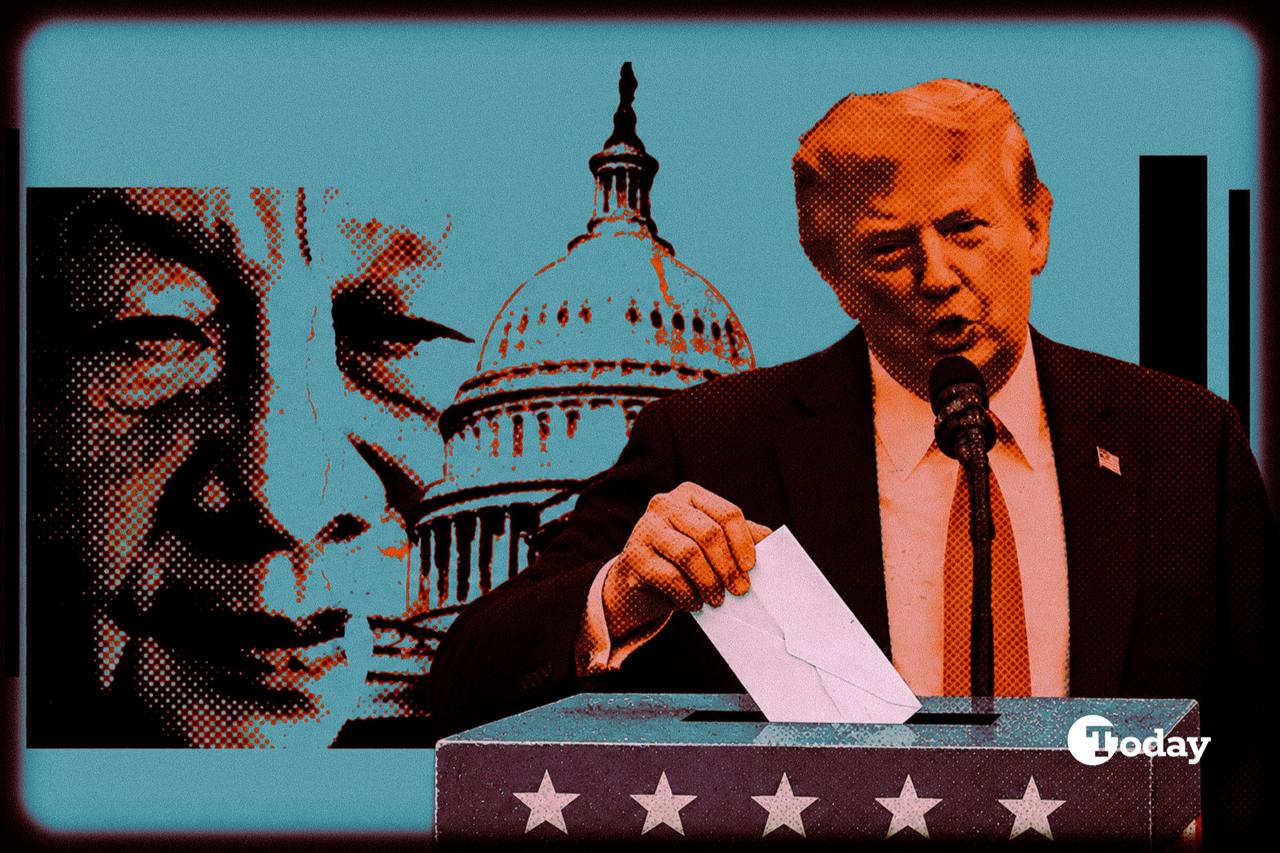
Let’s pretend for a moment. Next week’s midterm elections are upon us, and it’s an ideal time to reflect on the state of American democracy.
In this fantasy, the United States is a shining example of how to unite a modern, civilized country for the betterment of its citizens and the wider world, and its democratic process is conducted with unparalleled dignity, grace, and professionalism.
Elected officials and bureaucrats alike are selfless civil servants motivated by a shared quest to achieve the greater good, and reasonable debate guides both policy and public life.
In the real world, the midterm campaigns have been ugly, contentious, and riddled with personal attacks, scandals, and ill will on both sides of the proverbial aisle.
As President Trump faces the first significant challenge to his legislative agenda, both parties find themselves scrambling to realign to a changing political landscape that will remain deeply divided for the next two years.
It is widely predicted by both the polls and pundits that the Democrats will take control of the lower House of Representatives and thus begin to obstruct the Trump administration at every possible turn. The results in the Senate are less clear and will depend heavily on the outcome of several key races.
The greatest worry is not from a Democratic landslide, but from a near-tie in the polls. Extremely close Senate contests would be the most likely trigger for election certification challenges, widespread protests, and even political violence in swing states and major urban areas.
Republicans currently hold a 53-47 majority in the Senate; there are 45 Democratic senators and two independents who vote with the Democrats.
To take back the upper chamber, Democrats must retain all of their seats and pick up at least four seats from the Republicans. A tall order, but currently possible according to the polls.
The following five races are the most closely watched and will serve as an indicator of the national mood, especially regarding the Trump administration.
Texas: Republican Attorney General Ken Paxton, who ousted long-serving Senator John Cornyn in a heated primary, faces Democratic state Representative James Talarico in a heavily funded Senate race.
Talarico is focusing on Paxton’s past legal troubles and corruption allegations, while Paxton is emphasizing immigration, traditional conservative values, and his ties to Trump.
Michigan: Progressive candidate Abdul El-Sayed faces former Republican congressman Mike Rogers for an open seat in a swing state where the 2024 presidential election was decided by less than 2%.
Debates have focused heavily on economic issues and healthcare alongside intense clashes over foreign policy, civil liberties, and immigration enforcement. El-Sayed’s identity as a Muslim has also been targeted by some right-wing groups.
Maine: Seeking a sixth term, Republican Senator Susan Collins faces former state Senate president Troy Jackson, who stepped in after primary winner Graham Platner withdrew in July amid sexual misconduct allegations, a development that keeps Maine a critical battleground state targeted by national Democrats.
Georgia: Junior Democratic senator and rising star Jon Ossoff is defending his seat against Republican Mike Collins in a high-stakes campaign about national priorities in the Trump era. The central debate revolves around rising living costs and trade policies, combined with sharp personal exchanges over professional conduct and alignment with Trump’s policies.
Alaska: Former Democratic congresswoman Mary Peltola is challenging incumbent Republican Senator Dan Sullivan in a state defined by unique voting dynamics. The race has drawn national legal questions after the Justice Department, acting on direct instructions from President Trump, filed a lawsuit arguing that the presence of another candidate named Dan Sullivan (formerly Republican, now unaffiliated) on the ballot could confuse voters and cause them to vote for the wrong person.
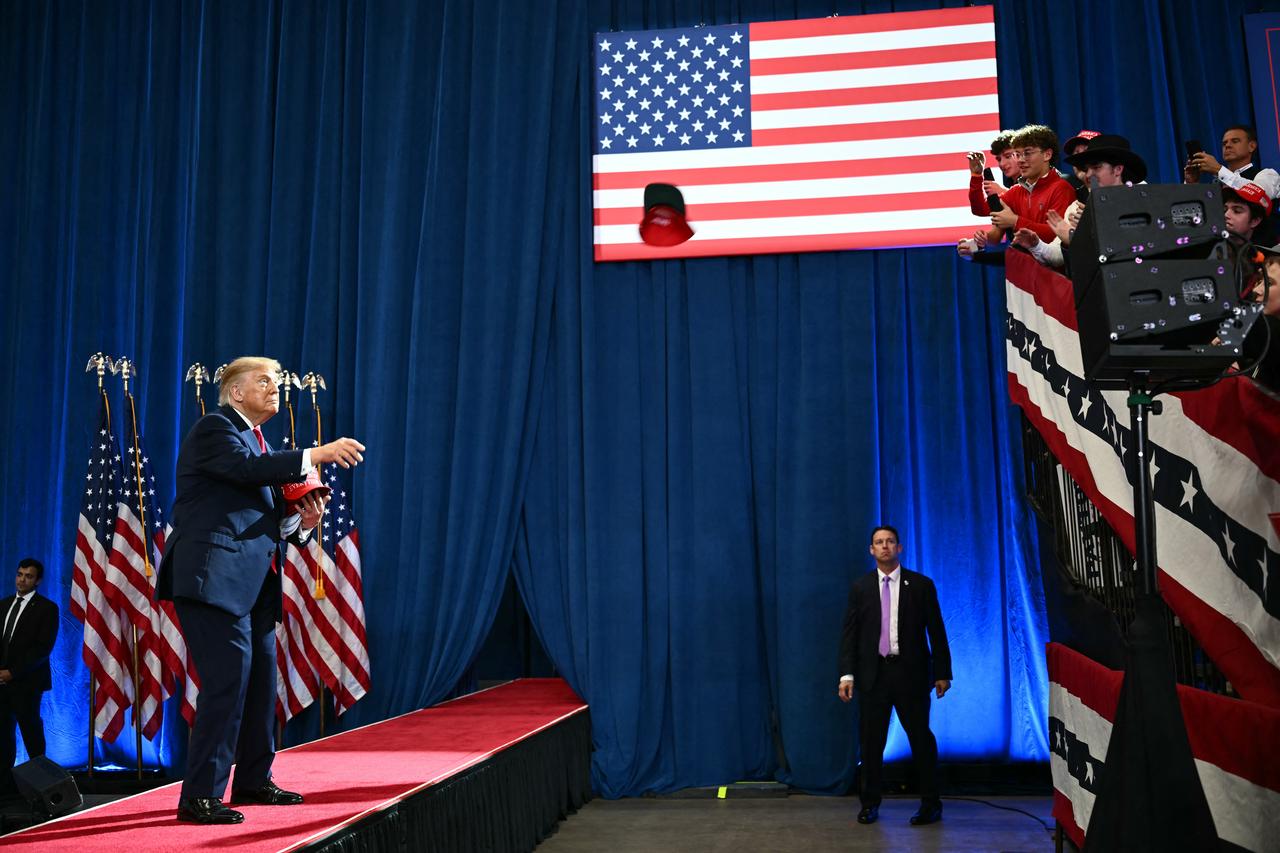

President Trump is casting his usual long shadow across this election. The veteran American investigative journalist Michael Isikoff recently wrote that “a close review of public records, court filings and social media posts suggests the Trump administration has been methodically laying the groundwork for federal intervention in the 2026 elections for more than a year.”
Critics have argued that the playbook for Trump and his allies is clear: manufacture allegations of outside interference and voter fraud until something sticks.
They claim that the ultimate goal is to create just enough chaos to declare a national emergency. That declaration could allow the administration to send law enforcement to polling stations, seize voting machinery, and throw the results of key races into question.
These are not simply wild conspiracy theories. Consider the Alaska race mentioned above. Polls suggest the race between Senator Sullivan and Mary Peltola is very close, with Peltola holding a narrow lead.
President Trump wants the courts to forbid the state from certifying the results if Republican Senator Sullivan “loses by a margin less than the other Sullivan.” This is a bold and unprecedented move, even for this administration, and one that captures the worries of the present moment.
The deeper question isn’t which party wins Congress on election day. The real concern is what happens across the country in the days and weeks after the ballots are counted.
The simple truth is that no outcome, even a Democratic best-case scenario, will really give Congress significant control over President Trump. The Iran conflict will not come dramatically to a close.
Economic inequalities and pressures on everyday voters will not disappear. Putin—and probably Netanyahu, depending on how this week’s Israeli elections go—will still be welcomed by the White House. The brutal and ugly immigration debate will grind on.
Even if Democrats sweep the midterms, they will fall short of veto- or filibuster-proof majorities, keeping the president’s power largely intact. Executive orders, presidential vetoes, and conservative support in the federal courts (most notably the Supreme Court) will continue to be President Trump’s primary tools of power.
Democrats winning control of the House of Representatives is highly likely and would grant them broad subpoena powers, leading to a period of increased congressional scrutiny and legislative gridlock.
Aggressive House committee investigations could target the administration, and some of the more questionable members of the cabinet can expect an uncomfortable coming year.
So in the days leading up to the election, don't expect a dramatic Democratic landslide or the end of the president’s more controversial policies; but in the weeks and months that follow, prepare for a turbulent two years as the political rhetoric—if not the policy substance—gets more intense and the country remains sharply divided.


 Set as preferred source
 Set as preferred source


 1 min read

 1 min read


