Newsletters


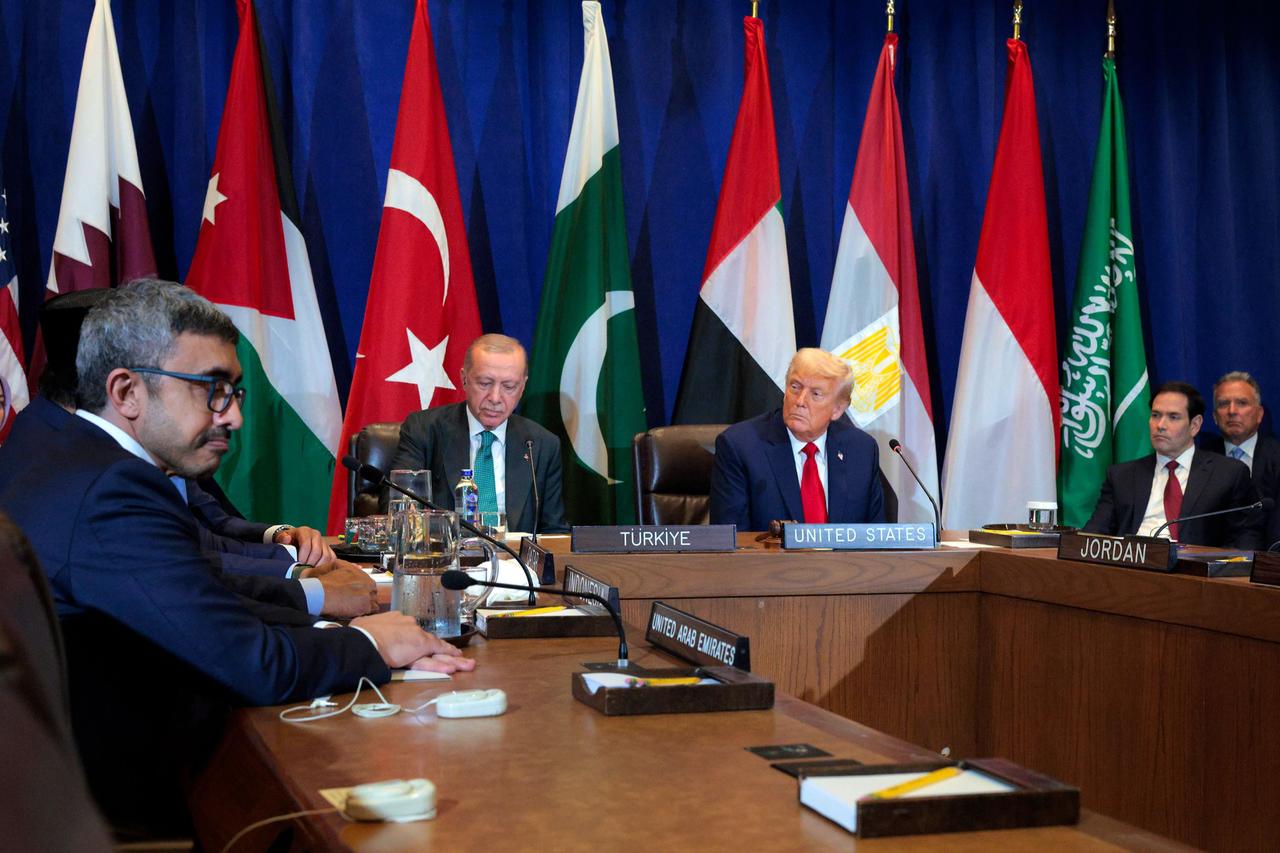


Despite clear and sometimes painful costs, a growing number of Middle Eastern states are positioning themselves as mediators in regional conflicts. The risks are tangible. Qatar has faced military pressure from more than one direction during periods of escalation in different efforts to bring the sides to the table, while Turkish commercial vessels have been targeted in the Black Sea amid broader tensions of the Russia-Ukraine war.
These incidents underscore a central paradox of tangible costs. Acting as an intermediary to avoid spillover violence does not guarantee immunity. Yet governments across the region continue to invest political capital in mediation roles, even when such roles expose them to retaliation or reputational risk.
This is less a short-term trend and more a structural adaptation to a changing international order. As global power becomes more diffuse and transactional, regional states are recalibrating their foreign policies to reflect a multipolar reality rather than a rigid, U.S.-centered system.

Historically, the United States has, in many cases, encouraged regional actors to assume mediation responsibilities. For Washington, this reduces diplomatic workload and creates indirect channels of communication with actors it cannot officially engage.
In conflicts involving groups such as Hamas, the Taliban, or even Iran, the U.S. has relied on countries like Qatar, Oman, and Türkiye to serve as intermediaries. These states function as diplomatic conduits, maintaining open lines to multiple and often mutually hostile actors.
Yet these days, the initiative is not solely American-driven. Regional leaders also see mediation as a tactical instrument. By positioning themselves between rival powers, they enhance their leverage in negotiations with both Washington and other global actors, strengthening their bargaining position in an increasingly competitive geopolitical environment.
In conventional terms, serving as a mediator helps regional governments demonstrate their value as strategic partners of the United States. It bolsters their standing in Washington and can translate into institutional recognition or security benefits.
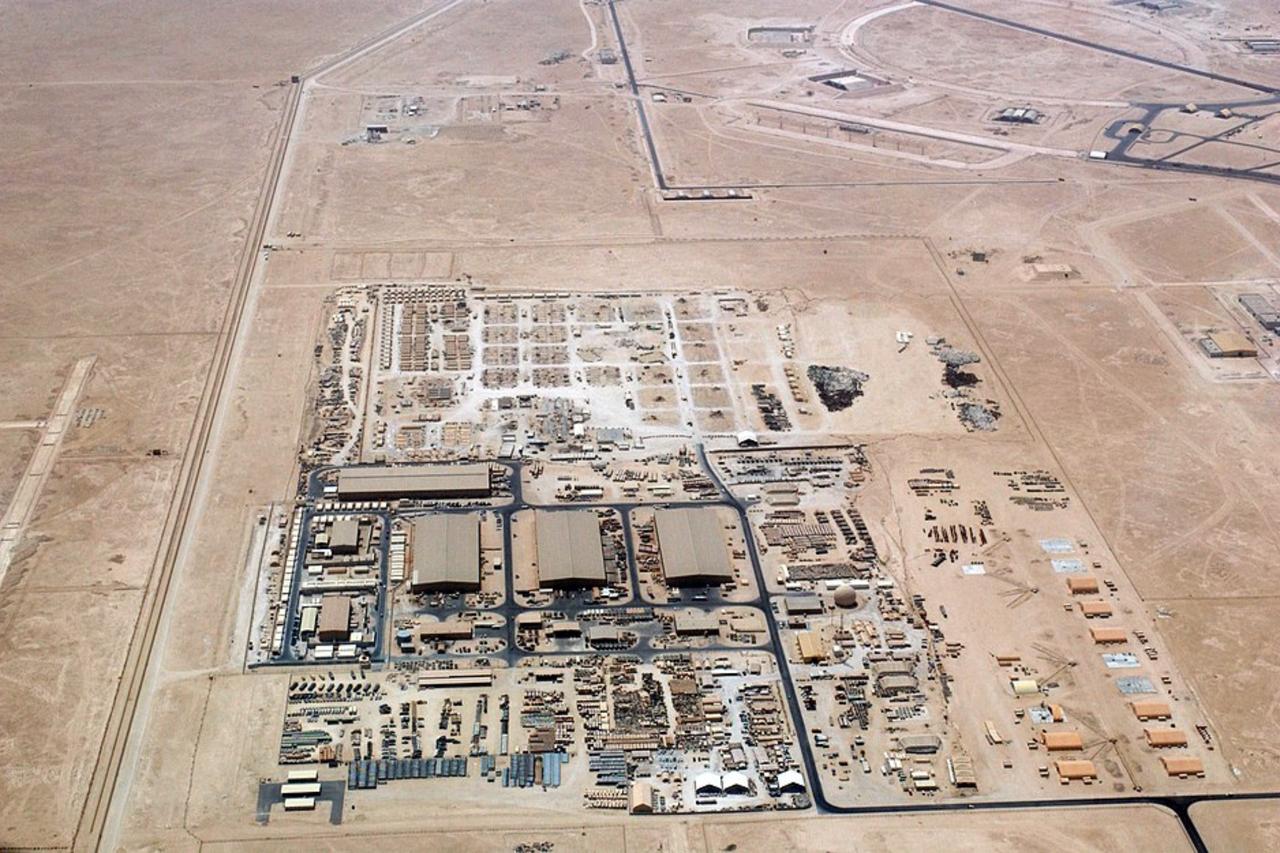
Qatar’s designation as a Major Non-NATO Ally is one example of how mediation and diplomatic utility built over decades can elevate a country’s strategic profile. By becoming indispensable to U.S. diplomatic efforts, Doha has sought to shield itself from regional isolation and enhance its security guarantees, learning from the historical example of 1990, where Kuwait’s lack of a specialized strategic function left the world largely indifferent until its sovereignty was already lost.
However, diplomatic capital does not equal absolute protection. Qatar’s intermediary role did not prevent it from facing pressure amid regional confrontations, including episodes linked to Israel-Iran tensions. Similarly, Türkiye’s security in the Black Sea has ultimately depended more on its own deterrent capabilities than on NATO’s direct intervention.
For many regional governments, the greater risk may lie not in mediating, but in refusing to do so. If they step away from intermediary roles, they risk being pulled directly into polarized blocs and becoming overt parties to conflicts.
In an environment marked by intensifying rivalries, neutrality—or at least flexible positioning—can function as a buffer. Mediation offers a form of diplomatic insurance: it signals engagement without formal alignment and allows states to maintain open channels across ideological and strategic divides.
This logic explains why even states with deep disagreements, such as Türkiye and the UAE in previous years, have recalibrated their approach. Prolonged rivalries proved costly and yielded limited strategic returns, prompting a shift toward compartmentalization and selective cooperation.
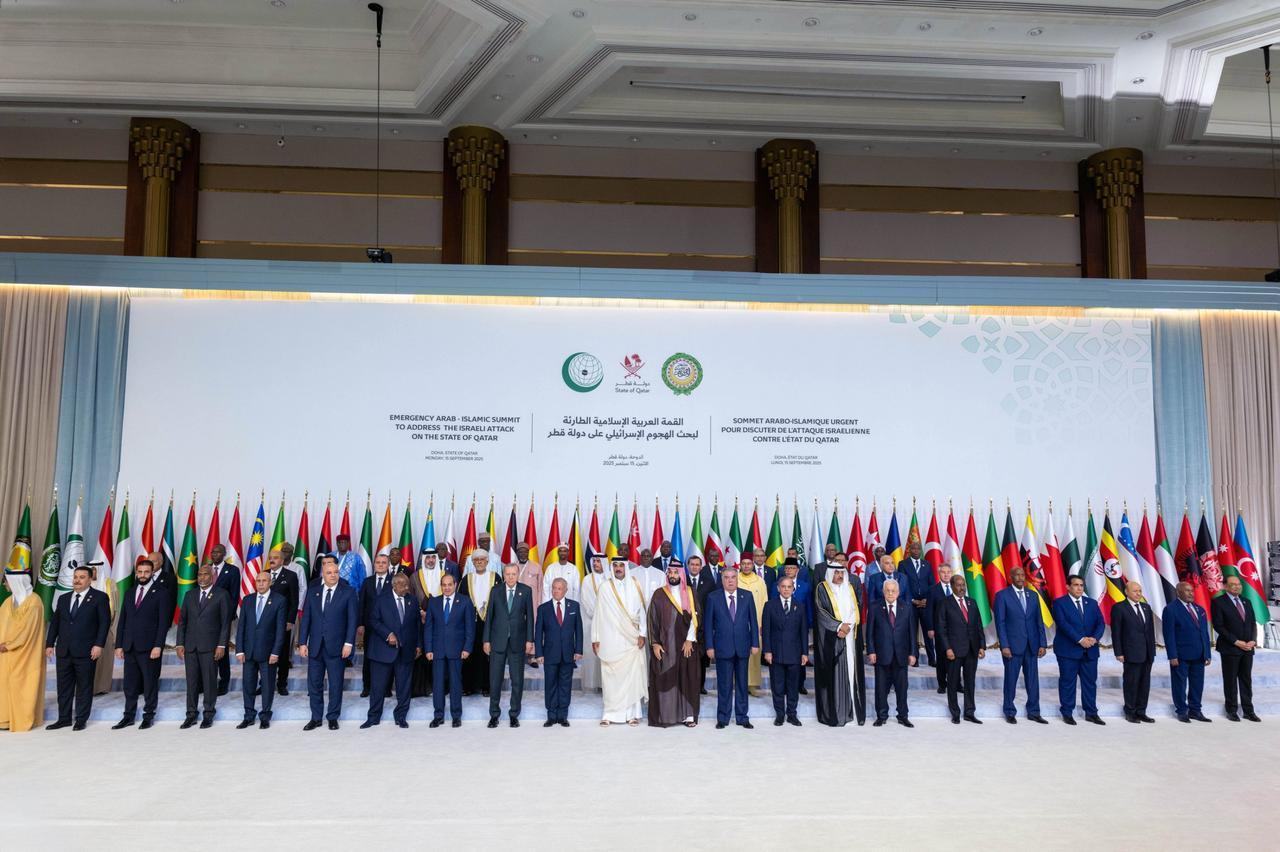
The concept of “regional ownership” has gained renewed traction amid crises such as Israel-Iran tensions. Rather than outsourcing conflict management entirely to external powers, Middle Eastern states have increasingly sought to demonstrate agency and coordination.
This collective posture is not yet fully consolidated. Regional agency remains uneven and, in many respects, experimental. However, the effort reflects an awareness that fragmentation weakens the region’s influence in dealings with global powers.
When regional actors present a coordinated front, or at least oppose altogether to an open confrontation, their diplomatic weight increases. This is particularly relevant in relations with Washington, gaining traction under the Trump administration, which prioritizes burden-sharing and transactional diplomacy.
The recent diplomatic outreach by President Recep Tayyip Erdogan to countries such as Ethiopia, Egypt, and the United Arab Emirates illustrates this recalibration. Former fault lines are being managed rather than escalated.
This does not mean rivalries have disappeared. Instead, governments are compartmentalizing disputes while expanding cooperation in trade, energy, and security. The aim is to prevent bilateral tensions from escalating into systemic regional fractures.
Such recalibration requires mutual concessions. Mediation and rapprochement demand political flexibility at home and abroad. But in a region where polarization can quickly translate into military escalation, strategic pragmatism has become a necessity rather than a choice.
The Middle East’s turn toward mediation reflects a broader transformation in global politics. In a multipolar order, middle powers must continually recalibrate, striking a balance between relationships without becoming overly exposed.
Although all actors are now very well aware that mediation offers visibility, leverage, and diplomatic capital, but not immunity, governments believe it strengthens ties with major powers and reduces the likelihood of isolation, even if it does not eliminate security vulnerabilities.
Still, for many regional states, acting as a mediator remains preferable to choosing sides, as it provides the rhetorical flexibility needed to collaborate with all parties.


 Set as preferred source
 Set as preferred source



 7 min read