Newsletters


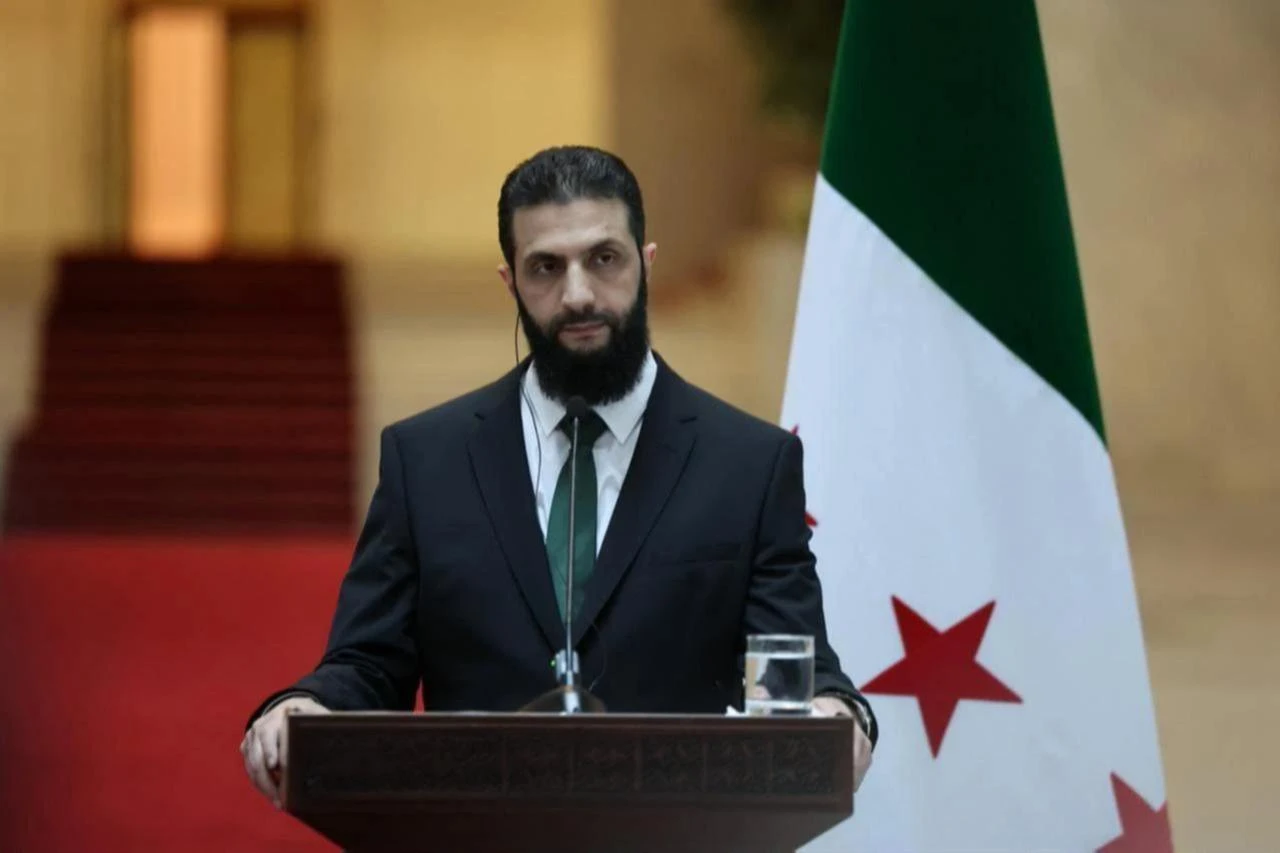


News reports circulating in Syria on Tuesday evening were instantly shared on Turkish social media as if a coup in Syria were taking place. However, what happened was neither a coup nor an uprising.
For some time, the Syrian government and Ministry of Defense have been working to reorganize personnel struggling to adapt to institutional reforms following the civil war. Tuesday’s events were merely a minor reflection of this broader transition.
Although the incident itself was minor, the fuss surrounding it was considerable. Supporters of the old regime, pro-Iranian elements and Western opponents of the Syrian government all pounced on the issue at once.
There is no need to repeat what has been written. Upon hearing of the incident, I spoke to a few people in Damascus.
The army’s declaration of mobilization coincided with an incident of insubordination in the vicinity of Hama and Homs, causing rumors to run rampant.
At the same time, social media accounts belonging to the family of one of the commanders summoned to Damascus for insubordination, along with a network of trolls, were calling for rebellion and mobilization.
As everything became intertwined, the rumors intensified. There was talk of a coup, and of several divisions rebelling.
With a few speculative social media posts, along with the writings and videos of a handful of angry civil war militants, the situation was suddenly portrayed as if a major incident were unfolding.
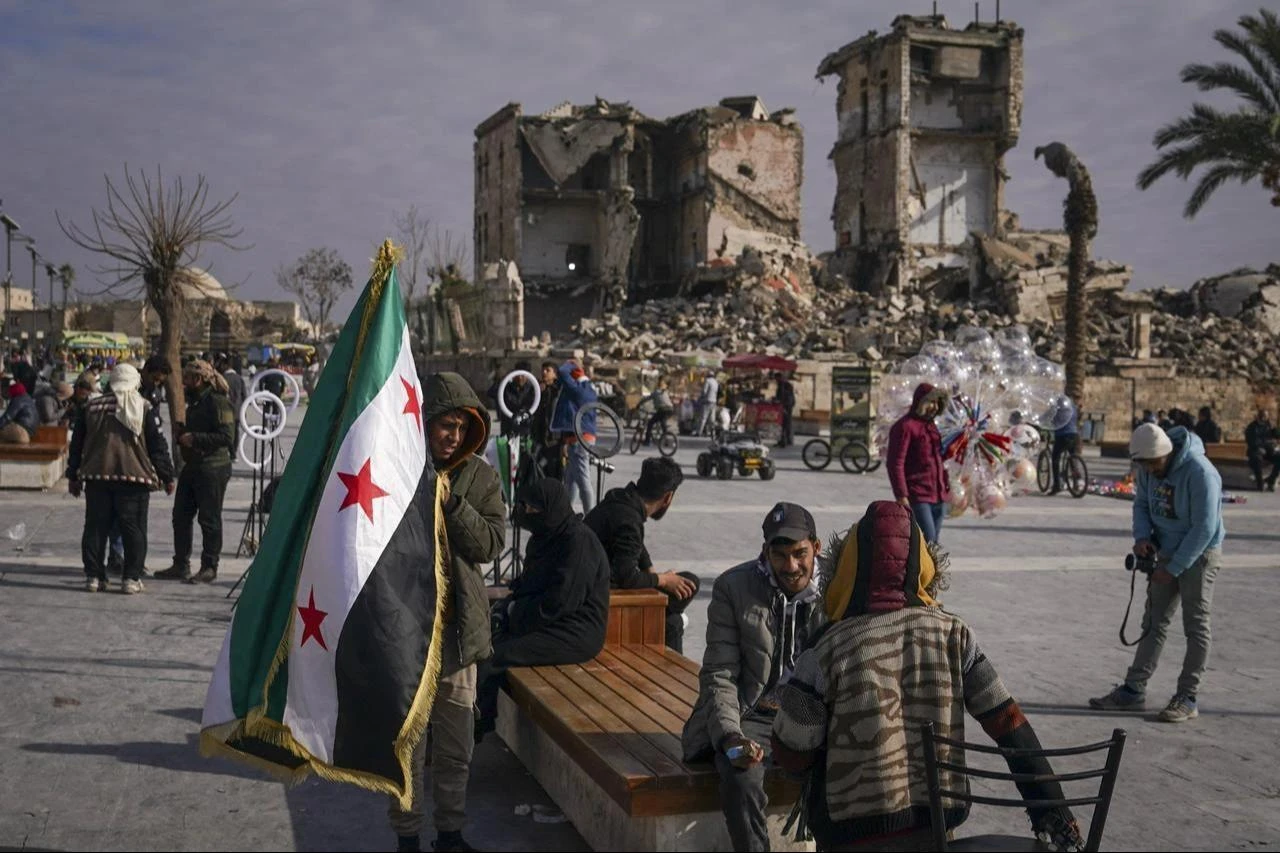

With no official word yet from Syria’s Defense Ministry, it is necessary to outline certain points without going into detail, whilst also painting a picture of the true scale of the incident.
Mohammed al-Jassem, known as Abu Amsha, who had previously served in the group known as the Syrian National Army and was subsequently deployed by the Ministry of Defense to Hama and the surrounding area following the revolution, was due to be summoned to Damascus due to his defiance of multiple orders from the Ministry of Defense and certain observed behaviors and conversations.
As Jassem did not welcome this summons either, he was taken to Damascus by the relevant units of the Ministry of Defense. However, this was not an arrest. At least as of last night, no official arrest had been made.
According to several Syrian sources, a meeting between senior officials of the Syrian Ministry of Defense and Jassem was still ongoing late last night. However, by this morning, sources regarding the matter had become somewhat more reticent.
While this was happening, Jassem’s family and the social media network he had been running since the SNA days began to fan the flames, portraying the routine, limited and training-based mobilization status—which the Syrian army frequently announces—as a move directed against them, and started issuing counter-mobilization messages. It remains unclear how the Syrian Ministry of Defense will respond to these messages.
Such messaging—and the accompanying videos claiming to show mobilization in progress—might have passed for standard operating procedure during the civil war. But Syria is no longer a fractured conflict zone; it is a centralized, institutional state.
The commotion grew from these developments. It was claimed that troops under the command of Muhtar al-Turki had set out from Damascus and that Jassem’s forces would be rounded up.
In reality, however, only a very small number of military police had even responded to the call to join Jassem.
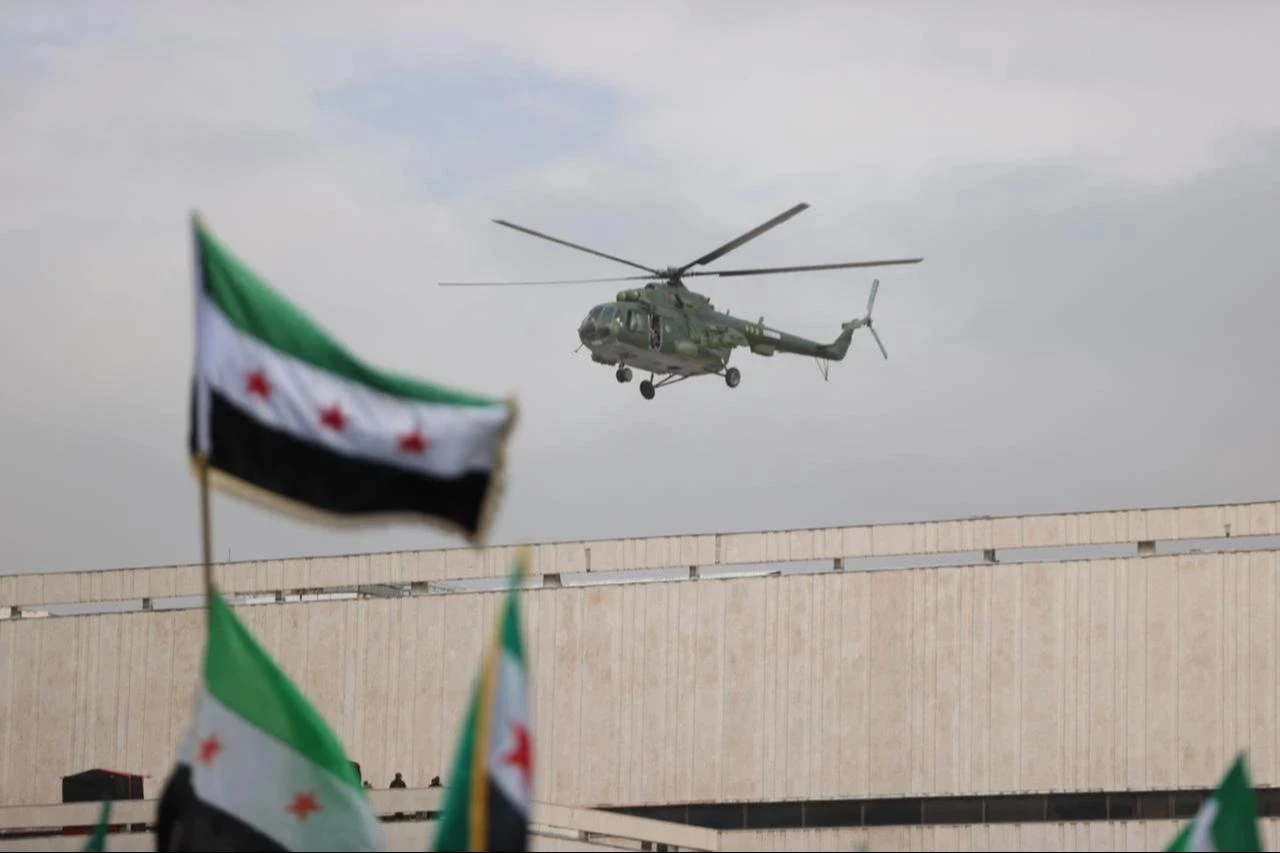
So, is this a purge? If you look at it from a certain angle, taking into account developments such as dismissals and suspensions that took place prior to Tuesday's events, it might appear that way.
However, the "old guard" often cannot coexist with the institutionalization that follows revolutions. On the other hand, continuing to view Syria generally through the lens of civil war also leads to this political outcome. That said, Syria is now a sovereign state that makes its own decisions in the interests of its own development process and national interests.
For this reason, a decision taken within its own institutional framework may be perceived as a purge when viewed through the lens of civil war motives. However, it is still far too early to characterize this as such a clear-cut purge.
In short, yesterday's incident had very little to do with the popular narrative.
There was no chaos in Damascus, no coup, and no genuine uprising. While the situation unfolded, I reached out to contacts on the ground, including journalists, to assess the pulse of the city.
Life went on as normal—people were out socializing with friends, and there was no visible military activity. By the time the commentary and uproar gained traction online, the entire affair was essentially over.
All that remains now is for the Syrian government to carry out its own internal legal proceedings on certain matters, and we shall learn of this through official announcements or statements issued.
Finally, it is worth noting that Jassem was mentioned in this article solely because he is a figure at the center of current discussions. The focus in Syria is no longer on individual figures, but on institutionalization and reconstruction.


 Set as preferred source
 Set as preferred source


 1 min read
 1 min read