Newsletters


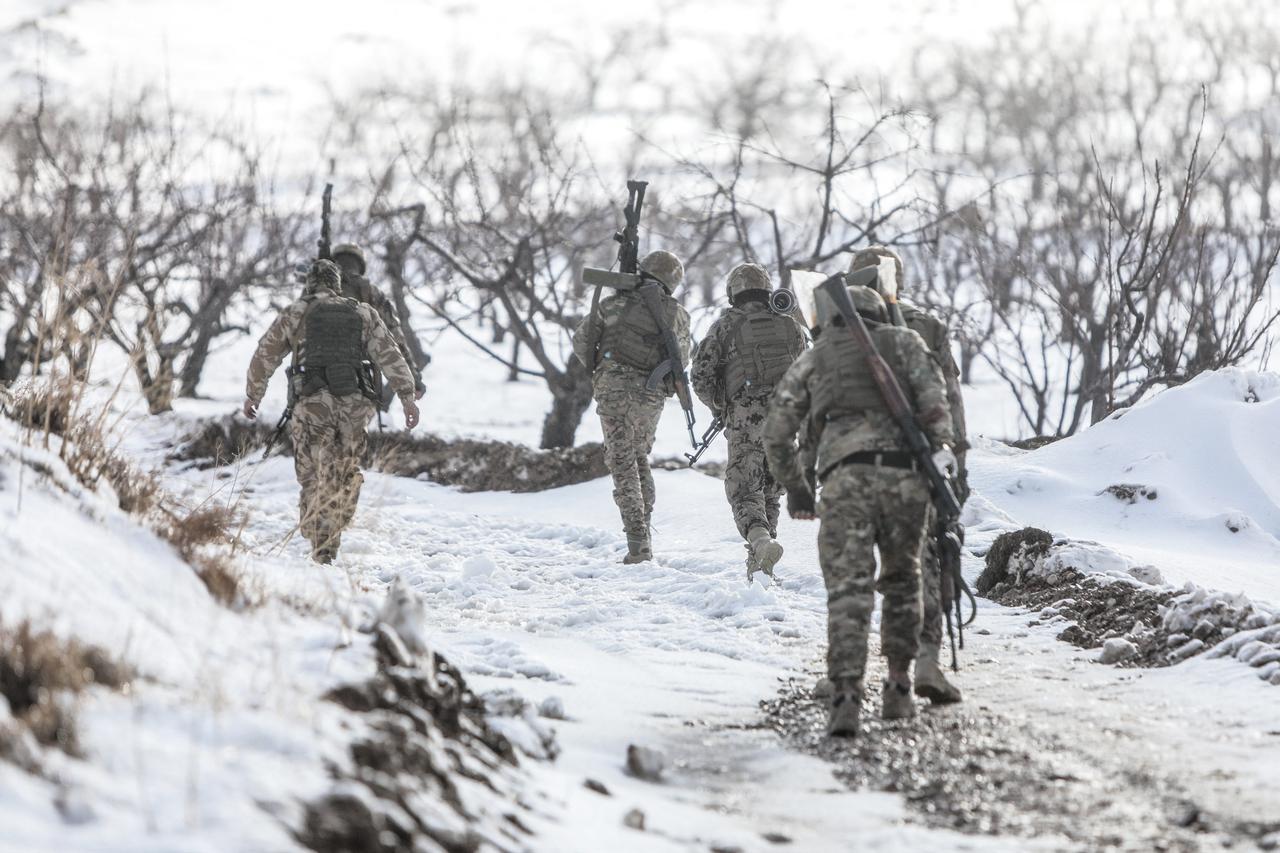


After a pause in mediated negotiations between Syria and Israel, both sides met again in Paris to discuss a potential pathway toward a new security mechanism.
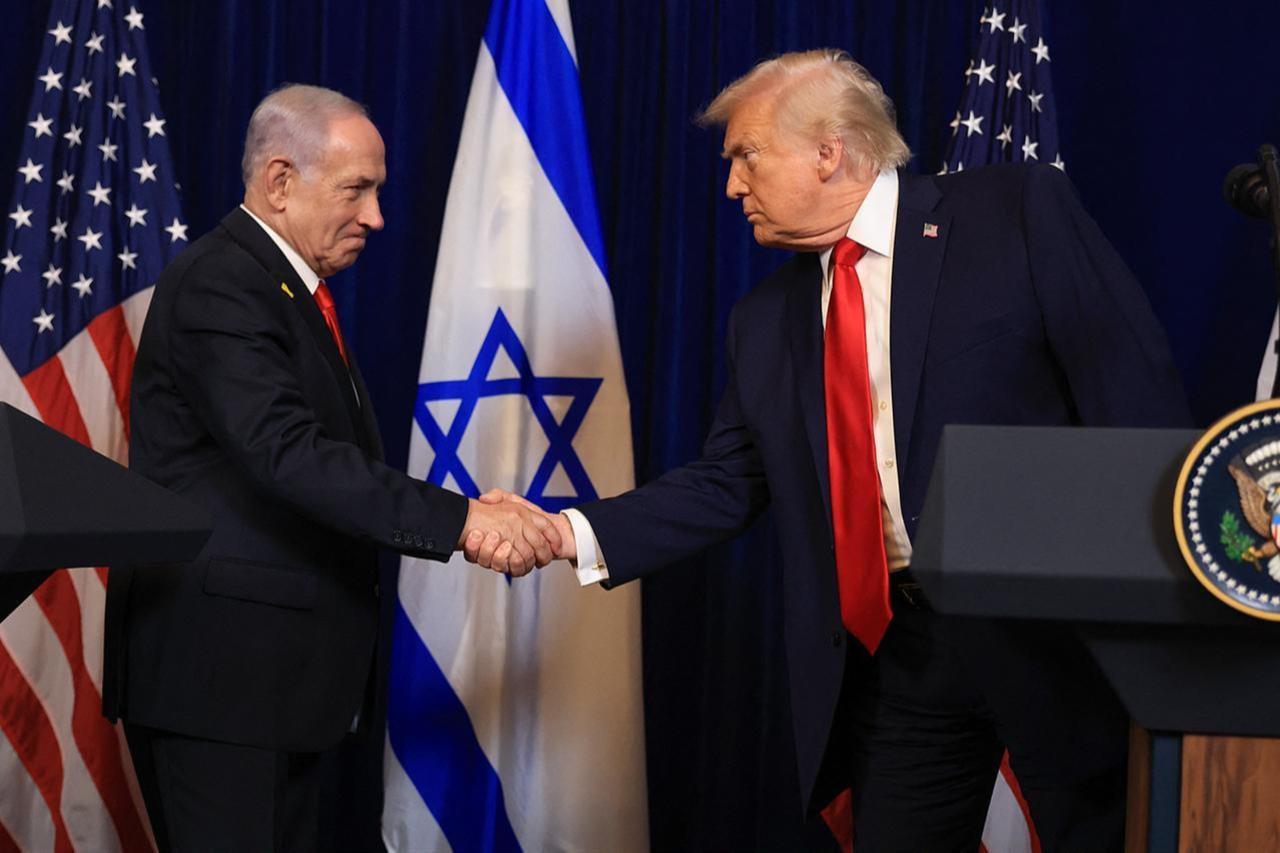
The meeting took place only after U.S. President Donald Trump instructed Israeli Prime Minister Benjamin Netanyahu to resume talks.
For the first time, the two sides managed to agree on at least one tangible outcome. The question, however, remains: will it last? And more importantly, is Israel negotiating with Damascus in good faith?
There are ample reasons to question the sincerity of the Israeli side. Israel’s track record in Lebanon, Iran, Palestine and Gaza does not provide strong evidence of consistent compliance with agreements.
Damascus, for its part, carries deep skepticism rooted in past experiences with Israel.
Roughly six months ago, the Israeli delegation had green-lighted a Syrian government security intervention in Sweida in the event of clashes between Druze and Bedouin militias.
When such clashes erupted, Damascus intervened, reached an agreement with Druze leaders—including the pro-Israeli Sheikh Hikmat al-Hajari—and subsequently withdrew Syrian army units from the governorate. Despite the green light, Israel proceeded to bomb Syrian government forces.
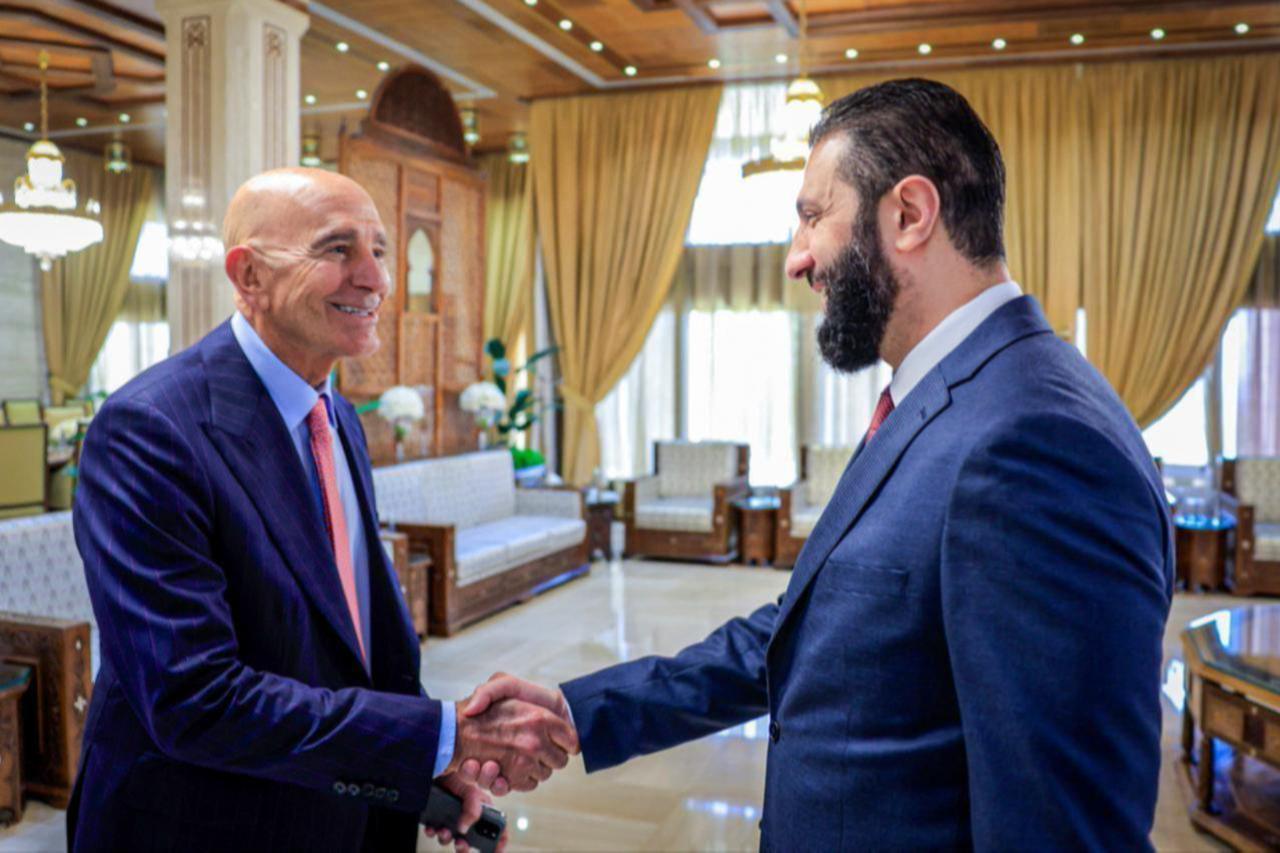

The Syrian leadership, therefore, has more than one reason to distrust any prospective agreement with Israel. As President Ahmad al-Shara told me months ago, “If you ask me whether I trust Israel, I do not.”
Still, from a pragmatic and realistic standpoint, both Israel and Syria have strong incentives to reach an understanding on a security mechanism. In this context, American mediation—and sustained American involvement—may be the key to making such an arrangement viable.
While U.S. engagement would likely tilt in Israel’s favor in any dispute, it could also serve as a guarantor to ensure that Israel upholds its commitments.
There is at least some reason for cautious optimism. The establishment of a joint fusion mechanism between Syria and Israel under American supervision, coupled with a deal to end hostile actions, represents a positive initial step. This mechanism may help both to achieve a durable security arrangement.
For Israel, however, there has been little substantive change so far. Israel has yet to agree to a withdrawal back to the 1974 disengagement line, and notably, there were no hostile actions from the Syrian side to begin with.
For Syria, an end to Israeli military actions would be welcome but insufficient. Israel must also withdraw from the territories it has recently occupied.
Moreover, it remains unclear whether Israel will halt its incursions into Quneitra and southern Syria, where civilians continue to be abducted under the pretext of security operations.


 Set as preferred source
 Set as preferred source


 1 min read
 1 min read