Newsletters


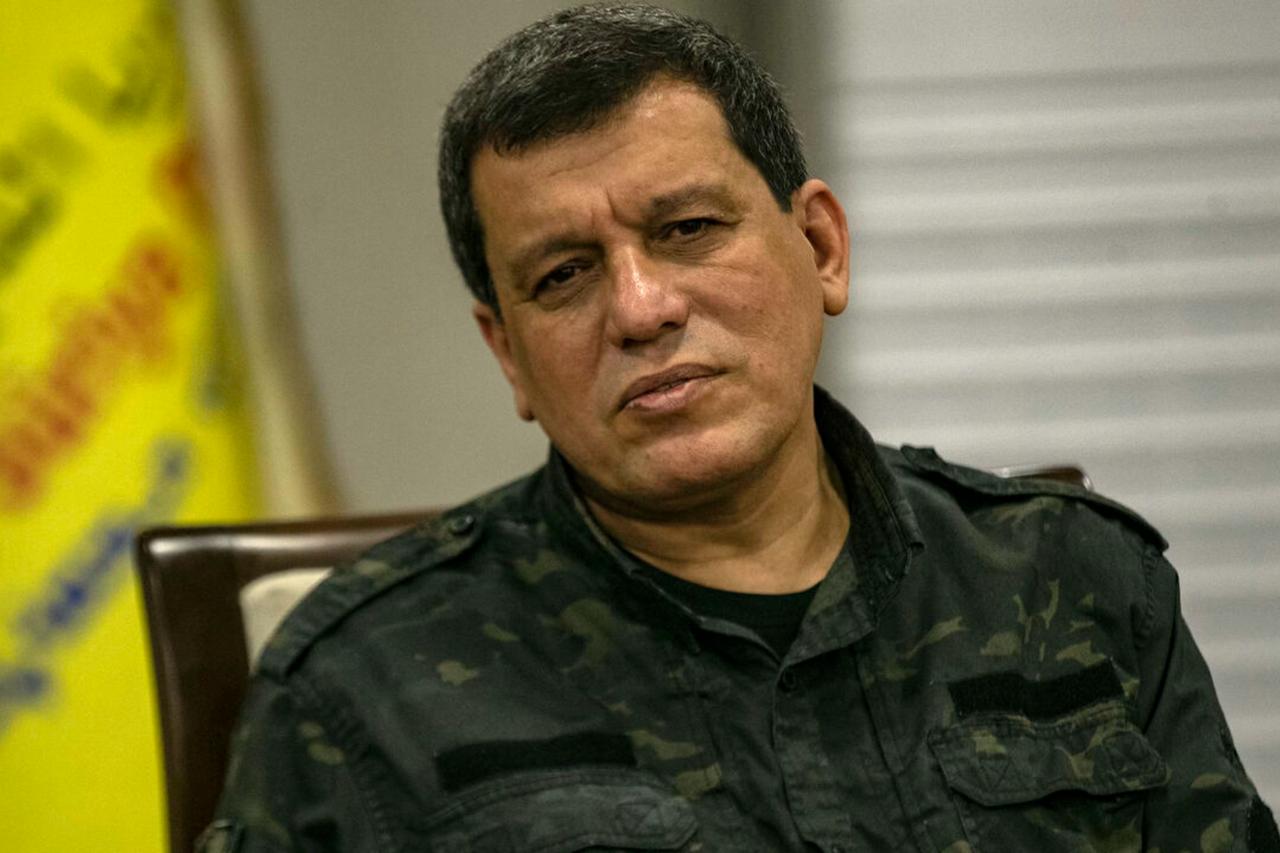


Since the signing of the March 10 agreement between Damascus and the SDF, negotiations have failed to produce any tangible results. In Damascus, some argued that SDF ringleader Mazloum Abdi was personally inclined toward integration, but that cadres from the Qandil Mountains were constraining his room for maneuver. However, Abdi’s recent public statements amount to a clear rejection of integration and appear designed to invite confrontation—not only with Syria, but also with Türkiye.
When Abdi initially signed the March 10 agreement, many within the SDF/PKK sharply criticized him for making such concessions. Following the agreement, Abdi faced significant pressure from senior figures—like himself—who had relocated from the Qandil Mountains in Iraq to Syria.
In his latest remarks, however, Abdi stated that the SDF would not integrate into the Syrian army, offering instead to discuss the joint formation of a new military structure. This position constitutes a clear violation of the March 10 agreement and threatens the ongoing PKK disarmament process in Türkiye. It also implicitly places the Syrian state and the SDF on equal footing—an arrangement that Damascus cannot accept.
Abdi further claimed that the March 10 agreement does not contain a timeline. This assertion directly contradicts the text of the deal, which explicitly stipulates that integration is to be completed by the end of 2025.
Given that these remarks came after Damascus submitted what it described as its “final offer,” it is reasonable to conclude that the SDF has either already rejected the proposal or intends to do so.
Perhaps even more concerning than Abdi’s rejection of the March 10 agreement are his remarks regarding the "four regions of Kurdistan," which he suggested would be united in 2026, a year he described as pivotal for achieving that goal.
For years, U.S. officials have argued that the SDF does not pose a threat to Türkiye. Abdi’s statement, however, signals an ambition that clearly extends beyond Syria’s borders. This is a red line for Ankara and may ultimately prove to be one of the primary, if not the decisive, reasons why the process in Türkiye, initiated by Nationalist Movement Party (MHP) leader Devlet Bahceli and supported by imprisoned PKK ringleader Abdullah Ocalan, could collapse.
In his effort to preserve control over oil revenues and avoid relinquishing power, Abdi has effectively placed explosives beneath both the Türkiye–PKK process and the integration talks between Damascus and the SDF.


 Set as preferred source
 Set as preferred source



 7 min read